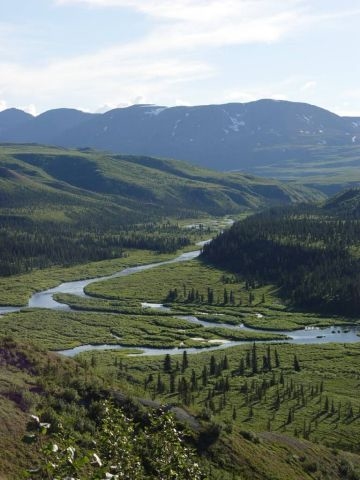
Discover the Untamed Power of Delta River Rapids – An Alaskan Adventure
If you’ve ever dreamed of paddling through pristine wilderness where the water roars and the mountains stand sentinel, Delta River in Deltana, Alaska, should be at the top of your bucket list. This hidden gem of white‑water rapids offers an unforgettable blend of raw nature, solitude, and the thrill of the untamed north.
1. Introduction
Imagine a river that carves its way through the rugged Alaskan tundra, its waters churning into frothy, swirling rapids that beckon adventure seekers from around the globe. That’s Delta River—an exhilarating rapids experience tucked away in the remote interior of Alaska. With coordinates 63.178307, -145.947791, the Delta River sits far from the bustling streets of Anchorage, promising pristine scenery, untouched ecosystems, and a true sense of wilderness that’s increasingly rare in today’s world.
Whether you’re a seasoned white‑water rafter, a nature photographer, or simply a traveler craving a unique Alaskan story, Delta River delivers a pulse‑quickening encounter that’s both challenging and deeply rewarding.
2. About Delta River
A Brief Description
Delta River is classified as a rapids (🌀) system that flows through the Deltana region of Alaska. While the exact height and altitude of the river remain undocumented, its reputation among local guides and outdoor enthusiasts is crystal clear: the river’s powerful currents and steep gradients create a series of Class III–IV rapids that demand respect and skill.
Historical Context
The Delta River has long been part of the traditional lands of Alaska Native peoples, who used its waters for fishing and transportation long before modern explorers arrived. In the early 20th century, prospectors and trappers navigated its turbulent sections while hunting for gold and furs in the surrounding valleys. Over time, the river transitioned from a utilitarian route to a coveted playground for adventure tourism.
Significance
- Ecological Haven – The river’s watershed supports a diverse array of wildlife, including salmon runs, moose, and bald eagles. Its pristine waters serve as a critical spawning ground for several fish species.
- Adventure Hub – For white‑water rafters and kayakers, Delta River offers a rare combination of technical difficulty and remote serenity.
- Cultural Touchstone – The river remains a living reminder of Alaska’s indigenous heritage and the pioneering spirit of early settlers.
For a concise reference, see the Delta River Wikipedia page.
3. How to Get There
Reaching Delta River is part of the adventure. Here’s a step‑by‑step guide for the most common travel routes:
| Step | Mode of Transport | Details |
|---|---|---|
| 1 | Fly into Alaska | The nearest major airport is Ted Stevens Anchorage International Airport (ANC). From Anchorage, you’ll need to arrange a charter flight or a small‑plane service to the regional airstrip at Deltana Airport (approx. 120 mi north‑west). |
| 2 | Drive or Shuttle | If you prefer a road trip, rent a 4×4 vehicle in Anchorage and travel the Alaska Highway (AK‑1) north to the town of Delta Junction. From there, take the Delta River Road, a rugged gravel route that leads directly to the rapids. Expect 3–4 hours of off‑road driving; a high‑clearance vehicle with spare tires is essential. |
| 3 | Guided Expedition | Several local outfitters in Delta Junction offer guided white‑water trips that include transportation from the airport or hotel to the river’s put‑in point. This is the safest option for first‑time visitors. |
| 4 | Final Approach | The rapids are accessed via a modest trailhead near the riverbank. A short hike (≈ 0.5 km) leads to a natural launch zone where you can set up rafts, kayaks, or inflatable tubes. |
Pro tip: Always check the latest road conditions on the Alaska Department of Transportation website, as weather can quickly change the accessibility of gravel roads.
4. Best Time to Visit
Delta River’s flow is heavily influenced by seasonal melt and precipitation patterns. Here’s a seasonal breakdown to help you plan the optimal visit:
| Season | River Conditions | Visitor Experience |
|---|---|---|
| Late Spring (May‑June) | Snowmelt raises water levels, creating robust, high‑volume rapids. | Ideal for experienced rafters seeking powerful Class IV runs. Expect cooler air and occasional rain. |
| Summer (July‑August) | Water levels moderate; rapids remain challenging but more predictable. | Perfect for a balance of excitement and safety. Longer daylight hours (up to 18 hrs) allow for extended trips. |
| Early Fall (September) | Water recedes, exposing more riverbanks and scenic vistas. | Great for photography, wildlife spotting, and gentle paddling. Temperatures begin to drop. |
| Winter (October‑April) | River freezes over; rapids become inaccessible for water‑based activities. | Not recommended for rafting, but the surrounding landscape offers spectacular winter trekking and snowshoeing opportunities. |
Overall Recommendation: July offers the most reliable conditions for a mix of adventure and comfort, with moderate water flow, warm (by Alaskan standards) temperatures, and abundant daylight.
5. What to Expect
The Rapids Experience
- Class III‑IV Sections – Expect a series of steep drops, tight chutes, and powerful eddies that will test your paddling technique.
- Scenic Backdrop – Towering spruce forests, rugged granite outcrops, and occasional wildlife sightings (e.g., moose drinking at river bends) create a cinematic setting.
- Soundscape – The roar of water, punctuated by the call of loons and the rustle of wind through the trees, immerses you in an auditory wilderness rarely found elsewhere.
Safety and Difficulty
- Skill Level – Intermediate to advanced paddlers should feel comfortable; beginners are encouraged to join a guided group with certified instructors.
- Gear – A sturdy white‑water raft or kayak, personal flotation device (PFD), helmet, dry suit (for cooler water), and a waterproof dry bag for essentials are mandatory.
- Rescue Options – Most outfitters provide on‑site rescue boats and trained staff. Always brief your group on emergency protocols before launching.
Beyond the Rapids
- Fishing – The Delta River’s tributaries host salmon runs during late summer, offering a chance for fly‑fishing enthusiasts.
- Hiking – Short, unmarked trails follow the river’s edge, leading to panoramic overlooks and the nearby Rapid Falls (0.4 km away).
- Photography – The interplay of light on the frothy water and the surrounding alpine terrain makes for stunning long‑exposure shots.
6. Nearby Attractions
While Delta River is the star, the surrounding area offers several complementary experiences. All distances are measured from the rapids’ put‑in point.
| Attraction | Type | Distance | Why Visit |
|---|---|---|---|
| Rapid Falls | Waterfall | 0.4 km | A spectacular cascade just a short walk from the river. Perfect for a quick photo stop or a relaxing break. |
| Unnamed Spring | Spring | 15.4 km | A crystal‑clear natural spring that provides fresh drinking water and a serene spot for a picnic. |
| Canyon Rapids | Rapids | 54.0 km | Another thrilling white‑water destination for those looking to extend their adventure itinerary. |
Links:
- Rapid Falls – Alaska Waterfalls Guide
- Alaskan Springs – Natural Springs of the North
- Canyon Rapids – Whitewater Adventures
7. Travel Tips
- Book Guided Trips Early – Summer slots fill quickly, especially for guided rafting packages. Reserve at least 4–6 weeks in advance.
- Pack Layered Clothing – Alaskan weather is unpredictable. Include moisture‑wicking base layers, an insulated mid‑layer, and a waterproof outer shell.
- Stay Hydrated & Fueled – High altitude and physical exertion demand plenty of water and high‑energy snacks (nuts, jerky, dried fruit).
- Respect Wildlife – Keep a safe distance from moose and bears. Store food in bear‑proof containers if you’re camping overnight.
- Leave No Trace – Pack out all trash, avoid trampling vegetation, and use designated campsites only.
- Check River Flow Reports – The Alaska River Forecast Center provides daily updates on water levels and rapid classifications.
- Carry a Satellite Messenger – Cell service is unreliable in remote Deltana; a satellite communicator ensures you can call for help if needed.
- Travel Insurance – Choose a policy that covers adventure sports and medical evacuation, as the nearest hospital is several hours away.
Conclusion
Delta River isn’t just another rapid on a map; it’s a living, breathing testament to Alaska’s untamed spirit. From the thunderous rush of water to the quiet moments beside Rapid Falls, every second spent here feels like stepping into a storybook of wilderness. Whether you’re carving through Class IV rapids, watching salmon leap upstream, or simply soaking in the endless horizon, Delta River promises an adventure that will linger in your memory long after you’ve left the Alaskan frontier.
Ready to chase the roar? Pack your gear, chart your course, and let the Delta River rapids be the pulse that drives your next great travel tale. Safe travels and happy paddling!