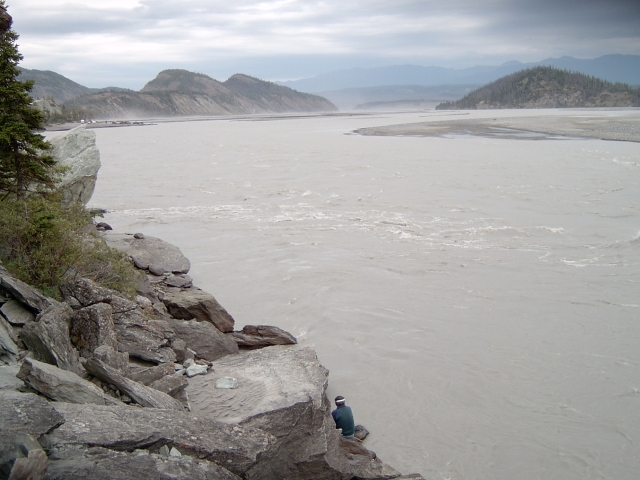
Abercrombie Rapids, Alaska – A Hidden White‑Water Gem in Cordova
If you’re hunting for raw, untouched wilderness and the roar of untamed water, look no further than Abercrombie Rapids. Nestled on the mighty Copper River near Cordova, this secluded rapid offers a front‑row seat to Alaska’s dramatic landscape, abundant wildlife, and the spirit of true adventure.
Introduction
Imagine standing on a riverbank where the water churns into frothy white‑caps, the surrounding forest echoing with the calls of loons and the distant rumble of a glacier‑fed torrent. That’s Abercrombie Rapids—a pulse‑quickening slice of Alaskan wilderness that remains off the beaten path. Whether you’re a seasoned kayaker, a curious photographer, or simply a traveler who loves the raw power of nature, this rapid promises an unforgettable experience that feels both epic and intimate.
Quick‑look facts
- Location: Cordova, Alaska, United States (60.722740, -144.568252)
- River: Copper River (see the Copper River Wikipedia page)
- Type: White‑water rapids 🌀
- Nearby attractions: Whiting Falls, Alaganik Falls, Liberty Falls
About Abercrombie Rapids
Abercromby Rapids sit on a stretch of the Copper River that has been carving its way through the coastal mountains for millennia. The Copper River itself is one of Alaska’s most iconic waterways, famed for its salmon runs, dramatic canyons, and powerful flow that originates from the Wrangell‑St. Elias mountain range. While the exact height and altitude of Abercrombie Rapids are not officially recorded, the rapid’s intensity is evident from the swirling eddies and the roar that can be heard from a distance.
Historically, the Copper River corridor was a vital route for the indigenous Ahtna people and later for early trappers and prospectors. Though the name “Abercrombie” does not appear in early settlement records, the rapid has become a reference point for modern adventurers navigating the river’s remote sections. Today, it serves as a natural landmark for white‑water enthusiasts and a reminder of Alaska’s untamed power.
Why It Matters
- Ecological significance: The rapid is part of a river system that supports one of the world’s most productive salmon fisheries. The turbulence oxygenates the water, creating ideal spawning conditions downstream.
- Adventure tourism: As Alaska’s tourism industry expands, Abercrombie Rapids offers a low‑impact, high‑reward experience for those seeking off‑road thrills.
- Cultural heritage: The surrounding area holds stories of the Ahtna people and early 20th‑century river navigation, adding a layer of cultural depth to the natural spectacle.
How to Get There
Reaching Abercrombie Rapids requires a blend of planning, a bit of rugged travel, and a love for the road less traveled. Here’s a step‑by‑step guide for the intrepid traveler:
-
Fly into Cordova – The easiest gateway is the small regional airport (CKU) in Cordova, serviced by Alaska Airlines from Anchorage. If you’re coming from the lower 48, book a connecting flight through Anchorage.
-
Arrange a boat or floatplane – The rapid lies deep within the Copper River watershed, away from paved roads. Most visitors charter a boat from Cordova’s harbor or hire a floatplane that can land on the river near the rapid. Local outfitters such as Copper River Adventures or Cordova Outfitters specialize in custom trips.
-
Coordinate with a guide – Because the rapid is remote and the river conditions can change quickly, hiring a certified guide is strongly recommended. Guides provide safety equipment, river‑reading expertise, and local knowledge of wildlife and weather patterns.
-
Pack smart – Bring waterproof layers, insulated clothing, sturdy boots, and a dry‑bag for electronics. A portable water filter is handy if you plan to camp near the riverbank.
-
Travel permits – While no specific permit is required for visiting the rapid itself, any overnight camping within the Copper River watershed may need a permit from the Alaska Department of Natural Resources. Check ahead of time to avoid surprises.
Best Time to Visit
Alaska’s climate can be extreme, so timing your trip is crucial for safety and enjoyment.
| Season | River Conditions | Wildlife | Why Visit |
|---|---|---|---|
| Late Spring (May‑June) | Snowmelt raises water levels, creating strong, fast‑moving rapids. Ideal for experienced kayakers seeking high‑energy runs. | Early salmon runs, abundant bird activity. | Spectacular water flow and vibrant wildlife. |
| Summer (July‑August) | Water levels moderate; rapids remain challenging but more predictable. Daylight hours are longest (up to 20 hrs). | Peak salmon migration, bears foraging near the river. | Balanced conditions for both paddling and wildlife viewing. |
| Early Fall (September) | Water recedes, exposing more riverbank for hiking and photography. Cooler temperatures. | Late‑season salmon, moose in the surrounding tundra. | Quieter crowds and stunning autumn light. |
| Winter (Oct‑April) | River freezes; rapids become ice‑covered. Access is limited to snowmobile or ski‑traverses for the truly adventurous. | Snow‑shoe hares, winter bird species. | For extreme winter‑sport enthusiasts only. |
Recommendation: For most travelers, mid‑July to early September offers the optimal blend of manageable water flow, abundant wildlife, and comfortable weather.
What to Expect
The Rapids Experience
Approaching Abercrombie Rapids, you’ll first notice the river’s turquoise‑green hue, a result of glacial silt suspended in the water. As you draw nearer, the river narrows, and the current intensifies, forming a series of white‑capped waves that tumble over hidden boulders. The sound—an unrelenting, thunderous roar—signals the river’s power.
- Visuals: Expect towering spray columns, swirling eddies, and occasional rainbows that form in the mist.
- Sounds: The constant rush of water, punctuated by occasional bird calls and the distant cry of a bald eagle.
- Feel: A cool, moist breeze that carries the scent of pine and fresh river water.
If you’re kayaking, the rapid offers a mix of Class III–IV sections (based on typical Alaska river classifications). Even if you’re staying on the shore, the sheer force of the water makes for an exhilarating backdrop for photography or simply soaking in nature’s raw energy.
Wildlife Encounters
The Copper River basin is a wildlife hotspot. While you’re at the rapids, keep an eye out for:
- Salmon leaping upstream just downstream of the rapid during spawning season.
- Bald eagles perched on nearby trees, scanning the water for fish.
- River otters playfully darting in and out of eddies.
- Black bears occasionally foraging along the riverbank—maintain a safe distance and store food properly.
Scenic Highlights
- Glacier‑fed waters give the river a striking milky appearance.
- Surrounding spruce‑fir forests provide a lush, green frame, especially in summer.
- Distant mountain silhouettes of the Chugach Range create a dramatic horizon.
Nearby Attractions
After you’ve taken in the power of Abercrombie Rapids, extend your adventure to these nearby natural wonders:
-
Whiting Falls – Approximately 33 km away, this waterfall cascades over a series of basalt cliffs, creating a misty veil perfect for close‑up photography.
-
Alaganik Falls – Roughly 47 km from the rapids, Alaganik offers a more secluded waterfall experience, surrounded by moss‑laden rocks and quiet forest trails.
-
Liberty Falls – At a distance of 99 km, Liberty Falls is a larger, multi‑tiered waterfall that drops into a crystal‑clear pool—ideal for a refreshing dip after a day on the river.
All three sites are reachable by boat or floatplane, and many local guides can combine them into a single multi‑day itinerary.
Travel Tips
| Tip | Details |
|---|---|
| Pack layered clothing | Alaskan weather shifts quickly; include a waterproof shell, insulated mid‑layer, and moisture‑wicking base layer. |
| Bring a reliable GPS | Cell service is spotty; a handheld GPS device with pre‑loaded waypoints (coordinates: 60.722740, -144.568252) is essential. |
| Carry bear safety gear | Bear spray, a sturdy food container, and knowledge of proper bear etiquette are must‑haves. |
| Check river conditions | The Alaska River Forecast Center provides daily flow data for the Copper River—review before heading out. |
| Respect local culture | Cordova and surrounding villages have rich indigenous heritage; seek permission before entering private lands and follow “Leave No Trace” principles. |
| Plan for daylight | During summer, the sun sets late, but during shoulder seasons, daylight can be limited—schedule activities accordingly. |
| Stay hydrated and nourished | High altitude and active pursuits increase calorie needs; pack high‑energy snacks and a water filtration system. |
| Travel insurance | Ensure your policy covers adventure activities like white‑water kayaking and remote travel. |
| Hire local guides | Not only does this enhance safety, but guides can share stories about the river’s history, wildlife, and the Ahtna people. |
| Leave no trace | Pack out all trash, avoid disturbing wildlife, and stay on established paths to preserve the pristine environment. |
Final Thoughts
Abercrombie Rapids may not appear on every mainstream travel list, but that’s precisely why it’s a treasure for the adventurous soul. From the thunderous surge of the Copper River to the quiet moments of wildlife observation, this Alaskan rapid offers a pure, unfiltered encounter with nature’s power. Pair it with nearby waterfalls, soak up Cordova’s coastal charm, and you’ve got a multi‑dimensional Alaskan adventure that will linger in your memory long after the rapids fade into the distance.
Ready to chase the roar? Pack your gear, book a local guide, and let the wild heart of Alaska guide you to Abercrombie Rapids. Safe travels!