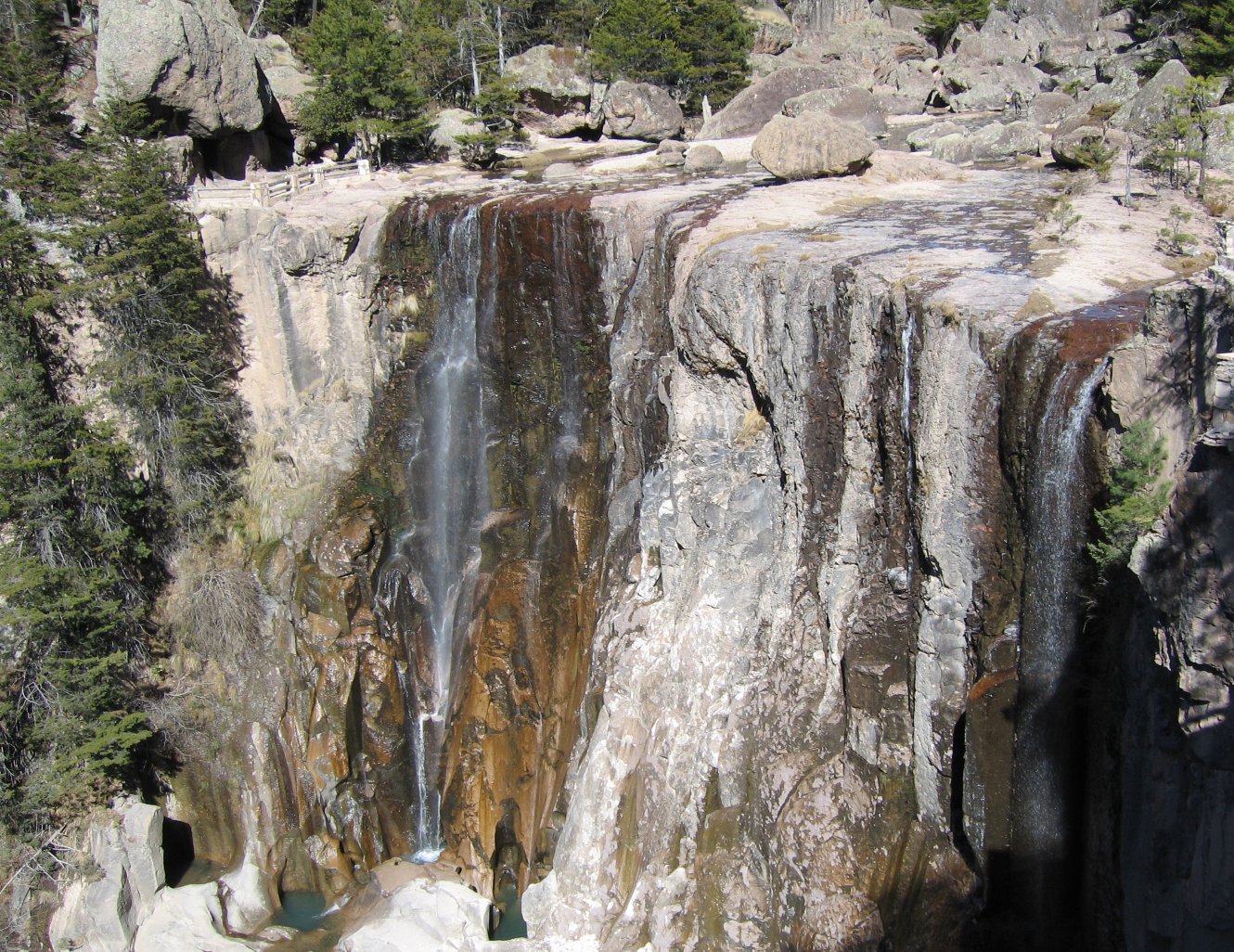
Cascada de Cusárare – A Hidden Waterfall Gem in Creel, Chihuahua, Mexico
Discover the mist‑kissed beauty of Cascada de Cusárare, the off‑the‑beaten‑path waterfall that’s quickly becoming a must‑see for nature lovers exploring the Sierra Madre Occidental.
1. Introduction
Imagine stepping off a dusty road in the high‑altitude town of Creel, Chihuahua, and hearing the distant roar of water crashing over stone. The air is cool, scented with pine and wild rosemary, and a narrow trail leads you through a canopy of towering pines to a curtain of water that seems to tumble straight from the clouds. That’s Cascada de Cusárare – a pristine waterfall that feels like a secret shared only with the birds and the wind.
If you’re planning a road trip through northern Mexico, a hiking adventure in the Copper Canyon, or simply a weekend escape to experience authentic Mexican wilderness, Cascada de Cusárare should be at the top of your itinerary. In this guide we’ll cover everything you need to know: the waterfall’s story, how to get there, the best time to visit, what you’ll see on the trail, nearby attractions, and essential travel tips.
2. About Cascada de Cusárare
A Brief Description
Cascada de Cusárare (pronounced koo‑SAH‑reh) is a natural waterfall located just outside the town of Creel in the state of Chihuahua, Mexico. Its exact height and altitude remain undocumented, adding an air of mystery that draws curious explorers. The falls cascade over a series of rocky ledges, creating multiple tiers of water that splash into a crystal‑clear pool below. The surrounding forest is a mix of pine, oak, and fir, typical of the Sierra Madre Occidental’s high‑elevation ecosystems.
Historical and Cultural Significance
While there is limited written history about the waterfall itself, the region around Creel is steeped in Rarámuri (Tarahumara) culture. The indigenous people have long considered the mountains and rivers sacred, using them for sustenance, ceremony, and travel. Cascada de Cusárare is part of this broader landscape that the Rarámuri have respected for centuries.
Modern visitors often describe the waterfall as a “living postcard” of the Copper Canyon area—a place where the raw power of water meets the quiet serenity of the forest. Because it is relatively unknown compared to the more tourist‑heavy attractions like Cañón del Río Grande, the falls have retained a pristine feel, making them a perfect spot for photography, meditation, and simple appreciation of nature.
Quick Fact: The waterfall is listed on the Spanish‑language Wikipedia page for Cascada de Cusárare – a useful reference for deeper research.
3. How to Get There
From Chihuahua City
-
Drive to Creel – The most common gateway is the Mexico‑45D highway (also known as the Carretera Federal 45). From Chihuahua City, it’s a 4‑hour, 280‑km drive north‑west to Creel. The route is scenic, winding through pine forests and offering occasional views of the Copper Canyon.
-
From Creel to the Trailhead – Once in Creel, follow signs for “Cascada de Cusárare” or ask locals for directions to the “camino del agua.” The trailhead is located about 2 km outside town, near the Lago de Arare area. Parking is available in a small lot; from there, the hike to the waterfall is roughly 1.5 km each way.
Public Transportation Options
- Bus: Several regional bus lines (e.g., Ómnibus Chihuahua‑Creel) stop in Creel. From the bus terminal, you can hire a taxi or a local “colectivo” for a short ride to the trailhead.
- Tours: Many Creel tour operators offer half‑day excursions that include transportation, a guide, and a light snack. Booking in advance during high season (December‑April) is recommended.
What to Bring
- Sturdy hiking shoes – The trail can be rocky and slippery near the falls.
- Waterproof backpack or dry bag – To protect electronics and clothing from the spray.
- Sun protection – Even in the forest, UV rays can be strong at altitude.
- Cash (MXN) – Small fees may apply for parking or trail maintenance.
4. Best Time to Visit
| Season | Weather | Water Flow | Visitor Density |
|---|---|---|---|
| Winter (Dec‑Feb) | Cool, occasional frost | Moderate – occasional rain boosts flow | Low to moderate |
| Spring (Mar‑May) | Mild, blooming flora | High – spring rains swell the falls | Moderate |
| Summer (Jun‑Aug) | Warm, occasional thunderstorms | Very high – peak water volume | Higher (but still uncrowded) |
| Fall (Sep‑Nov) | Pleasant, dry days | Moderate – water recedes after summer | Low |
Why Spring is Ideal: The combination of vibrant green foliage, abundant wildflowers, and a strong water flow makes spring the most photogenic season. However, if you prefer fewer hikers and cooler temperatures, late autumn offers a tranquil experience with still‑good water flow.
5. What to Expect
The Trail Experience
The hike to Cascada de Cusárare is classified as easy to moderate. The first half follows a gently sloping forest path, with occasional wooden boardwalks over small streams. About 800 meters in, the trail becomes steeper and rockier, demanding careful footing. Signage is minimal, so a basic map (or a GPS app using the coordinates 27.621406, -107.574202) is advisable.
The Waterfall Itself
Upon emerging from the trees, the sound of rushing water grows louder. The waterfall reveals itself as a series of tiered cascades, each dropping onto moss‑covered rocks. The main plunge creates a misty veil that cools the surrounding air—perfect for a quick dip in the natural pool (if the water is not too cold).
Photography tip: Position yourself on the left side of the pool for a classic foreground‑to‑background composition, capturing both the falls and the towering pines. Early morning light adds a golden glow, while late afternoon brings dramatic shadows.
Wildlife & Flora
Expect to see Mexican pine (Pinus spp.), juniper, and occasional wild orchids near the water’s edge. Birdwatchers may spot golden‑eared woodpeckers, mountain bluebirds, and the elusive crested caracara. Keep an eye out for small mammals such as squirrels and coyotes—they’re shy but often heard at dusk.
6. Nearby Attractions
While Cascada de Cusárare can easily fill a half‑day, the surrounding region offers several other natural and cultural sites worth exploring:
| Attraction | Type | Distance from Cascada de Cusárare | How to Get There |
|---|---|---|---|
| Unnamed Waterfall | Waterfall | 7.9 km | Follow the Camino del Río eastward; local guide recommended. |
| Unnamed Dam | Dam | 9.6 km | Take the CH‑45 south, then a gravel road to the reservoir. |
| Unnamed Dam | Dam | 26.2 km | Drive west on CH‑45, then turn onto Ruta 12 toward the dam. |
| Unnamed Dam (second) | Dam | 26.2 km | Same route as above; the two dams sit opposite each other across the valley. |
| Presa Situriachi | Dam | 35.4 km | Head north on CH‑45, then turn onto Ruta 8; signs point to the dam. |
Note: Because some of these sites lack official names, it’s best to ask locals in Creel for the exact directions or hire a guide who knows the area.
7. Travel Tips
| Tip | Details |
|---|---|
| Start Early | Arriving at sunrise ensures cooler temperatures, fewer hikers, and the best light for photos. |
| Bring a Waterproof Camera | The spray can be intense; a sealed case or a smartphone with a waterproof pouch works well. |
| Stay Hydrated | Even in the forest, altitude can cause quicker dehydration. Carry at least 1.5 L of water. |
| Respect the Environment | Pack out all trash, stay on marked trails, and avoid disturbing wildlife. |
| Check Weather Forecast | Summer thunderstorms can make the trail slippery; postpone if heavy rain is predicted. |
| Use Local Guides | They can share Rarámuri legends about the waterfall and point out hidden viewpoints. |
| Cash is King | Many small vendors and parking areas accept only Mexican pesos, not cards. |
| Safety First | The pool at the base can be cold and fast‑moving; test the water before entering. |
| Connectivity | Cell service is spotty; download offline maps (Google Maps/Maps.me) before you leave. |
| Cultural Etiquette | When passing through Rarámuri communities, greet respectfully and ask permission before taking photos of people. |
Final Thoughts
Cascada de Cusárare may not appear on every travel brochure, but that’s precisely why it feels like a true discovery. Its gentle roar, emerald pool, and surrounding pine forest offer a slice of Mexican wilderness that feels untouched by mass tourism. Pair it with a visit to Creel’s charming town center, a ride on the historic Ferrocarril Chihuahua al Pacífico (Chepe) train, or a trek into the deeper reaches of the Copper Canyon, and you’ve crafted a travel story that will linger long after you leave the Sierra Madre Occidental.
Pack your boots, charge your camera, and let the mist of Cascada de Cusárare guide you into an unforgettable adventure in Chihuahua, Mexico. 🌊✈️
Keywords: Cascada de Cusárare, waterfall in Chihuahua, Creel travel, Mexico waterfalls, best time to visit Cascada de Cusárare, things to do in Creel, Copper Canyon attractions, Rarámuri culture, Sierra Madre Occidental hiking
