Discover the Majestic Laforge‑1 Dam in Chibougamau, Quebec
Your ultimate guide to exploring one of Quebec’s most impressive hydro‑engineering landmarks.
1. Introduction
Imagine standing beside a towering concrete wall that holds back the raw power of the Canadian wilderness, its silhouette reflected in a pristine lake framed by boreal forest. That’s the experience waiting at Laforge‑1 Dam (also known as Digue LA‑45), a 57‑metre‑high hydro‑electric marvel perched near the town of Chibougamau, Quebec. Whether you’re a photography enthusiast, an eco‑tourist, or simply a traveler hungry for off‑the‑beaten‑path adventures, this dam offers a striking blend of engineering brilliance and natural beauty that’s hard to find elsewhere in North America.
In this guide, we’ll dive into the dam’s history, show you how to get there, suggest the best seasons to visit, and highlight nearby attractions that will round out your Quebec itinerary. Pack your sense of wonder—and a sturdy pair of walking shoes—because Laforge‑1 is ready to surprise you.
2. About Laforge‑1 Dam
A Brief Description
- Type: Concrete gravity dam 🏗️
- Location: 54.170005 N, ‑72.614975 W, near Chibougamau, Quebec, Canada
- Height: 57 m (≈ 187 ft)
- Altitude: Not publicly disclosed (the dam sits within the rugged terrain of the James Bay watershed)
Laforge‑1 is part of the Centrale Laforge‑1 hydro‑electric complex, a cornerstone of the massive James Bay Project that supplies clean energy to Quebec’s power grid. Constructed to harness the flow of the La Grande River’s tributaries, the dam’s concrete wall holds back a reservoir that feeds turbines capable of generating megawatts of renewable electricity.
Historical Significance
The James Bay Project, launched in the 1970s, transformed northern Quebec into a powerhouse of hydro‑electric production. Laforge‑1, completed in the late 20th century, represents the later phase of this ambitious undertaking, showcasing advances in dam design, environmental monitoring, and community partnership. While the exact construction date isn’t listed here, the dam’s modern concrete structure and integrated spillway system reflect the engineering standards of the 1990s‑2000s era.
Why It Matters
- Renewable Energy: Laforge‑1 contributes to Quebec’s reputation as a leader in clean, low‑carbon electricity.
- Engineering Feat: Its 57 m height and robust design illustrate how engineers tame the rugged Canadian Shield while respecting the surrounding ecosystem.
- Tourist Appeal: The dam’s remote location offers a rare glimpse into industrial infrastructure set against untouched wilderness—perfect for photography, bird‑watching, and quiet contemplation.
For a deeper dive into the technical details, visit the French Wikipedia page: Centrale Laforge‑1.
3. How to Get There
By Air
The nearest commercial airport is Chibougamau/Chapais Airport (YMT), located about 30 km south‑west of the dam. Regular flights connect YMT to Montreal and Quebec City. From the airport, rent a car or arrange a shuttle to the dam site.
By Road
- From Montreal: Take Autoroute 15 north to Route 167 (the “Chemin du Nord”). Continue on Route 167 for roughly 450 km, then follow the signs for Digue LA‑45 near the town of Chibougamau.
- From Quebec City: Head west on Autoroute 40, then north on Route 167. The drive is approximately 550 km and takes around 7 hours.
The final stretch to the dam is a well‑maintained gravel road, but be prepared for occasional wildlife crossings and seasonal weather changes.
Public Transport
There is no direct public transit to the dam. However, the Québec Société des transports operates bus routes to Chibougamau, where you can hire a local taxi or join a guided tour that includes a stop at the dam.
Parking & Access
A modest parking lot sits at the dam’s visitor area. Access is free, but the site is primarily intended for staff and authorized visitors, so check ahead for any required permits or guided‑tour schedules.
4. Best Time to Visit
| Season | Weather | What to Expect | Why It’s Ideal |
|---|---|---|---|
| Spring (April‑May) | Snow melt, rising water levels, temperatures 5‑15 °C | Vibrant runoff, fresh greenery, bird activity | Perfect for watching the reservoir fill and spotting migratory birds. |
| Summer (June‑August) | Warm days 20‑25 °C, occasional thunderstorms | Clear views of the dam, long daylight hours | Ideal for photography, kayaking on the reservoir, and hiking nearby trails. |
| Fall (September‑October) | Cool evenings, foliage turning gold | Spectacular autumn colours, crisp air | Great for landscape shots and comfortable hiking conditions. |
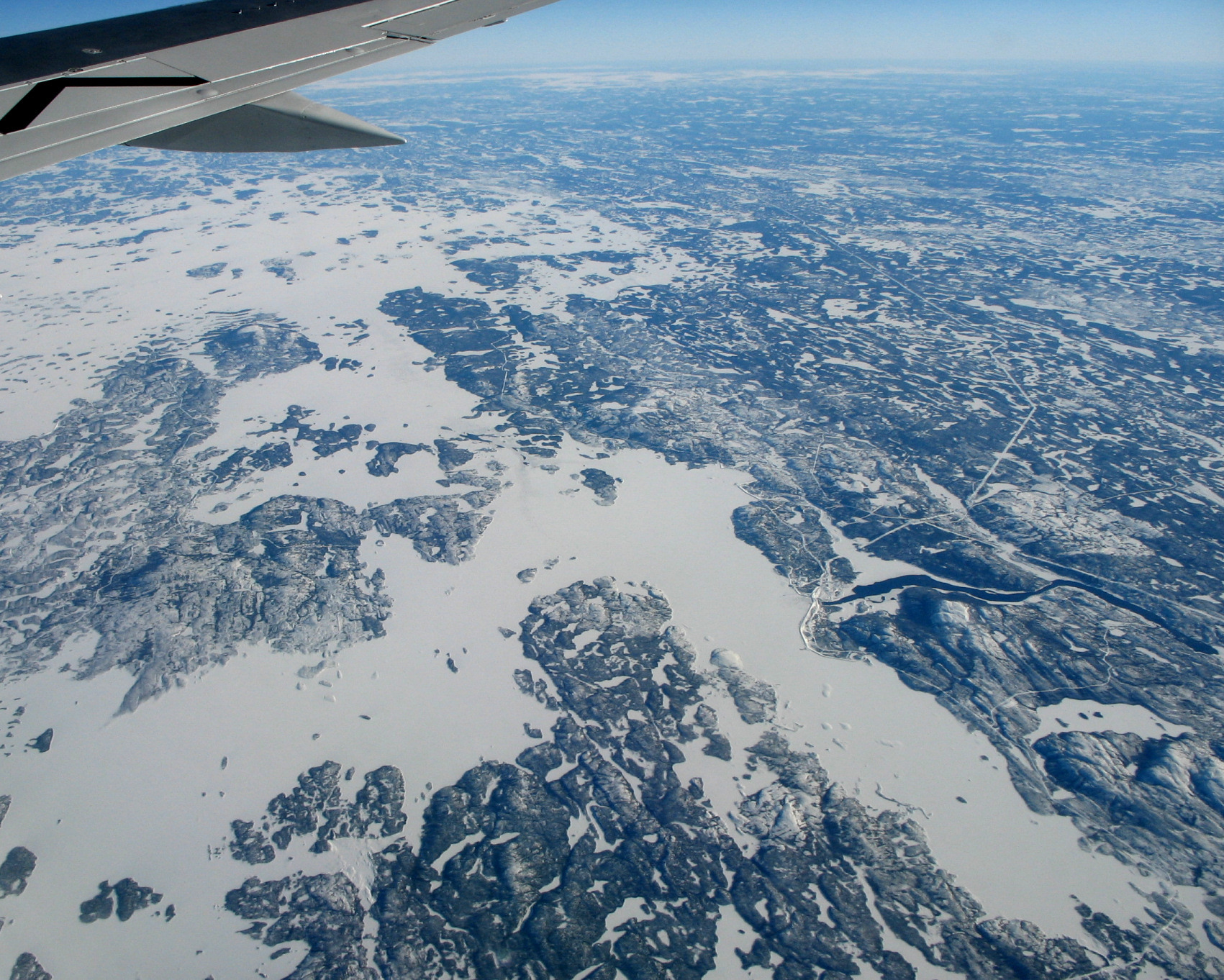
| Winter (November‑March) | Heavy snow, sub‑zero temps, frozen reservoir | Snow‑covered dam, ice‑capped landscape | Offers a dramatic, almost surreal backdrop—perfect for adventurous photographers (note limited road access). |
Top Recommendation: Late June to early September provides the most reliable road conditions, abundant daylight, and the best chance to explore nearby attractions without weather‑related interruptions.
5. What to Expect
Visual Experience
Approaching Laforge‑1, you’ll first notice the massive concrete wall stretching across the valley, its stark lines contrasting against the deep green of the surrounding boreal forest. The reservoir mirrors the sky, creating a serene canvas that changes with the weather—from glass‑like calm to rippling waves during a summer breeze.
Sensory Highlights
- Sounds: The gentle hum of turbines (if audible from the visitor area) blends with the rustle of pine needles and occasional calls of loons.
- Smells: Fresh, crisp air tinged with pine and the faint, metallic scent of water moving through the spillway.
- Touch: Feel the cool mist on a warm day as water cascades over the spillway—an invigorating reminder of the dam’s power.
Activities
- Photography: Capture sunrise over the concrete façade, long‑exposure shots of water flowing through the spillway, or panoramic vistas of the reservoir framed by forested hills.
- Guided Tours: Some local operators offer short, informative tours focusing on hydro‑electric technology and environmental stewardship.
- Hiking & Wildlife Watching: Trails near the dam lead to lookout points where you can spot moose, black bears (from a safe distance), and a variety of bird species, including the majestic bald eagle.
Safety & Etiquette
The dam area is an active industrial site. Stay on designated pathways, respect signage, and keep a safe distance from any operational equipment. Carry a map, wear sturdy shoes, and bring a rain jacket—weather can shift quickly in northern Quebec.
6. Nearby Attractions
While Laforge‑1 is the star, the surrounding region offers several sister dams and points of interest that enrich your travel itinerary:
| Attraction | Distance from Laforge‑1 | Quick Note |
|---|---|---|
| Laforge‑1, Digue LA‑45 | 0.3 km | The very dam you’re visiting—perfect for close‑up exploration. |
| Laforge‑1, Digue LA‑46 | 0.8 km | Another concrete spillway offering a different angle on the reservoir. |
| Laforge‑1, Digue LA‑44 | 0.9 km | Small viewing platform with interpretive signage. |
| Laforge‑1, Digue LA‑47 | 1.5 km | Ideal spot for photographing the dam’s downstream flow. |
| Laforge‑1, Digue LA‑43 | 2.0 km | Slightly more remote, great for quiet contemplation and bird‑watching. |
All of the above links can be accessed via the same Wikipedia page for Laforge‑1 (see the reference above).
Other Regional Highlights
- Chibougamau Lake: A short drive into town reveals a popular fishing spot with cabins and picnic areas.
- Parc régional de la Vallée‑de‑la‑Matsqui: Offers hiking trails that weave through wetlands and forest, perfect for a day‑trip after your dam visit.
- Inuk Museum (Chibougamau): Learn about the Indigenous cultures of the region, their relationship with the land, and the impact of hydro‑electric development.
7. Travel Tips
| Tip | Details |
|---|---|
| Check Road Conditions | Seasonal weather can affect Route 167. Visit the Quebec Ministry of Transport website for real‑time updates before you set out. |
| Bring Binoculars | Wildlife is abundant, especially during spring migration and fall. |
| Pack Layers | Even in summer, evenings can be cool; a lightweight fleece is ideal. |
| Carry Cash | Small towns like Chibougamau may have limited card‑acceptance at roadside vendors. |
| Respect Indigenous Lands | Some areas around the dam are traditional territories. Follow posted guidelines and ask locals if you’re unsure. |
| Stay Charged | Cell service can be spotty; download offline maps (Google Maps or Maps.me) and charge all devices beforehand. |
| Plan for Meals | The nearest restaurants are in Chibougamau. Pack snacks and water for the drive, especially if you plan to hike. |
| Guided Tours | Contact Tours du Nord Québec (online) for a half‑day hydro‑electric tour that includes safety briefing and behind‑the‑scenes insights. |
| Photography Gear | A wide‑angle lens (16‑35 mm) captures the dam’s scale; a telephoto (70‑200 mm) is useful for wildlife. Bring a tripod for low‑light sunrise shots. |
| Leave No Trace | Pack out all trash, stay on marked paths, and avoid disturbing wildlife. |
Ready to Experience Laforge‑1?
From the roar of water spilling over concrete to the quiet hush of the surrounding forest, Laforge‑1 Dam offers a uniquely Canadian adventure that blends engineering marvel with natural splendor. Add it to your Quebec bucket list, pair it with nearby dams and regional attractions, and you’ll return home with a collection of unforgettable memories—and a fresh appreciation for the power of clean energy in the heart of the wilderness.
Happy travels, and may your lens capture every ripple of wonder!