Barrage du lac‑Robertson – A Hidden Gem in the Heart of Québec’s Wilderness
Discover the rugged beauty, engineering marvel, and tranquil surroundings of the Barrage du lac‑Robertson, a 39‑metre‑high dam perched near Saint‑Augustin, Quebec.
Introduction
If you think Québec’s tourism map is limited to bustling Montreal streets or the historic charm of Québec City, think again. Tucked away in the remote wilderness of Saint‑Augustin lies a lesser‑known yet spectacular landmark: Barrage du lac‑Robertson. This 39‑metre‑tall dam not only showcases Canada’s impressive hydro‑engineering heritage but also serves as a gateway to pristine rivers, roaring rapids, and a secluded waterfall just a stone’s throw away. Whether you’re an avid photographer, a nature‑lover, or a curious traveler eager to step off the beaten path, the Barrage du lac‑Robertson offers an unforgettable Québec adventure.
About Barrage du lac‑Robertson
A Brief Overview
- Name: Barrage du lac‑Robertson
- Type: Dam (hydroelectric) 🏗️
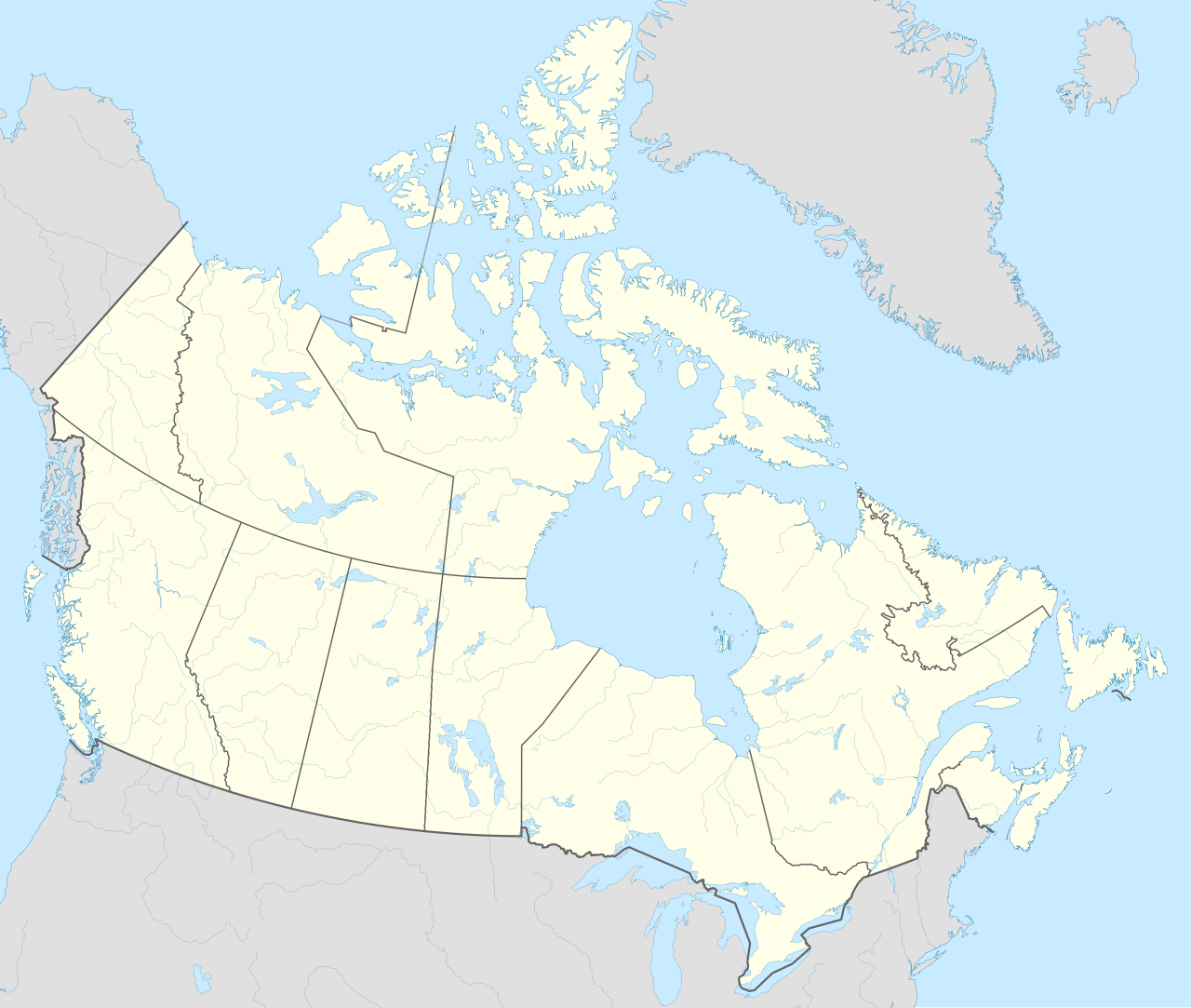
- Location: Saint‑Augustin, Québec, Canada
- Coordinates: 50.998809 N, ‑59.062341 W
- Height: 39 m
The dam is part of the Centrale du Lac‑Robertson hydro‑electric complex, a project that contributes to Québec’s extensive renewable‑energy network. While the exact altitude of the structure remains undocumented, its imposing 39‑metre height dominates the surrounding boreal forest, creating a striking silhouette against the sky.
Historical Context
Constructed in the mid‑20th century during Québec’s push for clean energy, the Barrage du lac‑Robertson helped power remote communities and industrial operations in the Côte‑Nord region. Its strategic placement on the lake’s outlet harnesses the natural flow of water, turning kinetic energy into electricity without the emissions associated with fossil fuels. Over the decades, the dam has become more than an energy source—it is a cultural landmark that reflects Québec’s commitment to sustainable development and engineering excellence.
Why It Matters
- Renewable Energy: The dam contributes to Québec’s reputation as a leader in hydroelectric power, supplying clean electricity to the province.
- Scenic Value: The reservoir created by the dam offers mirror‑like reflections of the surrounding forest, making it a favorite spot for sunrise and sunset photography.
- Ecotourism Potential: Its remote location invites adventure seekers to explore untouched waterways, wildlife habitats, and dramatic landscapes.
How to Get There
By Car
The most flexible way to reach the Barrage du lac‑Robertson is by renting a 4×4 vehicle in Québec City or Montréal and heading north‑east toward Saint‑Augustin. The journey covers roughly 650 km and takes about 7–8 hours, depending on road conditions.
- Take Autoroute 40 East toward Trois‑Rivières.
- Exit onto Route 138 (the scenic coastal highway) and follow signs for Baie‑Comeau.
- Turn onto Route 389 (the “Road of the Iron Ore”)—the main artery that runs through the Côte‑Nord region.
- Follow the local forest road marked “Lac‑Robertson” for the final 15 km of gravel.
Pro tip: Carry a detailed paper map or a reliable offline GPS app, as cellular service can be spotty once you leave the main highways.
By Air
The nearest commercial airports are Québec City Jean‑Lesage International Airport (YQB) and Montréal‑Pierre Elliott Trudeau International Airport (YUL). From either airport, you can charter a small plane to Baie‑Comeau Airport (YBC), which is about 120 km from the dam. From Baie‑Comeau, rent a vehicle and follow the directions above.
By Public Transport
Public transportation to Saint‑Augustin is limited. Bus routes from Québec City to Baie‑Comeau exist, but they do not extend to the dam’s remote location. For most travelers, a rental car remains the most practical option.
Best Time to Visit
| Season | Weather | What to Expect | Why It’s Ideal |
|---|---|---|---|
| Spring (May‑June) | Mild temperatures, melting snow, rising water levels | Lush greenery, active wildlife, full reservoir | Perfect for photography of reflections and early‑season birdwatching. |
| Summer (July‑August) | Warm days (15‑25 °C), long daylight hours | Calm waters, ideal for kayaking and canoeing around the dam | High tourist season, but still relatively uncrowded compared to major parks. |
| Fall (September‑October) | Cool, crisp air, spectacular foliage (reds, oranges) | Dramatic colors, lower water levels exposing rock formations | Best for hikers and photographers seeking vibrant landscapes. |
| Winter (November‑April) | Snow, ice, sub‑zero temps | Frozen reservoir, icy rapids, possible ice‑climbing on the dam’s edge (for experienced adventurers) | Offers a unique, stark beauty; however, road access may be limited. |
Overall recommendation: Late June to early September provides the most comfortable climate and optimal water conditions for water‑based activities.
What to Expect
The Dam Experience
Approaching the Barrage du lac‑Robertson, you’ll first notice the sheer concrete wall rising 39 m above the waterline. The structure is flanked by a modest visitor platform (often used by maintenance crews) that offers panoramic views of the reservoir and the surrounding boreal forest. While there is no official visitor centre, the site is safe to explore, and informational plaques (in French) give a brief overview of the dam’s purpose and history.
Scenic Highlights
- Mirror‑Like Waters: On calm days, the reservoir’s surface acts as a natural mirror, reflecting the sky, trees, and the dam itself—creating picture‑perfect moments.
- Wildlife Encounters: Keep an eye out for loons gliding over the water, beavers building dams downstream, and occasional moose sightings along the shoreline.
- Soundscape: The gentle hum of turbines blends with the rustle of pine needles, offering a soothing soundtrack that contrasts sharply with the roar of nearby rapids.
Activities
- Photography: Sunrise over the dam, misty evenings, and autumn foliage provide endless creative opportunities.
- Kayaking & Canoeing: The reservoir’s calm waters are ideal for paddling; launch points are available near the dam’s base.
- Hiking: Short, unmarked trails wind through the forest, leading to viewpoints of the rapids and the waterfall just a few kilometres away.
- Birdwatching: The area is a stopover for migratory waterfowl during spring and fall.
Nearby Attractions
While the Barrage du lac‑Robertson is the star attraction, the surrounding region boasts several natural wonders that can easily be combined into a day‑trip itinerary.
| Distance | Attraction | Description | Link |
|---|---|---|---|
| 0.2 km | Rapid #1 | A fast‑flowing stretch of water perfect for observing turbulent currents and listening to the roar of nature. | Rapid #1 – Québec Rapids |
| 0.5 km | Rapid #2 | Slightly calmer than the first, this rapid offers a chance to see fish navigating the swift currents. | Rapid #2 – Québec Rapids |
| 1.3 km | Rapid #3 | A wider channel with a series of small drops, ideal for photographers seeking dynamic water movement. | Rapid #3 – Québec Rapids |
| 1.3 km | Rapid #4 | Mirrors Rapid #3 on the opposite bank; great for a short hike to compare water patterns. | Rapid #4 – Québec Rapids |
| 1.4 km | Waterfall | A modest yet picturesque waterfall cascading over granite ledges, surrounded by moss‑covered rocks. | Waterfall – Québec Waterfalls |
Tip: Pack a waterproof bag and sturdy shoes; the terrain near the rapids can be slippery.
Travel Tips
- Dress for the Outdoors – Layered clothing, waterproof boots, and a wind‑proof jacket are essential, especially if you plan to explore the rapids or waterfall.
- Bring a Good Camera – A DSLR or mirrorless camera with a wide‑angle lens will capture the expansive reservoir and dramatic rapids.
- Respect the Environment – The area is a protected natural zone. Pack out all trash, stay on marked paths, and avoid disturbing wildlife.
- Check Road Conditions – The final stretch to the dam is a gravel road that can become muddy in spring or icy in winter. Verify conditions with local authorities or the Centrale du Lac‑Robertson office before departure.
- Stay Safe Near Water – While the reservoir is generally calm, currents near the dam’s spillways can be strong. Supervise children closely and wear life jackets if kayaking.
- Plan for Limited Services – There are no fuel stations or restaurants within a 20‑km radius. Fill up your tank and stock up on food and water in Baie‑Comeau or Saint‑Augustin before heading out.
- Connectivity – Mobile signal is unreliable. Download offline maps and any needed PDFs (e.g., trail guides) beforehand.
Final Thoughts
Barrage du lac‑Robertson may not appear on the typical Québec travel itineraries, but that’s precisely what makes it a treasure for intrepid explorers. From its impressive 39‑metre concrete wall to the surrounding rapids and waterfall, the site offers a blend of engineering marvel and raw natural beauty. By visiting during the warm months, packing the right gear, and respecting the pristine environment, you’ll experience a slice of Québec that few tourists ever see.
Ready to add a hidden dam to your Canadian adventure list? Pack your camera, hit the road, and let the tranquil waters of Lac‑Robertson welcome you.
Keywords: Barrage du lac‑Robertson, dam in Quebec, Saint‑Augustin travel, Québec hydroelectric dam, Québec wilderness, rapids near Lac‑Robertson, Québec waterfall, eco‑tourism Quebec, travel to remote Canada, Quebec outdoor adventure.