Barrage de la Trenche – A Hidden Hydroelectric Gem in Quebec’s Wilderness
If you’re craving an off‑the‑beaten‑path adventure that blends engineering marvels with pristine nature, the Barrage de la Trenche in La Tuque, Quebec, should be at the top of your itinerary. Nestled deep in the boreal forest of the Mauricie region, this 49‑metre‑high dam offers more than just a glimpse of Canada’s hydroelectric legacy—it provides a serene backdrop for photography, wildlife spotting, and quiet contemplation. In this guide, we’ll explore everything you need to know to make the most of your visit, from history and travel logistics to the best time of year to soak in the scenery.
1. About Barrage de la Trenche
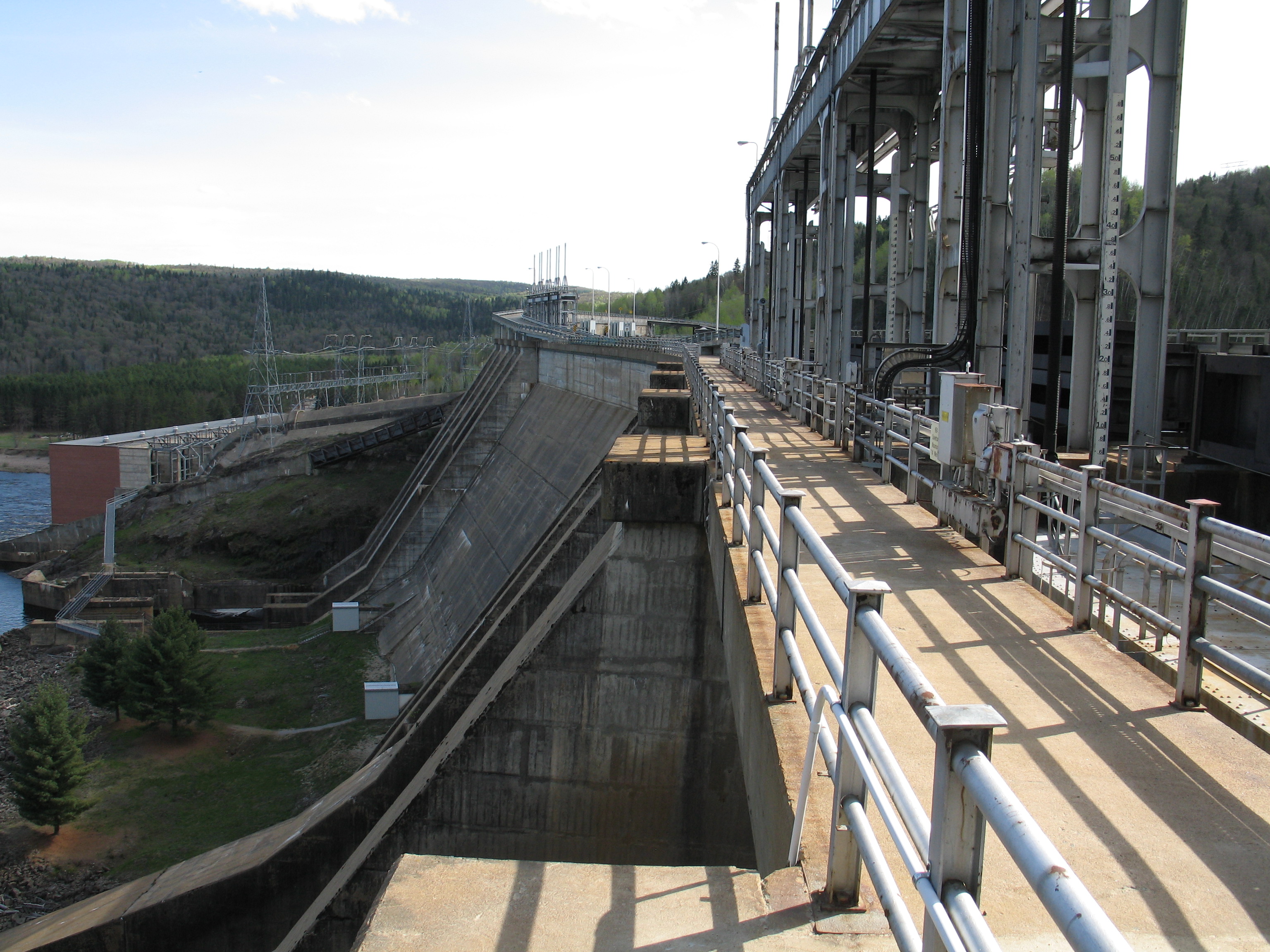
Barrage de la Trenche (also known as the Trenche Power Station) is a hydroelectric dam located at latitude 47.753485 N, longitude ‑72.879116 W, in the municipality of La Tuque, Quebec. Built to harness the power of the Trenche River, the dam stands 49 meters tall and forms part of Hydro‑Québec’s extensive network of renewable energy facilities that supply clean electricity to the province.
A Brief History
The dam’s construction dates back to the mid‑20th century, a period when Quebec embarked on an ambitious hydro‑development program to fuel its growing industrial base. While specific commissioning dates are not publicly detailed, the structure has long served as a critical node in the province’s energy grid, contributing to Quebec’s reputation as a leader in renewable power generation.
Why It Matters
- Renewable Energy: The Trenche facility exemplifies Quebec’s commitment to low‑carbon electricity, reducing reliance on fossil fuels.
- Engineering Significance: Its 49 m height and robust concrete design showcase mid‑century dam‑building techniques that remain reliable today.
- Scenic Value: Surrounded by dense forest, sparkling water, and rugged cliffs, the dam offers a striking visual contrast between human ingenuity and untouched wilderness.
For a deeper dive into the technical aspects, you can visit the French‑language Wikipedia entry: Centrale de la Trenche.
2. How to Get There
By Car
The most straightforward way to reach Barrage de la Trenche is by driving from La Tuque, the nearest major town (population ~13,000). From downtown La Tuque, follow Route 400 northward for roughly 70 km. The road winds through forested terrain, offering occasional pull‑outs for photo stops. Keep an eye out for signage pointing to the dam’s visitor area.
- Parking: A modest, free parking lot sits near the dam’s observation platform. Space is limited, so arrive early during peak seasons (summer weekends).
- Road Conditions: The route is paved but can be slick in early spring or late fall. A vehicle with good ground clearance is recommended, especially after heavy snowfall.
By Public Transport
Public transit options are limited in this remote region. However, Québec Transport operates a seasonal shuttle from La Tuque to the Barrage Matte (2.7 km north), which can be combined with a short taxi ride or bike rental to reach the Trenche dam.
By Air
The La Tuque Airport (YLQ) receives charter and private flights. From the airstrip, you’ll need to rent a car or arrange a local driver for the 70‑km drive.
By Boat
Adventure seekers sometimes explore the Trenche River by kayak or canoe, paddling upstream to get a close‑up view of the dam’s spillways. This option is best for experienced paddlers and requires a thorough safety plan.
3. Best Time to Visit
| Season | Highlights | Weather & Tips |
|---|---|---|
| Summer (June‑August) | Long daylight (up to 16 hrs), vibrant green foliage, perfect for photography and picnics. | Temperatures 20‑28 °C. Mosquito repellent recommended. |
| Fall (September‑October) | Brilliant orange and red canopy, lower visitor numbers, crisp air ideal for hiking. | Temps 10‑18 °C. Dress in layers; early snow possible in high ground. |
| Winter (November‑March) | Snow‑covered landscape, chance to see the dam’s ice formations, cross‑country ski trails nearby. | Sub‑zero temps; road may require chains. |
| Spring (April‑May) | Thawing rivers, migratory birds returning, blooming wildflowers. | Variable weather; watch for flooding after snow melt. |
Peak visitor months are July and August, so if you prefer solitude, aim for late September or early May.
4. What to Expect
Scenic Views
The dam’s concrete wall rises dramatically from the river, framed by towering pines and occasional rocky outcrops. The observation platform offers panoramic vistas of the reservoir, which stretches for several kilometres upstream. Sunrise and sunset light the water with golden hues—ideal for Instagram‑ready shots.
Wildlife Encounters
The surrounding boreal forest is home to moose, black bears, beavers, and a variety of bird species (including loons and great blue herons). Early mornings are the best time for wildlife spotting, but always keep a safe distance, especially from large mammals.
Soundscape
You’ll hear the gentle hum of turbines, the rush of water over spillways, and the chorus of forest birds. The acoustic environment is surprisingly tranquil, making it a perfect spot for meditative walks or a quiet picnic.
Visitor Facilities
- Interpretive Signage: Brief panels explain the dam’s role in Quebec’s power grid and the basics of hydroelectric generation.
- Picnic Area: Benches and a small table are positioned near the water’s edge.
- Restrooms: Basic facilities are available; they are seasonal and may be closed in winter.
Note: There is no guided tour of the interior power station for the general public, but the exterior area is fully accessible.
5. Nearby Attractions
While the Barrage de la Trenche can easily fill a half‑day, the surrounding region boasts several other points of interest within a short drive:
| Attraction | Distance | What to See |
|---|---|---|
| Barrage Matte | 2.7 km | Another hydroelectric dam with a scenic overlook; great for comparative photography. |
| Barrage du Rapide‑Blanc | 8.5 km | A larger dam complex featuring the Centrale de Rapide‑Blanc; offers interpretive tours during summer. |
| Centrale de Rapide‑Blanc | 8.5 km | Historic power station showcasing early 20th‑century engineering. |
| (Unnamed dam) | 7.8 km | A lesser‑known structure; ideal for explorers who love discovering hidden sites. |
| (Unnamed rapids) | 8.3 km | Fast‑moving water ideal for experienced kayakers seeking a thrill. |
All these spots are reachable via Route 400 and make for an excellent dam‑themed day trip. Remember to check seasonal access, as some areas may be closed during heavy snow or spring melt.
6. Travel Tips
- Pack Smart – Bring sturdy walking shoes, layered clothing, a reusable water bottle, and insect repellent (especially in summer).
- Safety First – The dam’s spillways can be slippery; stay behind safety railings and keep children supervised.
- Respect the Environment – This is a protected watershed. Pack out all trash and avoid disturbing wildlife.
- Fuel Up Early – Gas stations are sparse between La Tuque and the dam; fill up in town before heading out.
- Check Road Conditions – Quebec’s Ministry of Transport provides real‑time updates on Route 400, especially important in winter.
- Timing for Photography – The “golden hour” (30 minutes after sunrise or before sunset) offers the most dramatic lighting on the dam and water.
- Local Cuisine – Stop in La Tuque for a hearty poutine or fresh wild‑caught fish at a local bistro; it’s the perfect fuel for your adventure.
7. Wrap‑Up: Why Barrage de la Trenche Should Be on Your Quebec Bucket List
The Barrage de la Trenche isn’t just a functional piece of infrastructure; it’s a portal into Quebec’s commitment to clean energy, a showcase of mid‑century engineering, and a tranquil natural oasis waiting to be explored. Whether you’re a photography enthusiast, a nature lover, or a curious traveler eager to see how Canada powers its cities, this dam offers a unique, low‑crowd experience that blends education with awe‑inspiring scenery.
So pack your bags, chart your route, and set your compass for La Tuque. The roar of turbines, the whisper of the forest, and the glimmer of the reservoir will welcome you to a side of Quebec that most tourists never see—yet one that will stay etched in your memory long after you’ve left the Canadian wilderness behind. Safe travels!