Barrage de la Chute‑Allard – A Hidden Gem in Quebec’s Wild Heart
Discover the rugged beauty, engineering marvel, and outdoor adventure that surround this 17‑metre dam in La Tuque, Quebec.
Introduction
If you think Quebec’s tourism is limited to bustling Montreal streets or the historic charm of Québec City, think again. Tucked deep in the forest‑covered wilderness of the Mauricie region lies Barrage de la Chute‑Allard, a modest‑sized dam that packs a punch of natural drama and engineering intrigue. Whether you’re a road‑trip enthusiast, a photography lover, or a hydro‑energy geek, this off‑the‑beaten‑path site offers a perfect blend of scenery, history, and outdoor fun—without the crowds that swarm the more famous Canadian landmarks.
About Barrage de la Chute‑Allard
What Is It?
- Type: Hydroelectric dam (🏗️)
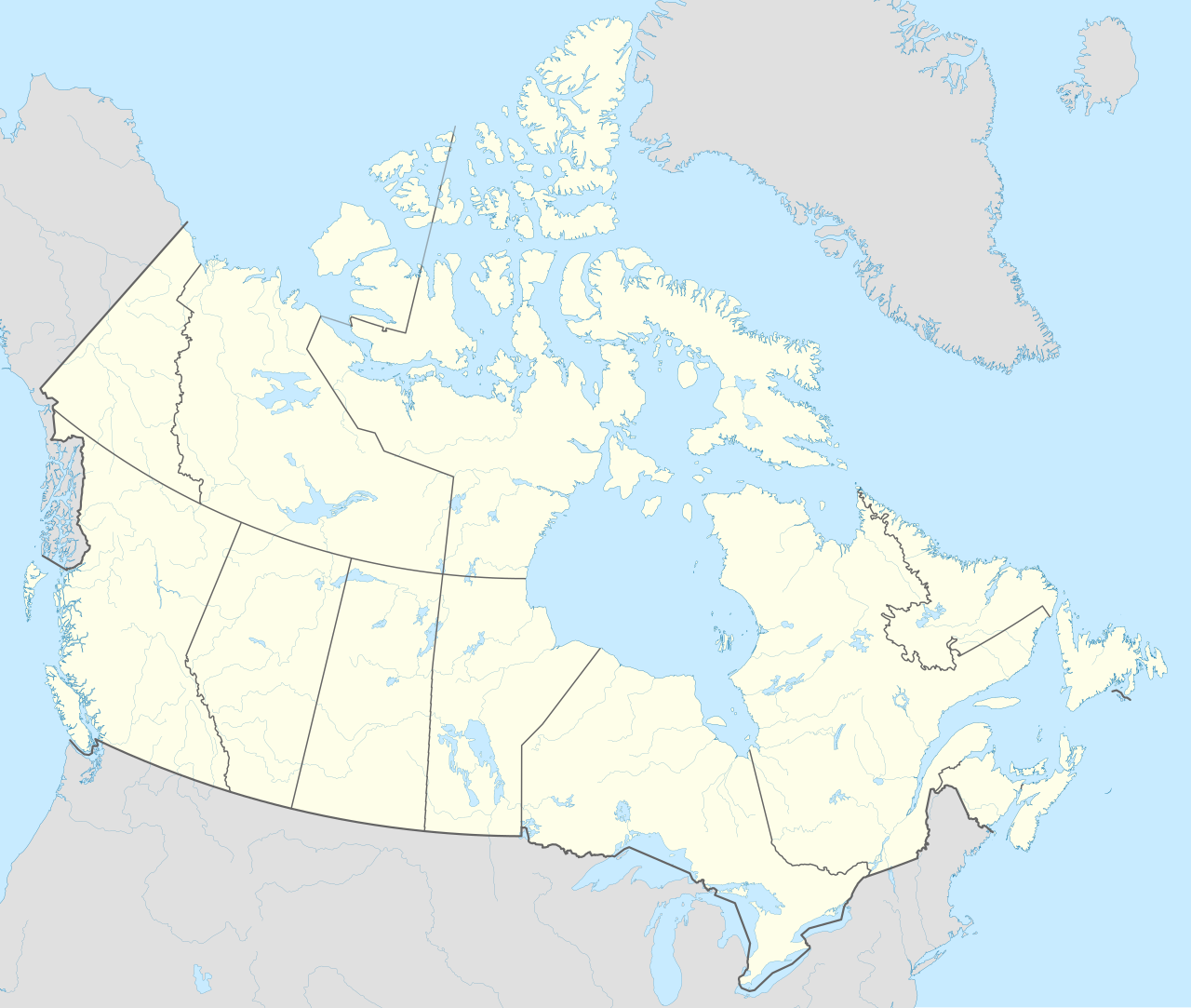
- Location: La Tuque, Quebec, Canada – coordinates 47.892914, ‑73.718497
- Height: 17 m (about a five‑storey building)
- Operator: Part of the Centrale de la Chute‑Allard hydro‑electric complex, managed by Hydro‑Québec
The dam sits on the Saint‑Maurice River, a waterway that carves through dense boreal forest and feeds a series of rapids and waterfalls. Though the structure itself is modest compared with the massive Manic‑5 or La Grande projects, its role in the regional power grid is vital. The generated electricity helps sustain communities across the Mauricie and Centre‑du‑Québec regions, embodying Quebec’s commitment to clean, renewable energy.
A Brief History
The Centrale de la Chute‑Allard was commissioned in the early 1990s as part of Hydro‑Québec’s expansion of small‑scale hydro plants. Built to harness the natural drop of the Saint‑Maurice River, the dam’s construction required careful environmental assessments to preserve the surrounding wildlife corridors. Since its opening, the facility has operated with a relatively low ecological footprint, showcasing how modern engineering can coexist with pristine nature.
Why It Matters
- Renewable Energy: Contributes to Quebec’s reputation as a leader in hydroelectric power, delivering clean electricity to thousands of homes.
- Ecotourism Hub: The dam’s proximity to waterfalls, rapids, and forest trails makes it a natural stop for hikers, kayakers, and wildlife observers.
- Cultural Significance: The site reflects the historic relationship between Quebec’s Indigenous peoples, early European settlers, and the river that has long been a transportation artery.
For a deeper dive into the technical details, check out the French Wikipedia entry: Centrale de la Chute‑Allard.
How to Get There
By Car
The most convenient way to reach Barrage de la Chute‑Allard is by road. From Montreal, take Autoroute 40 east to Autoroute 55, then follow signs for Route 155 northbound toward La Tuque. The drive is roughly 3.5 hours (≈ 300 km) and offers scenic views of the Laurentian Mountains and the Saint‑Maurice River valley.
- Turn off at kilometer marker 215 on Route 155 for the Chemin du Barrage (Dam Road).
- Follow the paved road for about 5 km; the dam’s parking lot is clearly marked with a Hydro‑Québec sign.
By Public Transit
- Via Rail runs a daily train from Montreal to La Tuque station. From there, you’ll need a rental car or a local taxi (approximately 15 minutes) to reach the dam.
- Bus options are limited; the Intercar network connects Quebec City to La Tuque, but you’ll still need a vehicle for the final stretch.
By Air
The nearest commercial airport is Trois‑Rivières Airport (YRIV), about 120 km south. From the airport, rent a car and follow the same Route 155 directions.
Parking & Accessibility
A modest free parking lot (capacity ~30 cars) sits adjacent to the dam’s visitor area. The site is wheelchair‑friendly with paved pathways, though the surrounding forest trails are more rugged and better suited for sturdy hiking boots.
Best Time to Visit
| Season | Highlights | Weather & Tips |
|---|---|---|
| Spring (April‑June) | Snowmelt swells the river, creating spectacular rapids and a vibrant waterfall display. | Temperatures 5‑15 °C; bring waterproof jackets and insect repellent. |
| Summer (July‑August) | Long daylight hours (up to 16 h) perfect for kayaking, photography, and wildlife spotting. | Warm days 20‑27 °C; pack sunscreen, hat, and plenty of water. |
| Fall (September‑October) | Autumn foliage paints the forest in reds and golds; water flow steadies, offering clear views of the dam. | Cool evenings 5‑12 °C; ideal for hiking and birdwatching. |
| Winter (November‑March) | Snow‑covered landscape creates a serene, almost mystical atmosphere; ice‑climbing opportunities on nearby cliffs. | Sub‑zero temps; road conditions may require snow tires or chains. |
Peak visitor months are July and August, but if you crave solitude, early September or late May provide a perfect balance of pleasant weather and fewer crowds.
What to Expect
The Dam Experience
Approaching Barrage de la Chute‑Allard, you’ll first notice the sleek concrete wall cutting through the river’s flow. The water rushes over the 17‑metre drop, generating a constant, thunderous roar that can be heard from the parking area. While the interior of the hydro plant is not open to the public, Hydro‑Québec offers an interpretive panel near the viewing platform that explains how the turbines convert kinetic energy into electricity.
Scenic Views
- Panoramic River Vista: From the observation deck, you can see the Saint‑Maurice River winding downstream, flanked by towering spruce and fir trees.
- Waterfall Proximity: A short 0.3 km walk leads you to a waterfall that cascades over rugged rock—perfect for a quick photo stop.
- Rapids Galore: The same short distance brings you to four distinct rapids (each also 0.3 km away), offering thrilling sights for adventure seekers and a chance to hear the river’s powerful chatter.
Activities
- Kayaking & Canoeing: The calm pool upstream of the dam is ideal for beginners, while the downstream rapids attract seasoned paddlers. Local outfitters in La Tuque rent gear and provide guided tours.
- Hiking: A network of marked forest trails (2‑5 km loops) circles the dam, featuring interpretive signs about local flora, fauna, and the region’s logging history.
- Photography: Early morning light filters through the canopy, creating dramatic silhouettes of the dam’s structure against the misty waterfall.
Nearby Attractions
While the dam itself is a highlight, the surrounding area offers several natural wonders within a short walk:
| Attraction | Distance | What to See | Link |
|---|---|---|---|
| Waterfall | 0.3 km | A 15‑meter cascade dropping into a crystal‑clear pool. Ideal for a quick dip in summer. | Waterfall (Map) |
| Rapids #1 | 0.3 km | Fast‑moving water perfect for white‑water enthusiasts. | Rapids #1 (Map) |
| Rapids #2 | 0.3 km | Slightly calmer than #1, great for family-friendly canoeing. | Rapids #2 (Map) |
| Rapids #3 | 0.3 km | A narrow gorge with dramatic rock formations. | Rapids #3 (Map) |
| Rapids #4 | 0.3 km | The most powerful of the quartet, a favorite spot for local photographers. | Rapids #4 (Map) |
| Additional Dam | 0.3 km | A smaller auxiliary dam that showcases historic water‑management techniques. | Auxiliary Dam (Map) |
(All links lead to an interactive map on the La Tuque tourism website.)
Travel Tips
- Language: French is the primary language in Quebec. Carry a pocket phrasebook or use a translation app for smooth interactions.
- Currency: Canada uses the Canadian dollar (CAD). Credit cards are widely accepted, but keep some cash for remote vendors.
- Safety First: The river’s currents can be strong, especially after spring melt. Stay on marked paths, heed warning signs, and never attempt to swim near the rapids without a guide.
- Wildlife Awareness: Moose, black bears, and beavers inhabit the forest. Keep a safe distance, store food securely, and carry bear‑spray if you plan extended hikes.
- Cell Service: Coverage can be spotty near the dam. Download offline maps (e.g., Google Maps offline area) before you arrive.
- Leave No Trace: Pack out all trash, stay on designated trails, and respect the natural environment to preserve this pristine spot for future travelers.
- Timing Your Visit: Arrive early (7‑8 am) during summer to avoid the midday heat and capture the best light for photography.
- Local Eats: Stop in La Tuque for a hearty poutine or fresh smoked salmon—both are local specialties.
Wrap‑Up
Barrage de la Chute‑Allard may not appear on every travel brochure, but that’s precisely why it feels like a secret treasure. Its blend of engineering marvel, raw river power, and surrounding wilderness creates a multifaceted experience that satisfies both the curious mind and the adventurous spirit. Pack your camera, bring a sturdy pair of boots, and set your GPS to 47.892914, ‑73.718497—Quebec’s hidden dam awaits.
Happy travels, and may the roar of the Saint‑Maurice River inspire your next great adventure!