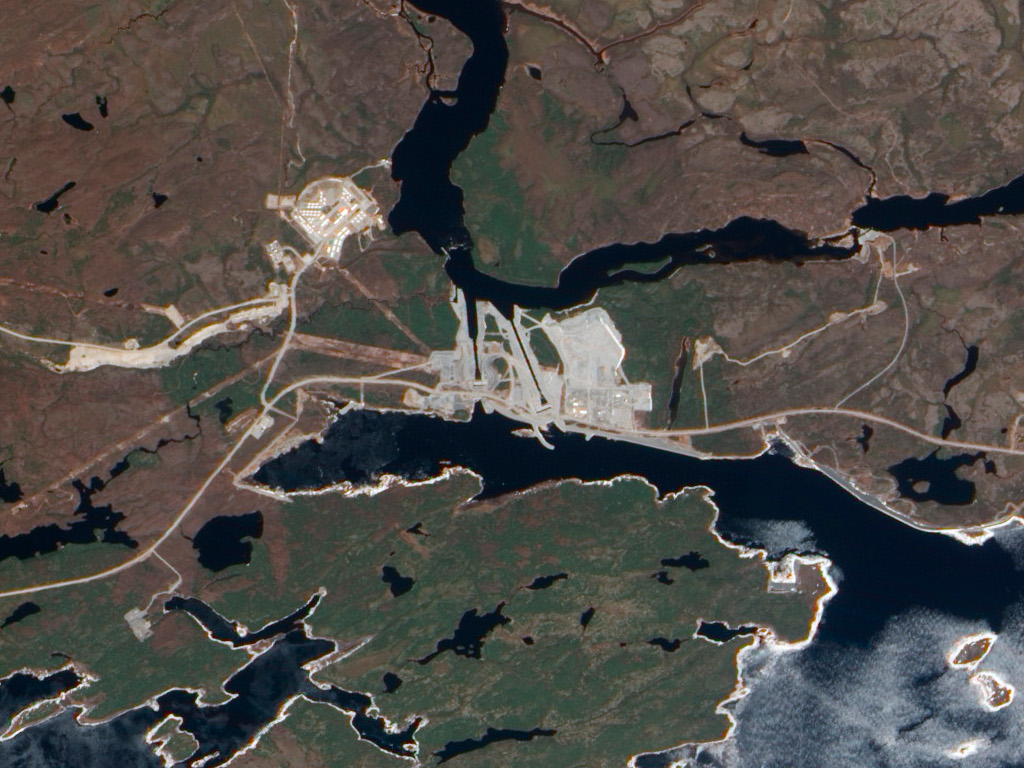
Discover Barrage Bernard‑Landry: Quebec’s Hidden Hydroelectric Gem
If you think Quebec’s travel highlights are limited to historic Old Quebec, the Laurentians, or the icy wonder of the Ice Hotel, think again. Tucked in the remote wilderness of Chap‑Chapais lies a modern marvel of engineering and nature – the Barrage Bernard‑Landry. This impressive dam not only powers a vital part of the province’s clean‑energy grid, it also offers an off‑the‑beaten‑path adventure for curious travelers, photographers, and eco‑enthusiasts.
1. Introduction
Imagine standing on a concrete crest that stretches over a turquoise river, the scent of pine in the air, and the distant hum of turbines converting water into electricity. That’s the experience at Barrage Bernard‑Landry, a key component of the Eastmain‑1 hydro‑electric project in northern Quebec. While the dam itself is a functional piece of infrastructure, the surrounding landscape – rugged boreal forest, pristine lakes, and the subtle roar of water – creates a dramatic backdrop that rivals any tourist hotspot.
For road‑trippers, outdoor photographers, and anyone fascinated by sustainable energy, this dam is an unexpected yet rewarding stop on a Quebec adventure.
2. About Barrage Bernard‑Landry
- Location: Chapais, Quebec, Canada – coordinates 52.189188, ‑75.886867
- Type: Concrete hydro‑electric dam (part of the Eastmain‑1 complex)
- Height & Altitude: Not publicly disclosed, but the structure is built to handle the powerful flow of the Eastmain River.
History & Sign‑ificance
The Barrage Bernard‑Landry is named in honor of Bernard Landry, former Premier of Quebec and a staunch advocate for the province’s renewable‑energy future. The dam forms part of the larger Eastmain‑1 development, a project that began in the early 2000s to harness the Eastmain River’s capacity for clean electricity.
Strategically positioned near the community of Chapais, the dam supplies power to both local residents and the broader provincial grid, reducing reliance on fossil fuels and supporting Quebec’s reputation as a leader in hydro‑electric generation.
Why It Matters
- Renewable Energy: Contributes several hundred megawatts of green electricity.
- Economic Impact: Provides jobs during construction and ongoing operations, boosting the local economy of Chapais and surrounding Cree territories.
- Environmental Stewardship: Part of a project that includes extensive wildlife monitoring and water‑flow management to protect the region’s delicate ecosystem.
3. How to Get There
By Air
The closest gateway is Chapais Airport (YMT), a small regional airport with regular flights from Québec City and Montreal via Air Canada Express. From the terminal, it’s a short 10‑minute drive to the dam’s visitor viewpoint.
By Car
If you prefer a road trip, here are two popular routes:
| Starting Point | Approx. Distance | Driving Time | Main Highway |
|---|---|---|---|
| Québec City | ~ 720 km | 9–10 h | Route 117 north → Route 113 → Route 109 to Chapais |
| Montreal | ~ 830 km | 10–11 h | Autoroute 40 east → Route 117 north → Route 113 → Route 109 |
The drive takes you through the stunning Laurentian Mountains, dense boreal forests, and several small towns where you can stop for a bite of local cuisine (think fresh‑caught fish and hearty tourtière).
Public Transport
There is limited bus service to Chapais; most travelers opt for a rental car or a guided tour that includes transportation from major cities.
4. Best Time to Visit
| Season | What to Expect | Why Visit |
|---|---|---|
| Summer (June‑August) | Long daylight hours, warm (15‑25 °C), vibrant green foliage. Ideal for photography and short hikes along the riverbank. | Perfect weather for exploring the dam’s viewpoint and spotting wildlife such as moose and loons. |
| Fall (September‑October) | Brilliant foliage (reds, oranges, golds). Cooler temps (5‑15 °C). | The contrast of colorful trees against the concrete structure makes for striking images. |
| Winter (December‑February) | Snow‑covered landscape, temperatures often below ‑15 °C. The dam’s turbines create a mesmerizing mist in the cold air. | For the adventurous, winter offers a serene, almost mystical atmosphere; be prepared for icy conditions. |
| Spring (April‑May) | Melting snow, rising river levels, abundant bird activity. | Witness the river’s surge as the dam regulates flow—great for those interested in hydro‑electric operations. |
Tip: The most comfortable visiting window is late June through early September, when road conditions are reliable and daylight exceeds 14 hours.
5. What to Expect
The Visitor Experience
- Scenic Viewpoint: A designated parking area and short, well‑maintained trail lead to a safe overlook where you can see the dam’s crest, spillway, and the Eastmain River coursing below.
- Interpretive Signage: Panels explain the dam’s role in the Eastmain‑1 project, the basics of hydro‑electric power, and the environmental safeguards in place.
- Photography Opportunities: Capture the juxtaposition of modern engineering against untouched wilderness. Sunrise and sunset are especially dramatic, as the low sun lights up the water’s spray.
- Wildlife Spotting: Keep an eye out for beavers building dams upstream, and for the occasional bald eagle soaring overhead.
Safety & Access
Because Barrage Bernard‑Landry is an active hydro‑electric facility, certain areas are restricted. Visitors must stay on marked paths and respect any posted signage. No swimming or boating is allowed near the spillway.
6. Nearby Attractions
While the dam is the star of the show, the surrounding area offers several other points of interest that can be combined into a full‑day itinerary:
- Régulateur de crue Eastmain‑1 (Dam) – Just 0.4 km away, this flood‑control structure showcases the engineering that protects downstream communities.
- Eastmain‑1, Digue LE‑6 (Dam) – 0.6 km from the main dam, the LE‑6 dike offers a quiet spot for birdwatching.
- Eastmain‑1, Digue LE‑8 (Dam) – 1.0 km away, this dike provides a short walking loop with interpretive panels on water management.
- Eastmain‑1, Digue LE‑8A (Dam) – 1.4 km away, a great viewpoint for sunrise photography.
- Eastmain‑1, Digue LE‑9 (Dam) – 2.5 km away, the furthest of the cluster, perfect for a gentle hike ending at a small picnic area.
All of these sites are reachable on foot or by a short drive, making them ideal for a self‑guided “dam tour” that highlights Quebec’s commitment to sustainable infrastructure.
7. Travel Tips
| Tip | Details |
|---|---|
| Dress in layers | Weather can shift quickly, especially near the water. Bring a waterproof jacket, insulated layers, and sturdy hiking boots. |
| Bring binoculars | The area is a haven for birds and wildlife; a pair of binoculars enhances the experience. |
| Check road conditions | In winter, sections of Route 109 may be icy. Consult Québec 511 for real‑time updates. |
| Carry cash | Small towns around Chapais may have limited card‑payment options at local cafés and souvenir shops. |
| Respect the environment | Pack out all trash, stay on marked trails, and avoid disturbing wildlife. |
| Plan for limited cell service | The remote location means spotty reception. Download offline maps (Google Maps or Maps.me) before you go. |
| Guided tours | Several local outfitters offer half‑day tours that include a safety briefing, a walk to the dam, and a talk by an engineer. Book in advance during peak summer months. |
| Photography | Bring a polarizing filter to reduce glare on the water, and a tripod for low‑light sunrise or sunset shots. |
Final Thought
Barrage Bernard‑Landry may not appear on the typical tourist brochure, but for the intrepid traveler it offers a rare glimpse into Quebec’s modern energy story set against a backdrop of raw, untouched nature. Whether you’re a photography buff chasing the perfect light, a sustainability enthusiast eager to see hydro‑electric power up close, or simply someone looking for a quiet spot away from the crowds, this dam and its surrounding landscape promise an unforgettable experience.
Pack your camera, hit the road, and let the quiet power of the Eastmain River inspire your next adventure in the heart of Quebec’s wilderness.
Keywords: Barrage Bernard‑Landry, Quebec dam, Eastmain‑1 hydroelectric, Chapais travel, Quebec attractions, hydro‑electric dam tour, sustainable tourism Quebec, Northern Quebec road trip, Canadian dam sightseeing