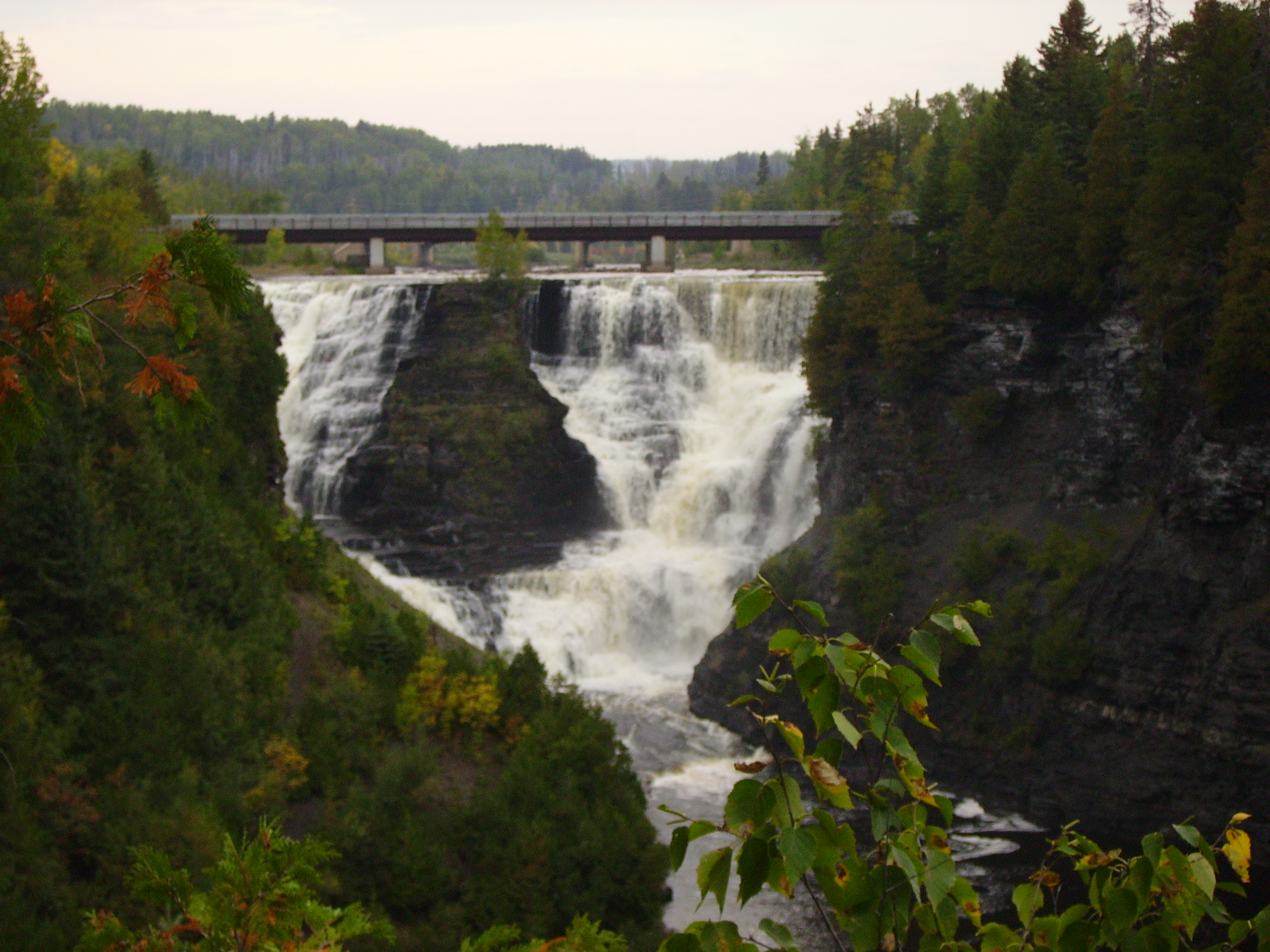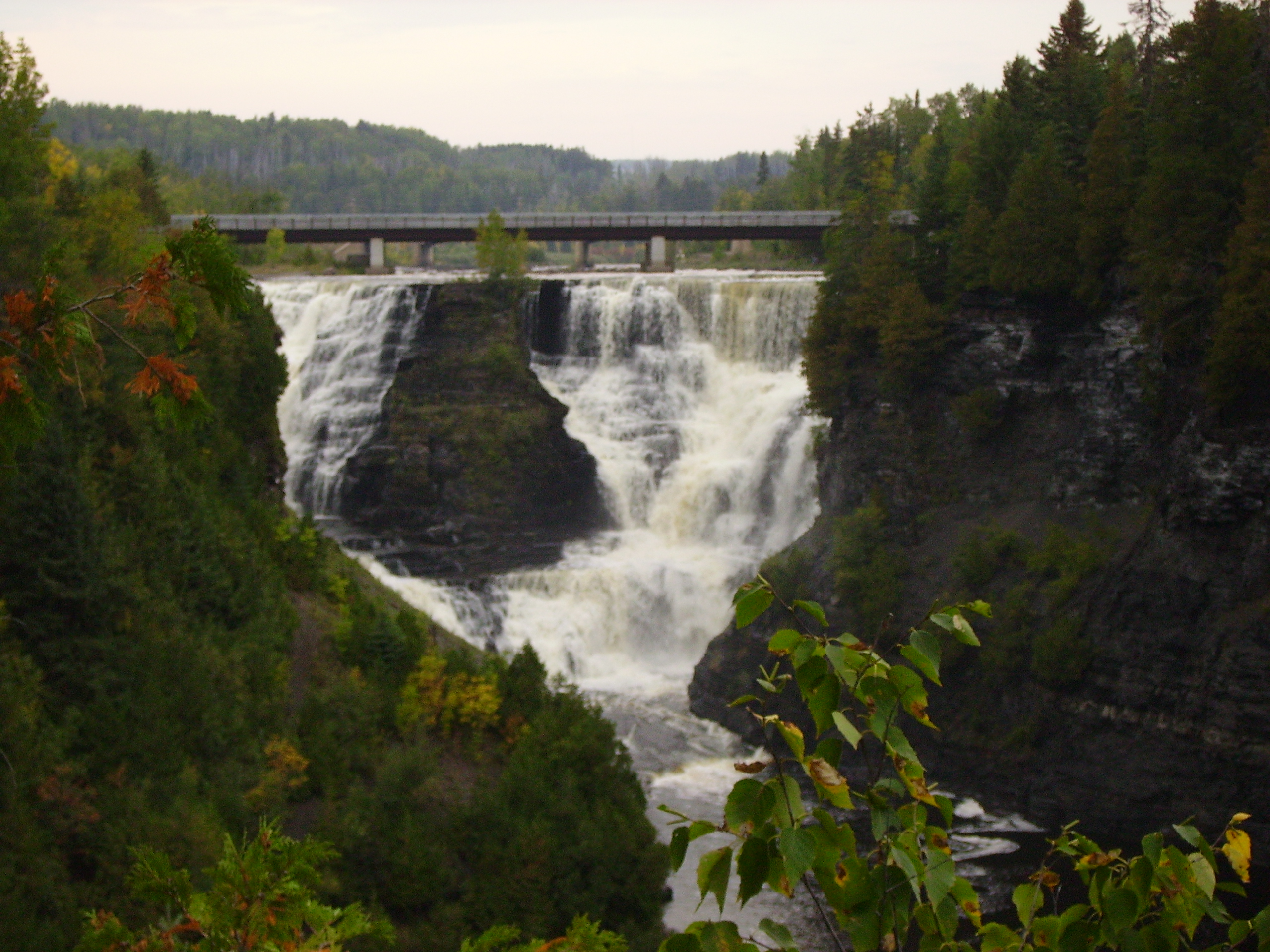
Kakabeka Falls – Ontario’s Majestic “Niagara of the North”
If you’ve ever dreamed of standing beside a thunderous cascade framed by rugged Canadian wilderness, Kakabeka Falls should be at the top of your bucket list. Nestled in the heart of Neebing, Ontario, this spectacular waterfall (often nicknamed the “Niagara of the North”) offers a perfect blend of natural drama, cultural history, and outdoor adventure—all within a short drive of Thunder Bay. Whether you’re a seasoned hiker, a family on a weekend getaway, or a photographer hunting that perfect mist‑kissed shot, Kakabeka Falls delivers an unforgettable experience.
About Kakabeka Falls
Kakabeka Falls is a waterfall located at coordinates 48.402881, -89.625476 in the municipality of Neebing, Ontario, Canada. The falls sit within the Kakabeka Falls Provincial Park, a protected area that preserves the surrounding boreal forest, river gorge, and Indigenous heritage sites.
A Brief History
The name “Kakabeka” comes from the Ojibwe word gakabaakaa, meaning “the water that goes over the cliff.” For centuries, the falls were a sacred gathering place for the Anishinaabe peoples, who used the powerful river for transportation, fishing, and spiritual ceremonies. In the 19th century, European settlers recognized the falls’ potential for hydro‑power, and a small dam was constructed nearby (about 1.4 km away). Today, the area balances its industrial past with a strong commitment to conservation and cultural interpretation.
Why It Matters
Beyond its sheer beauty, Kakabeka Falls serves as a living classroom. The park’s interpretive centre offers exhibits on the geological forces that carved the gorge, the region’s flora and fauna, and the rich Indigenous stories tied to the water. The waterfall also plays a crucial role in the local ecosystem, supporting fish habitats and providing a natural corridor for wildlife.
How to Get There
By Car
The most convenient way to reach Kakabeka Falls is by driving. From Thunder Bay, follow Highway 11/17 (the Trans‑Canada Highway) west for roughly 30 km, then take the exit for Kakabeka Falls Road. The turn‑off leads directly to the park’s main parking lot, just a few minutes from the falls’ observation decks.
By Public Transit
While there is no dedicated train service to the falls, Thunder Bay Transit offers a seasonal “Falls Express” bus that departs from downtown Thunder Bay during peak summer weekends. Check the latest schedule on the Thunder Bay Transit website before you travel.
By Air
The nearest airport is Thunder Bay International Airport (YQT), located about 40 km east of the falls. From the airport, you can rent a car or arrange a shuttle service to Kakabeka Falls Provincial Park.
Parking & Accessibility
The park provides a spacious, free parking lot with plenty of spaces for cars, RVs, and buses. Wheelchair‑accessible pathways lead to several viewing platforms, ensuring that everyone can enjoy the roar of the water.
Best Time to Visit
| Season | What to Expect | Why Visit |
|---|---|---|
| Spring (April‑May) | Snowmelt swells the river, creating a powerful flow and vibrant green surroundings. | Ideal for photographers chasing dramatic mist and rainbow effects. |
| Summer (June‑August) | Warm weather, longer daylight hours, and fully open park facilities. | Perfect for family picnics, hiking, and swimming in the designated beach area. |
| Fall (September‑October) | Brilliant foliage paints the gorge in reds, oranges, and golds. | A quieter experience with spectacular leaf‑changing scenery. |
| Winter (November‑March) | The falls often freeze into icy sculptures; the park offers cross‑country ski trails. | For adventurous souls seeking a frosty, otherworldly landscape. |
Peak visitor months are June through August, so if you prefer fewer crowds, consider early September or late May.
What to Expect
The Falls Itself
As you approach the viewing platform, the roar of water grows louder, and a fine mist kisses your face. Though the exact height isn’t listed here, the cascade drops dramatically over a sheer rock face, creating a curtain of water that can be seen from miles away. On sunny days, the mist often forms vivid rainbows—a favorite photo‑op for Instagrammers.
Trails & Activities
- Falls Trail – A short, paved loop that takes you to multiple viewpoints, perfect for families and casual walkers.
- Gorge Trail – A more rugged, 3 km hike that descends into the river gorge, offering close‑up perspectives of the waterfall’s geology.
- Picnic Areas – Shaded tables and grills are scattered near the riverbank, making it easy to enjoy a packed lunch while listening to the water’s rhythm.
- Interpretive Centre – Interactive displays explain the natural history and Indigenous heritage of the area.
- Winter Sports – When the river freezes, cross‑country ski trails and snowshoe routes open up, giving the park a serene, white‑washed charm.
Wildlife & Plant Life
Keep an eye out for loons gliding over the lake, beavers busy at their dams, and a variety of songbirds nesting in the surrounding forest. In spring, wildflowers such as trilliums and lady’s slippers add splashes of color along the trail edges.
Nearby Attractions
While Kakabeka Falls is the star attraction, the surrounding area offers several complementary experiences:
- Kakabeka Falls Provincial Park – Just 0.1 km away, the park is home to the falls, hiking trails, and the interpretive centre.
- Kakabeka Falls – Whispering Hills Campground – Only 0.8 km away, this family‑friendly campground provides RV sites, cabins, and a lakeside beach.
- Kakabeka Dam – Located about 1.4 km from the falls, the dam offers a glimpse into the region’s hydro‑electric history.
- Little Falls – Another charming waterfall just 1.4 km away, ideal for a quick side‑trip or a quieter spot for photography.
All of these sites are easily reachable by foot or a short drive, allowing you to pack a full day of exploration around your visit to Kakabeka Falls.
Travel Tips
| Tip | Details |
|---|---|
| Arrive Early | Summer weekends can get busy. Arriving before 9 am secures a good parking spot and a quieter viewing experience. |
| Dress in Layers | The mist can make the air feel cooler, even on hot days. A light waterproof jacket is a smart addition. |
| Bring Binoculars | Birdwatchers will appreciate a pair for spotting loons, hawks, and other wildlife. |
| Stay Hydrated | There are water fountains at the parking lot, but carrying a reusable bottle is eco‑friendly. |
| Check Trail Conditions | Winter and early spring can make some trails slippery. The park’s website posts real‑time updates. |
| Respect Cultural Sites | Some interpretive displays highlight sacred Indigenous locations—observe any posted signage and stay on designated paths. |
| Leave No Trace | Pack out all trash, and use the provided recycling bins. The park’s pristine environment depends on responsible visitor behavior. |
| Photography Gear | A polarizing filter helps reduce glare from the water, while a wide‑angle lens captures the full scope of the gorge. |
| Plan for Meals | While the park has picnic tables, there are limited food vendors. Consider packing a lunch or visiting the nearby Whispering Hills Campground for a snack bar. |
| Mobile Connectivity | Service can be spotty in the gorge. Download offline maps (e.g., Google Maps offline area) before you arrive. |
Final Word
Kakabeka Falls isn’t just another waterfall on the map—it’s a living, breathing showcase of Ontario’s natural grandeur, cultural depth, and outdoor spirit. From the thunderous plunge that echoes through the canyon to the tranquil trails that wind along its banks, every moment spent here feels like stepping into a storybook scene. Pack your camera, lace up your boots, and set your compass for Kakabeka Falls—the “Niagara of the North” is waiting to welcome you. Safe travels!