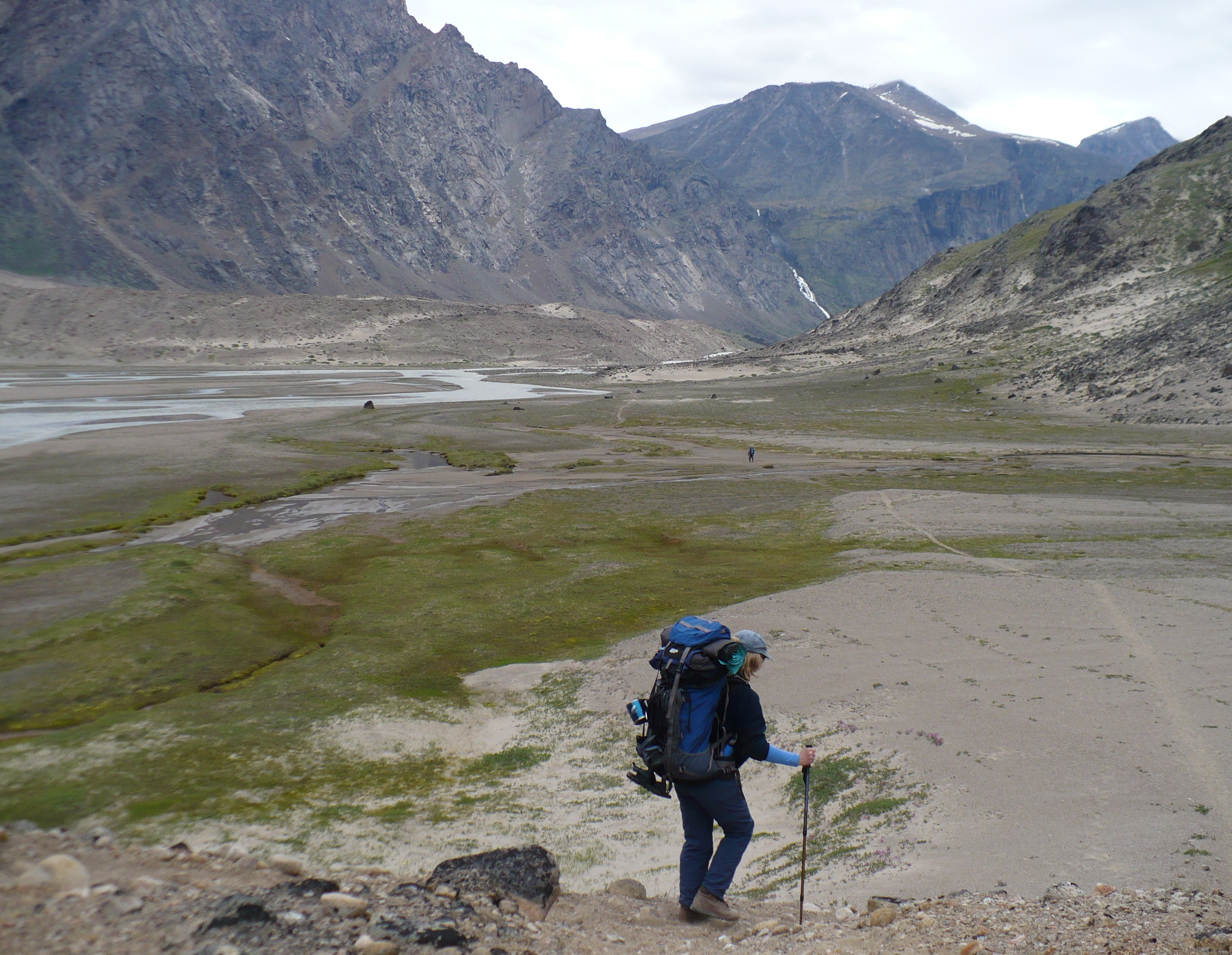
Schwartzenbach Falls – The Hidden Arctic Giant of Nunavut
If you’ve ever dreamed of standing beneath a waterfall that seems to pour straight from the sky, Schwartzenbach Falls in Pangnirtung, Nunavut, should be at the top of your bucket list. With a staggering 520‑metre drop, this remote Arctic cascade is one of Canada’s tallest waterfalls—and a true wilderness masterpiece waiting to be explored.
1. Introduction
Imagine a curtain of water tumbling down a sheer cliff in the middle of the Arctic tundra, framed by snow‑capped peaks and endless stretches of pristine wilderness. That’s Schwartzenbach Falls. Nestled on Baffin Island’s eastern coast, the falls are a secret that most travelers never hear about—until now. Whether you’re a seasoned adventure photographer, a nature‑lover chasing off‑the‑beaten‑path wonders, or simply someone who craves the raw power of water in its most isolated setting, Schwartzenbach offers an unforgettable experience that feels like stepping onto another planet.
2. About Schwartzenbach Falls
What Makes It Special?
- Height: At 520 meters (1,706 feet), Schwartzenbach ranks among the world’s tallest waterfalls. Its vertical plunge is nearly three times the height of the iconic Niagara Falls.
- Location: The falls sit just outside the Inuit community of Pangnirtung, in the territory of Nunavut, Canada. Coordinates are 66.507231, ‑65.527481.
- Type: A classic plunge waterfall, where water free‑falls without touching the underlying rock face for most of its descent.
A Brief History
Schwartzenbach Falls earned its name from early explorers who documented the dramatic cascade while mapping Baffin Island’s rugged coastline. While the falls have long been a part of Inuit oral tradition—often referenced in stories about the power of the land—they have only recently entered the wider travel consciousness thanks to online adventure communities and the growing popularity of Arctic tourism.
Cultural Significance
The surrounding region is home to the Pangnirtung Inuit, whose culture is intimately tied to the land, sea, and water. Though the falls themselves are not a traditional hunting ground, they are a striking landmark that has inspired local art, especially the vibrant prints and carvings for which Pangnirtung is renowned. Visitors are encouraged to respect the area’s cultural heritage and consider supporting local artisans by purchasing authentic handmade crafts.
3. How to Get There
Reaching Schwartzenbach Falls requires a bit of planning, but the journey is part of the adventure.
| Step | Details |
|---|---|
| Fly into Nunavut | Most international travelers connect through Iqaluit (IQA), the capital of Nunavut. Major Canadian airlines operate daily flights from Toronto, Ottawa, and Vancouver to Iqaluit. |
| Regional Flight to Pangnirtung | From Iqaluit, catch a 2‑hour regional flight to Pangnirtung Airport (YXP). These flights run several times a week and are operated by local carriers such as Canadian North and Air Inuit. |
| Ground Transport | Once in Pangnirtung, you can hire a local guide or 4×4 vehicle to travel the short distance to the falls. The road (often a gravel track) is well‑maintained during the summer months but can be icy in early spring or late fall. |
| Optional Boat Access | In the summer, some visitors opt for a kayak or small boat from Pangnirtung Harbour to get closer to the base of the falls, offering a unique perspective of the water’s roar from the waterline. |
Pro tip: Book your regional flight and any guided tours at least 4–6 weeks in advance, especially if you’re traveling during peak summer months (June–August). Flights can fill up quickly, and local guides have limited availability.
4. Best Time to Visit
| Season | Highlights | Considerations |
|---|---|---|
| Summer (June‑August) | Long daylight hours (up to 24 h of twilight), milder temperatures (5‑15 °C), and the waterfall at its fullest due to meltwater. Ideal for hiking, photography, and wildlife spotting. | Tourist traffic increases; accommodations in Pangnirtung may book out early. |
| Late Spring (May) | Early melt begins, creating powerful water flow. Fewer crowds than peak summer. | Some trails may still be icy or muddy; limited services in the community. |
| Early Autumn (September) | Brilliant fall colours on tundra shrubs, crisp air, and a chance to see the aurora borealis as nights lengthen. | Water flow starts to decrease; weather can be unpredictable. |
| Winter (October‑April) | Spectacular snow‑covered scenery, frozen waterfalls, and prime aurora viewing. | Access becomes challenging—roads may be closed, and flights are limited. Specialized winter gear and experienced guides are essential. |
Overall recommendation: Late June to early August offers the most reliable combination of accessibility, weather, and waterfall volume, making it the optimal window for most travelers.
5. What to Expect
The Visual Spectacle
Approaching Schwartzenbach Falls, you’ll first notice the sheer cliff face—an imposing wall of granite and gneiss that seems to rise straight from the tundra. As you draw nearer, the roar of water grows louder, echoing off the surrounding hills. The cascade itself is a continuous white ribbon, plunging over half a kilometre before it disappears into a mist‑filled basin below.
The Soundscape
The waterfall produces a deep, resonant roar that can be heard from several kilometres away. In calm weather, the sound is a constant, soothing backdrop—perfect for meditation or simply soaking in nature’s power.
Wildlife & Plant Life
While the immediate area around the falls is relatively barren due to the constant spray, the surrounding tundra supports Arctic willow, dwarf birch, and lichen. Birdwatchers may spot snow buntings, Arctic terns, and occasionally golden eagles soaring overhead. During summer, the meltwater streams attract caribou and moose that venture close to the water’s edge.
Physical Experience
- Hiking: The most common route is a moderate 4‑km round‑trip hike from the Pangnirtung trailhead. The path is well‑marked but can be uneven, with occasional stream crossings.
- Photography: The falls provide dramatic photo opportunities at any time of day. Early morning light creates a soft golden glow, while late afternoon brings vibrant colours in the sky. A polarizing filter helps cut glare and enhance the waterfall’s texture.
- Safety: The mist can make rocks slippery, and the wind can be strong. Wear sturdy hiking boots, bring a waterproof jacket, and keep a safe distance from the water’s edge, especially during peak flow.
6. Nearby Attractions
While Schwartzenbach Falls is the star attraction, the Pangnirtung region offers several complementary experiences that enrich your Arctic adventure:
| Attraction | Description | Link |
|---|---|---|
| Pangnirtung Community | Known as “the gateway to Auyuittuq,” this Inuit village offers cultural centres, art galleries, and the chance to meet local artists. | Pangnirtung on Wikipedia |
| Auyuittuq National Park | A short drive north, the park boasts dramatic fjords, towering peaks, and world‑class trekking routes like the Akshayuk Pass. | Auyuittuq National Park |
| Pangnirtung Harbour | Perfect for kayaking, boat tours, and spotting marine wildlife such as seals and occasional beluga whales. | — |
| Arctic Wildlife Centre | Offers guided tours focusing on the region’s unique fauna, including polar bears (sighted from a safe distance) and migratory birds. | — |
Note: Because the falls are located in a remote wilderness area, many of the “nearby” attractions involve a short drive or guided tour from Pangnirtung. Always verify operating hours and availability before you go.
7. Travel Tips
- Book Early – Flights to Nunavut are limited. Secure your Iqaluit‑to‑Pangnirtung connection well in advance.
- Pack for the Elements – Even in summer, temperatures can dip below freezing at night. Bring layered clothing, a waterproof shell, insulated gloves, and a warm hat.
- Stay Connected – Mobile coverage is sparse. Consider renting a satellite phone or a GPS messenger for emergencies.
- Respect Local Culture – Ask permission before photographing people, and always follow the guidance of local guides regarding sacred sites or traditional hunting grounds.
- Leave No Trace – Pack out all trash, stay on marked trails, and avoid disturbing wildlife. The Arctic ecosystem is fragile and recovers slowly.
- Bring the Right Gear – Sturdy hiking boots with good ankle support, trekking poles, and a headlamp (for the long twilight hours) are essential.
- Consider a Guided Tour – Local guides provide invaluable knowledge about the terrain, safety, and cultural context, enhancing both safety and enjoyment.
- Check Weather Forecasts – Arctic weather can change rapidly. Use reliable sources like Environment Canada and keep an eye on wind chill and precipitation.
- Travel Insurance – Ensure your policy covers remote travel, medical evacuation, and adventure activities.
- Health Precautions – Carry a basic first‑aid kit, personal medications, and sunscreen (the sun’s reflection off snow can be intense).
Final Thoughts
Schwartzenbach Falls is more than just a waterfall; it’s a testament to the raw, untamed beauty of Canada’s northern frontier. Its towering cascade, set against the stark elegance of the Arctic tundra, offers a travel experience that few destinations can match. By planning thoughtfully, respecting the land and its people, and embracing the spirit of adventure, you’ll leave with memories — and photos — that capture the awe‑inspiring power of one of the world’s greatest natural wonders.
Ready to chase the Arctic mist? Pack your gear, book that flight, and let Schwartzenbach Falls become the highlight of your Canadian wilderness story.