Limestone Generating Dam – A Hidden Gem in Manitoba’s Northern Wilderness
Discover the power, scenery, and adventure that surround one of Canada’s most impressive hydro‑electric landmarks.
Introduction
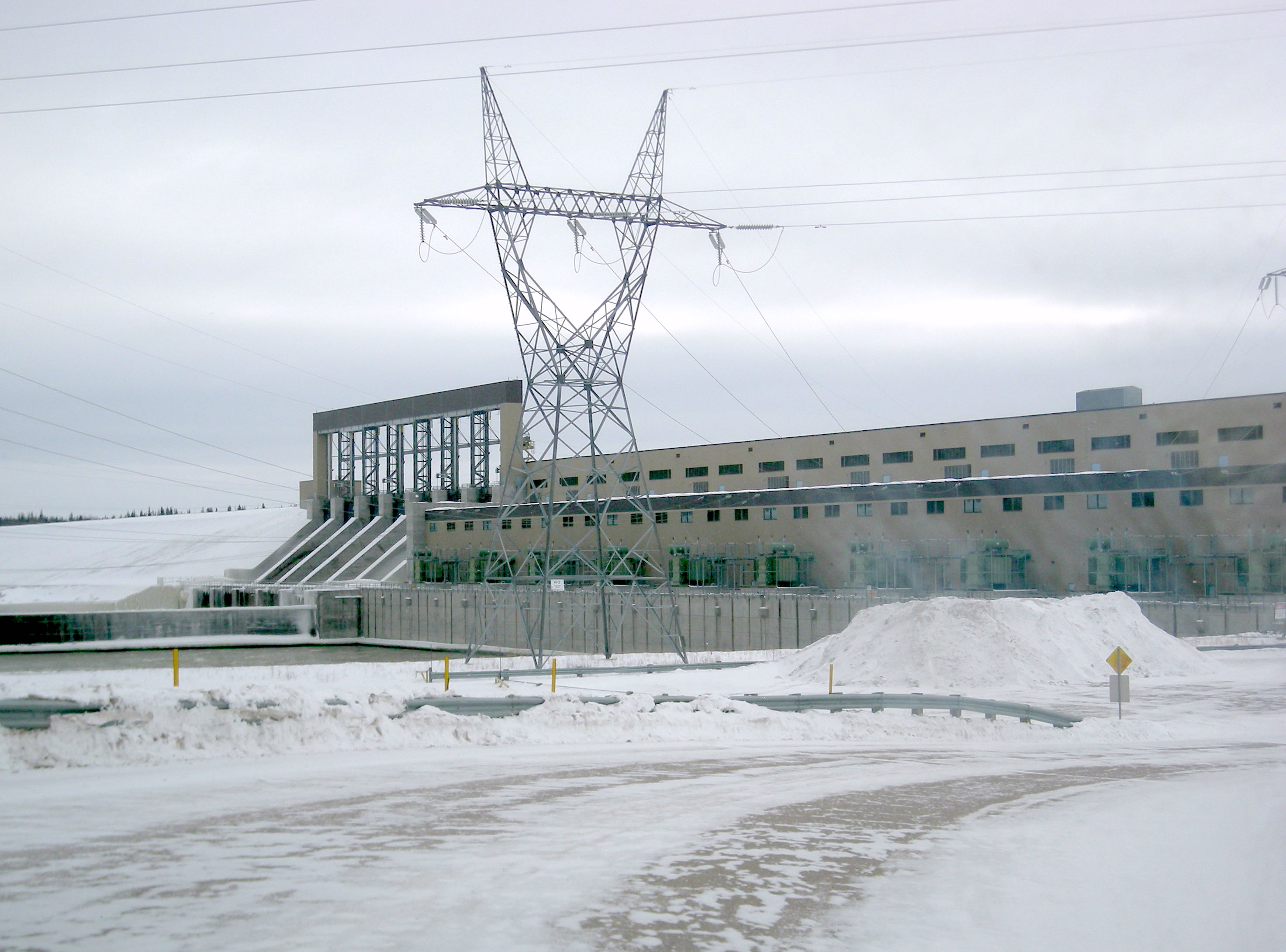
If you think Manitoba’s travel highlights are limited to bustling Winnipeg streets or the polar‑bear‑filled tundra of Churchill, think again. Nestled about 200 km north of Thompson, the Limestone Generating Dam rises from the rugged boreal forest like a modern marvel against a backdrop of endless sky and pristine water. This massive hydro‑electric station isn’t just a feat of engineering—it’s a gateway to remote wilderness, dramatic river rapids, and authentic northern culture. Whether you’re a road‑trip enthusiast, a photography lover, or a curious traveler eager to see how Canada powers its communities, Limestone Generating Dam should be on your itinerary.
Keywords: Limestone Generating Dam, Manitoba travel, Thompson Manitoba, Canadian hydroelectric dam, Northern Manitoba attractions.
About Limestone Generating Dam
The Limestone Generating Dam (often called the Limestone Generating Station) is a hydroelectric power plant operated by Manitoba Hydro. Situated at 56.506909 N, ‑94.109383 W, the facility harnesses the flow of the Nelson River to generate clean electricity for the province.
- Commissioned: 1990
- Installed capacity: 1,340 MW (the largest single hydro‑electric plant in Manitoba)
- Type: Concrete gravity dam with a spillway and multiple turbine units
The dam is a key component of the Nelson River Hydroelectric Project, a series of stations that together provide the bulk of Manitoba’s renewable energy. Its construction marked a turning point for the province’s energy independence, reducing reliance on fossil fuels and cementing Manitoba’s reputation as a leader in sustainable power generation.
Beyond its technical significance, the dam’s location offers an unforgettable visual experience. The massive concrete structure blends with the surrounding boreal forest, while the river’s turquoise‑blue waters cascade over the spillway, creating misty rainbows on sunny days. The site is also a subtle reminder of the region’s Indigenous heritage and the historic relationship between people and the river that has sustained them for centuries.
How to Get There
By Air
- Thompson Airport (YTH) receives regular flights from Winnipeg and Calgary. From the terminal, you can rent a car or arrange a shuttle service.
- Fly‑in options: Some charter companies also operate seasonal flights directly to remote airstrips near the dam, but these are typically for industrial crews rather than tourists.
By Road
-
From Thompson:
- Take Manitoba Highway 6 northbound. After roughly 150 km, turn onto the gravel Limestone Access Road (well‑marked, but a 4‑WD vehicle is recommended).
- The drive offers spectacular vistas of the Hudson Bay Lowlands and occasional wildlife sightings (moose, black bears, and migratory birds). -
From Winnipeg:
- Travel north on Trans‑Canada Highway 1 to Highway 6 at The Pas. Continue north for about 400 km to Thompson, then follow the steps above.
Practical Tips
- Fuel: Fill up in Thompson; services become sparse beyond the town.
- Road conditions: The access road can be uneven, especially after spring thaw. A high‑clearance vehicle with good tires is advisable.
- Navigation: GPS works well with the coordinates 56.506909, -94.109383, but keep a paper map as a backup.
Best Time to Visit
| Season | What to Expect | Why It’s Ideal |
|---|---|---|
| Late Spring (May–June) | Rivers swell, waterfalls roar, bird migration peaks. | Perfect for photographing the dam with dramatic water flow and vibrant foliage. |
| Summer (July–August) | Warm days (15‑25 °C), long daylight (up to 18 h). | Ideal for exploring nearby rapids, hiking, and camping under the midnight sun. |
| Early Fall (September–October) | Autumn colours paint the forest, cooler evenings. | Great for scenic drives and quieter visitor experience before winter sets in. |
| Winter (November–April) | Snow‑covered landscape, frozen river. | Rarely visited, but offers a unique, stark beauty for adventurous photographers (note: access roads may be closed). |
Tip: The most visitor‑friendly months are July and August, when services in Thompson are fully operational and the weather is reliably mild.
What to Expect
The Dam Experience
- Visual spectacle: Stand on the observation platform (if open to the public) and watch water cascade over the spillway. The mist creates a natural “rainbow factory” on sunny days.
- Educational value: Guided tours (arranged through Manitoba Hydro’s visitor centre in Thompson) explain how turbines convert river energy into electricity, the environmental safeguards in place, and the dam’s role in the province’s grid.
- Photography: Wide‑angle lenses capture the dam’s massive concrete face, while telephoto lenses isolate the swirling water jets. Early morning or late afternoon light adds depth and contrast.
Outdoor Adventure
- River rapids: Within a 2.6‑km radius, several rapids pepper the Nelson River, offering thrilling spots for experienced kayakers and canoeists.
- Hiking: Short trails weave through the boreal forest, showcasing black spruce, tamarack, and occasional wild blueberry bushes.
- Wildlife watching: Keep an eye out for loons, bald eagles, and the occasional moose drinking at the riverbank.
Amenities
- Restrooms & picnic tables are available near the parking lot.
- No on‑site café, so pack a lunch or stop in Thompson for local fare (try a bannock or wild‑caught fish).
Nearby Attractions
While the dam is the star attraction, the surrounding area offers several natural gems—all located just a few kilometres away. Click the links for quick navigation (note: some sites are seasonal and may require a short hike).
- [Rapids – 2.6 km] – A series of fast‑moving water sections ideal for white‑water enthusiasts.
- [Rapids – 2.6 km] – Another nearby rapid offering a different angle on the river’s power.
- [Rapids – 2.7 km] – Slightly longer stretch, perfect for a scenic paddle.
- [Rapids – 2.8 km] – Known for its rhythmic roar and occasional fish jumps.
- [Rapids – 2.9 km] – The farthest of the cluster, offering a quieter, less‑crowded experience.
Pro tip: Combine a dam visit with a guided kayaking tour that strings together several of these rapids for a half‑day adventure.
Travel Tips
| Tip | Details |
|---|---|
| Plan ahead | Contact Manitoba Hydro for tour availability; some sections close for maintenance. |
| Dress in layers | Northern Manitoba weather can shift quickly; waterproof outerwear is essential near the water. |
| Pack food & water | Services are limited beyond Thompson; bring enough supplies for the day. |
| Respect the environment | Stay on marked trails, pack out all trash, and follow Indigenous land‑use guidelines. |
| Safety on the river | Only attempt rapids if you have proper gear and experience; wear a life jacket at all times. |
| Cell coverage | Spotty beyond Thompson—consider a satellite communicator for emergencies. |
| Photography gear | Bring a sturdy tripod for low‑light shots of the dam’s illuminated spillway at night. |
| Local culture | Stop by the Thompson Museum or a community centre to learn about the region’s Indigenous heritage and mining history. |
Final Thoughts
The Limestone Generating Dam may not appear on every mainstream travel brochure, but it offers a rare blend of engineering wonder, raw natural beauty, and authentic northern adventure. From the thunderous roar of water over the spillway to the tranquil hush of the boreal forest at dusk, a visit here is a reminder of how humanity can harness nature responsibly while still appreciating its awe‑inspiring power.
Pack your camera, charge your sense of curiosity, and head north—Manitoba’s hidden hydro‑hero is waiting.
Ready to explore? Share your experience with #LimestoneDamAdventure and let fellow travelers know why this remote spot belongs on every Canadian road‑trip bucket list.