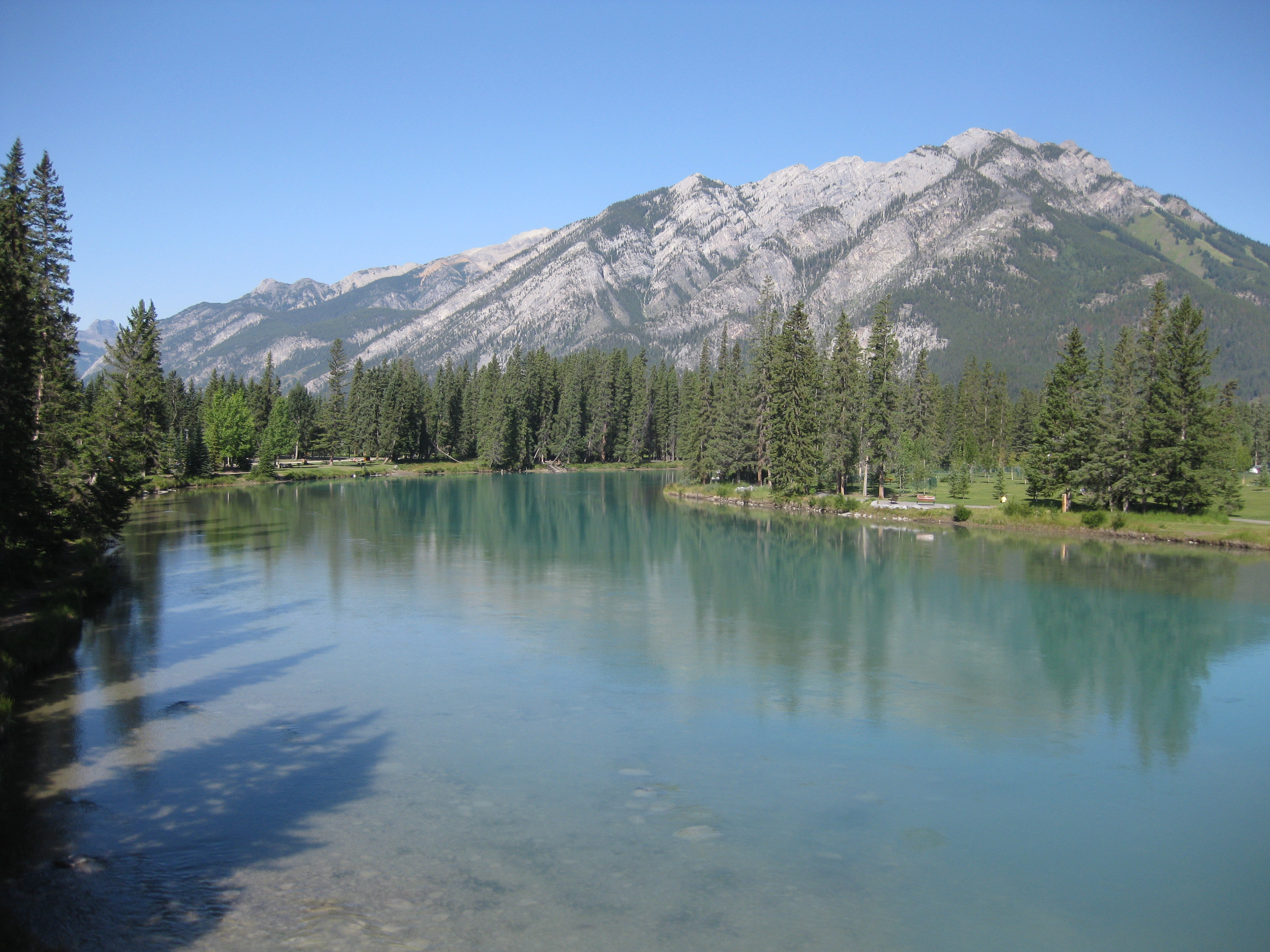
Bow River Waterfall – A Hidden Gem in Banff, Alberta
Discover the serene beauty of Bow River’s cascading waters, the perfect stop for nature lovers exploring Banff National Park.
Introduction
Imagine standing at the edge of a crystal‑clear river that suddenly drops into a frothy curtain of water, framed by towering pines and the rugged peaks of the Canadian Rockies. That moment is what you’ll experience at Bow River Waterfall, a lesser‑known but absolutely breathtaking waterfall tucked away in the heart of Banff, Alberta, Canada. While the iconic Bow Falls often steals the spotlight, this quieter cascade offers the same dramatic scenery without the crowds—making it an ideal spot for photographers, hikers, and anyone craving a peaceful encounter with nature.
About Bow River
The Bow River itself is a legendary waterway that winds its way from the Bow Glacier through the stunning landscapes of Banff National Park before eventually joining the South Saskatchewan River. Its name comes from the indigenous practice of using the river’s reeds to craft bows.
At coordinates 51.167587, -115.561186, a small but striking waterfall forms where the river squeezes through a narrow gorge. Though the exact height and altitude of this waterfall remain undocumented, the force of the water and the surrounding alpine environment speak volumes about its natural power.
Historical Significance
- Indigenous Heritage – Long before European explorers arrived, the Bow River corridor served as a travel route for First Nations peoples, who relied on its abundant fish and fresh water.
- Railway Era – In the late 1800s, the Canadian Pacific Railway highlighted the Bow River’s dramatic scenery to attract tourists, cementing Banff’s reputation as a world‑class destination.
- Conservation – Today, the river and its waterfalls are protected under Banff National Park, ensuring that future generations can enjoy the pristine wilderness.
For a deeper dive into the river’s history, check out the Bow River Wikipedia page.
How to Get There
Reaching Bow River Waterfall is a breeze, whether you’re driving, cycling, or using public transit.
| Mode of Transport | Directions |
|---|---|
| Car | From the Trans‑Canada Highway (Highway 1), take the exit for Banff Avenue and follow signs for the Banff Townsite. The waterfall is just a short walk north of the town centre, near the Banff Pedestrian Bridge. Parking is available at the Banff Centre lot or the Bow River Parking Area. |
| Public Transit | Banff Bus (Route 1) stops at Banff Avenue & Bow River. From the stop, it’s a 5‑minute stroll to the waterfall. |
| Bike/Walk | The Banff Legacy Trail runs parallel to the Bow River, offering a scenic, flat route perfect for cyclists and walkers. The trail brings you directly to the waterfall’s viewpoint. |
| Shuttle | During peak summer months, the Banff Park Shuttle provides a free service from the town centre to major attractions, including the Bow River area. |
Pro tip: Arrive early in the morning (around 7–8 am) to beat any potential traffic and enjoy the soft morning light on the water.
Best Time to Visit
The Bow River waterfall is beautiful year‑round, but each season offers a distinct experience:
| Season | What to Expect |
|---|---|
| Spring (April‑June) | Snowmelt swells the river, creating a powerful, thundering cascade. Wildflowers begin to bloom along the banks, adding splashes of colour. |
| Summer (July‑August) | Warm days make for comfortable hikes. The water is clear, and the surrounding forest is lush. Ideal for picnics and photography. |
| Fall (September‑October) | Golden aspen and maple leaves frame the waterfall, providing a dramatic contrast to the turquoise water. Fewer tourists mean a tranquil atmosphere. |
| Winter (November‑March) | The waterfall may partially freeze, creating stunning ice formations. Snow‑covered pines give the scene a magical, winter wonderland feel. Dress warmly and be prepared for icy paths. |
Overall recommendation: Late June to early September offers the most reliable weather and vibrant scenery for most travelers.
What to Expect
When you arrive at the Bow River waterfall, you’ll be greeted by a gentle roar as the river drops into a natural pool. The sound of rushing water blends with the rustle of pine needles, creating a soothing soundtrack for your visit.
- Scenic Views: A short, well‑maintained trail leads to a viewpoint that offers a panoramic vista of the waterfall, the river’s meandering course, and the surrounding mountains.
- Photography Opportunities: The waterfall’s mist catches the light beautifully, especially during sunrise or golden hour. Use a polarizing filter to reduce glare and capture the water’s texture.
- Wildlife: Keep an eye out for elk, deer, and occasional river otters playing near the banks. Birdwatchers may spot bald eagles soaring overhead.
- Accessibility: The main viewpoint is wheelchair‑friendly, with a smooth gravel path and handrails. However, the surrounding trails can be steep and rocky, so sturdy footwear is recommended.
Nearby Attractions
While you’re exploring Bow River Waterfall, make the most of the surrounding area. All attractions are within a short walk or drive, allowing you to build a full day of unforgettable experiences.
- Bow Falls (0.0 km) – Just steps away, Bow Falls is the more famous cascade that drops 30 m into the Bow River. Perfect for a quick photo stop.
- Surprise Corner Viewpoint (0.1 km) – A hidden lookout offering an unexpected angle of the river and surrounding cliffs. Great for sunrise shots.
- Bow Falls Viewpoint (0.2 km) – A dedicated platform that provides a closer view of the roaring water and a chance to feel the spray on your face.
- Banff Pedestrian Bridge (0.8 km) – Cross the Bow River on this iconic bridge for stunning river and mountain vistas. Ideal for a leisurely stroll after your waterfall visit.
Tip: Combine these spots into a “waterfall circuit” – start at Bow River Waterfall, then walk to Bow Falls, finish at the viewpoints, and cross the Banff Pedestrian Bridge for a perfect photo series.
Travel Tips
- Pack Layers – Alpine weather changes quickly. Even in summer, mornings can be chilly, while afternoons may become warm.
- Stay Hydrated – Bring a reusable water bottle; there are refill stations at the Banff Centre.
- Leave No Trace – Pack out all trash and stay on designated paths to protect the fragile ecosystem.
- Timing for Photography – Early morning (sunrise) and late afternoon (golden hour) provide the softest light and fewer crowds.
- Wildlife Safety – Keep a safe distance from any animals you encounter. Store food securely to avoid attracting bears.
- Footwear – Waterproof hiking boots with good traction are essential, especially if you plan to explore the surrounding trails.
- Mobile Connectivity – Cellular service can be spotty near the waterfall. Download offline maps of Banff National Park before you go.
- Parking Fees – Some parking lots in Banff require a fee; keep change handy or use the park’s mobile payment app.
Final Thoughts
Bow River Waterfall may not have the towering height of Niagara or the fame of Alberta’s Lake Louise, but its tranquil charm and easy accessibility make it a must‑see for anyone traveling through Banff. Whether you’re a seasoned hiker, a photography enthusiast, or simply looking for a peaceful spot to soak in the natural beauty of the Canadian Rockies, this hidden cascade offers a memorable experience that captures the heart of Alberta’s wilderness.
Plan your visit, follow the tips above, and let the soothing roar of Bow River’s waters become the soundtrack of your next Canadian adventure. 🌊🏔️
Keywords: Bow River waterfall, Bow Falls, Banff Alberta, Canada travel, waterfall in Banff, Banff National Park, Alberta waterfalls, things to do in Banff, outdoor adventure Canada, nature photography Banff.


