Swansea Barrage – A Must‑Visit Weir in the Heart of Wales
Discover why this sleek river‑side landmark is fast becoming one of Wales’ most‑photographed spots.
Introduction
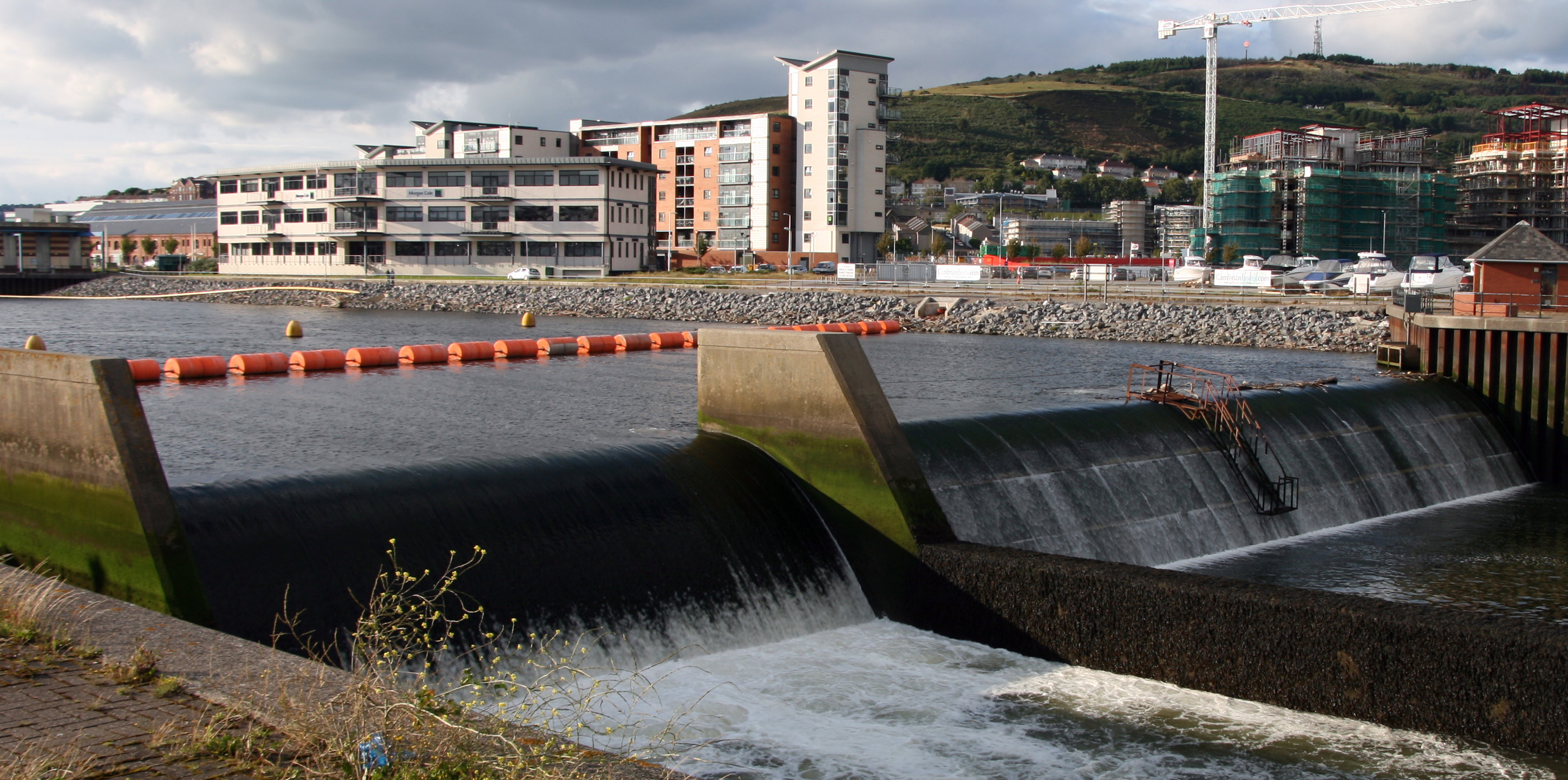
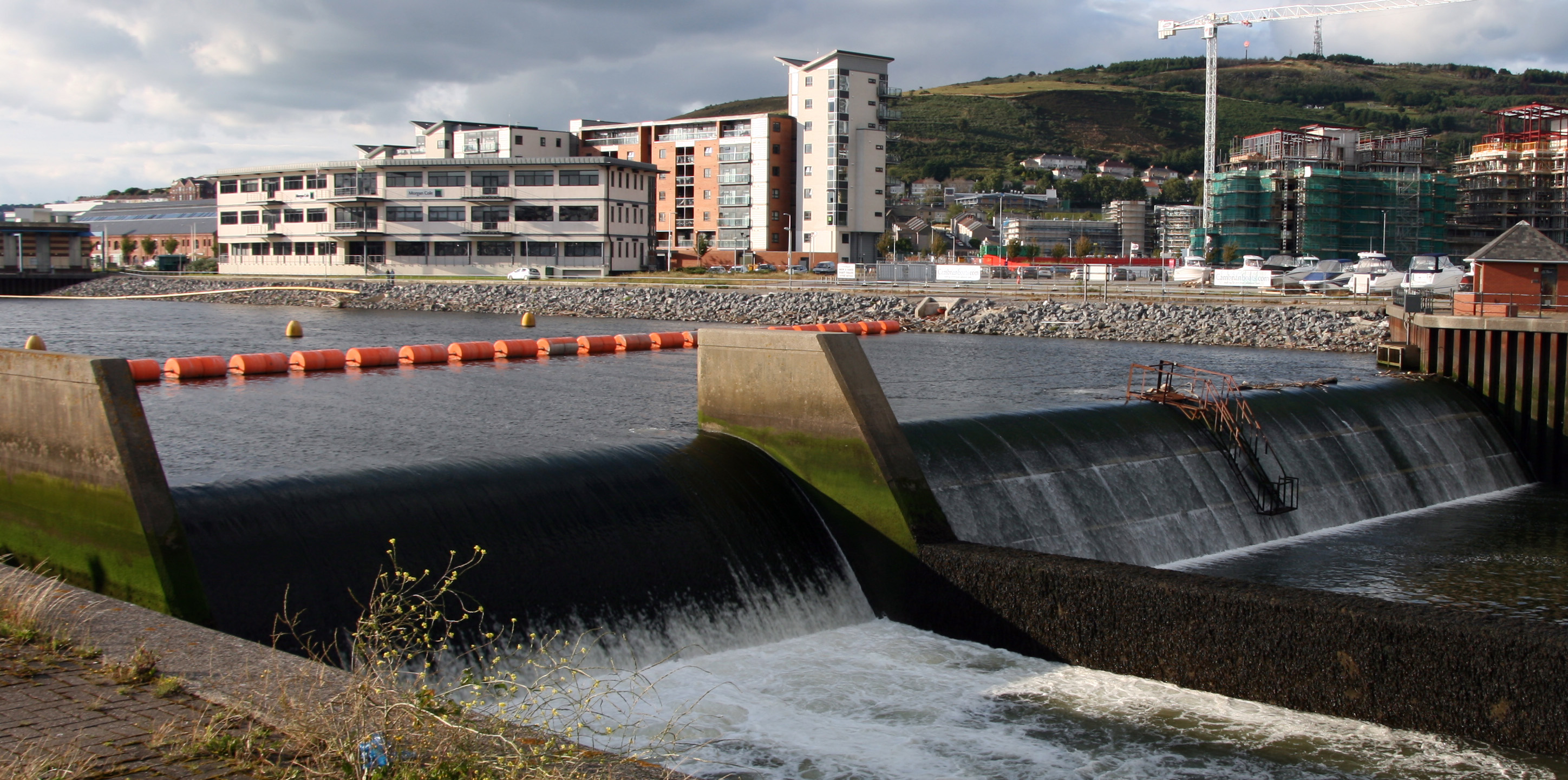
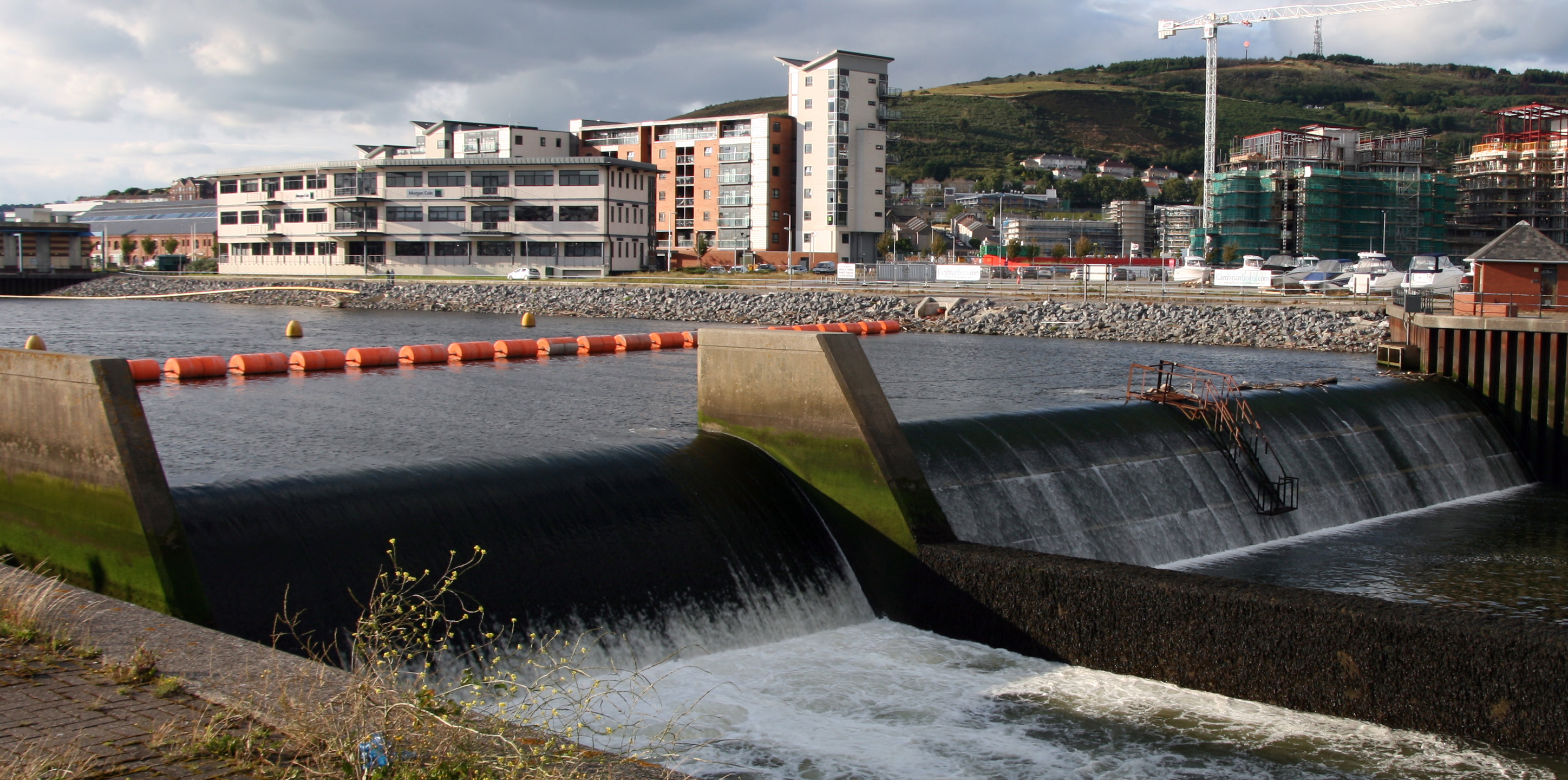
If you’re wandering the vibrant streets of Swansea and hear the gentle rush of water, you’ve likely stumbled upon the Swansea Barrage – a striking weir that frames the city’s waterfront like a living piece of art. Nestled where the River Tawe meets Swansea Bay, this modern engineering marvel offers more than just a functional water control structure; it’s a lively hub for walkers, cyclists, photographers, and anyone who loves a splash of nature in an urban setting. In this guide we’ll explore everything you need to know to make the most of a visit to the Swansea Barrage, from its fascinating backstory to the best times to soak up its scenery.
About Swansea Barrage
What is the Swansea Barrage?
The Swansea Barrage (sometimes simply called the Swansea weir) is a concrete‑clad water control structure that spans the River Tawe at the mouth of the city. Built to regulate tidal flows and improve water quality, the barrage also creates a calm, freshwater reservoir that supports a range of recreational activities. While the exact height and altitude of the weir are not publicly listed, its sleek silhouette is unmistakable against the skyline.
A Brief History
Construction of the barrage began in the early 1990s as part of a broader urban regeneration plan for Swansea’s waterfront. The project aimed to transform a formerly industrial riverbank into a vibrant public space, encouraging both ecological restoration and tourism. Since its completion, the barrage has become a symbol of Swansea’s forward‑thinking attitude, blending engineering, environmental stewardship, and community enjoyment in one cohesive design.
Why It Matters
- Environmental Impact: By controlling tidal surges, the barrage helps maintain a healthier river ecosystem, supporting fish and bird populations.
- Recreation: The calm waters behind the weir are perfect for kayaking, paddle‑boarding, and even small‑scale sailing.
- Urban Connectivity: A wide promenade runs alongside the structure, linking the city centre with the Swansea Marina, the National Waterfront Museum, and the bustling Swansea Bay.
How to Get There
By Train
The nearest major rail hub is Swansea railway station, just a 15‑minute walk (≈1 km) from the barrage. From the station, follow signs for the River Tawe promenade or hop on any local bus heading toward the city centre.
By Car
- From the M4: Exit at Junction 44 (Swansea) and follow the A4118 towards the city centre. Parking is available at the Swansea Bay Car Park (P2) and the Marina Car Park, both within a 5‑minute walk of the barrage.
- GPS Coordinates:
51.616631, -3.929608– simply paste these into your navigation system for a direct route.
By Bus
Local bus services (e.g., First Cymru routes 1, 2, 4) stop at Swansea City Centre and Marina stops, both a short stroll to the barrage. Check the latest timetables on the First Cymru website.
On Foot or Bike
Swansea’s city centre is compact and highly walkable. The Swansea Bay Trail is a flat, well‑signposted route that runs right past the barrage, making it ideal for cyclists and walkers alike.
Best Time to Visit
| Season | Why Visit? | What to Expect |
|---|---|---|
| Spring (Mar‑May) | Blossoming riverside flora and mild temperatures. | Perfect for photography and early‑morning walks before the crowds. |
| Summer (Jun‑Aug) | Long daylight hours and warm water for water sports. | Ideal for kayaking, paddle‑boarding, and sunset picnics on the promenade. |
| Autumn (Sep‑Nov) | Golden foliage along the riverbanks and fewer tourists. | Great for bird‑watching and relaxed coffee breaks at nearby cafés. |
| Winter (Dec‑Feb) | Quiet ambience and dramatic tidal contrasts. | Bring a waterproof jacket – the scenery is moody and atmospheric, perfect for moody shots. |
Tip: Check tide tables before planning water‑based activities; the barrage creates a calm pool, but the surrounding bay can experience strong currents at high tide.
What to Expect
Scenic Views
From the promenade, you’ll enjoy sweeping panoramas of Swansea Bay, the National Waterfront Museum, and the Swansea Marina. The barrage itself offers a striking foreground, especially when illuminated at night.
Outdoor Activities
- Kayaking & Paddle‑boarding: Rental outlets near the marina let you glide across the tranquil reservoir created by the weir.
- Walking & Cycling: The 3‑km Swansea Bay Trail loops past the barrage, offering a flat, traffic‑free surface for all fitness levels.
- Fishing: Anglers often gather along the riverbank, hoping for a bite of sea trout or salmon that navigate the weir’s fish ladders.
Wildlife
The controlled water flow encourages a variety of birds, including swans, herons, and occasional kingfishers. Keep an eye out for otters at dusk—Swansea’s riverine habitats are thriving thanks to the barrage’s ecological design.
Facilities
- Restrooms: Located at the nearby Swansea Marina and National Waterfront Museum.
- Cafés & Restaurants: The waterfront promenade hosts several eateries, from casual fish‑and‑chips stalls to upscale bistros with bay views.
- Accessibility: The promenade is wheelchair‑friendly, with gentle ramps and tactile paving.
Nearby Attractions
While the Swansea Barrage is the star of the show, the surrounding area brims with complementary sights that can easily fill a half‑day itinerary.
| Attraction | Distance | What to See | Link |
|---|---|---|---|
| Swansea Barrage (weir) | 0.0 km | The iconic weir itself – perfect for close‑up photos. | Swansea Barrage – Wikipedia |
| Swansea Barrage (weir) | 0.1 km | Alternate viewpoint from the opposite riverbank. | Swansea Barrage – Wikipedia |
| Boys' Brigade Fountain | 2.3 km | A historic stone fountain celebrating local youth groups. | Boys' Brigade Fountain – Wikipedia (search) |
| River Tawe Fountain (generic fountain) | 1.0 km | Small ornamental fountain along the river walk. | River Tawe Fountain – Search |
| Swansea Dam (nearby waterworks) | 2.1 km | An old water‑storage dam offering a quiet spot for picnics. | Swansea Dam – Search |
Feel free to explore these nearby gems on foot or by bike – they’re all within a comfortable walking radius of the barrage.
Travel Tips
- Dress for the Weather: Swansea’s coastal climate can shift quickly. Pack a waterproof jacket and comfortable walking shoes.
- Check Tide Times: If you plan water sports, consult the UK Hydrographic Office tide tables to avoid high‑tide surges.
- Parking: Arrive early during weekends, as the popular car parks near the marina fill up fast. Consider using the Swansea Park & Ride at Landore and walking the last kilometre.
- Safety First: While the water behind the barrage is relatively calm, the edges can be slippery. Keep children and pets supervised.
- Bring a Camera: The best light hits the barrage during golden hour (just after sunrise or before sunset). A wide‑angle lens will capture the full sweep of the river and bay.
- Local Eats: Try the famous Welsh rarebit at a waterfront café – it’s a perfect post‑walk treat.
- Stay Connected: Free Wi‑Fi is available at the National Waterfront Museum and many cafés along the promenade.
Wrap‑Up
Whether you’re a seasoned traveler, a local looking for a fresh perspective, or a nature lover chasing river‑side serenity, the Swansea Barrage offers a compelling blend of engineering, ecology, and leisure. Its easy accessibility, stunning vistas, and vibrant surrounding attractions make it a top‑ranking spot on any Wales travel itinerary.
Pack your camera, slip on those walking shoes, and head to Swansea’s waterfront – the barrage is waiting to welcome you with open arms and the gentle hum of flowing water.
Keywords: Swansea Barrage, Swansea weir, things to do in Swansea, Swansea attractions, Wales travel guide, waterfront walk Swansea, River Tawe, Swansea Bay, outdoor activities Wales, visit Swansea, travel to Swansea.