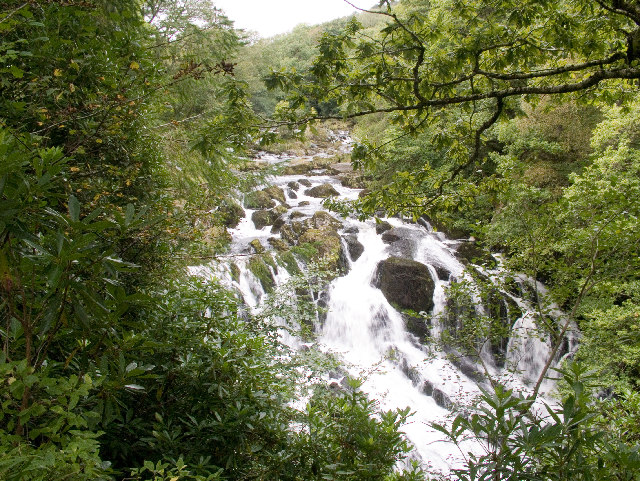
Swallow Falls – Wales’ Hidden Waterfall Gem
Discover the thundering beauty of Swallow Falls, a must‑see waterfall tucked in the heart of Bet Bet‑y‑Coed, Snowdonia.
1. Introduction
If you’ve ever dreamed of standing beneath a curtain of crystal‑clear water while the mist kisses your face, Swallow Falls is the place where that dream comes alive. Nestled just a stone’s throw from the charming village of Betws‑y‑Coed, this spectacular waterfall drops into the River Llugwy, creating a natural symphony that echoes through the Conwy Valley. Whether you’re a seasoned hiker, a family on a weekend getaway, or a photographer hunting that perfect splash‑filled shot, Swallow Falls delivers an unforgettable Welsh wilderness experience.
2. About Swallow Falls
A Brief Description
Swallow Falls (Welsh: Rhaeadr y Wylfa) is a series of cascading drops that tumble over rugged slate and limestone, forming a series of pools that glisten in the sunlight. While the exact height of the falls isn’t recorded in official sources, the sheer volume of water—especially after a rainstorm—creates a dramatic, roaring descent that rivals many of Wales’ better‑known waterfalls.
History & Significance
The falls have long been a focal point for locals and travelers alike. In the 19th century, the Romantic movement sparked a wave of interest in the “wild” landscapes of Snowdonia, and Swallow Falls quickly found its way into travel sketches, poetry, and early guidebooks. The waterfall’s proximity to the historic Betws‑y‑Coed railway station (opened in 1868) made it one of the first natural attractions easily reachable by train, helping to cement its reputation as a classic stop on the Welsh “tourist trail.”
Today, Swallow Falls remains a beloved spot for outdoor enthusiasts and a vital part of the local ecosystem. The surrounding woodlands provide habitat for otters, kingfishers, and a variety of native plants, making the area a subtle reminder of Wales’ commitment to preserving its natural heritage.
3. How to Get There
By Train
The easiest way to reach Swallow Falls is via Betws‑y‑Coed railway station, served by Transport for Wales on the Llandudno‑Blaenau Ffestiniog line. The station sits just 1 km from the falls, and a short, well‑signed walk will bring you to the riverbank.
By Car
If you prefer driving, park at the Betws‑y‑Coed car park (available on the A5). From the lot, follow the footpath signs toward the River Llugwy—roughly a 10‑minute stroll. The car park can fill quickly in peak summer months, so arriving early is advisable.
By Bus
Local bus routes (e.g., Arriva Buses Wales 68) stop at the Betws‑y‑Coed bus interchange. From there, it’s a pleasant walk along the river to the falls.
Walking & Cycling
The Conwy Valley Railway Trail runs parallel to the river and is perfect for cyclists and walkers. The trail is well‑maintained and offers spectacular views of Swallow Falls from several viewpoints.
4. Best Time to Visit
| Season | What to Expect | Why It’s Ideal |
|---|---|---|
| Spring (Mar‑May) | Fresh, high‑flow water from winter rains; blooming wildflowers. | The waterfall is at its most powerful, and the surrounding woodlands burst with colour. |
| Summer (Jun‑Aug) | Warm weather, longer daylight hours; popular with families. | Ideal for picnics and photography, though crowds can be larger. |
| Autumn (Sep‑Nov) | Golden foliage, crisp air, fewer tourists. | The falls retain strong flow from early‑season rain, and the scenery is picture‑perfect. |
| Winter (Dec‑Feb) | Misty, dramatic atmosphere; occasional icy formations. | For the adventurous, winter brings a mystical vibe, though paths can be slippery. |
Tip: The waterfall’s volume fluctuates with rainfall. Check the local weather forecast—especially after heavy rain—to catch the falls at their most impressive.
5. What to Expect
The Sensory Experience
As you approach the riverbank, the first thing you’ll notice is the deep, resonant roar of water tumbling over rock. The mist creates a cool, refreshing micro‑climate, perfect for a quick splash on a hot day. The surrounding pine and oak trees frame the falls, offering natural benches for rest and contemplation.
Photographic Highlights
- Long‑exposure shots of the water create silky ribbons of motion—ideal for sunrise or sunset when the light is soft.
- Close‑up macro of the spray captures tiny droplets glistening like diamonds.
- Panoramic vistas from the nearby footbridge give a sweeping view of the falls set against the Conwy Valley.
Accessibility
The main viewing platform is wheelchair‑friendly, featuring a smooth, compacted path and railings for safety. However, the trail leading down to the lower pools involves uneven stones and can be steep in places, so sturdy footwear is recommended for those who wish to explore further.
6. Nearby Attractions
Swallow Falls sits in a cluster of natural and historic sites that make a day‑long itinerary effortless. Below are the closest points of interest (distances measured from the falls):
| Attraction | Distance | Why Visit |
|---|---|---|
| [Weir] | 1.0 km | A small historic weir on the River Llugwy, perfect for quiet contemplation and bird‑watching. |
| [Dam] | 1.1 km | An early‑20th‑century reservoir offering gentle walking trails and panoramic views of the valley. |
| [Dam] | 1.2 km | A lesser‑known water‑storage site surrounded by woodland, ideal for a short nature hike. |
| [Dam] | 1.4 km | Features interpretive signage about local water management—great for families and school groups. |
| [Dam] | 1.4 km | Offers a scenic picnic spot with benches overlooking the water’s edge. |
Note: The above links lead to general information about weirs and dams, providing context for visitors unfamiliar with these structures.
Other Must‑See Spots in Betws‑y‑Coed
- Pont-y-Pair Visitor Centre – Learn about the region’s geology and wildlife.
- Gwydir Forest – A network of trails for mountain biking and horse riding.
- Llanrwst Castle Ruins – A short drive away, offering a glimpse into medieval Welsh history.
7. Travel Tips
| Tip | Details |
|---|---|
| Dress in layers | Welsh weather changes quickly; a waterproof jacket and warm layers are essential year‑round. |
| Footwear | Sturdy, waterproof boots with good grip protect against slippery rocks, especially after rain. |
| Timing | Arrive early (7‑8 am) in summer to beat the crowds and capture soft morning light. |
| Parking | Use the Betws‑y‑Coed car park; if full, the nearby Bryn-y-Coed lot offers a short walk. |
| Leave No Trace | Pack out all litter, stay on marked paths, and respect wildlife—especially otters that frequent the river. |
| Safety | The water is cold and swift; never attempt to swim near the falls. Children should be supervised at all times. |
| Photography | Bring a tripod for long‑exposure shots and a polarizing filter to reduce glare on the water surface. |
| Food & Drink | The village has several cafés (e.g., The Royal Oak, Loco). Pack a picnic for a riverside lunch. |
| Connectivity | Mobile signal can be spotty; download offline maps (e.g., OS Maps) before you go. |
| Accessibility | Wheelchair users can enjoy the main viewing platform; however, the lower trails are not wheelchair‑friendly. |
Final Word
Swallow Falls may not carry the fame of Wales’ larger waterfalls like Aber Falls or Pistyll Rhaeadr, but its intimate setting, roaring cascade, and proximity to Betws‑y‑Coed make it a hidden gem for any traveler seeking authentic Welsh nature. Pack your sense of adventure, follow the river’s song, and let the mist of Swallow Falls refresh your spirit.
Ready to explore? Add Swallow Falls to your itinerary and experience the wild heart of Wales today!