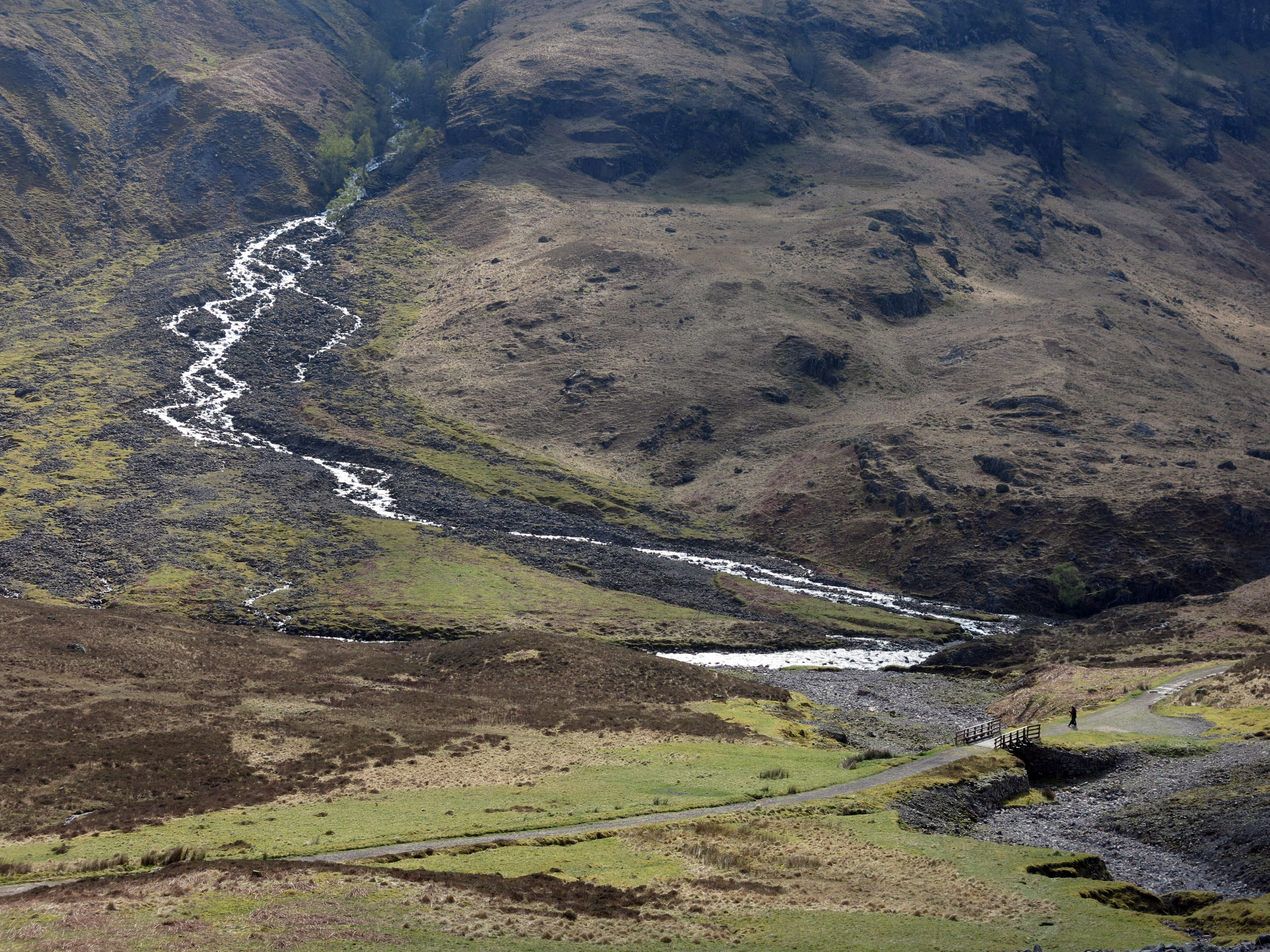
Meeting of Three Waters – A Hidden Waterfall Gem in the Scottish Highlands
If you’re chasing the roar of fresh water, mist‑kissed cliffs, and the rugged beauty of the Scottish Highlands, the Meeting of Three Waters is the waterfall you’ve been waiting for. Nestled just outside Fort William, this secluded cascade offers a perfect blend of natural drama and tranquil solitude—ideal for photographers, hikers, and anyone looking to experience Scotland’s wild heart.
1. Introduction
Imagine standing at a crossroads where three mountain streams collide, each tumbling over ancient rock before merging into a single, thunderous ribbon of water. That’s the magic of Meeting of Three Waters, a lesser‑known waterfall that lies at latitude 56.663149 and longitude ‑4.980809, just a stone’s throw from the bustling gateway town of Fort William.
While the Highlands are famous for iconic sites like the Falls of Glencoe and Ben Nevis, this hidden waterfall provides an intimate, off‑the‑beaten‑path experience. Whether you’re planning a day trip from Glasgow, a weekend adventure in the West Highlands, or a longer trek across the Great Glen, Meeting of Three Waters deserves a spot on your itinerary.
2. About Meeting of Three Waters
Description
Meeting of Three Waters is a waterfall where three separate mountain streams converge over a rocky ledge, creating a spectacular cascade that drops into a shallow pool below. The exact height of the fall isn’t recorded, adding to its mystique, but the sheer volume of water—especially after heavy rain—creates an impressive display of spray and sound.
History & Significance
The waterfall sits within the historic Glen Nevis valley, an area steeped in Gaelic folklore and centuries‑old clan history. While there are no recorded legends specifically attached to Meeting of Three Waters, the name itself reflects the natural convergence of the three watercourses, a feature that early shepherds and travelers would have used as a landmark.
Today, the site is valued by hikers and nature lovers for its relatively untouched setting. It’s also a subtle reminder of the powerful hydrology that shapes the Scottish landscape—water that carved the deep glens, fed the lochs, and powered the early industries of the Highlands.
3. How to Get There
By Car
- Start in Fort William – From the town centre, head north on the A830 (the “Road to the Isles”).
- Turn onto the B8004 – Follow signs for Glen Nevis; the road winds alongside the River Nevis.
- Park at the Glen Nevis Visitor Centre – This is the most convenient base; there’s a small car park and a café.
- Walk the Trail – From the centre, follow the well‑marked footpath heading east toward the waterfall. The trail is roughly 1.2 km (0.75 mi) round‑trip and takes about 20–30 minutes each way.
By Public Transport
- Train: Take the ScotRail service from Glasgow Queen Street to Fort William (approximately 3 hours).
- Bus: The Citylink or Stagecoach bus routes 57/58 run from Fort William to the Glen Nevis Visitor Centre during the summer months.
- From the Centre: The same walking route described above leads you straight to the waterfall.
By Foot (Long‑Distance Hikers)
If you’re trekking the West Highland Way or the Great Glen Way, you’ll pass close to Fort William. A short detour eastward from the main trail will bring you to the Glen Nevis path and the Meeting of Three Waters.
4. Best Time to Visit
| Season | Why Visit | What to Expect |
|---|---|---|
| Spring (April–May) | Snowmelt swells the streams, making the waterfall at its most powerful. | Lush green hillsides, abundant wildflowers, and fewer crowds. |
| Summer (June–August) | Long daylight hours (up to 18 hrs) give ample time for photography and exploring nearby attractions. | Warm weather, occasional rain showers that boost water flow; popular but still manageable visitor numbers. |
| Autumn (September–October) | Golden foliage adds dramatic colour to the landscape. | Cooler temperatures, crisp air, and the chance to capture mist‑filled sunrise shots. |
| Winter (November–March) | A quiet, almost mystical experience when the waterfall may freeze into icy ribbons. | Short daylight, possible icy paths—proper footwear and warm clothing essential. |
Tip: The waterfall is most spectacular after a rainstorm, regardless of season, as the three streams combine with greater force. Check the local weather forecast before heading out.
5. What to Expect
- A Short, Rewarding Walk: The trail to Meeting of Three Waters is well‑maintained, with gentle gradients suitable for most fitness levels.
- Misty Atmosphere: The cascade generates a fine mist that creates rainbows on sunny days—perfect for Instagram‑worthy shots.
- Sounds of the Highlands: The roar of water, combined with the distant call of golden eagles and the rustle of heather, offers an immersive sensory experience.
- Photography Opportunities: Position yourself on the upstream side for a frontal view of the three streams merging, or step back to capture the waterfall framed by the surrounding hills. Early morning light or late‑afternoon golden hour works best.
- Wildlife Spotting: Look out for red deer grazing near the pool, and keep an eye on the river for otters—though they’re shy, the calm pools are their favourite haunts.
6. Nearby Attractions
While you’re in the area, make the most of the stunning Highland scenery with these nearby sites (all within a 1 km radius of Meeting of Three Waters):
- Unnamed Waterfall (0.4 km) – A small, charming cascade just a short walk north of the main site. Perfect for a quick photo stop.
- Unnamed Waterfall (0.4 km) – Another petite waterfall on the opposite side of the trail, offering a different perspective of the river’s flow.
- Three Sisters Viewpoint (0.6 km) – A panoramic outlook that frames the iconic Three Sisters peaks of Glencoe.
- Falls of Glencoe (0.9 km) – One of Scotland’s most photographed waterfalls, featuring a series of dramatic drops into a deep gorge.
- Three Sisters of Glencoe (0.9 km) – A striking mountain formation that provides a dramatic backdrop for any hike.
All of these attractions are easily reachable on foot from the Glen Nevis Visitor Centre, making the area an excellent cluster for a full‑day adventure.
7. Travel Tips
- Footwear: Waterproof hiking boots with good ankle support are essential, especially after rain when the trail can be slippery.
- Clothing: Dress in layers. The Highlands can shift from sunshine to mist in minutes, and wind chill is common even in summer.
- Timing: Arrive early (before 9 am) in the high season to avoid the small but steady stream of tourists and to catch the best light for photography.
- Safety: The pool at the base can be deceptively deep and cold. Keep children and pets supervised, and avoid stepping on wet rocks near the edge.
- Leave No Trace: Pack out all litter, stay on marked paths, and respect any signage regarding wildlife protection.
- Parking: The Glen Nevis Visitor Centre lot fills quickly in summer; consider using the Fort William Park & Ride and walking the short distance to the centre.
- Food & Drink: The visitor centre café offers hot drinks and light snacks. For a picnic, bring a waterproof blanket—there are several flat stones near the waterfall that serve as natural benches.
- Connectivity: Mobile reception can be patchy; download offline maps (e.g., OS Maps) before you set off.
Ready to Chase the Cascades?
Meeting of Three Waters may not appear on every travel brochure, but that’s precisely why it feels like a secret treasure. Its easy accessibility from Fort William, combined with the raw power of three converging streams, makes it a must‑see for anyone exploring waterfalls in Scotland or the Scottish Highlands. Pack your boots, bring a camera, and let the mist of this hidden waterfall refresh your spirit.
Happy travels, and may the sound of the falls guide you to new adventures!


