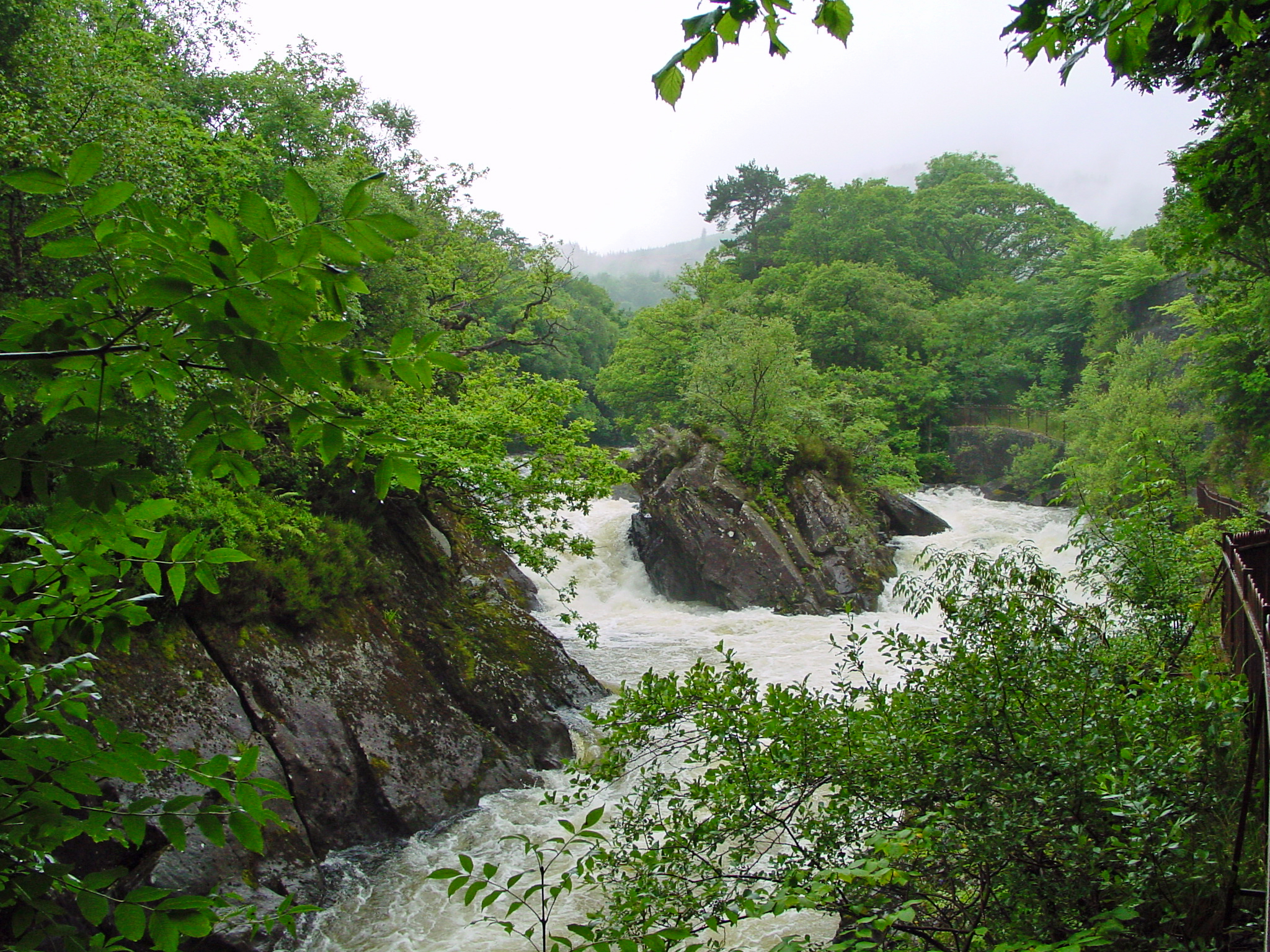
Falls of Leny – Scotland’s Hidden Waterfall Gem
If you’re chasing the roar of fresh water, mist‑kissed cliffs, and the quiet magic of the Scottish Highlands, the Falls of Leny should be at the top of your itinerary. Nestled just a few kilometres north of Callander, this unassuming cascade offers a perfect blend of natural drama and peaceful solitude—ideal for photographers, hikers, and anyone who loves a good Scottish adventure.
1. Introduction
Imagine stepping off the main road onto a narrow forest path, the scent of pine and heather filling the air, and suddenly hearing the distant rush of water over stone. That moment is the gateway to the Falls of Leny, a waterfall that may not appear on every tourist brochure, but promises an authentic slice of Scotland’s rugged beauty. Located at latitude 56.251019, longitude ‑4.273154, the falls sit in the heart of the Loch Lomond & The Trossachs National Park, making them an easy day‑trip stop for anyone exploring the Callander area.
Whether you’re a seasoned hiker, a family on a weekend getaway, or a solo traveler seeking a quiet spot to reflect, the Falls of Leny deliver a memorable experience without the crowds of more famous Scottish waterfalls like Falls of Clyde or Steall Falls.
2. About Falls of Leny
What is the Falls of Leny?
The Falls of Leny is a natural waterfall on the River Leny, a tributary that eventually joins the River Teith. The cascade tumbles over a series of rocky steps, creating a series of rapids that sparkle in the Scottish sun. While the exact height of the falls isn’t officially recorded, the water’s kinetic energy is evident in the frothy white spray that reaches the surrounding woodland.
A Brief History
Historically, the Leny area was part of the ancient Murray estate, and the river powered small-scale mills during the 18th and 19th centuries. Though the mills have long vanished, the weirs that once regulated water flow remain visible downstream, offering a glimpse into the region’s industrial past. The falls themselves have always been a natural landmark for locals and travelers alike, featuring in early travel sketches of the Highlands and more recent guidebooks as a “must‑see hidden waterfall.”
Why It Matters
Beyond its visual appeal, the Falls of Leny plays an important ecological role. The fast‑flowing water supports a healthy population of Atlantic salmon and brown trout, making the river a favorite spot for anglers (subject to local regulations). The surrounding woodlands are home to red squirrels, pine martens, and a chorus of birdlife, providing a rich backdrop for nature lovers and wildlife photographers.
3. How to Get There
By Car
- From Callander: The most straightforward route is to follow the A84 northward for about 5 km. Turn left onto the minor road signposted “Leny Water” (or simply follow the local signage for the falls). The drive takes roughly 10 minutes, with ample parking available at the designated lay‑by near the trailhead.
- From Stirling: Take the M9 to Stirling, then follow the A84 east toward Callander. After passing Callander, continue on the same road for another 5 km to the falls. The total journey is about 35 km (≈45 minutes).
By Public Transport
- Train: The ScotRail service to Callander is the nearest station. From the station, you can catch a local bus (route 57) toward Leny or hire a taxi for the short final leg.
- Bus: Stagecoach operates a regular service from Stirling to Callander; alight at Callander and transfer to a local minibus that stops near the falls during the summer months.
Walking & Cycling
The Falls of Lenny are also reachable via the West Highland Way and several local footpaths. If you’re already hiking the Trossachs, the trail from Callander to the falls is well‑marked and takes about 30 minutes on foot or 15 minutes by bike.
4. Best Time to Visit
| Season | What to Expect | Why Visit |
|---|---|---|
| Spring (Mar‑May) | Snow‑melt swells the river, creating a more powerful cascade. Wildflowers begin to bloom in the surrounding woodlands. | Ideal for photographers chasing dramatic water flow and vibrant colors. |
| Summer (Jun‑Aug) | Longer daylight hours (up to 18 hrs) and mild temperatures make the walk comfortable. The water level is moderate, perfect for a gentle misty atmosphere. | Best for families and casual hikers; nearby attractions are fully open. |
| Autumn (Sep‑Nov) | The foliage turns golden, offering a spectacular backdrop. River levels drop slightly, revealing more of the rock formations. | Great for quiet contemplation and leaf‑peeping. |
| Winter (Dec‑Feb) | The falls can be icy, and the surrounding area may have snow. Fewer visitors, creating a truly solitary experience. | For adventurous souls prepared for cold-weather hiking; the sound of the water against frozen stone is hauntingly beautiful. |
Overall, late spring to early autumn provides the most reliable conditions for most visitors, but the falls retain their charm year‑round.
5. What to Expect
The Walk
The trail to the Falls of Leny is a well‑maintained, moderate‑grade path of about 1 km (round‑trip). The route is mostly level, with a few gentle inclines through mixed pine and birch woodland. Wooden boardwalk sections protect the delicate riverbank and keep your feet dry during wetter periods.
The View
Upon reaching the viewpoint, you’ll be greeted by a broad curtain of water that drops over a series of basalt ledges, creating a frothy, white‑capped spectacle. The surrounding rocks are covered in moss, and the mist creates a subtle rainbow on sunny days. A small wooden bench lets you sit and soak in the sound of rushing water—a perfect spot for a picnic or a quick meditation break.
Wildlife
Keep an eye out for red squirrels darting among the trees, and you may hear the distant call of a golden‑eyed warbler. If you’re lucky, a salmon can be seen leaping upstream during the spawning season (typically late summer).
Photography
The falls are most photogenic from the lower viewpoint, where you can capture the full height of the cascade against a backdrop of towering pines. Early morning light or late afternoon golden hour adds a warm glow, while a slight overcast can enhance the contrast of the water’s white foam.
6. Nearby Attractions
While the Falls of Leny are the star of the show, the surrounding area offers several other natural and historic points of interest within a short drive or walk:
- Falls of Leny (rapids) – Just a stone’s throw away, these rapid sections of the River Leny provide excellent spots for experienced kayakers and offer a different perspective on the water’s power.
- Unnamed Weir (2.1 km) – A historic weir built to regulate water flow for old mills. It’s a quiet spot for birdwatching and offers a glimpse into the region’s industrial heritage.
- Unnamed Waterfall (2.3 km) – A smaller cascade tucked in a secluded glen, perfect for a short side‑trip if you’re looking for more waterfall action.
- Additional Weirs (2.3 km each) – Two more historic weirs dot the landscape, each surrounded by mature woodland and ideal for a leisurely stroll.
(For exact coordinates and up‑to‑date opening information, check the local tourism website or the Trossachs National Park visitor centre.)
7. Travel Tips
| Tip | Details |
|---|---|
| Dress in layers | Scottish weather can change quickly. Waterproof jackets and sturdy walking shoes are a must, even in summer. |
| Bring a picnic | There are no cafés at the falls, but the nearby bench and picnic tables make for a pleasant lunch spot. |
| Respect the environment | Stay on marked paths, especially near the water’s edge, to protect the fragile moss and avoid slipping on wet rocks. |
| Check river conditions | After heavy rain, the water level can rise dramatically, making the rocks slippery. If the flow looks dangerous, turn back. |
| Parking | The designated car park fills up quickly on weekends in summer. Arrive early or consider using the Callander bus service. |
| Photography gear | A polarizing filter helps reduce glare on the water, and a tripod can be useful for low‑light shots during autumn or winter. |
| Wildlife watching | Bring binoculars if you’re keen on spotting birds or the occasional otter. Early morning offers the best chances. |
| Local events | The Callander Summer Festival (July) often includes guided walks that feature the Falls of Leny. Check the schedule before you travel. |
Final Thought
The Falls of Leny may not have the towering height of Scotland’s most famous waterfalls, but its blend of natural drama, easy accessibility, and tranquil surroundings make it a standout destination for anyone exploring the Scottish Highlands. Add it to your travel itinerary, lace up your boots, and let the misty spray of the Leny River refresh your spirit.
Happy travels, and may the sound of the falls guide you to new adventures!