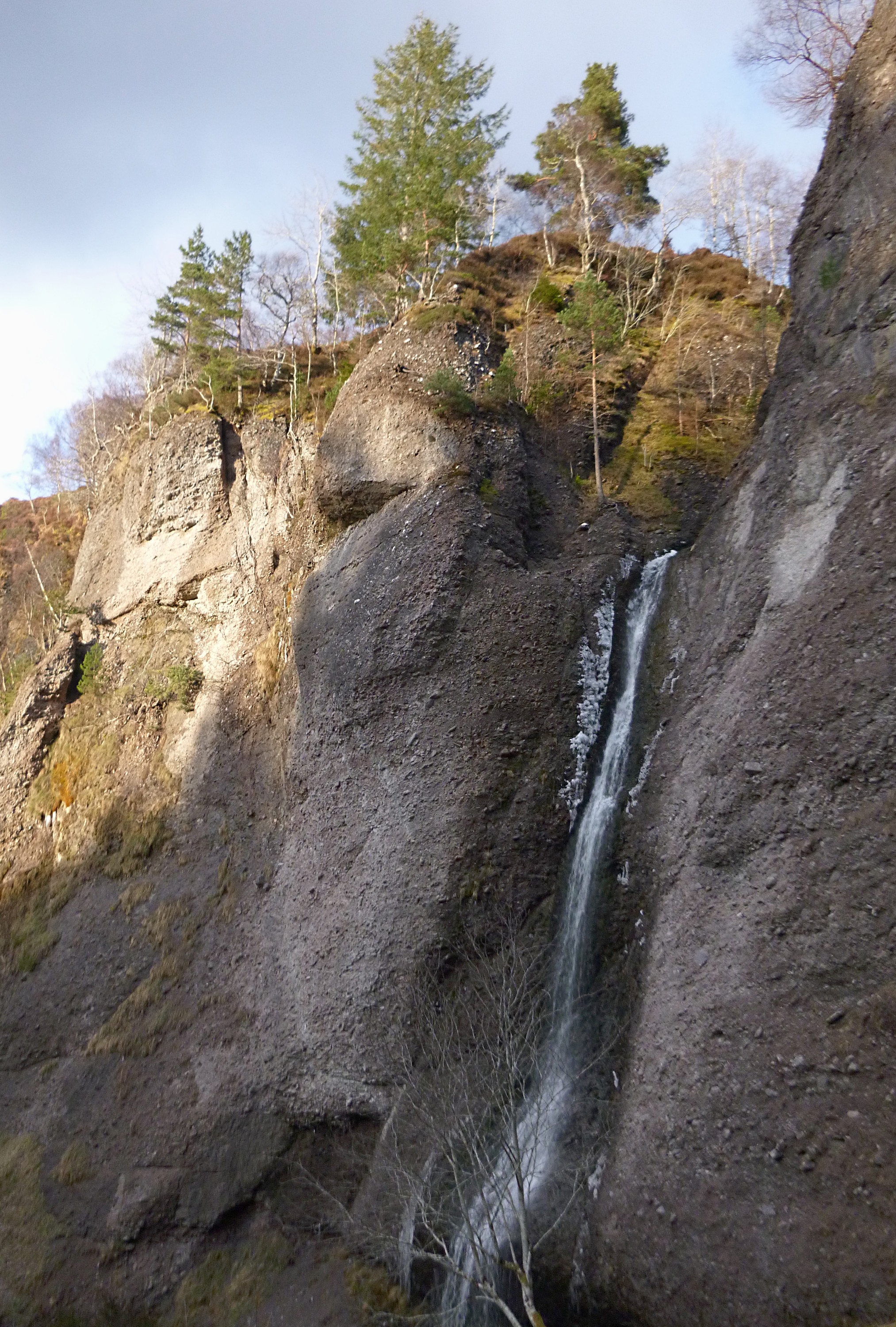
Culnaskiach Falls – Scotland’s Hidden Waterfall Gem
Discover the tranquil beauty of Culnaskiach Falls, a lesser‑known waterfall tucked away near Beauly in the Scottish Highlands. Whether you’re a seasoned hiker, a photography enthusiast, or simply craving a peaceful spot to unwind, this natural wonder offers a slice of Scottish serenity that’s hard to find elsewhere.
1. Introduction
Imagine a curtain of crystal‑clear water spilling over moss‑draped rocks, the sound of the cascade echoing through a quiet glen, and the scent of pine and heather filling the air. That’s Culnaskiach Falls for you—a modest yet mesmerizing waterfall that sits just a short drive from the historic town of Beauly, Scotland. While it doesn’t boast the towering height of the famous Falls of Glencoe, its charm lies in its unspoiled setting, easy accessibility, and the sense of discovery that comes with visiting a truly off‑the‑beaten‑path attraction.
If you’re planning a road trip through the Scottish Highlands, a weekend getaway to Inverness, or a day of exploring the Scottish countryside, Culnaskiach Falls should earn a spot on your itinerary. In this guide, we’ll dive into everything you need to know: the waterfall’s background, how to get there, the best time to visit, what you’ll experience on arrival, nearby attractions, and practical travel tips to make your visit smooth and unforgettable.
2. About Culnaskiach Falls
A Quiet Corner of the Highlands
Culnaskiach Falls (pronounced CULL‑nah‑ske‑ah) is a small waterfall located at the coordinates 57.390461, -4.520889, just a few kilometres south‑west of the village of Beauly in the Highland council area. The falls sit along a modest burn (Scottish term for a stream) that eventually feeds into the River Beauly, a waterway that has shaped the surrounding landscape for centuries.
History & Significance
Unlike some of Scotland’s more famous waterfalls that are linked to legends or historic battles, Culnaskiach Falls is primarily celebrated for its natural beauty and its role in the local ecosystem. The area around the falls has long been used for low‑intensity agriculture and grazing, and the surrounding woodlands are home to native flora such as heather, birch, and Scots pine.
While the exact height and altitude of the falls remain undocumented, the lack of commercial development around the site has helped preserve its pristine condition. The waterfall is referenced in the Wikipedia entry for Culnaskiach Falls, confirming its status as a recognized natural feature within the Scottish Highlands.
Why It Matters
For nature lovers, Culnaskiach Falls offers a glimpse into the quieter side of Scotland’s waterway network—one that isn’t crowded with tourists yet still provides a rewarding outdoor experience. Photographers will appreciate the soft, diffused light that often filters through the surrounding canopy, creating perfect conditions for capturing long‑exposure shots of the flowing water.
3. How to Get There
By Car
The most straightforward way to reach Culnaskiach Falls is by car. From Inverness, follow the A862 south toward Beauly. After passing through the town, continue on the B862 for about 5 km. Look for a small, well‑marked turnoff onto a minor road that leads to a modest parking area near the burn. The drive is scenic, with rolling hills and occasional glimpses of the River Beauly.
Estimated driving time: 20‑25 minutes from Inverness; 10‑12 minutes from Beauly.
Public Transport
While there is no direct bus service to the falls, you can take a Scottish Citylink or Stagecoach bus to Beauly and then hire a local taxi for the final 5 km stretch. Some local tour operators also offer “highland waterfall” day trips that include a stop at Culnaskiach Falls.
Walking & Hiking
If you enjoy a gentle hike, the falls are reachable via a 2‑km walking trail that starts near the parking area. The path is well‑trodden, mostly flat, and suitable for all fitness levels. Along the way, you’ll pass through a mix of open grassland and light woodland—perfect for spotting local wildlife such as red deer, grouse, and occasionally otters near the water.
4. Best Time to Visit
Spring (March – May)
Spring brings a burst of new growth. The surrounding heather begins to flower, and the water flow is typically strong due to snowmelt upstream. This is an excellent time for photography, as the light is soft and the landscape is vibrant.
Summer (June – August)
Summer offers the warmest temperatures (often 15‑20 °C) and longer daylight hours—ideal for a leisurely afternoon at the falls. However, be prepared for occasional mid‑summer rain showers, which can actually enhance the waterfall’s volume.
Autumn (September – November)
Autumn paints the Highlands in shades of gold, amber, and deep red. The falls are quieter, and the crisp air adds a refreshing feel to your hike. The water level may dip slightly after the summer rains, but the scenery more than compensates.
Winter (December – February)
Winter visits are for the adventurous. While the flow may reduce and the surrounding area can be frosty, the falls sometimes develop a delicate ice formation that creates a magical winter tableau. Proper waterproof footwear and warm clothing are essential.
Overall recommendation: Late spring to early autumn (May‑September) provides the most reliable water flow, comfortable weather, and abundant daylight for exploring Culnaskiach Falls.
5. What to Expect
The Experience
Upon arriving at the modest parking area, you’ll follow a short, well‑marked trail that leads you through a quiet glen. The sound of the water becomes audible before you even see it—a gentle, rhythmic rush that builds anticipation. As you emerge into a small clearing, the waterfall reveals itself: water spilling over a series of low, rounded rocks, creating a series of mini‑cascades that tumble into a clear pool below.
The pool is shallow enough to wade in during warm days, though the water can be chilly year‑round. The surrounding rocks are covered in soft moss and lichen, giving the whole scene a lush, emerald hue.
Photographic Highlights
- Long‑exposure shots: Use a tripod to capture silky water motion against the static rocks.
- Framing with foliage: The surrounding birch and heather can be used to frame the falls, adding depth.
- Seasonal colors: Autumn foliage and spring heather provide natural color palettes.
Wildlife & Flora
Keep an eye out for red squirrels, a species that thrives in the Highland woodlands, as well as songbirds like the willow warbler. The water’s edge may also attract dragonflies and, in summer, butterflies.
6. Nearby Attractions
While Culnaskiach Falls is the star of the show, the surrounding area offers several points of interest that can easily be combined into a full day of exploration. All are within a 10 km radius, making them perfect for a leisurely itinerary.
| Attraction | Distance | What to See | Link |
|---|---|---|---|
| Nearby Dam | 5.0 km | Scenic reservoir, walking paths | Visit Dam |
| Nearby Fountain | 5.9 km | Historic stone fountain, picnic area | Visit Fountain |
| Second Dam | 6.1 km | Small hydro‑electric site, birdwatching | Visit Dam |
| Local Spring | 7.1 km | Natural spring water source, tranquil spot | Visit Spring |
| The Cruives (Weir) | 7.3 km | Traditional weir, great for fishing | Visit The Cruives |
Tip: Many of these sites are accessible via the same minor roads that lead to Culnaskiach Falls, so you can plan a circular route that lets you enjoy multiple natural highlights without backtracking.
7. Travel Tips
| Tip | Details |
|---|---|
| Parking | The designated parking area holds 5–6 cars. Arrive early during peak summer weekends to secure a spot. |
| Footwear | Wear waterproof hiking boots or sturdy walking shoes with good grip; the trail can be slippery near the water. |
| Weather | Scottish weather changes quickly. Pack a waterproof jacket, layers, and a hat regardless of the season. |
| Leave No Trace | The area is a protected natural site. Carry out all litter, stay on marked paths, and avoid disturbing wildlife. |
| Photography Gear | A tripod and a neutral density filter are useful for long‑exposure shots of the water. |
| Food & Drink | There are no cafés at the falls. Pack a snack and a water bottle. Nearby Beauly offers several pubs and cafés if you need a hot meal. |
| Mobile Signal | Coverage can be spotty. Download offline maps (e.g., OS Maps) before you set off. |
| Safety | The pool at the base of the falls can be slippery. Keep children supervised and avoid climbing on wet rocks. |
| Seasonal Access | In winter, the path may be icy. Consider using microspikes or crampons for added traction. |
Final Thoughts
Culnaskiach Falls may not dominate travel brochures, but that’s precisely what makes it a treasure for the curious traveler. Its gentle cascade, surrounding Highland scenery, and peaceful atmosphere provide a perfect escape from the hustle of city life. Pair it with a visit to nearby dams, springs, and the historic The Cruives weir, and you’ll have a full day of authentic Scottish nature experiences.
So pack your boots, charge your camera, and set your GPS to 57.390461, -4.520889. The hidden waterfall of Culnaskiach awaits—ready to refresh your senses and add a quiet, unforgettable chapter to your Scottish adventure.
Happy travels, and may the misty spray of Culnaskiach Falls inspire your next great story!