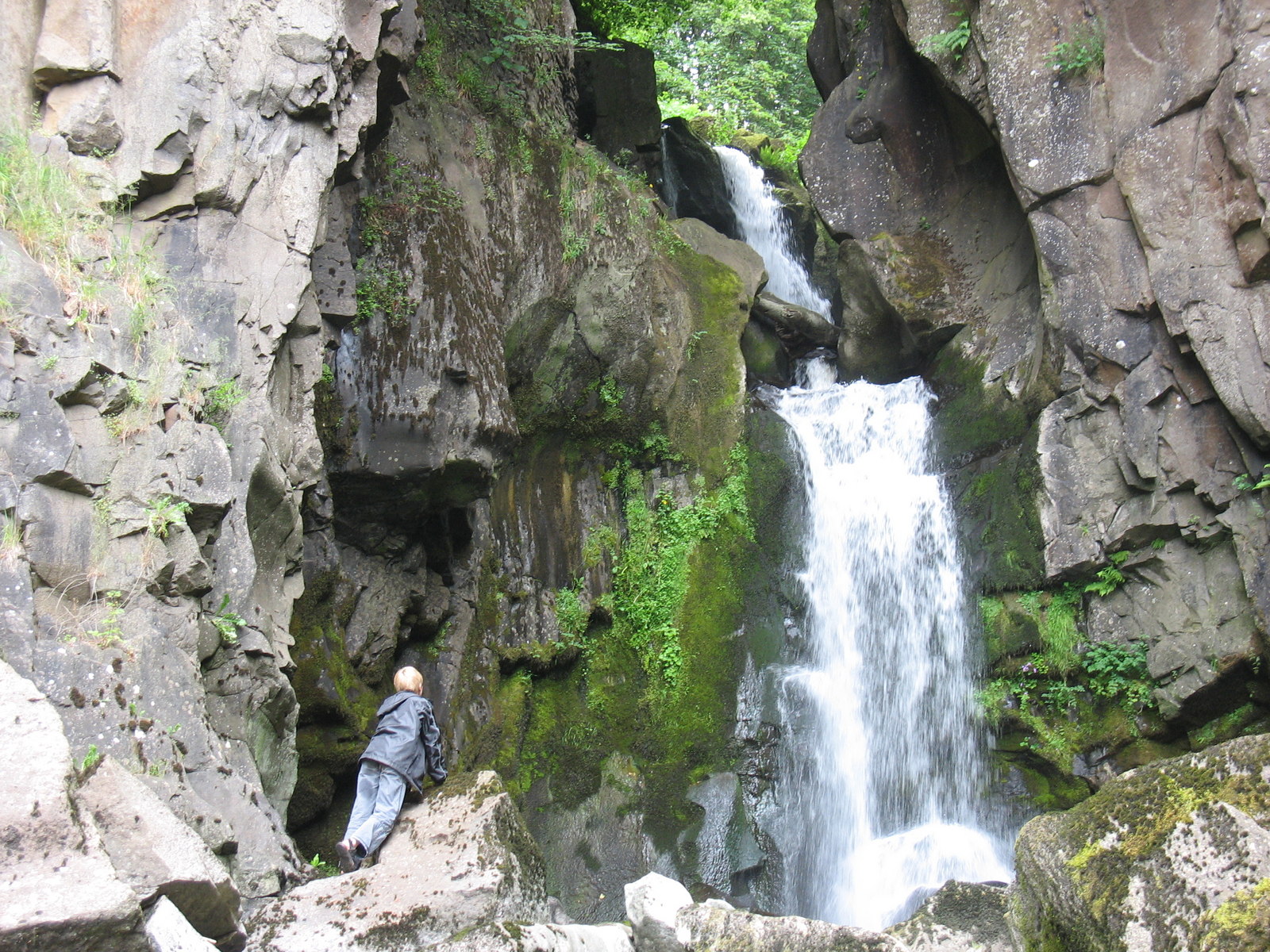
Cauldron Linn – Scotland’s Hidden Waterfall Gem
Discover the thundering beauty of Cauldron Linn, a secluded waterfall tucked away in the rugged landscape of Saline, Scotland. Whether you’re a seasoned hiker, a photography enthusiast, or simply chasing the misty magic of Scottish nature, Cauldron Linn promises an unforgettable experience.
1. Introduction
Imagine standing on a moss‑covered riverbank, the roar of water echoing through a narrow glen, and a veil of spray kissing your face. That moment is exactly what awaits you at Cauldron Linn, one of Scotland’s most atmospheric waterfalls. Nestled in the heart of the River Devon watershed, this hidden cascade is a favorite among locals who know its secret path, yet it remains a well‑kept secret for most visitors. If you’re planning a Scottish adventure that blends dramatic scenery with tranquil solitude, add Cauldron Linn to your itinerary – it’s the perfect spot to feel the pulse of the Highlands without the crowds.
2. About Cauldron Linn
A Brief Description
Cauldron Linn (pronounced “caw‑drən lin”) is a powerful waterfall on the River Devon near the small community of Saline in central Scotland. The name “Linn” is a Scots word for a waterfall or pool, and the “Cauldron” descriptor evokes the swirling, bowl‑shaped plunge pool that forms at the base of the falls. While the exact height of the cascade is not officially recorded, the water tumbles over a rugged rock ledge, creating a deep, turbulent pool that looks as though it could boil—hence the name.
Historical Context
The waterfall has long been a point of reference for travelers navigating the Devon Valley. Historically, the surrounding area was used for sheep farming and timber extraction, and the river powered several small mills and dams in the 18th and 19th centuries. Although the original industrial structures have long disappeared, remnants of old weirs and dam foundations can still be spotted along the river, offering a glimpse into the region’s utilitarian past.
Cultural Significance
In Scottish folklore, waterfalls like Cauldron Linn were often considered portals to the Otherworld, places where spirits dwelled. While there are no specific legends tied to this particular linn, the mystique of a roaring cascade surrounded by ancient stone and heather has inspired countless local stories and poems. Today, the waterfall is celebrated by nature lovers and photographers for its raw, untamed beauty.
3. How to Get There
By Car
The easiest way to reach Cauldron Linn is by road. From Edinburgh, take the M8 westbound, then join the A71 toward Falkirk. After passing the town of Falkirk, follow signs for Stirling and then the A811 to Bridge of Allan. From there, head north on the B824 toward Saline.
- Parking: A small lay‑by off the B824 provides limited parking. Arrive early, especially on weekends, as spaces fill quickly.
By Public Transport
- Train: Take a ScotRail service from Edinburgh or Glasgow to Stirling.
- Bus: From Stirling, catch the Stagecoach bus (route 25) to Saline. The bus stop is a short 10‑minute walk from the trailhead.
Walking the Trail
The trail to Cauldron Linn starts at the Saline Bridge (grid reference NS 896 862). From the parking area, follow the well‑marked footpath that runs alongside the River Devon. The walk is moderately steep and takes about 45 minutes each way.
- Coordinates: 56.171619, -3.604479 – plug these into your GPS or mapping app for precise navigation.
- Trail Conditions: The path is rocky and can be slippery after rain. Good walking boots and a trekking pole are recommended.
4. Best Time to Visit
| Season | What to Expect | Why It’s Ideal |
|---|---|---|
| Spring (Mar‑May) | Fresh green foliage, abundant wildflowers, moderate river flow. | The landscape awakens, making for vibrant photos and comfortable hiking temperatures (8‑15 °C). |
| Summer (Jun‑Aug) | Stronger water volume, longer daylight hours (up to 17 h of daylight). | Ideal for late‑day photography; however, crowds can increase on weekends. |
| Autumn (Sep‑Nov) | Golden‑coloured heather, dramatic sky, lower water levels. | The misty atmosphere enhances the “cauldron” effect, and the cooler air makes for a pleasant trek. |
| Winter (Dec‑Feb) | Snow‑capped hills, frozen river edges, powerful winter flow. | For the adventurous, winter offers a stark, dramatic backdrop—just be prepared for icy paths and limited daylight. |
Overall recommendation: Late spring to early autumn (May‑September) provides the most reliable footing and the best combination of scenery and water flow.
5. What to Expect
The Walk
The approach to Cauldron Linn is a forest‑lined trek that winds through mixed oak, birch, and pine. You’ll hear the river’s murmur grow louder with each step, and occasional red deer may cross the path. The trail is marked with occasional cairns, and a small wooden bridge spans a tributary near the midway point.
The Waterfall Experience
Upon reaching the clearing, the waterfall bursts into view: a single sheet of water plunges into a deep, swirling pool, sending spray high into the air. The sound is both thunderous and soothing, creating a natural amphitheater where the echo of the cascade bounces off the surrounding cliffs. The pool’s surface is often peppered with lily pads and aquatic plants, while the surrounding rocks are slick with moss.
- Photography tip: Position yourself on the left bank (south side) for the best light in the early morning, and on the right bank (north side) for sunset hues. A polarizing filter helps cut glare and brings out the rich greens of the foliage.
Wildlife & Flora
- Birds: You’ll likely spot golden eagles soaring above the glen, and smaller species such as kingfishers darting near the water.
- Plants: The area is rich in heather, bluebells (in spring), and wild thyme that releases a pleasant scent when brushed against.
6. Nearby Attractions
While Cauldron Linn is the star of the show, the surrounding Devon Valley offers several other points of interest that can easily be added to a day‑trip itinerary:
| Attraction | Type | Approx. Distance | Why Visit |
|---|---|---|---|
| Unnamed Waterfall | Waterfall | 0 km (within the same glen) | A secondary cascade that provides a quieter spot for picnics. |
| Historic Dam | Dam | 0 km (adjacent to the river) | Remnants of 19th‑century water management; great for history buffs. |
| Upper Dam | Dam | 2.4 km north | Offers panoramic views of the river’s upstream stretch. |
| Lower Dam | Dam | 4.2 km south | Ideal for a short walk and bird‑watching. |
| River Weir | Weir | 4.5 km east | A small engineering feature that demonstrates traditional river control. |
Note: Specific names are not listed on public maps, but these features are visible from the trail and can be explored on foot.
7. Travel Tips
| Tip | Details |
|---|---|
| Footwear | Waterproof hiking boots with good ankle support are essential. The riverbank can be slippery, especially after rain. |
| Clothing | Dress in layers. A waterproof jacket and breathable base layers will keep you comfortable in changing weather. |
| Safety | The pool at the base of the falls is deep and fast‑moving. Do not attempt to swim; the rocks are slippery and the water can be cold. |
| Leave No Trace | Pack out all litter, stay on marked paths, and avoid disturbing wildlife. The area’s fragile mosses can take decades to recover. |
| Timing | Arrive early (before 9 am) in summer to avoid the small weekend crowd and to catch the soft morning light. |
| Photography Gear | A tripod, a wide‑angle lens (14‑24 mm), and a neutral density filter help capture the silky motion of the water. |
| Food & Drink | Bring a packed lunch and plenty of water. There are no facilities on site. |
| Connectivity | Mobile signal is limited; download offline maps (e.g., OS Maps) before you set out. |
| Nearby Amenities | The village of Saline (2 km away) offers a small café, a local shop, and public restrooms. |
| Seasonal Considerations | In winter, the path may be icy; consider using microspikes or crampons. In spring, be prepared for higher water flow after heavy rain. |
Final Thoughts
Cauldron Linn may not have the fame of Falls of Clyde or Steall Waterfall, but its raw power, secluded setting, and the sense of stepping into a living landscape make it a must‑see for any traveler seeking authentic Scottish wilderness. Follow the trail, breathe in the mist, and let the roar of the water remind you why Scotland’s natural wonders continue to capture imaginations worldwide.
Ready to chase the cascade? Pack your boots, grab your camera, and head to Cauldron Linn – the hidden heart of the River Devon awaits.
For more information, see the official Wikipedia entry: Cauldron Linn (River Devon).