Introduction
If you’re wandering the emerald hills of County Down and crave a touch of mystique, you’ve probably heard whispers about St. Patrick’s Wells – a tranquil spring that has been drawing pilgrims and curious travelers for centuries. Nestled just outside the historic town of Downpatrick, this sacred water source offers more than just a picturesque spot for a photo; it’s a living piece of Irish folklore, a quiet sanctuary for reflection, and a perfect starting point for exploring the rugged beauty of Northern Ireland. In this guide we’ll dive into the story, the scenery, and the practical details you need to make the most of a visit to this enchanting spring.
About St. Patrick’s Wells
A holy spring with ancient roots
St. Patrick’s Wells, also known as Struell Wells, comprise a small cluster of natural springs that have been revered since early Christian times. According to local tradition, the wells were blessed by St. Patrick himself, the patron saint of Ireland, and have served as a pilgrimage destination for over a thousand years. The name “Struell” derives from the Irish sruthail, meaning “stream” – a fitting tribute to the gentle flow that emerges from the earth at this spot.
Historical significance
The wells sit on a modest plot of land just a few minutes’ walk from the Downpatrick town centre, yet they have played a surprisingly prominent role in the spiritual life of the region. Medieval manuscripts record annual St. Patrick’s Day rituals where the faithful would travel to the springs to drink the water, believing it possessed healing properties. Over the centuries, the site has survived the turbulence of the Reformation, the Plantation of Ulster, and the modern era, remaining a quiet testament to Ireland’s deep connection with its natural landscape.
Why the wells matter today
In contemporary times, St. Patrick’s Wells continue to attract both believers and sightseers. The spring’s clear water is still offered to visitors who wish to partake in the age‑old tradition of “well‑blessing.” Whether you’re a history buff, a spiritual seeker, or simply a lover of serene outdoor spaces, the wells provide a rare glimpse into a living piece of Irish heritage that blends mythology, faith, and nature.
How to Get There
By car
- From Belfast: Take the A24 south toward Newry, then follow the signs for Downpatrick (approximately 30 km/19 mi). Once in town, turn onto the Struell Road (R173) and follow the local signs to the wells. Parking is available in a small lay‑by near the site; a short, well‑marked footpath leads you the final 200 m to the spring.
- From Dublin: The drive is longer (≈ 2 hours). Follow the M1 to the A1, then the A2 toward Newry and the A24 to Downpatrick.
By public transport
- Train: The Northern Ireland Railways line runs from Belfast to Downpatrick (approx. 45 min). Get off at Downpatrick Station, then catch a local bus or a short taxi ride to the Struell Road entrance.
- Bus: Ulsterbus routes 9 and 9A connect Belfast and Newry with Downpatrick. The main bus stop is a few minutes’ walk from the town centre; from there you can either walk (≈ 15 min) or take a quick taxi to the wells.
On foot or by bike
The area around Downpatrick is popular with walkers and cyclists. The Struell Trail is a gentle 2‑km loop that starts at the town centre, passes the wells, and offers scenic views of the surrounding countryside. Bring comfortable shoes and a rain‑proof jacket – the Irish weather can change quickly!
Best Time to Visit
| Season | Highlights | Practical notes |
|---|---|---|
| Spring (March‑May) | The surrounding fields burst into a carpet of wildflowers; the water feels especially fresh after the winter rains. | Ideal for photography; pack a light waterproof jacket. |
| Summer (June‑August) | Long daylight hours allow for leisurely exploration of nearby attractions. | Expect occasional crowds on weekends; arrive early for a quieter experience. |
| Autumn (September‑November) | Golden foliage creates a magical backdrop; the air is crisp and the spring’s mist is often visible. | Perfect for a peaceful walk; bring warm layers. |
| Winter (December‑February) | The wells take on a mystical, almost ethereal quality when shrouded in mist. | Shorter daylight; check weather forecasts and be prepared for slippery paths. |
Overall, late spring to early autumn offers the most comfortable weather and vibrant scenery, making it the optimal window for most travelers.
What to Expect
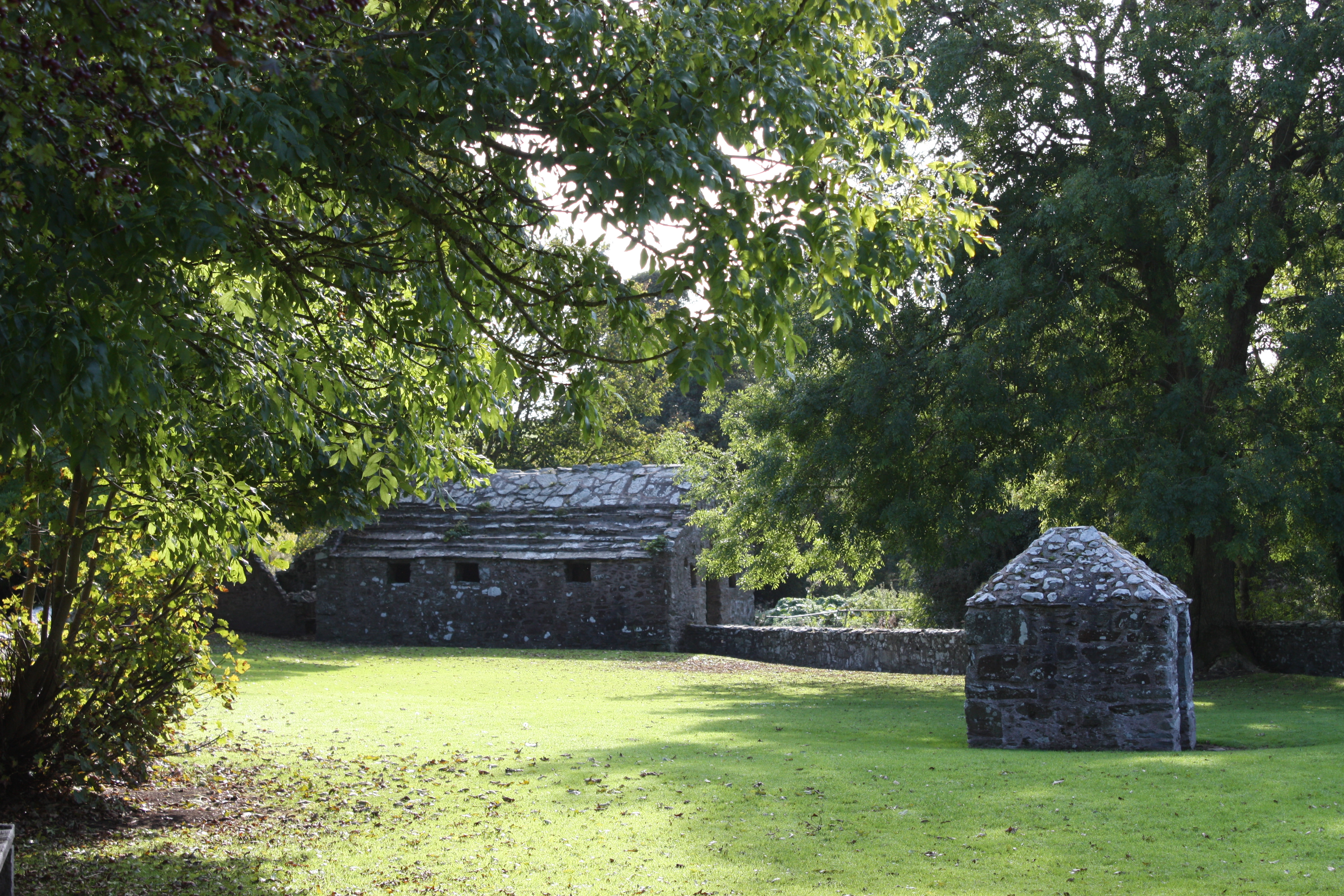
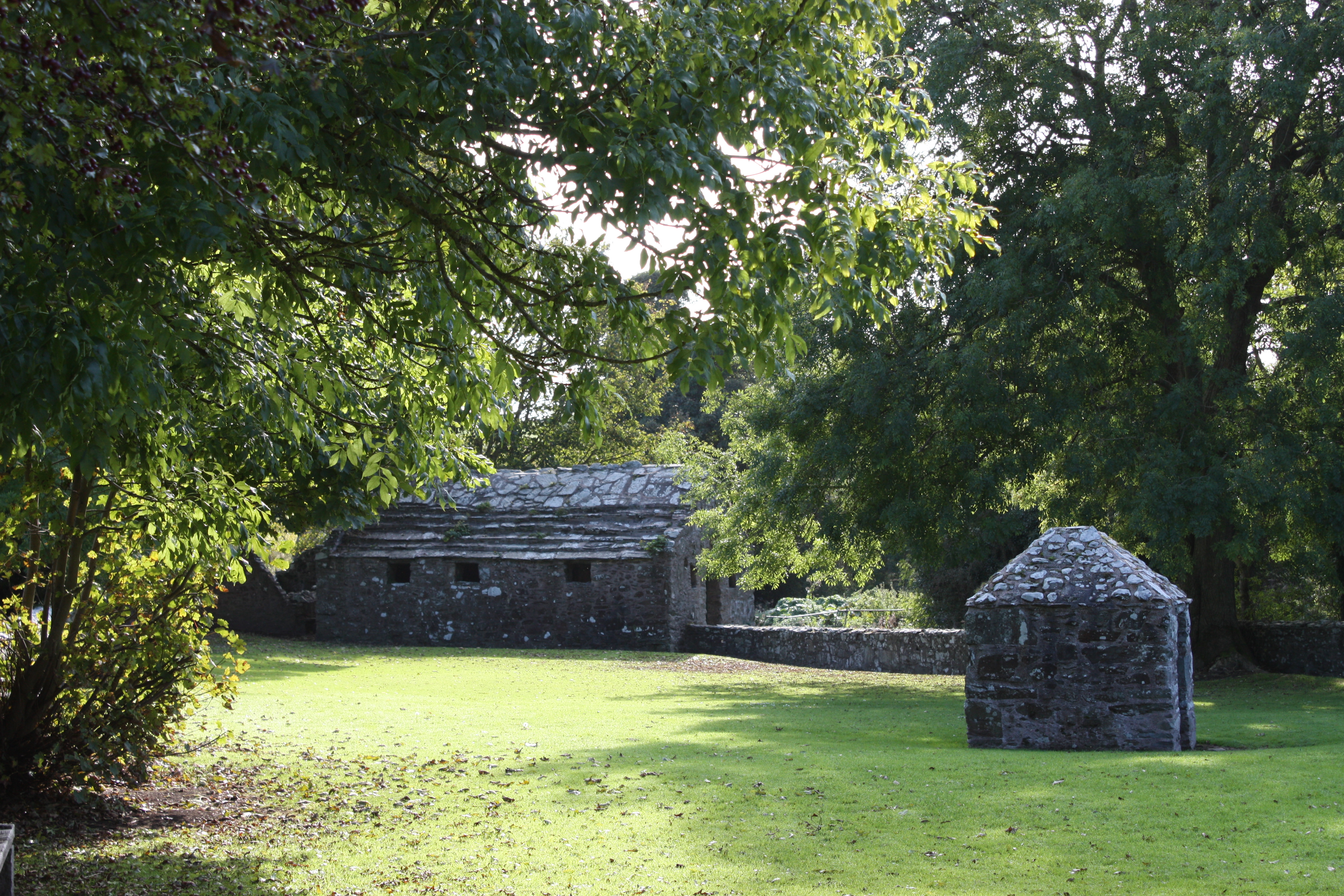
When you arrive at St. Patrick’s Wells, you’ll be greeted by a modest stone enclosure surrounding three small, crystal‑clear basins. The sound of water gently bubbling over smooth stones creates a calming soundtrack that seems to pause time.
- Atmosphere: The site is quiet, with only occasional visitors or local worshippers. You’ll often see a simple wooden bench where people sit to reflect or enjoy a quiet moment.
- Facilities: There are no commercial facilities directly at the wells, but a small information board provides a brief history and explains the well‑blessing tradition. Restrooms are available a short walk away in the Downpatrick visitor centre.
- Photography: The natural lighting can be soft and diffused, especially on overcast days – a boon for photographers seeking a moody, atmospheric shot. The surrounding hedgerows and distant hills frame the wells beautifully.
If you’re interested in the spiritual side, you can partake in the traditional practice of drinking a sip of the water while making a personal wish or prayer. Many visitors report a sense of calm and renewal after the experience.
Nearby Attractions
Your visit to St. Patrick’s Wells can easily become a full day of exploration in County Down. Here are a few highlights within a short drive:
- Mearing Well (≈ 2.3 km) – Another historic spring, perfect for a quick stop to compare the distinct mineral tastes of local waters.
- Old Quoile Barrier (≈ 3.1 km) – A historic dam that offers scenic walking paths along the River Quoile and excellent bird‑watching opportunities.
- [Struell Wells] (https://en.wikipedia.org/wiki/Struell_Wells) – The official Wikipedia page provides deeper insight into the wells’ heritage and the legends surrounding St. Patrick.
- Downpatrick Museum & Cathedral (in town) – Dive into the life of St. Patrick and the early Christian era with exhibits and the impressive cathedral where his relics are kept.
- Local Weir (≈ 7.7 km) – A picturesque spot for anglers and nature lovers, offering tranquil water views and a chance to spot otters.
Each of these sites can be reached within a 10‑minute drive, allowing you to craft a flexible itinerary that blends history, nature, and local culture.
Travel Tips
- Dress for the weather – Irish climate is famously changeable. Layered clothing, waterproof shoes, and a compact umbrella are travel essentials.
- Respect the site – St. Patrick’s Wells is a place of reverence. Keep noise to a minimum, stay on the designated path, and avoid littering.
- Timing – Arrive early (especially in summer) to avoid the small weekend crowds and enjoy the serenity of the morning mist.
- Stay connected – Mobile signal can be patchy near the wells. Download offline maps (e.g., Google Maps offline area) before you set out.
- Combine with local food – Downpatrick offers cozy pubs and cafés. Try a traditional Irish stew or a pint of locally brewed ale after your visit.
- Parking – The lay‑by near the wells fills up quickly on busy days. If it’s full, park in the town centre and walk the short distance.
- Accessibility – The final approach to the wells includes a gentle, uneven stone path. While most able‑bodied visitors can manage, those with limited mobility may prefer to admire the site from the viewpoint at the entrance.
Final Thoughts
St. Patrick’s Wells may not be the most famous Irish landmark, but its quiet charm, deep-rooted history, and stunning natural setting make it a hidden gem for any traveler exploring Northern Ireland. Whether you’re tracing the footsteps of ancient pilgrims, seeking a peaceful spot to pause on a road trip, or simply craving a glimpse of Ireland’s mystical side, this sacred spring offers an unforgettable experience. Pack your camera, bring an open heart, and let the gentle flow of the wells inspire your own journey through the emerald isle. Safe travels!