St. Patrick’s Wells – A Hidden Spring Gem in Downpatrick, Northern Ireland
If you’re chasing the quiet magic of ancient holy sites, the gentle murmur of a centuries‑old spring may be your perfect destination. Nestled just outside the historic town of Downpatrick, St. Patrick’s Wells (also known as the Struell Wells) offers a serene blend of spirituality, natural beauty, and Irish folklore—all in one easy‑to‑reach spot.
About St. Patrick’s Wells
St. Patrick’s Wells is a small cluster of natural springs located at 54.324181, ‑5.677132 in the rolling countryside of County Down. Though the exact height and altitude remain unrecorded, the wells have been a focal point of pilgrimage for more than a millennium.
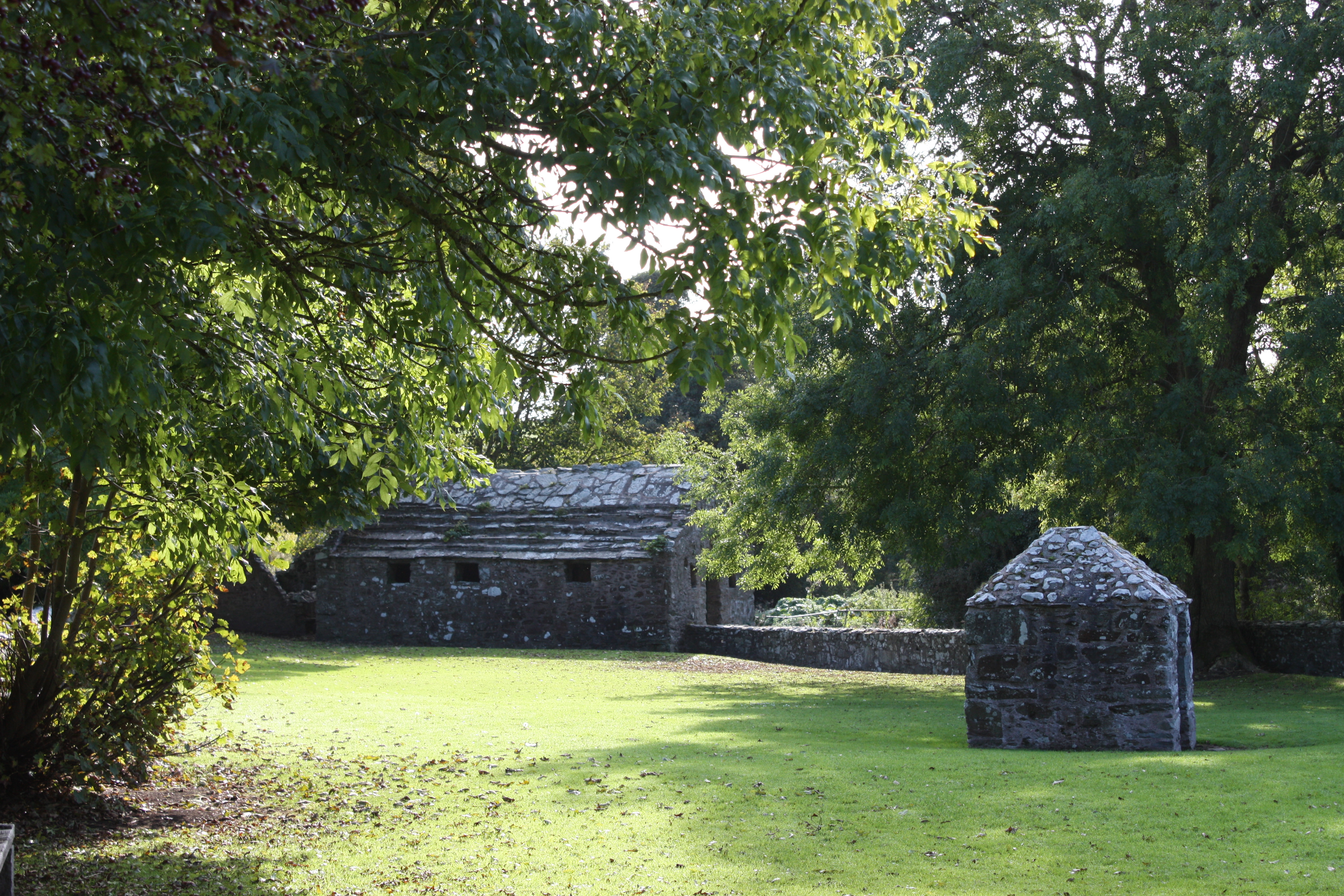
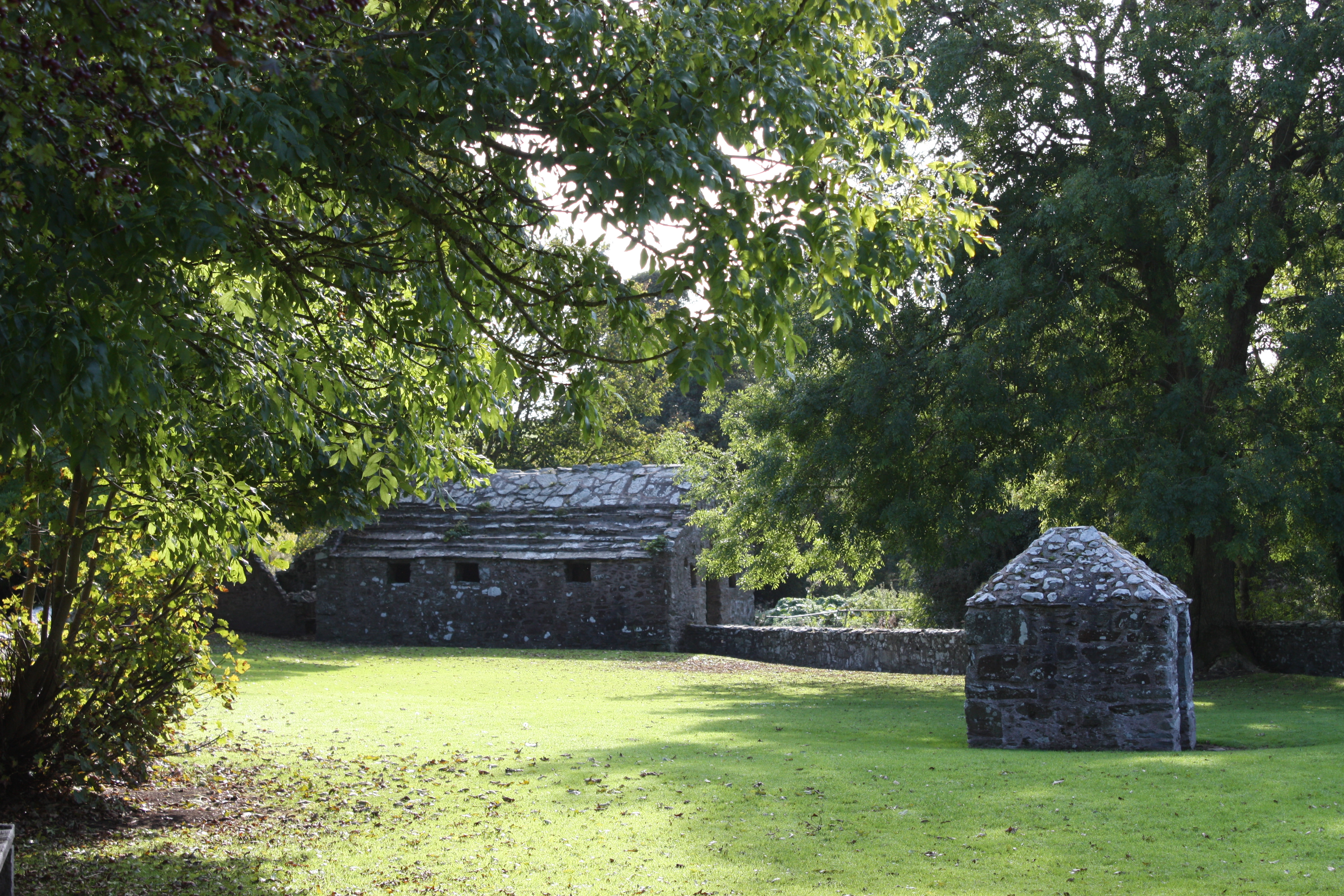
According to the Struell Wells Wikipedia page, the site is traditionally linked to Saint Patrick himself. Legend says the saint used the water for baptisms and healing rituals, and the wells quickly became a place of reverence for early Christians across Ireland. Over the centuries, the wells have been maintained by local caretakers, and a modest stone‑built well house shelters the springheads, preserving their tranquil atmosphere.
The wells are not just a religious landmark; they are also a cultural heritage site that reflects the Celtic tradition of seeking sacred water sources. Visitors often leave small tokens—coins, ribbons, or prayer cards—near the stone walls, continuing a practice that dates back to the medieval period.
How to Get There
By Car
- From Belfast: Take the A2 southbound toward Newry, then follow the signs for Downpatrick (approximately 55 km, 1‑hour drive). Once in Downpatrick, turn right onto the B20 and follow the local road signs to the Struell Well House, just a few minutes outside town.
- From Dublin: The M1 → A1 → A2 route brings you to the outskirts of Downpatrick in about 2 hours. Parking is available in a small lot beside the well house; a short, well‑marked path leads to the springs.
By Public Transport
- Train: The Northern Ireland Railways service runs regular trains from Belfast to Downpatrick. From the Downpatrick station, a local taxi (≈ 5 min) or a 20‑minute walk (follow the signposted footpath) will bring you to the wells.
- Bus: Ulsterbus routes 2 and 7 connect Belfast and Newry with Downpatrick. Alight at the “Downpatrick Town Centre” stop and either walk (≈ 25 min) or catch a short taxi ride.
By Bike or on Foot
The Struell Loop is a popular 6‑km walking and cycling trail that starts in Downpatrick town centre, winds through the countryside, and passes the wells. The route is well‑signposted and offers stunning views of the surrounding farmland.
Best Time to Visit
| Season | Why It Works | Tips |
|---|---|---|
| Spring (April‑May) | The surrounding hedgerows burst into bloom, and the water flow is at its freshest after winter rains. | Bring a light rain jacket; early mornings are especially peaceful. |
| Summer (June‑August) | Longer daylight hours let you linger for sunset reflections on the spring pool. | Expect more visitors; arrive early to beat the crowds. |
| Autumn (September‑October) | Golden foliage adds a painterly backdrop, and the air is crisp. | Pack a thermos of tea for a cozy pause by the wells. |
| Winter (November‑March) | The site is quieter, and the mist over the water creates a mystical vibe. | Dress warmly; some pathways may be slick after rain. |
Overall, late spring to early autumn offers the most comfortable weather for exploring the grounds, but the wells are accessible year‑round for those seeking solitude.
What to Expect
When you step onto the modest stone‑paved courtyard, the first thing you’ll notice is the soft, rhythmic sound of water spilling from the springheads into shallow basins. The well house, built from local stone, shelters three distinct wells—each traditionally associated with a different blessing: Healing, Purification, and Blessing.
Visitors often dip their fingers into the cool water, a symbolic act echoing ancient baptismal rites. Many say the water feels unusually refreshing, even on a warm day. A small wooden bench nearby invites quiet contemplation or a quick sketch of the scene.
The surrounding meadowland is dotted with wildflowers in summer and a carpet of heather in early autumn. Birdsong fills the air, and you may spot local wildlife such as European hares or field voles darting among the grasses.
Because the site is modest in size, it’s perfect for short visits (15‑30 minutes) or as a peaceful stop on a longer day of exploring Downpatrick’s historic attractions.
Nearby Attractions
While St. Patrick’s Wells is a highlight on its own, the area boasts several other points of interest within a short drive or walk:
| Attraction | Distance | Type | Quick Link |
|---|---|---|---|
| St. Patrick’s Wells (the same spring) | 0 km | Spring | — |
| Unnamed spring | 1.6 km | Spring | — |
| Mearing Well | 2.3 km | Spring | — |
| Old Quoile Barrier | 3.2 km | Dam | — |
| Unnamed weir | 7.8 km | Weir | — |
Tip: The Mearing Well is another historic spring worth a brief detour, especially if you’re interested in comparing the different water sources that have shaped local folklore. The Old Quoile Barrier offers a glimpse into the region’s industrial past and makes for a pleasant riverside walk.
For a broader cultural experience, consider visiting the Downpatrick Museum, the Saint Brigid’s Church, or taking a guided tour of the Down Cathedral, where Saint Patrick’s remains are said to rest.
Travel Tips
- Dress for the Weather – The grounds are open and can be damp; waterproof shoes and a wind‑proof jacket are advisable.
- Respect the Site – As a place of pilgrimage, keep noise to a minimum, avoid litter, and refrain from touching the stone carvings.
- Timing – Arrive early in the morning (especially in summer) to enjoy the wells in near‑silence and capture soft natural light for photography.
- Photography – The best shots are taken from the low‑angle viewpoint near the well house; try a wide‑angle lens to include the surrounding meadow.
- Cash for Tokens – If you wish to leave a small offering, bring a few coins; this tradition is part of the local custom.
- Local Food – Stop at a nearby café in Downpatrick for a traditional Irish breakfast or a hearty stew before heading to the wells.
- Accessibility – The path to the well house is relatively flat but may be uneven in wet conditions; it’s moderately accessible for those with limited mobility.
- Stay Connected – Mobile reception is generally good in the area, but the signal can drop near the springs—use this as an excuse to unplug!
Final Thoughts
St. Patrick’s Wells may not have the grandeur of a cathedral or the bustle of a city market, but its quiet allure offers a unique window into Northern Ireland’s spiritual heritage and natural charm. Whether you’re a history buff, a nature lover, or simply a traveler in search of a peaceful pause, the springs of Downpatrick invite you to dip your toes into centuries of legend and emerge refreshed—both in body and spirit.
Pack your walking shoes, bring a curiosity for the past, and let the gentle flow of St. Patrick’s Wells guide you to a truly unforgettable Irish experience.
Keywords: St. Patrick’s Wells, Struell Wells, Northern Ireland spring, Downpatrick attractions, historic wells Ireland, pilgrimage sites Northern Ireland, things to do in County Down, Irish natural springs, travel to Downpatrick, best time to visit St. Patrick’s Wells.