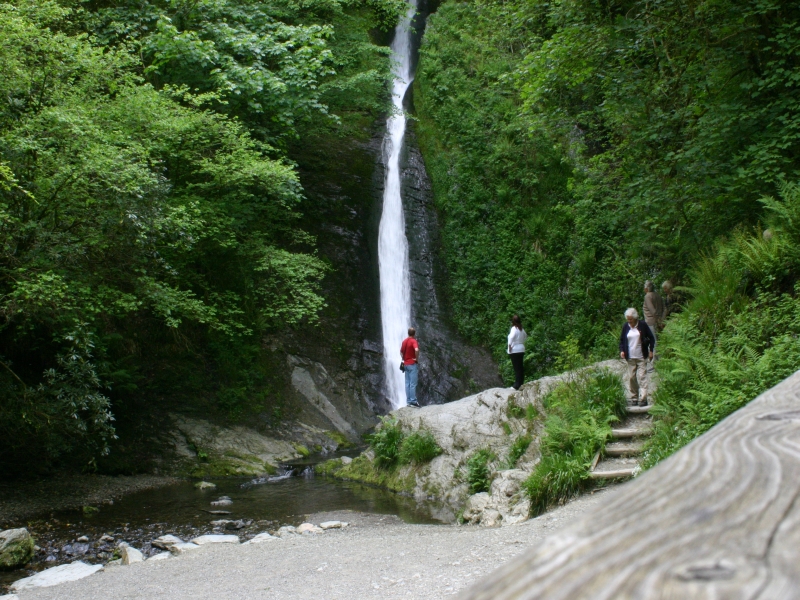
White Lady Waterfall – A Hidden Gem in Devon’s Rugged Landscape
If you’ve ever dreamed of chasing the mist of a 30‑metre cascade tucked away in the English countryside, the White Lady Waterfall near Tavistock is the perfect destination. With its crystal‑clear plunge, dramatic rock faces, and tranquil river setting, this waterfall offers a slice of wilderness that feels worlds away from the bustle of city life.
1. Introduction
Nestled in the rolling hills of Devon, the White Lady Waterfall (coordinates 50.631870, ‑4.121053) is a striking 30‑metre drop that has earned a reputation among hikers and photographers as one of the most picturesque waterfalls in England. Its name evokes the ethereal white spray that crowns the fall on windy days, while the surrounding woodlands create a magical backdrop for anyone seeking a peaceful escape. Whether you’re planning a day‑trip from Plymouth, a weekend adventure from Exeter, or a longer trek through the River Lyd valley, the White Lady Waterfall promises unforgettable scenery and a genuine taste of Devon’s natural heritage.
2. About White Lady Waterfall
Description
White Lady Waterfall is part of the River Lyd, a tributary that winds its way through the Devon countryside before joining the River Tamar. The waterfall plunges roughly 30 metres over a series of granite ledges, creating a powerful, yet elegant cascade that feeds a shallow pool at its base. The surrounding area is a mix of mixed‑leaf woodland, moss‑covered boulders, and open meadow, making it a hotspot for wildlife and seasonal flora.
History & Significance
While the exact origin of the name “White Lady” is not documented, local folklore often links the moniker to the ghostly veil of mist that rises from the falls on windy afternoons—resembling a spectral lady in white. The waterfall has long been a point of interest for naturalists studying the River Lyd’s ecosystem and for artists inspired by its dramatic scenery. Its inclusion on the River Lyd Wikipedia page underscores its role in the river’s overall geography and its appeal to visitors exploring Devon’s water‑rich landscape.
3. How to Get There
By Car
- From Plymouth: Take the A386 north toward Tavistock (≈ 30 mi). Follow signs for “Tavistock – Lyd River” and look for the small lay‑by near the river crossing. Parking is available in a modest car park just off the road; from there, a short, well‑marked footpath leads to the waterfall.
- From Exeter: Head west on the A30, then join the A386 north at Okehampton. The drive is about 55 mi and takes roughly 1 hour 30 minutes.
By Public Transport
- Train & Bus: The nearest active railway station is Plymouth. From Plymouth, catch a Stagecoach bus (routes X50 or X51) to Tavistock. Once in town, local bus services (e.g., the 800/801) run a few times daily toward the River Lyd area.
- Walking/Hiking: For the more adventurous, the River Lyd Trail offers a scenic 5‑km walk from Tavistock town centre to the waterfall, passing historic bridges and gentle river bends.
Essential Details
| Item | Information |
|---|---|
| Coordinates | 50.631870, ‑4.121053 |
| Nearest Town | Tavistock, Devon |
| Parking | Small public car park off the A386 (free, limited spaces) |
| Trail Difficulty | Easy to moderate; suitable for most walkers |
| Accessibility | No wheelchair access; uneven stones and occasional steep sections |
4. Best Time to Visit
| Season | What to Expect | Why It’s Ideal |
|---|---|---|
| Spring (Mar–May) | Fresh green foliage, abundant wildflowers, moderate flow | The waterfall is lively but not yet at peak volume; perfect for photography. |
| Summer (Jun–Aug) | Warm weather, longer daylight hours, occasional crowds | Ideal for a full‑day hike, picnics, and swimming in the plunge pool (when safe). |
| Autumn (Sep–Nov) | Rich amber tones, misty mornings, higher water after rain | The mist enhances the “white lady” effect, creating dramatic photo opportunities. |
| Winter (Dec–Feb) | Stronger water flow, occasional frost on rocks, quiet atmosphere | For those who love dramatic, roaring cascades and solitude (dress warmly!). |
Tip: Check recent weather reports before heading out. Heavy rain can swell the River Lyd, making the approach path slippery.
5. What to Expect
Arriving at the White Lady Waterfall, you’ll first hear the distant roar of water before the sight of the cascade comes into view. The footpath leads you through a shaded woodland corridor where sunlight dapples the forest floor. As you emerge, the waterfall dominates the scene: a sheer curtain of water plunges into a crystal‑clear pool, sending a fine spray that catches the light in a shimmering veil.
- Sounds: A constant, soothing rush punctuated by occasional bird calls.
- Sights: The contrast of dark granite against the white spray, moss‑laden rocks, and the surrounding green canopy.
- Smells: Fresh, earthy aromas of damp soil and pine.
Most visitors spend 15‑30 minutes at the base, snapping photos, listening to the water, and perhaps dipping their feet in the chilly pool (always test the depth and flow first). The area is quiet, with only occasional hikers passing by, making it an ideal spot for meditation or a brief escape from daily life.
6. Nearby Attractions
While White Lady Waterfall is a highlight on its own, the surrounding Devon countryside offers several other natural wonders within a short drive or walk.
- Devil’s Cauldron Waterfall – Just 1.3 km away, this smaller cascade is set in a rocky basin that resembles a bubbling cauldron.
- Unnamed Spring – A natural spring located 1.7 km from the waterfall, perfect for a refreshing drink (ensure it’s safe before consumption).
- Kitt’s Steps Waterfall – 2.0 km away, this series of stepped falls creates a gentle, tiered water flow ideal for a leisurely stroll.
- Weir #1 – Approximately 3.6 km away, this historic weir on the River Lyd offers insight into the region’s water‑management heritage.
- Weir #2 – Also 3.6 km away, a twin structure that provides a quiet spot for bird‑watching and river photography.
These attractions can easily be combined into a full‑day itinerary, allowing you to explore the diverse water features that make Devon a haven for nature lovers.
7. Travel Tips
- Footwear: Wear sturdy, waterproof hiking boots with good ankle support. The path can be slippery, especially after rain.
- Weather Gear: Pack a lightweight rain jacket and a warm layer; mist from the falls can make the air feel cooler.
- Timing: Arrive early in the morning (especially in summer) to avoid the occasional crowd and capture the soft morning light.
- Safety: The pool at the base can be deep and fast‑flowing after heavy rain. Always test water depth and flow before entering.
- Leave No Trace: Keep the area pristine—carry out any litter, stay on marked paths, and avoid disturbing wildlife.
- Photography: A polarizing filter helps reduce glare on the water, while a tripod is useful for low‑light shots during sunrise or sunset.
- Local Amenities: Tavistock offers cafés, a small visitor centre, and a grocery store where you can stock up on snacks and water before heading out.
- Mobile Signal: Coverage can be spotty near the waterfall; download offline maps (e.g., OS Maps) beforehand.
Ready to Chase the Mist?
The White Lady Waterfall is more than just a scenic spot; it’s a quiet sanctuary where the rhythm of water meets the serenity of Devon’s countryside. With easy access from Tavistock, a modest hike, and a cluster of nearby waterfalls and historic weirs, a visit here can become the centerpiece of a memorable Devon adventure. Pack your boots, bring your camera, and let the white veil of spray welcome you to one of England’s most enchanting natural treasures.
Keywords: White Lady Waterfall, waterfall in England, Devon waterfalls, River Lyd, Tavistock waterfall, visit White Lady Waterfall, how to get to White Lady Waterfall, best time to visit White Lady Waterfall, nearby attractions Devon, Devil’s Cauldron, Kitt’s Steps, Devon travel guide.