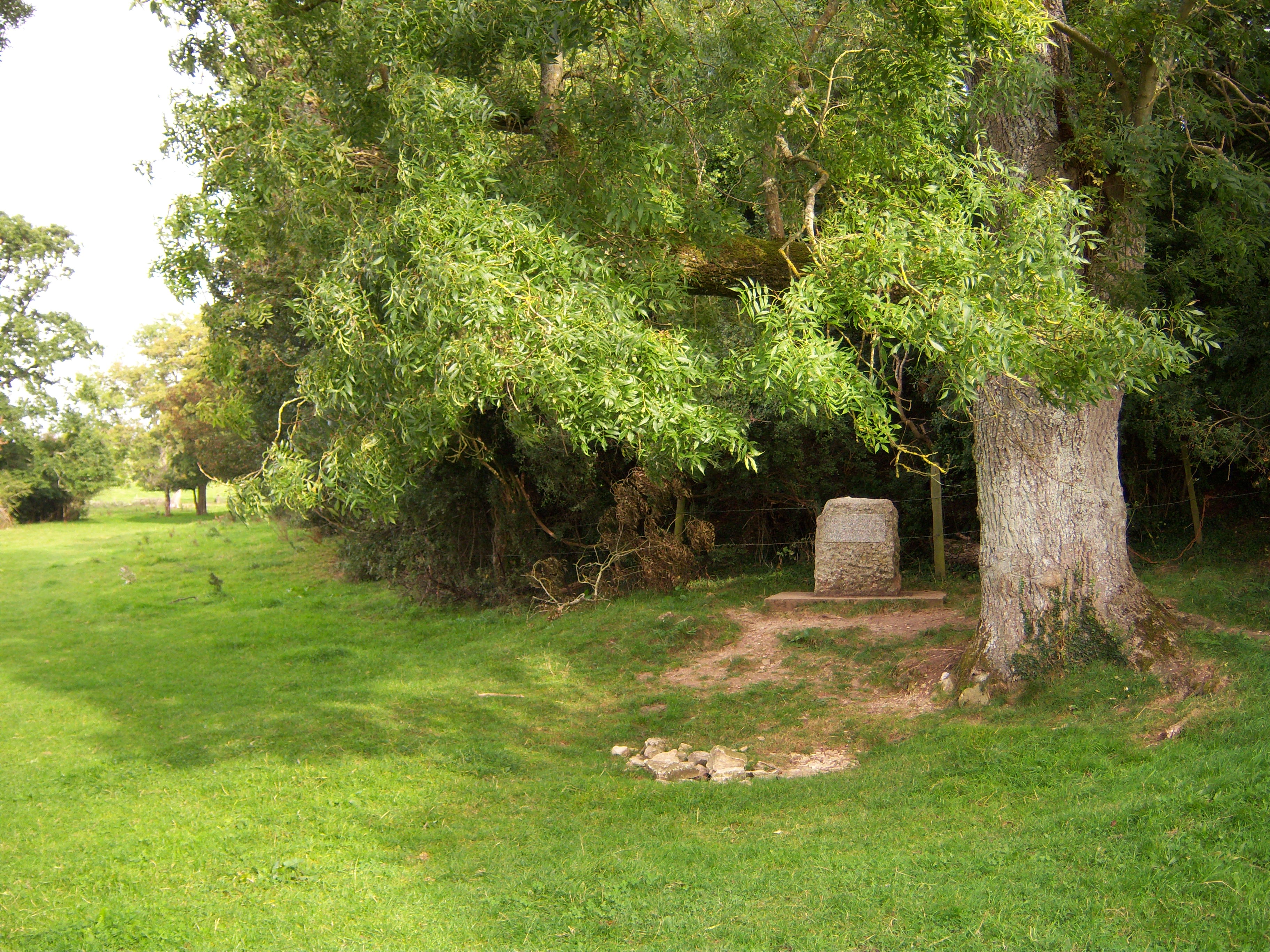
Thames Head – The Quiet Birthplace of England’s Greatest River
If you’ve ever stood on the banks of the River Thames in London, you’ve felt the pulse of a waterway that has shaped a nation. Yet few travelers know where that iconic river truly begins – at a modest, unassuming spring called Thames Head. Nestled in the rolling Cotswold countryside near the hamlet of Coates, this hidden gem offers a serene glimpse into the natural origins of one of the world’s most famous rivers. In this guide we’ll explore what makes Thames Head special, how to reach it, the best time to visit, and what you can discover in the surrounding area.
About Thames Head
Thames Head is a spring (💧) that marks the official source of the River Thames, the longest river entirely within England. The spring lies at the coordinates 51.694501, ‑2.029677 in the civil parish of Coates, Gloucestershire, England. While the exact altitude and height of the spring are not publicly recorded, the surrounding landscape rises gently from the Cotswold escarpment, offering lush pastures, hedgerows, and limestone outcrops typical of the region.
Historically, the source of the Thames has been a subject of debate. Early maps and local folklore sometimes pointed to alternative headwaters, but modern hydrological surveys confirm that the water emerging from Thames Head flows continuously into the River Thames, eventually winding its way through Oxford, Reading, and London before emptying into the North Sea at the Thames Estuary.
The spring’s modest flow may surprise visitors expecting a dramatic waterfall, but its quiet presence is precisely what makes it a must‑see for nature lovers, history buffs, and river enthusiasts. It embodies the humble beginnings of a watercourse that has inspired poets, powered mills, and served as a vital transport artery for centuries.
How to Get There
By Car
The most flexible way to reach Thames Head is by car. From Gloucester (approximately 25 km north‑west), follow the A38 south to the A417, then turn onto the B4008 toward Coates. The final stretch is a narrow, sign‑posted lane that leads directly to the spring’s parking area. The journey takes roughly 35 minutes under normal traffic conditions.
Parking: A small lay‑by near the spring provides limited free parking. Arrive early during peak weekends, as space can fill quickly.
By Public Transport
- Train: Take a Great Western Railway service to Kemble station (the nearest main‑line stop). From Kemble, you’ll need a local taxi or a bus that serves the Coates area.
- Bus: The Stagecoach Gold route 62 runs between Cheltenham and Cirencester, stopping at Coates on request. Check the latest timetables, as services are infrequent on weekends.
Once you’re in Coates, the spring is a short walk (about 10 minutes) along a footpath marked by small stone cairns.
By Bike or On Foot
For the adventurous, the Cotswold Way passes within a mile of Thames Head, making it an ideal side‑trip for long‑distance hikers or cyclists exploring the region’s scenic trails. The terrain is gently undulating, with well‑maintained bridleways that suit most fitness levels.
Best Time to Visit
| Season | What to Expect | Why It’s Ideal |
|---|---|---|
| Spring (April‑May) | Fresh green shoots, blooming wildflowers, and a higher water table. | The springtime landscape mirrors the spring that gives the river its name, offering vibrant photo opportunities. |
| Summer (June‑August) | Warm, sunny days and longer daylight hours. | Perfect for a leisurely picnic by the spring, though the water flow may be modest during dry spells. |
| Autumn (September‑October) | Golden foliage, crisp air, and occasional mist over the water. | The changing colors create a dramatic backdrop for sunrise or sunset shots. |
| Winter (November‑March) | Quiet, mist‑filled mornings; occasional frost on surrounding fields. | Fewer visitors mean you can enjoy a meditative experience, though the path may be slick—wear sturdy boots. |
Overall, late spring to early autumn offers the most comfortable weather and the richest scenery, but each season brings its own charm.
What to Expect
Arriving at Thames Head feels like stepping into a living postcard. The spring emerges from a shallow stone basin, its clear water trickling over smooth pebbles before joining a modest brook that soon swells into the Thames. A simple wooden board bears a plaque that reads “Source of the River Thames – 51°41′40″N 2°01′47″W,” confirming you’re standing at the river’s birthplace.
The surrounding countryside is quintessentially Cotswold: low‑lying pastures dotted with grazing cattle, ancient hedgerows, and the occasional stone cottage roof peeking through the trees. The air carries a faint scent of wild thyme and damp earth, especially after a rain.
Because the spring is a protected natural site, facilities are minimal. Expect no visitor centre, cafés, or restrooms on‑site. However, the peaceful ambience encourages reflection, photography, and even a brief moment of meditation as you listen to the gentle murmur of water beginning its epic journey.
If you’re a river enthusiast, bring a portable water‑testing kit to compare the chemistry of Thames Head’s water with that of downstream samples you may have collected elsewhere. For history lovers, a short walk downstream leads to remnants of old water‑mills that once harnessed the river’s power.
Nearby Attractions
While Thames Head is the star attraction, the surrounding area offers several points of interest within a short drive:
- (Dam) – 1.5 km away – A modest earth‑fill dam that showcases historic water‑management techniques.
- Barton Mill Sluice Gates (Weir) – 4.7 km away – Explore the historic sluice system that once regulated water flow for local mills.
- Gloucester Street Sluice Gates (Weir) – 5.0 km away – Another well‑preserved weir offering insight into the engineering of the River Thames’ tributaries.
- Sources of the Stroudwater Frome (Spring) – 5.8 km away – Visit the headwaters of another Cotswold river, perfect for a comparative study of spring ecosystems.
- Leaky Dam #2 (Weir) – 6.0 km away – A quirky, partially breached dam that makes an interesting photo subject, especially after rain.
Tip: Most of these sites are accessible via public footpaths or minor roads. Bring a map or use a GPS-enabled device to navigate safely.
Travel Tips
- Dress for the Outdoors – Waterproof shoes and a light rain jacket are essential, as the spring’s vicinity can become damp, especially after rain.
- Pack a Picnic – There are no cafés nearby, so bring snacks, water, and a blanket to enjoy a riverside lunch.
- Respect the Environment – Thames Head is a protected natural source. Stick to marked paths, avoid littering, and do not disturb the water flow.
- Timing Is Everything – Arrive early in the morning (especially in summer) to avoid the occasional crowd of school groups and to capture soft, golden light for photography.
- Bring a Binocular – While the spring itself is modest, the surrounding hills host a variety of birdlife, including skylarks and meadow pipits.
- Check Access Before You Go – Some nearby weirs and dams are on private land; ensure you have permission or stick to public footpaths.
- Battery Power – Mobile signal can be spotty; charge devices beforehand and consider a portable power bank if you plan to use GPS.
Final Thoughts
Thames Head may not boast towering cliffs or roaring waterfalls, but its quiet charm lies in being the origin point of a river that has witnessed England’s entire recorded history. Whether you’re a seasoned traveler seeking off‑the‑beaten‑path experiences, a geography student tracing river courses, or simply a curious wanderer, a visit to this humble spring offers a profound connection to the natural world and to the flowing narrative of the United Kingdom.
Pack your walking shoes, map out the route, and let the gentle trickle of Thames Head remind you that even the grandest journeys begin with a single, quiet drop.
Keywords: Thames Head, source of River Thames, spring in England, Coates Gloucestershire, travel to Thames Head, things to do near Thames Head, Cotswold countryside, river tourism UK, hidden gems England