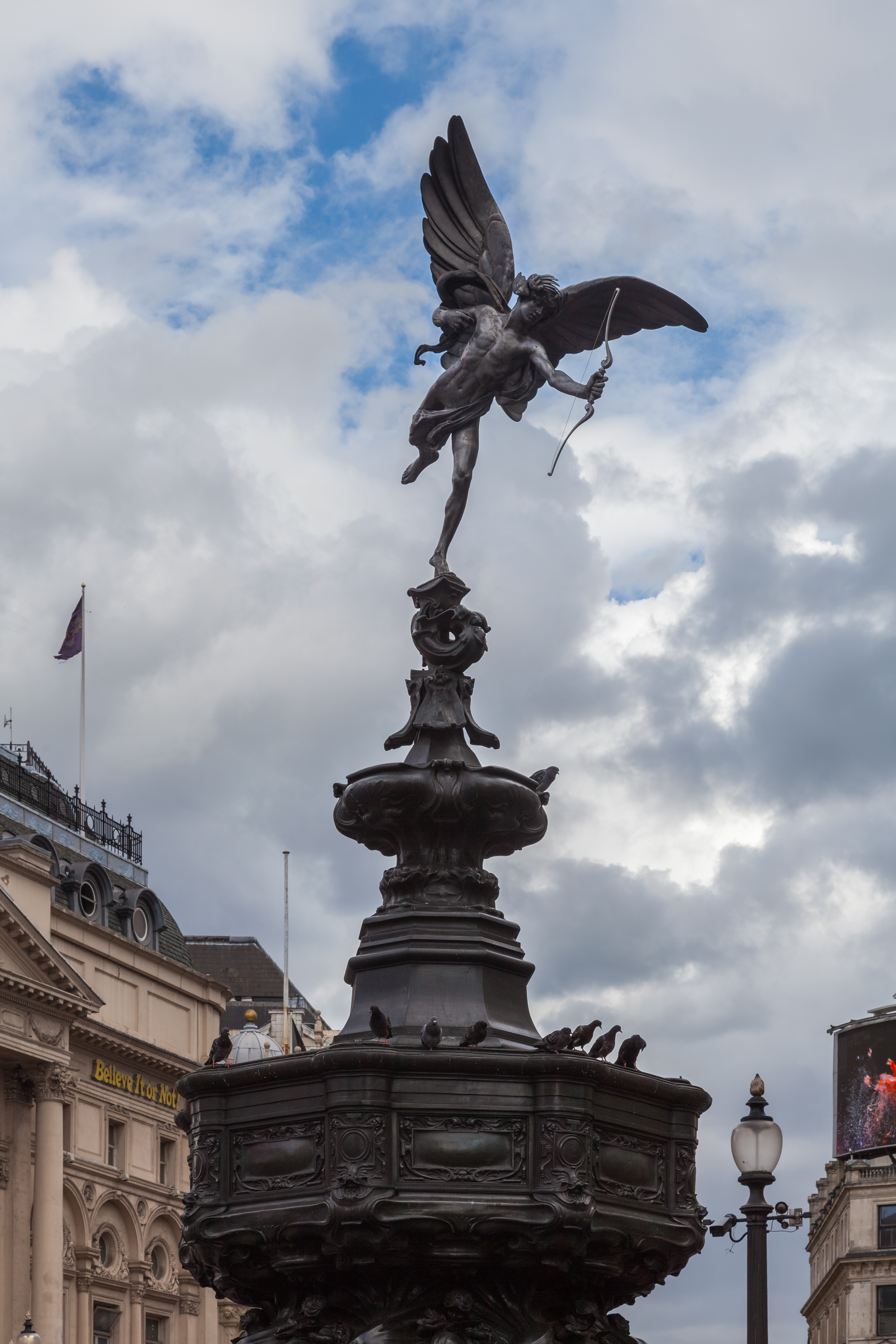
Shaftesbury Memorial Fountain: London’s Iconic Piccadilly Circus Landmark
If you’ve ever wandered through the bustling heart of London, you’ve probably paused at the glittering bronze figure that crowns the Shaft Shaftesbury Memorial Fountain. Whether you’re a first‑time visitor or a seasoned Londoner, this elegant fountain is a must‑see stop on any “things to do in London” list.
1. Introduction
Imagine standing at the crossroads of history, fashion, and cinema—where neon signs flash, double‑decker buses roar, and a graceful bronze winged boy watches over the crowds. That’s the magic of the Shaftesbury Memorial Fountain at Piccadilly Circus. Known affectionately as the “Eros statue” (though it actually depicts Anteros, the god of selfless love), this fountain has become an instant photo‑op for travelers worldwide. In this guide, we’ll dive into the fountain’s story, show you how to get there, suggest the best times to visit, and point out nearby attractions that can fill an entire day of London exploration.
2. About Shaftesbury Memorial Fountain
A Brief Description
- Location: Piccadilly Circus, London, England, United Kingdom
- Coordinates: 51.509896, -0.134486
- Type: Ornamental fountain with a bronze statue
- Height & Altitude: Not publicly listed (the statue itself stands roughly 5 m tall)
The fountain consists of a marble basin surrounded by ornate bronze railings, topped by a gilded bronze figure of Anteros, the Greek god of requited love. The statue’s outstretched arms and winged form have become synonymous with the vibrant energy of Piccadilly Circus.
History & Significance
Commissioned in 1892 by the philanthropist Lord Shaftesbury (Anthony Ashley‑Cooper, 7th Earl of Shaftesbury) to honor his charitable work, the memorial was designed by architect Alfred Gilbert and unveiled in 1893. While many tourists call the figure “Eros,” Gilbert intentionally chose Anteros to symbolize selfless love—a fitting tribute to Shaftesbury’s lifelong dedication to social reform, child welfare, and workers’ rights.
Over the decades, the fountain has survived two World Wars, the Blitz, and countless urban redesigns, emerging each time as a resilient symbol of London’s spirit. Its location at the junction of Piccadilly, Regent Street, and Shaftesbury Avenue makes it a natural meeting point, a backdrop for street performances, and a beloved landmark featured in countless films, TV shows, and music videos.
3. How to Get There
By Tube
- Piccadilly Circus Station (Bakerloo & Piccadilly lines) – Exit onto Piccadilly Circus and you’ll see the fountain immediately in front of you.
- Leicester Square Station (Northern & Piccadilly lines) – A 5‑minute walk north along Charing Cross Road.
By Bus
Numerous routes stop at Piccadilly Circus, including 12, 24, 29, 38, 176, and 453. Look for the “Piccadilly Circus” sign at the bus stop.
By Foot
If you’re staying in central London (Covent Garden, Soho, Westminster), the fountain is within a comfortable 10‑15‑minute walk. Stroll along Regent Street for a classic shopping experience before turning onto Piccadilly.
By Taxi / Ride‑Share
A quick 5‑minute drive from major hotels in the West End. Just tell the driver “Piccadilly Circus, near the fountain.”
4. Best Time to Visit
| Season | Why Visit | Tips |
|---|---|---|
| Spring (March‑May) | Pleasant temperatures (10‑15 °C) and blooming gardens in nearby parks (e.g., St. James’s Park). | Arrive early morning to avoid the lunchtime rush. |
| Summer (June‑August) | Long daylight hours; the fountain’s bronze glints beautifully in the sun. | Expect larger crowds; consider a late‑afternoon visit when street performers have settled. |
| Autumn (September‑November) | Crisp air, fewer tourists, and the golden glow of the city lights. | Perfect for sunset photography; the fountain is illuminated after dark. |
| Winter (December‑February) | Festive lights on Piccadilly Circus and a magical atmosphere. | Dress warmly; the fountain may be slick from rain, so watch your step. |
Overall recommendation: Early mornings (7 am‑9 am) on weekdays give you the most tranquil experience, while evenings (after 8 pm) showcase the fountain’s dramatic illumination against the bustling neon backdrop.
5. What to Expect
Visual & Sensory Experience
- Iconic Photo‑Ops: The statue’s winged pose makes for striking selfies. Try a low angle to capture both the fountain’s marble basin and the bustling street behind you.
- Ambient Sounds: The hum of traffic, the chatter of tourists, and occasional street musicians create a lively soundtrack.
- Seasonal Changes: In summer, the basin may sparkle with reflections of passing headlights; in winter, a gentle mist from the fountain adds a mystical feel.
Cultural Vibes
Piccadilly Circus is often called “London’s Times Square.” Expect a kaleidoscope of neon billboards, bustling cafés, and a constant flow of locals and visitors. The fountain serves as a natural meeting point—many Londoners say, “Let’s meet at the fountain.”
Accessibility
- Wheelchair Friendly: The surrounding pavement is level, and the fountain’s basin is low enough for easy navigation.
- Family‑Friendly: No steep stairs; however, keep an eye on young children near the water.
6. Nearby Attractions
While you’re in the area, you can easily explore several other points of interest within a short walk. Below are the top spots, complete with distances and quick links for deeper research.
| Attraction | Distance from Shaftesbury Memorial Fountain | What to See |
|---|---|---|
| Shakespeare Fountain | 0.3 km | A charming Victorian fountain dedicated to the Bard, located in Leicester Square. |
| London Transport Museum | ~0.5 km | Dive into the history of London’s iconic buses and underground trains. |
| National Gallery | ~0.6 km | World‑renowned art collection in Trafalgar Square. |
| Covent Garden Market | ~0.7 km | Street performers, boutique shops, and gourmet eateries. |
| Royal Academy of Arts | ~0.8 km | Rotating exhibitions of classic and contemporary art. |
Quick tip: All of these attractions are within a 10‑minute walk, making the area perfect for a “walk‑and‑see” itinerary.
7. Travel Tips
- Plan Your Photo Timing – The fountain is illuminated after sunset; bring a tripod or use a steady hand for night‑time shots.
- Mind the Crowds – If you’re traveling with luggage, use the early‑morning window to avoid the throngs of tourists.
- Stay Safe – The basin can be slippery when it rains; wear appropriate footwear.
- Combine with a Pub Crawl – The West End is dotted with historic pubs (e.g., The White Lion on Charing Cross Road). A quick drink after admiring the fountain adds a classic London experience.
- Use a City Pass – The London Pass offers skip‑the‑line entry to nearby museums and attractions, saving you valuable time.
- Check Event Calendars – Piccadilly Circus often hosts seasonal light shows and pop‑up events; a quick glance at the Visit London website can reveal special happenings during your stay.
Final Thoughts
The Shaftesbury Memorial Fountain is more than just a decorative water feature; it’s a living piece of London’s cultural tapestry. From its Victorian origins honoring a philanthropic hero to its modern role as a meeting point for locals and tourists alike, the fountain embodies the city’s blend of history, art, and vibrant street life.
So, the next time you find yourself in the West End, take a moment to stand beneath Anteros’s outstretched wings, listen to the city’s rhythm, and snap a photo that captures the heart of London. Your journey through Piccadilly Circus—and the surrounding treasures—will be a story you’ll want to share again and again.
Happy travels, and may your London adventure be as timeless as the bronze figure that watches over it.