East Gill Force (Upper) – A Hidden Waterfall Gem in the Yorkshire Dales
If you’re chasing the sound of rushing water, moss‑draped rocks, and the quiet hum of the countryside, East Gill Force (Upper) is the perfect spot to add to your England itinerary.
Introduction
Tucked away in the rolling hills of Bow Gill, just a stone’s throw from the historic market town of Bowes, lies East Gill Force (Upper) – a modest yet enchanting waterfall that captures the soul of the Yorkshire Dales. While it doesn’t boast the towering height of some of its famous neighbours, its intimate setting, crystal‑clear stream, and surrounding woodlands make it a favorite for hikers, photographers, and anyone who loves a good “off‑the‑beaten‑path” adventure. In this guide, we’ll explore everything you need to know to make the most of your visit, from getting there to the best time of year to soak in the scenery.
About East Gill Force (Upper)
What Is It?
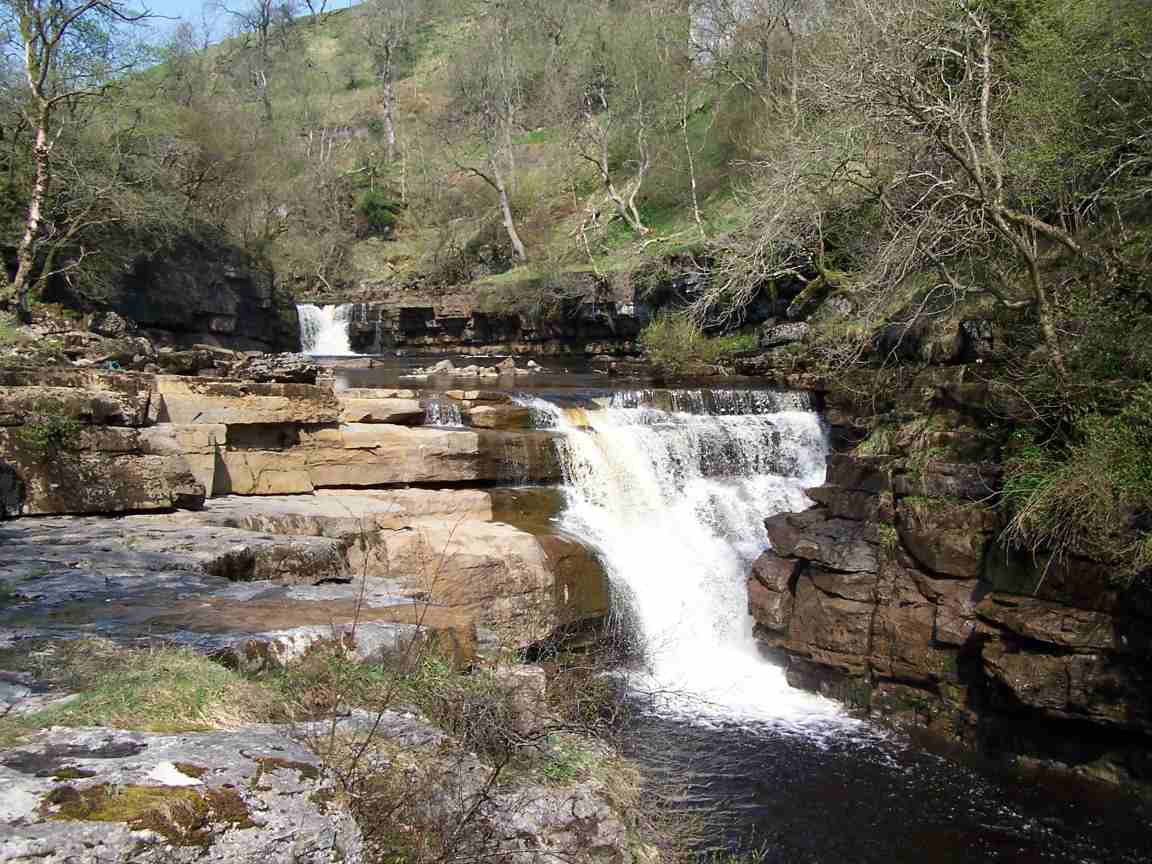
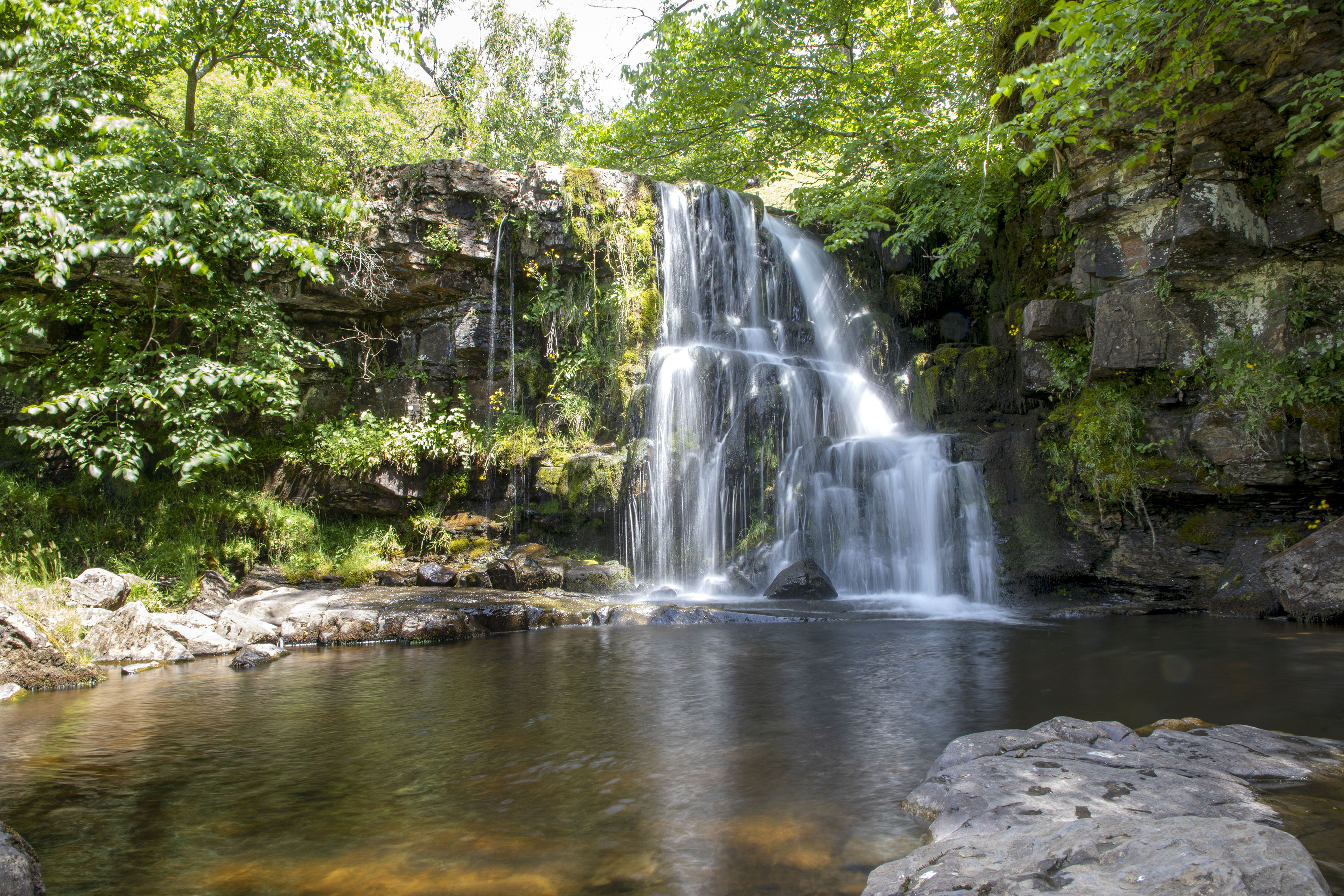
East Gill Force (Upper) is a waterfall on the East Gill, a tributary that winds through the north‑eastern edge of the North Yorkshire Dales. The cascade drops over a series of limestone ledges, creating a series of gentle ribbons of water that tumble into a shallow pool below. Though the exact height isn’t recorded, the waterfall’s charm lies in its tranquil atmosphere rather than sheer scale.
A Bit of History
The name “Force” comes from the Old Norse word foss, meaning “waterfall,” a reminder of the Viking influence that still echoes across the Dales. The surrounding area has been used for agriculture and sheep‑grazing for centuries, and the watercourse itself helped power small mills in nearby villages during the 18th and 19th centuries. While East Gill Force (Upper) never hosted a large industrial operation, its steady flow contributed to the rural economy and provided a reliable water source for locals.
Why It Matters
For nature lovers, East Gill Force (Upper) offers a snapshot of the Dales’ unspoiled waterways. The waterfall sits within a protected landscape, meaning the surrounding flora and fauna thrive with minimal human disturbance. Birdwatchers can spot dipper (white‑water bird) and the occasional kingfisher, while botanists may find mosses and ferns clinging to the damp rock faces. Its proximity to several other waterfalls creates a waterfall trail that showcases the geological diversity of the region in a single, easy‑going walk.
How to Get There
By Car
- From the A66: Take the A66 eastbound toward Barnard Castle. Exit at the Bowes roundabout and follow the signs for the B6274 toward St John and the Bowes railway station.
- Turn onto the B6274: After about 1 mile, look for the signposted lane to East Gill Force (often marked “East Gill Force – Walk”). The turn‑off is a narrow, gravel road that leads directly to the trailhead.
- Parking: There is a small lay‑by near the trailhead (often used by walkers). Parking is free but limited, so arrive early in peak season (May–August).
By Public Transport
- Train: The East Stainforth & Crook line stops at Bowes railway station (approx. 2 km from the waterfall). Trains run hourly from Darlington and Durham.
- Bus: The X6 bus (operated by Arriva) connects Barnard Castle to St John and Bowes. Get off at the Bowes stop and walk north along the B6274 for about 10 minutes to the trailhead.
Walking Directions
From the parking area, the East Gill Force (Upper) trail is a short, well‑marked path that follows the riverbank. The walk to the waterfall is roughly 0.3 km (5‑minute walk) and is suitable for all ages and fitness levels. The trail is mostly flat, with a few gentle steps over river stones.
Best Time to Visit
| Season | What to Expect | Why It’s Ideal |
|---|---|---|
| Spring (March‑May) | Snow‑melt swells the stream; wildflowers begin to carpet the banks. | Water flow is strong, and the landscape is fresh and colorful. |
| Summer (June‑August) | Longer daylight hours; the surrounding woodlands are lush. | Perfect for photography and combining the waterfall with nearby hikes. |
| Autumn (September‑November) | Leaves turn golden, and the water takes on a richer, amber hue. | Fewer crowds and spectacular foliage make for a peaceful visit. |
| Winter (December‑February) | The cascade may be reduced, but icy formations can create a magical scene. | Ideal for those who love quiet, crisp air and occasional frost‑kissed rocks. |
Overall recommendation: Late spring to early autumn (April‑October) offers the most reliable water flow and comfortable walking conditions.
What to Expect
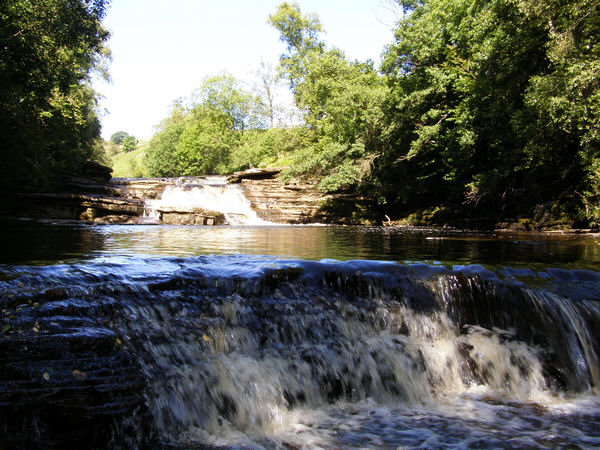
When you arrive at East Gill Force (Upper), you’ll be greeted by the gentle roar of water spilling over limestone slabs. The pool at the base is clear enough for a quick splash on a warm day, though the water can be chilly year‑round.
- Scenery: The waterfall is framed by native birch and oak trees, with patches of heather dotting the higher ground. The surrounding meadow provides a wide‑open view of the Dales’ rolling hills.
- Photography: The best shots are taken from the downstream side, where you can capture the full cascade against a backdrop of sky and distant fells. Early morning light creates soft shadows, while late afternoon brings a golden glow.
- Wildlife: Keep an eye out for the dipper bobbing in the fast‑moving water, and listen for the occasional call of a meadow pipit. In summer, dragonflies dart above the surface.
The walk is short, but the experience feels like a mini‑retreat. After admiring the upper force, you can continue downstream to explore the lower East Gill Force, Kisdon Force, and Catrake Force – all within a comfortable walking distance, making for a perfect waterfall‑hopping day.
Nearby Attractions
While East Gill Force (Upper) is the star of the show, the surrounding area offers several other natural highlights that are easily reachable on foot:
- East Gill Force (Lower) – Just 0.1 km downstream, this second cascade provides a slightly larger drop and a broader pool, perfect for a quick dip.
- Kisdon Force – Approximately 0.3 km away, Kisdon Force is a classic Dales waterfall that tumbles over a dramatic rock face, offering great photo opportunities.
- Catrake Force – A short 0.4 km walk brings you to this charming three‑tiered waterfall, known for its lush surrounding mosses.
- Hoggarth’s Leap – About 0.8 km downstream, this lesser‑known cascade is tucked behind a small woodland glen, providing a quiet spot for contemplation.
- Local Springs – A natural spring lies 0.6 km from the upper force, offering fresh mountain water and a pleasant spot for a short rest.
These attractions can be linked together into a circular walking route of roughly 3 km, ideal for a half‑day adventure that showcases the Dales’ waterfall heritage.
Travel Tips
- Wear Sturdy Footwear – The trail includes wet stones and occasional uneven ground. Waterproof hiking boots with good grip are essential, especially after rain.
- Pack a Light Rain Jacket – The Dales weather can change quickly. A breathable, waterproof layer will keep you comfortable while you admire the misty spray.
- Bring a Reusable Water Bottle – Although there’s a spring nearby, it’s best to carry your own water for the walk and stay hydrated.
- Leave No Trace – The area is part of a protected landscape. Pack out any litter, stay on marked paths, and avoid disturbing wildlife.
- Timing for Photography – Early morning (sunrise) or late afternoon (golden hour) provides the most flattering light and fewer visitors.
- Check the River Flow – After a prolonged dry spell, the water may be reduced. Local visitor centers or the Yorkshire Dales National Park website often post recent flow conditions.
- Combine With a Local Pub Visit – After your waterfall tour, stop at the historic The Bowes Arms (just a short drive away) for a hearty Yorkshire pudding and a pint of real ale.
Final Thoughts
East Gill Force (Upper) may not be the tallest waterfall in England, but its quiet charm, accessible location, and proximity to a cluster of equally beautiful cascades make it a must‑see for anyone traveling through the Yorkshire Dales. Whether you’re a seasoned hiker, a nature photographer, or simply looking for a peaceful spot to unwind, this hidden gem offers a slice of England’s natural heritage that’s both authentic and unforgettable.
Pack your boots, follow the sound of the water, and let East Gill Force (Upper) reveal the serene beauty of Bowes’ countryside. Happy travels!