Aslantaş Barajı – A Hidden Gem in Osmaniye, Turkey
Discover the tranquil beauty of Aslantaş Barajı, the striking dam and hydro‑electric powerhouse nestled in the heart of southern Turkey.
1. Introduction
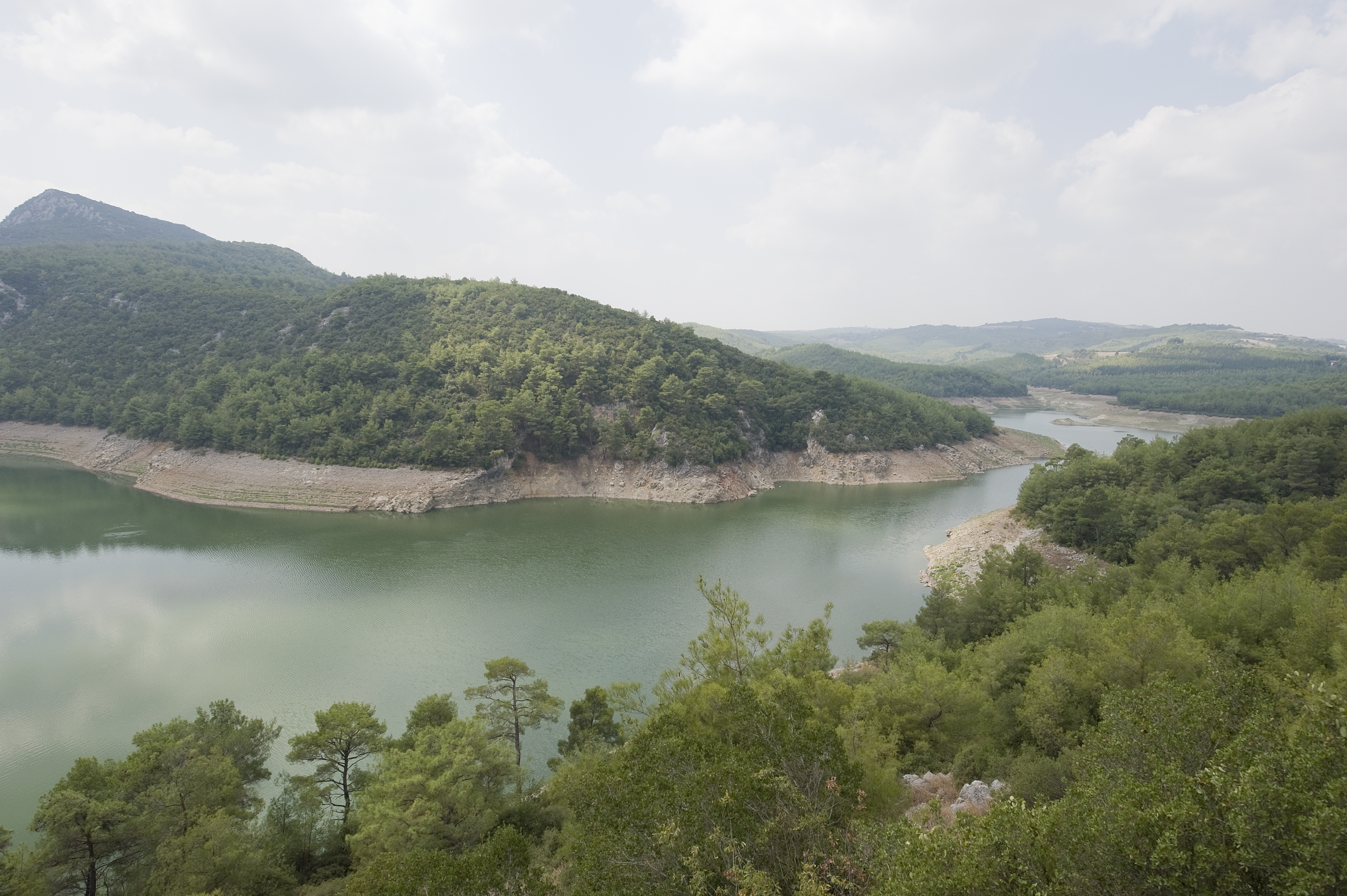
If you think Turkey’s travel story is limited to Istanbul’s mosques, Cappadocia’s fairy chimneys, or the turquoise coast of Antalya, think again. A short drive east of the bustling city of Osmaniye lies Aslantaş Barajı, a serene reservoir framed by rolling hills, pine‑scented forests, and the gentle hum of a working hydro‑electric plant. This off‑the‑beaten‑path destination offers a perfect blend of engineering marvel, natural scenery, and peaceful recreation—making it an ideal day‑trip for nature lovers, photography enthusiasts, and anyone craving a quiet escape from the tourist crowds.
In this guide we’ll explore everything you need to know to plan a memorable visit: the dam’s background, how to get there, the best season to explore, what you’ll experience on site, nearby attractions, and practical travel tips.
2. About Aslantaş Barajı
Aslantaş Barajı (literally “Lion Stone Dam”) is a concrete gravity dam located in the Haruniye district of Osmaniye Province, Turkey. Its official coordinates are 37.272117 N, 36.271370 E, placing it in a fertile valley where the Aslantaş River (a tributary of the Ceyhan) meets the surrounding foothills.
History & Purpose
The dam was constructed as part of Turkey’s nationwide water‑resource development program in the late 20th century, aimed at regulating river flow, providing irrigation water for the Çukurova agricultural plain, and generating clean electricity for the region. While the exact year of completion is not publicly listed, the project reflects the era’s emphasis on modernizing the country’s energy infrastructure.
The hydro‑electric power plant attached to Aslantaş Barajı contributes to the national grid, delivering renewable energy that helps reduce reliance on fossil fuels. The reservoir also serves as a vital water‑storage facility, supporting local farms and ensuring a stable water supply during the dry summer months.
Significance
- Renewable Energy – The dam’s hydro‑electric turbines generate clean power, aligning with Turkey’s goal of increasing renewable energy share.
- Agricultural Lifeline – By regulating river flow, the dam supplies irrigation water to the fertile fields of Osmaniye, a key region for cotton, citrus, and vegetable production.
- Tourism Potential – The calm lake surface, surrounding pine forests, and panoramic vistas make Aslantaş Barajı an emerging spot for picnics, bird‑watching, and landscape photography.
For a deeper dive into technical details, you can visit the Turkish Wikipedia page: Aslantaş Barajı ve Hidroelektrik Santrali.
3. How to Get There
By Air
The nearest major airport is Adana Şakirpaşa Airport (ADA), about 120 km (≈ 75 mi) west of the dam. From the airport, rent a car or catch a regional bus to Osmaniye city center.
By Road
-
From Osmaniye City Center: Aslantaş Barajı lies roughly 5.5 km north‑east of the city. The most straightforward route is via D.825 (the main highway that runs through Osmaniye). Follow signs for “Haruniye” and then turn onto the local road leading directly to the dam. The drive takes 10–15 minutes in normal traffic.
-
From Antalya (Coastal Route): Take the D.400 eastward to Kadirli, then follow D.825 north toward Osmaniye. The total distance is about 180 km, roughly a 2.5‑hour drive.
-
From Gaziantep: Head west on E90 toward Osmaniye, then follow the same local directions as above.
Public Transport
- Bus: Several intercity minibusses (dolmuş) run between Osmaniye and the Haruniye district. Ask the driver to drop you off at the “Baraj” stop; it’s a short walk to the reservoir’s parking area.
- Taxi: Taxis are readily available in Osmaniye and can be a convenient (though pricier) option for a direct ride.
Parking & Access
A modest, free parking lot sits near the dam’s visitor area. The site is wheelchair‑accessible, and clear signage guides you to viewing platforms, picnic tables, and the small information kiosk.
4. Best Time to Visit
Spring (April–June) – The surrounding pine forests burst into fresh green, wildflowers dot the hillsides, and the water level is typically high after the winter melt. Temperatures hover between 18‑25 °C (64‑77 °F), making it perfect for hiking and photography.
Autumn (September–October) – Mild weather, clear skies, and a golden hue over the reservoir create postcard‑worthy scenery. The harvest season also brings a lively atmosphere in nearby villages.
Summer (July–August) – While temperatures can climb above 30 °C (86 °F), the dam’s lake offers a cool breeze and opportunities for a quick dip or paddle‑boarding. Expect larger crowds, especially on weekends.
Winter (November–March) – The dam remains operational, but colder temperatures (often below 10 °C) and occasional fog can limit visibility. If you enjoy quiet, misty landscapes, winter visits have a mystical charm—just bundle up!
Overall, late spring and early autumn provide the most comfortable climate and the best natural lighting for photography.
5. What to Expect
Scenic Views
As you approach Aslantaş Barajı, the first thing you’ll notice is the expansive, glass‑like surface of the reservoir reflecting the surrounding hills. Several viewing platforms jut out over the water, offering panoramic vistas perfect for sunrise or sunset shots.
Wildlife & Bird‑Watching
The reservoir’s shoreline is a haven for waterfowl such as mallards, herons, and occasional kingfishers. In spring, migratory birds stop over, providing excellent bird‑watching opportunities for enthusiasts equipped with binoculars.
Picnic & Relaxation
Scattered picnic tables and shaded benches make the site ideal for a family lunch or a relaxed afternoon with a book. Many visitors bring traditional Turkish tea (çay) and simit to enjoy while listening to the gentle hum of the turbines.
Educational Experience
A small information kiosk near the entrance displays panels about the dam’s construction, hydro‑electric process, and its role in regional water management. For the curious, a short guided walk (often offered by local volunteers) explains how water flow is controlled and how electricity is generated.
Light Activities
- Walking Trails – A marked trail circles the reservoir, roughly 3 km in length, suitable for casual strolls or a light jog.
- Photography – The contrast between the engineered concrete dam and the natural landscape creates striking compositions. Early morning mist and golden hour light are especially photogenic.
6. Nearby Attractions
While Aslantaş Barajı can easily fill a half‑day, the surrounding area boasts several other water‑related sites worth a quick stop. All are within a 15‑km radius, making them perfect for a dam‑tour itinerary.
| Distance | Type | Name (placeholder) | Description | Link |
|---|---|---|---|---|
| 5.5 km | Dam | [Nearby Dam 1] | Small irrigation dam serving local farms. | Map |
| 9.9 km | Dam | [Nearby Dam 2] | Scenic reservoir surrounded by pine woods. | Map |
| 12.1 km | Dam | [Nearby Dam 3] | Historic concrete dam built in the 1960s. | Map |
| 15.2 km | Weir | [Nearby Weir 1] | Small weir used for local water regulation. | Map |
| 15.6 km | Weir | [Nearby Weir 2] | Popular spot for local anglers. | Map |
Tip: Because many of these smaller structures lack English signage, consider hiring a local guide or using a translation app to learn about their history on the spot.
7. Travel Tips
| Tip | Details |
|---|---|
| Bring Cash | Small vendors around the dam (tea stalls, souvenir sellers) often accept only Turkish Lira. |
| Dress Comfortably | Light layers work best; a windbreaker is handy for breezy days near the water. |
| Sun Protection | Even on cloudy days, UV can be strong. Pack sunscreen, a hat, and sunglasses. |
| Stay Hydrated | Carry a reusable water bottle; refill stations are limited. |
| Respect the Environment | The dam is a working hydro‑electric facility. Follow posted safety signs, stay on designated paths, and avoid littering. |
| Photography Gear | A wide‑angle lens captures the expansive reservoir, while a telephoto lens is useful for bird‑watching. |
| Timing | Arrive early (around 8 am) to beat the weekend crowd and catch the soft morning light. |
| Local Cuisine | After your visit, try the nearby town of Haruniye for fresh “çoban salatası” (shepherd’s salad) and “köfte” (meatballs). |
| Language | Basic Turkish phrases (e.g., “Merhaba” – hello, “Teşekkür ederim” – thank you) go a long way with locals. |
| Safety | While the reservoir area is safe, always keep an eye on children near the water’s edge. |
8. Wrap‑Up
Aslantaş Barajı may not appear on the typical Turkey travel checklist, but it offers a refreshing blend of engineering intrigue, natural serenity, and authentic local culture. Whether you’re a photography buff chasing that perfect reflection, a family looking for a low‑key picnic spot, or a sustainability enthusiast interested in Turkey’s renewable‑energy landscape, this dam‑side oasis delivers.
Plan your trip, pack a snack, and let the gentle ripple of the water and the soft hum of turbines guide you into a quieter side of Osmaniye—one that’s waiting to be discovered.
Happy travels, and see you at Aslantaş Barajı!