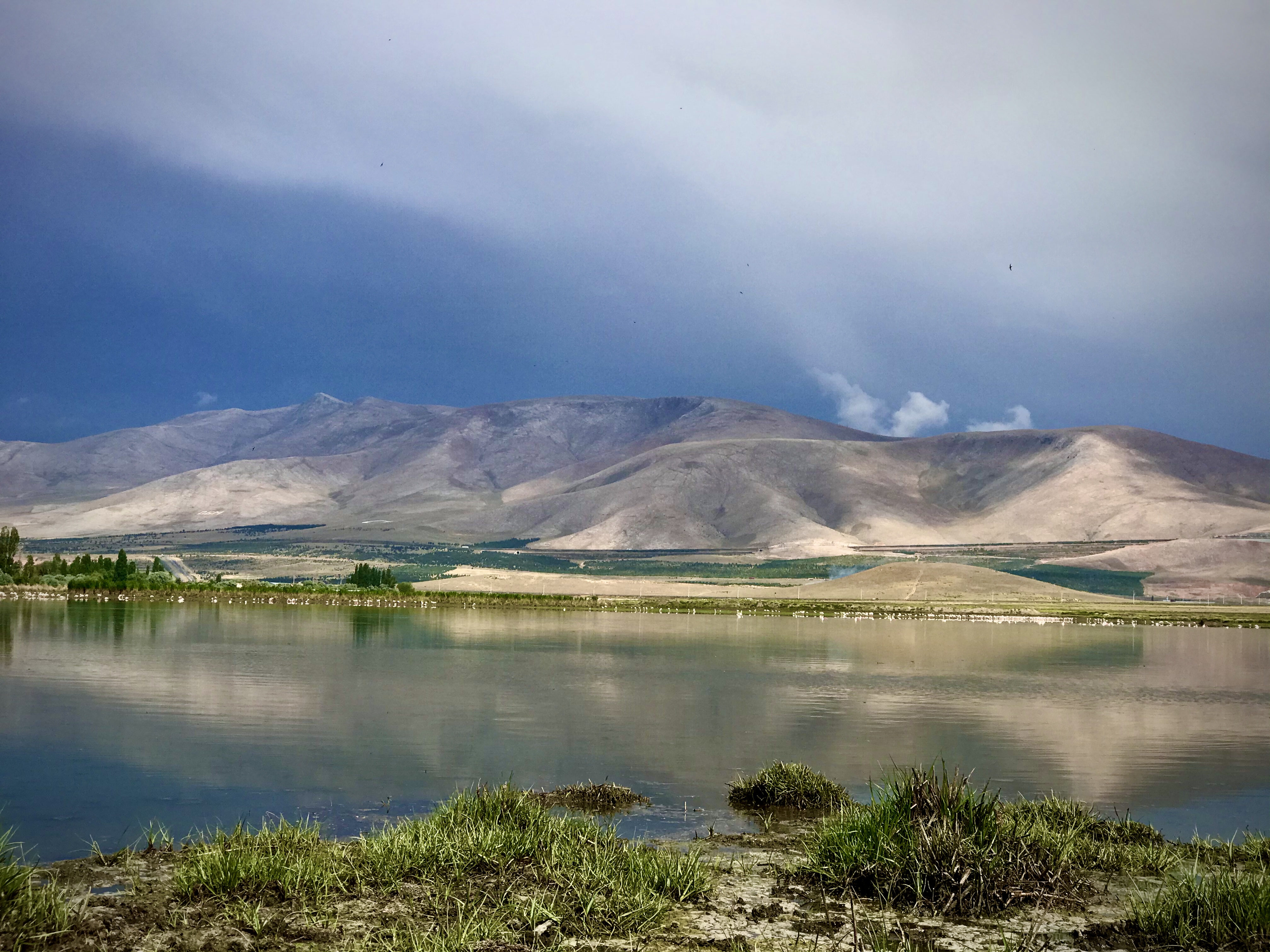
Akkaya Barajı – A Hidden Gem in Niğde’s Rugged Heart
If you think Turkey’s travel highlights are limited to Istanbul’s mosques, Cappadocia’s fairy chimneys, or the turquoise coast, think again. Nestled in the volcanic plateau of Central Anatolia, Akkaya Barajı (Akkaya Dam) offers a quiet, off‑the‑beaten‑path experience that blends engineering marvel, natural beauty, and authentic Turkish hospitality.
1. Introduction
A quick glance at the map of Turkey and you’ll spot the bustling metropolises, the Mediterranean shoreline, and the famed Silk Road cities. Yet, a short drive east of the town of Bor in Niğde Province brings you to a lesser‑known landmark that locals cherish: Akkaya Barajı. This modest dam, perched at coordinates 37.919395 N, 34.607878 E, is more than a water‑storage structure—it’s a tranquil spot for picnics, sunrise photography, and a glimpse into the region’s water‑management history.
Whether you’re a road‑trip enthusiast, a photography buff hunting for reflective surfaces, or a traveler who loves discovering “secret” spots, Akkaya Barajı deserves a place on your Niğde itinerary.
2. About Akkaya Barajı
History & Purpose
Akkaya Barajı was built to support the agricultural needs of the Bor district, a region known for its wheat fields, orchards, and livestock farms. While official records do not disclose the dam’s exact height or altitude, its presence has been instrumental in regulating water flow from the surrounding volcanic streams, ensuring a reliable irrigation supply for the surrounding villages.
The dam’s name—Akkaya—translates to “white rock” in Turkish, a nod to the pale limestone formations that dominate the landscape. Over the decades, the reservoir has become a modest yet vital component of Niğde’s water infrastructure, helping to mitigate the seasonal dryness that characterizes Central Anatolia’s continental climate.
Significance
Beyond its utilitarian role, Akkaya Barajı serves as a small ecological haven. The calm surface of the reservoir attracts migratory birds during the spring and autumn passages, offering birdwatchers a chance to spot species such as the European roller, the white wagtail, and occasionally, the majestic golden eagle.
For locals, the dam is a community gathering spot. Families often organize weekend picnics along its banks, and children love to splash in the shallow edges during the hot summer months. The sense of place is palpable, making the dam an authentic cultural touchpoint for anyone seeking a genuine Turkish countryside experience.
For a quick reference, see the Turkish Wikipedia entry: Akkaya Barajı (tr.wikipedia.org).
3. How to Get There
By Air
The nearest major airport is Kayseri Erkilet Airport (ASR), about 150 km (≈ 2 hours) east of Bor. From the airport, you can rent a car or catch a regional bus to Niğde.
By Train
Niğde has a modest railway station on the Ankara‑Adana line. Trains from Ankara or Konya stop here several times a day. From Niğde station, take a local minibus (dolmuş) to Bor; the ride lasts roughly 30 minutes.
By Car
Driving is the most flexible option. From Niğde city center, follow the D750 highway eastward toward Bor. After about 15 km, turn left onto the E-20 road that leads directly to the dam. The final stretch is a well‑maintained rural road with clear signage for “Akkaya Barajı.”
Parking: A small, free parking lot sits at the main access point. Space is ample for cars, motorcycles, and even a couple of camper‑vans.
Public Transport
If you prefer public transport, the Bor‑Niğde minibusses run hourly during the day. Ask the driver to drop you off at the “Baraj” stop; it’s a short 5‑minute walk to the reservoir’s edge.
4. Best Time to Visit
Akkaya Barajı’s charm changes with the seasons, but two windows stand out:
| Season | What to Expect | Why It’s Ideal |
|---|---|---|
| Spring (April‑May) | Fresh green shoots, blooming wildflowers, migratory birds returning. | Mild temperatures (12‑20 °C) make hiking and birdwatching comfortable. |
| Autumn (September‑October) | Golden‑toned hills, calm waters reflecting the sunset, cooler air. | Harvest festivals in nearby villages add cultural flavor, and the water level is still high from summer rains. |
Summer can be hot (30‑35 °C) but offers a chance to cool off at the reservoir’s shallow edges. Winter brings occasional snowfall, turning the dam into a serene, icy tableau—perfect for photographers, though some access roads may be slick.
5. What to Expect
Scenic Views
Approaching the dam, you’ll be greeted by a broad, glass‑like surface framed by low limestone ridges. The water’s turquoise hue—especially after a rain—contrasts beautifully with the surrounding ochre fields. Sunrise is particularly magical; the early light paints the sky in pastel shades while the dam’s surface mirrors the scene.
Activities
- Picnicking: Pack a traditional Turkish “kumpir” (baked potato) or “çiğ köfte” and enjoy it on the grassy banks.
- Photography: The dam’s geometric spillway, the surrounding volcanic terrain, and the ever‑changing sky provide endless composition opportunities.
- Birdwatching: Bring binoculars; you may spot swallows, starlings, and the occasional raptor.
- Light Hiking: Small trails snake around the reservoir, offering short loops (2‑3 km) that showcase the region’s flora—wild thyme, sage, and almond trees.
Amenities
Facilities are modest: a few public restrooms, a small kiosk selling tea and simit (sesame bagels), and a picnic shelter that can be reserved for group events. No formal visitor center exists, so it’s wise to bring water, sunscreen, and a map (offline GPS works well).
6. Nearby Attractions
Akkaya Barajı sits in a cluster of water‑related sites that make for a perfect day‑trip circuit. All are within a 12‑km radius, so you can explore them by car or bike.
| Attraction | Distance | Type | Quick Link |
|---|---|---|---|
| Koyunlu Barajı | 7.8 km | Dam | Koyunlu Barajı (Wikipedia) |
| Yeşilburç Barajı | 11.4 km | Dam | Yeşilburç Barajı (Wikipedia) |
| Unnamed Dam #2 | 10.4 km | Dam | (local map reference) |
| Unnamed Spring #1 | 10.9 km | Spring | (local map reference) |
| Unnamed Spring #2 | 11.3 km | Spring | (local map reference) |
Suggested itinerary: Start at Akkaya Barajı for sunrise, head east to Koyunlu Barajı for a mid‑morning coffee break, then continue to Yeşilburç Barajı for a light lunch. If you’re feeling adventurous, explore the nearby springs—ideal spots for a quick dip or a quiet meditation session.
7. Travel Tips
- Carry Cash: While the kiosk accepts cards, many rural vendors still prefer cash (Turkish Lira).
- Dress Appropriately: Modest clothing is appreciated, especially if you plan to visit nearby villages. In summer, lightweight, breathable fabrics and a hat are essential.
- Respect the Environment: The dam’s water is used for irrigation; avoid swimming in the main reservoir. Use designated shallow areas for wading.
- Timing: Arrive early (around 7 am) during peak season to beat the crowds and capture the best light.
- Local Cuisine: Try the regional “Niğde mantısı” (small dumplings) at a nearby village restaurant—delicious and filling after a day of exploring.
- Safety: Rural roads can be narrow and winding. Drive cautiously, especially after rain when surfaces may be slick.
- Connectivity: Mobile signal is generally good in Bor, but it can be spotty near the dam. Download offline maps beforehand.
Final Thoughts
Akkaya Barajı may not have the towering fame of Turkey’s iconic landmarks, but its quiet charm, panoramic vistas, and authentic local atmosphere make it a rewarding stop for any traveler willing to venture off the main tourist trail. Pair it with the neighboring dams and springs, and you’ll discover a compact network of natural and engineered beauty that tells the story of Central Anatolia’s resilience and hospitality.
Pack your camera, bring a picnic basket, and set your GPS to 37.919395 N, 34.607878 E—the hidden heart of Niğde awaits.
Keywords: Akkaya Barajı, Niğde travel, Bor Niğde dam, Turkey dams, dam tourism Turkey, things to do in Niğde, travel to Akkaya Barajı, Central Anatolia attractions, Koyunlu Barajı, Yeşilburç Barajı, Turkish countryside, birdwatching Niğde.