Salı Yeri Çeşmesi – A Hidden Fountain Gem in Kirklareli, Turkey
Discover the charm of a modest yet historic water source that whispers stories of Ottoman daily life, set in the heart of Thrace’s quiet capital.
Introduction
If you think Turkey’s most famous sights are only the bustling bazaars of Istanbul or the surreal landscapes of Cappadocia, think again. Tucked away in the tranquil streets of Kir Kirklareli lies Salı Yeri Çeşmesi, a small stone fountain that has been quenching the thirst of locals for centuries. While it may not boast towering arches or elaborate mosaics, this unassuming fountain offers a genuine slice of Turkish heritage—perfect for travelers who crave authentic, off‑the‑beaten‑path experiences.
In this guide we’ll explore what makes Salı Yeri Çeşmesi worth a stop, how to reach it, the best time to visit, and the other historic fountains that pepper the area. Whether you’re on a cultural road‑trip through Thrace or a short weekend getaway, the fountain provides a peaceful pause and a glimpse into the everyday life of Kirklareli’s residents.
About Salı Yeri Çeşmesi
A Brief Description
- Name: Salı Yeri Çeşmesi
- Type: Fountain ⛲
- Location: Kirklareli, Kirklareli Province, Turkey
- Coordinates: 41.734278 N, 27.225260 E
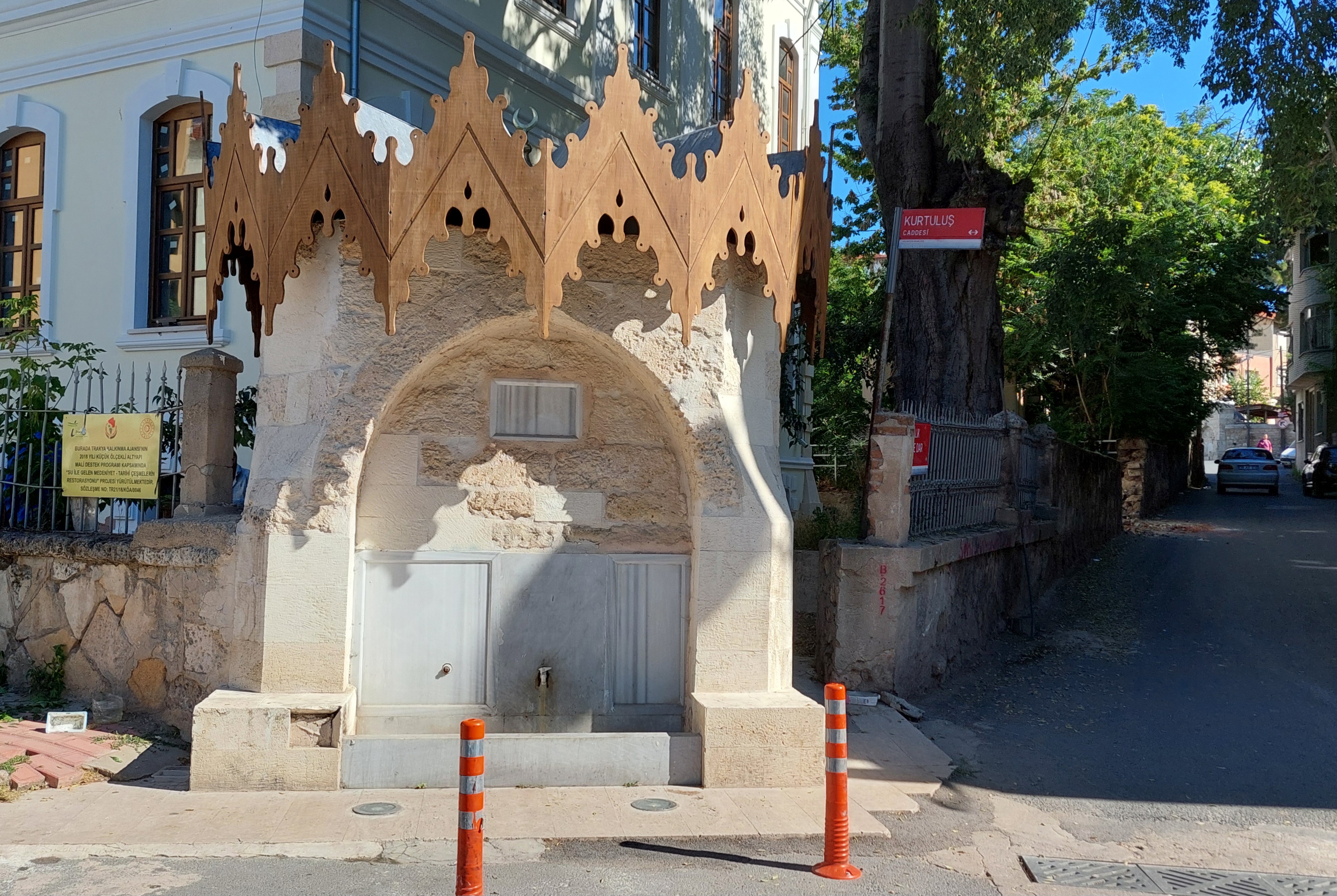
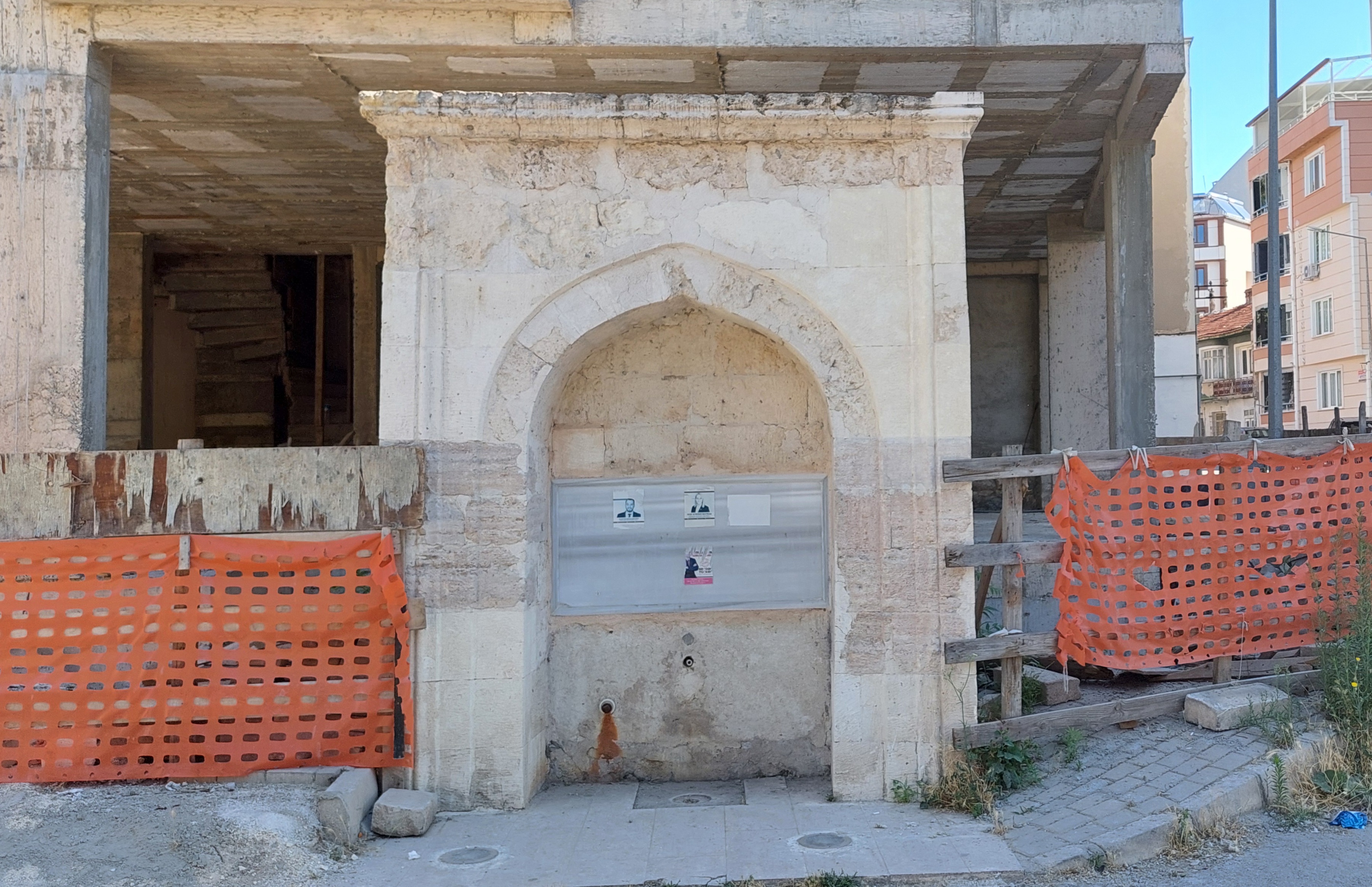
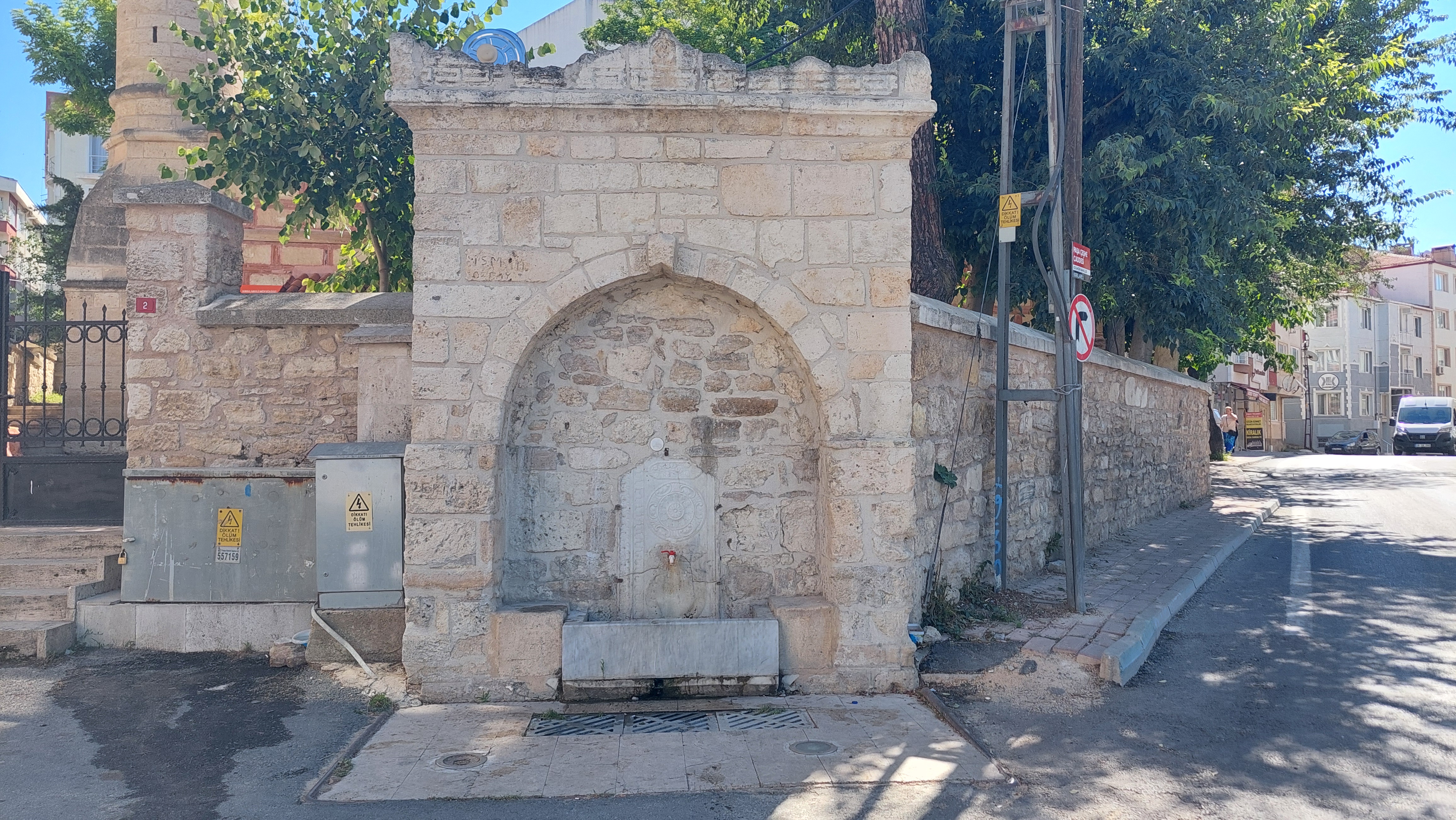
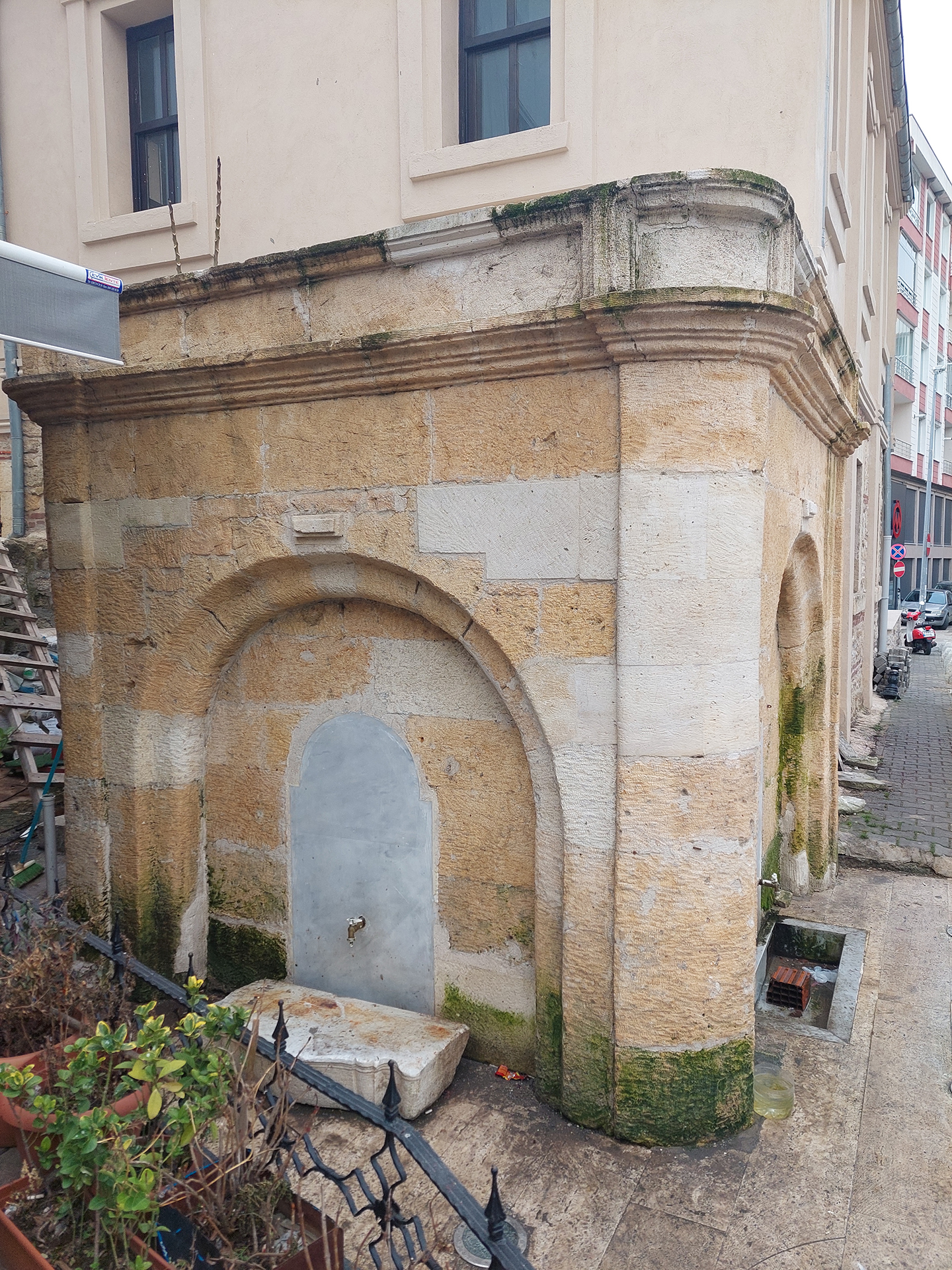
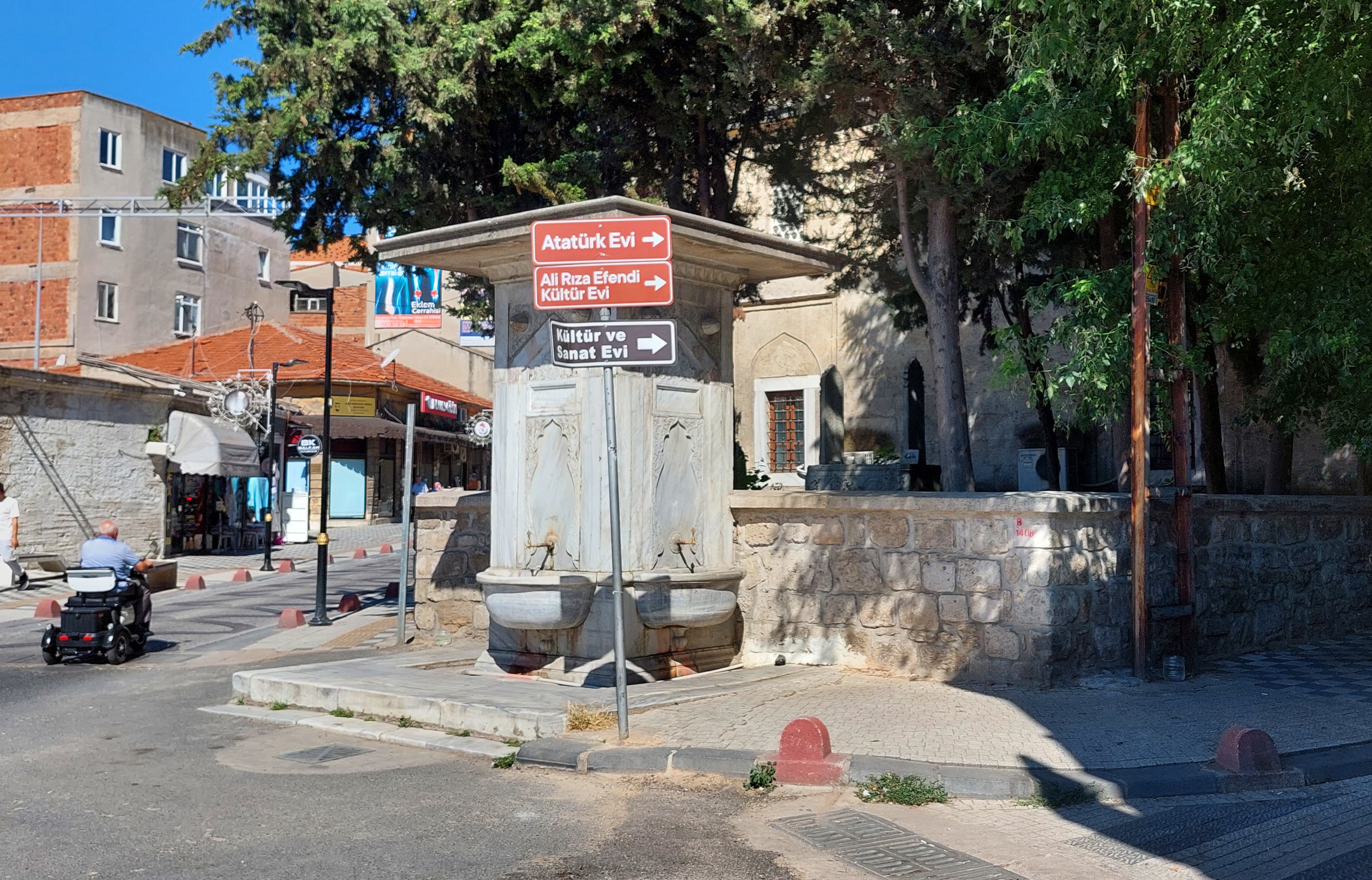
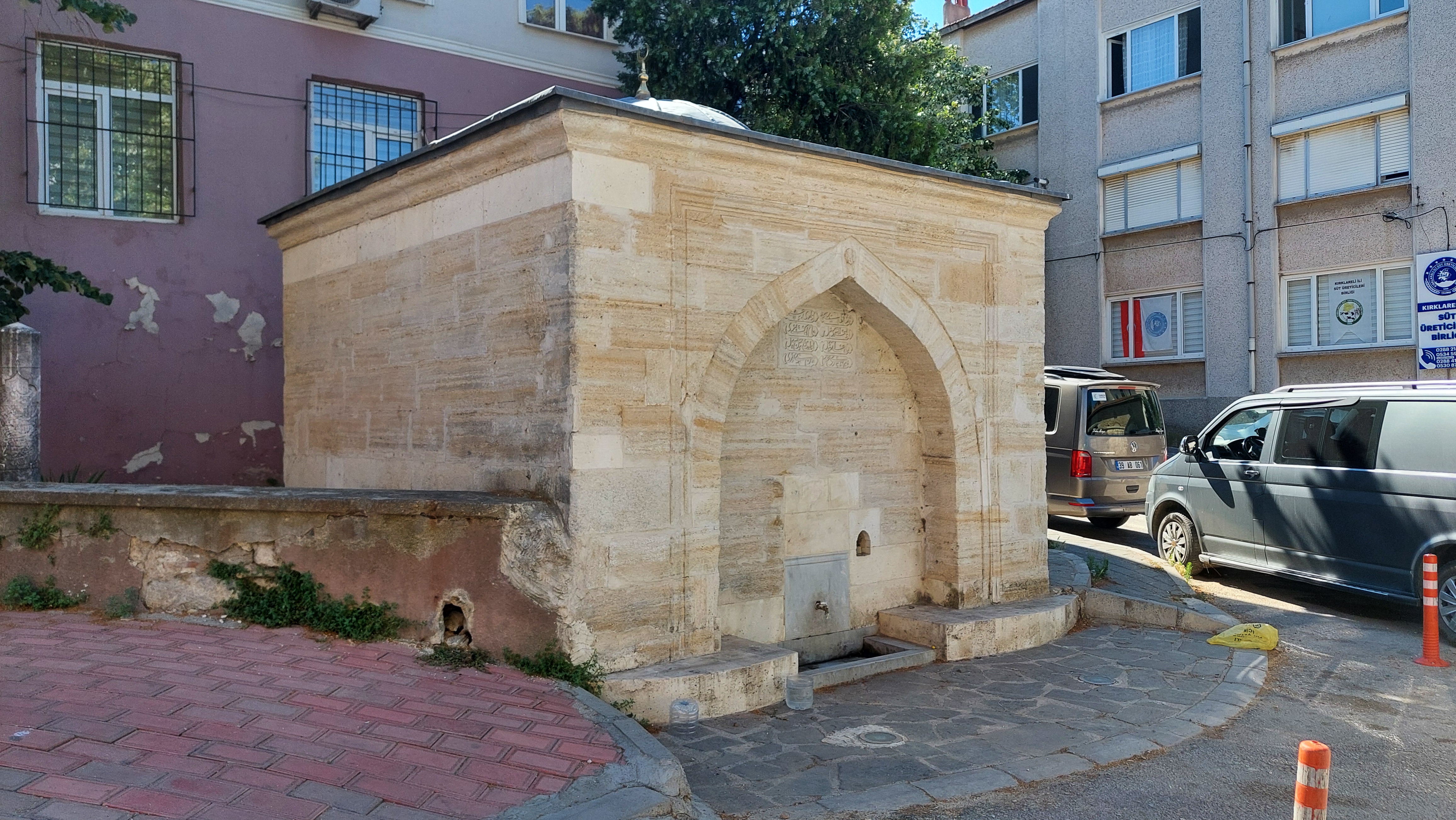
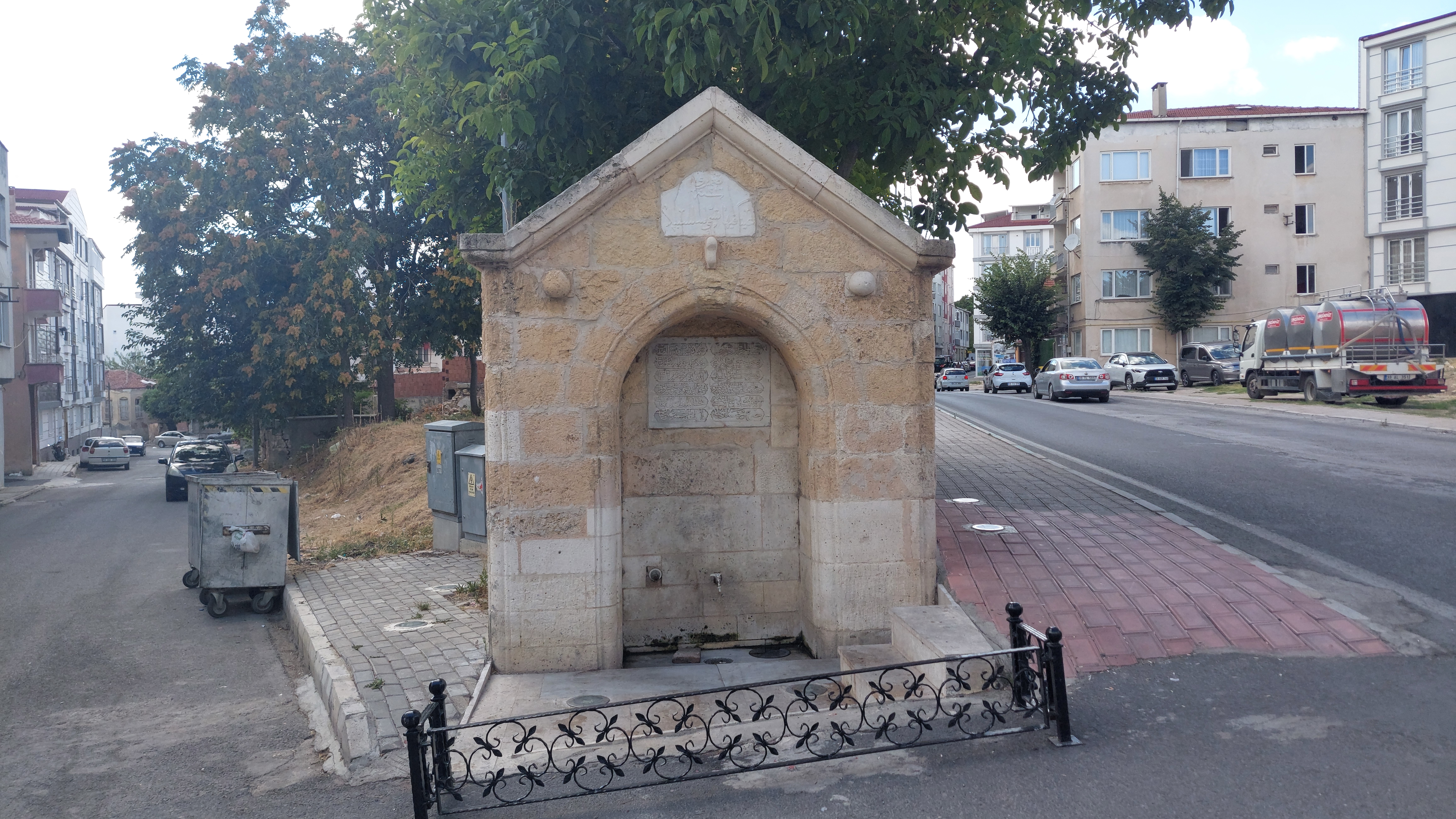
The fountain sits at street level, built from local stone and fed by an underground spring that historically supplied water to the surrounding neighborhood. Its modest size and simple design reflect the functional purpose of Ottoman‑era “çeşme” (fountains) that were placed in public squares, near mosques, or along trade routes to provide clean drinking water.
Historical Context
While specific construction dates for Salı Yeri Çeşmesi are not recorded, its existence is documented in local archives and the Turkish Wikipedia entry for the site. Like many Turkish fountains, it likely dates back to the Ottoman period, when the empire invested heavily in public waterworks as a form of civic welfare and religious charity (known as sıla). These fountains were often endowed by wealthy patrons or local guilds, and they served both practical and spiritual roles—water was considered a blessing, and the act of drinking from a communal source reinforced social cohesion.
Cultural Significance
In Kirklareli, Salı Yeri Çeşmesi is more than a decorative piece; it is a living reminder of the city’s historic relationship with water. Residents still gather around the fountain during hot summer afternoons, sharing tea, chatting, and occasionally performing the traditional çay ritual. For travelers, the fountain offers an authentic encounter with daily Turkish life, far removed from the tourist‑centric attractions of larger cities.
How to Get There
By Air
The nearest major airport is Sofia Airport (SOF) in Bulgaria, about 120 km away, followed by a short drive into Turkey. However, most visitors to Kirklareli arrive via Istanbul Airport (IST) or Sabiha Gökçen International Airport (SAW) and then continue by road.
By Train
Turkish State Railways (TCDD) operates regular services from Istanbul’s Halkalı Station to Kirklareli Railway Station. The journey takes roughly 2.5 hours, offering scenic views of the Thracian countryside.
By Bus
Intercity buses from Istanbul’s Esenler Bus Terminal (or from other major Turkish cities such as Edirne and Plovdiv) run frequently to Kirklareli. The bus ride typically lasts 2–3 hours.
Local Transport
Once you reach Kirklareli’s city center, the fountain is within walking distance of the main square. If you’re staying at a hotel outside the historic core, local dolmuş (shared minibus) routes or a short taxi ride will drop you off near the fountain.
Navigation Tips
- GPS Coordinates: 41.734278, 27.225260 – paste these into Google Maps or your preferred navigation app for precise guidance.
- Landmark: Look for the cluster of historic fountains near the central market; Salı Yeri Çeşmesi is nestled among them, often signposted in Turkish as “Salı Yeri Çeşmesi”.
Best Time to Visit
Spring (April–June)
Temperatures in Kirklareli hover between 15‑25 °C (59‑77 °F), making it ideal for leisurely strolls. The surrounding gardens burst into bloom, and the fountain’s water glistens under soft sunshine.
Summer (July–August)
While July can be warm (up to 30 °C / 86 °F), the fountain becomes a natural cooling spot. Locals often sit nearby, enjoying a glass of şerbet or fresh fruit, providing a vibrant cultural tableau for travelers.
Autumn (September–October)
Mild weather and fewer crowds create a relaxed atmosphere. The foliage in nearby parks adds a golden backdrop, perfect for photography.
Winter (November–March)
The fountain may be less active during freezing periods, and the area can feel quiet. If you enjoy peaceful, off‑season travel and don’t mind cooler temperatures, winter visits still offer a unique, introspective experience.
Overall recommendation: Aim for late spring or early autumn to enjoy comfortable weather, lively locals, and the fountain at its most picturesque.
What to Expect
Visual Experience
Salı Yeri Çeşmesi is modest in size, featuring a stone basin topped by a simple, slightly arched stone spout. The water flows gently, producing a soft, soothing sound that blends with the murmurs of nearby pedestrians. The surrounding cobblestones and historic façades give the area a timeless feel, reminiscent of an Ottoman marketplace.
Sensory Highlights
- Sound: The trickle of water creates a calming white‑noise backdrop—great for a brief meditation or a quiet coffee break.
- Taste: Many locals keep a small glass of water from the fountain; the water is fresh, though you may prefer bottled water if you have a sensitive stomach.
- Smell: In summer, the scent of nearby jasmine and rosemary from garden beds mingles with the earthy aroma of the stone.
Social Atmosphere
Expect a relaxed, communal vibe. Elderly men often sit on low stools, playing backgammon, while families with children pause for a drink. If you’re respectful—offer a friendly greeting in Turkish (“Merhaba!”) and you may be invited to join a brief conversation.
Nearby Attractions
Kirklareli’s historic center is dotted with several other charming fountains, each with its own story. They’re all within a short walk (0.1‑0.2 km) of Salı Yeri Çeşmesi, making a perfect self‑guided “fountain tour.”
| Fountain | Distance from Salı Yeri Çeşmesi | Quick Note |
|---|---|---|
| Kocahıdır Çeşmesi | 0.1 km | A slightly larger stone fountain, often used as a landmark for local festivals. |
| Kuru Paşa Çeşmesi | 0.1 km | Named after a former Ottoman official; its ornate stonework contrasts with Salı Yeri’s simplicity. |
| Paşa Çeşmesi | 0.2 km | Features a small marble plaque commemorating the 19th‑century renovation. |
| Hapishane Çeşmesi | 0.2 km | Located near the historic prison building, it once supplied water to inmates. |
| Büyük Cami Çeşmesi | 0.2 km | Situated beside the “Great Mosque” (Büyük Cami), this fountain served worshippers before prayers. |
For more information, you can explore the Wikipedia entry for Salı Yeri Çeşmesi: Salı Yeri Çeşmesi (Turkish Wikipedia).
Travel Tips
- Dress Modestly – While the fountain area is public, many nearby sites (e.g., Büyük Cami) are religious. Respect local customs by covering shoulders and knees.
- Bring Cash – Small shops and street vendors around the fountain accept Turkish Lira only; credit cards are less common.
- Stay Hydrated – The fountain’s water is safe for a quick sip, but carry a reusable bottle for longer walks.
- Photography Etiquette – Ask permission before photographing locals, especially older residents who may be sensitive about being captured.
- Timing Your Visit – Early mornings (7‑9 am) are quieter, allowing for reflective photos. Late afternoons bring a golden light that highlights the stone textures.
- Local Snacks – Try a simit (sesame‑seeded bagel) from a nearby bakery; it pairs wonderfully with a cup of Turkish tea while you sit by the fountain.
- Language Basics – Learning a few Turkish phrases (e.g., “Su alabilir miyim?” – “May I have water?”) goes a long way in building rapport.
Final Thoughts
Salı Yeri Çeşmesi may not dominate travel brochures, but its understated beauty and cultural resonance make it a rewarding stop for any traveler exploring Kirklareli or the broader Thrace region. By weaving this fountain into a day‑long itinerary that includes the nearby historic fountains, you’ll experience a micro‑cosm of Ottoman public life—one gentle splash at a time.
Pack your walking shoes, bring an open mind, and let the whisper of water guide you through one of Turkey’s most authentic, unspoiled corners. Happy travels!