Paşa Çeşmesi – The Hidden Fountain Gem of Kirklareli, Turkey
Discover the charm of a modest yet historic water source that whispers stories of Ottoman life, nestled in the heart of Kirklareli.
Introduction
If you think Turkey’s most famous sights are only the bustling bazaars of Istanbul or the fairy‑tale landscapes of Cappadocia, think again. Tucked away in the quiet streets of Kirklareli, Paşa Çeşmesi (the “Pasha Fountain”) offers travelers a glimpse of everyday Ottoman heritage that many visitors overlook. This modest stone fountain may not boast towering arches or elaborate mosaics, but its simple elegance, central location, and the soothing sound of flowing water make it a perfect stop for history buffs, photography lovers, and anyone craving an authentic Turkish experience off the beaten path.
About Paşa Çeşmesi
A Brief Description
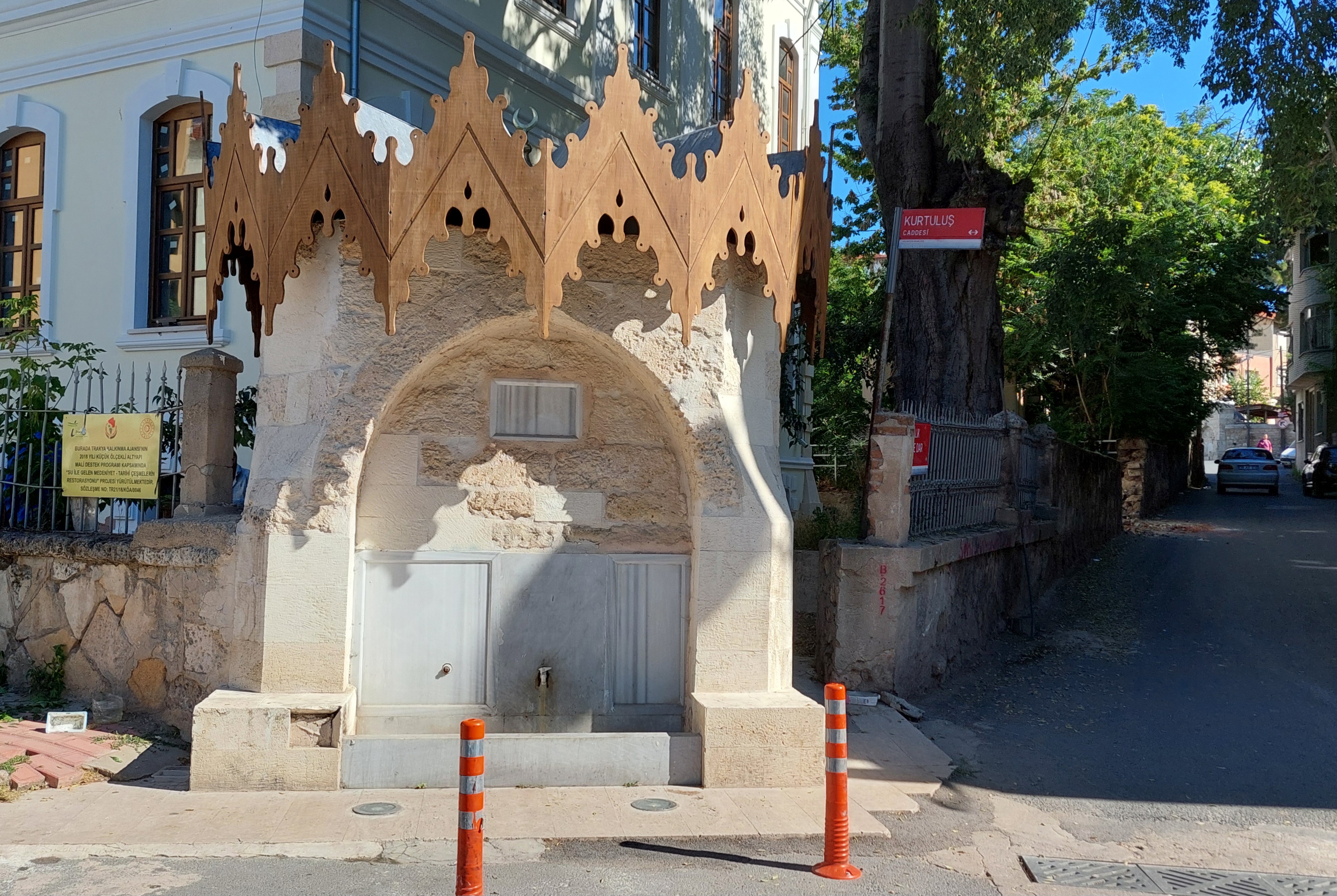
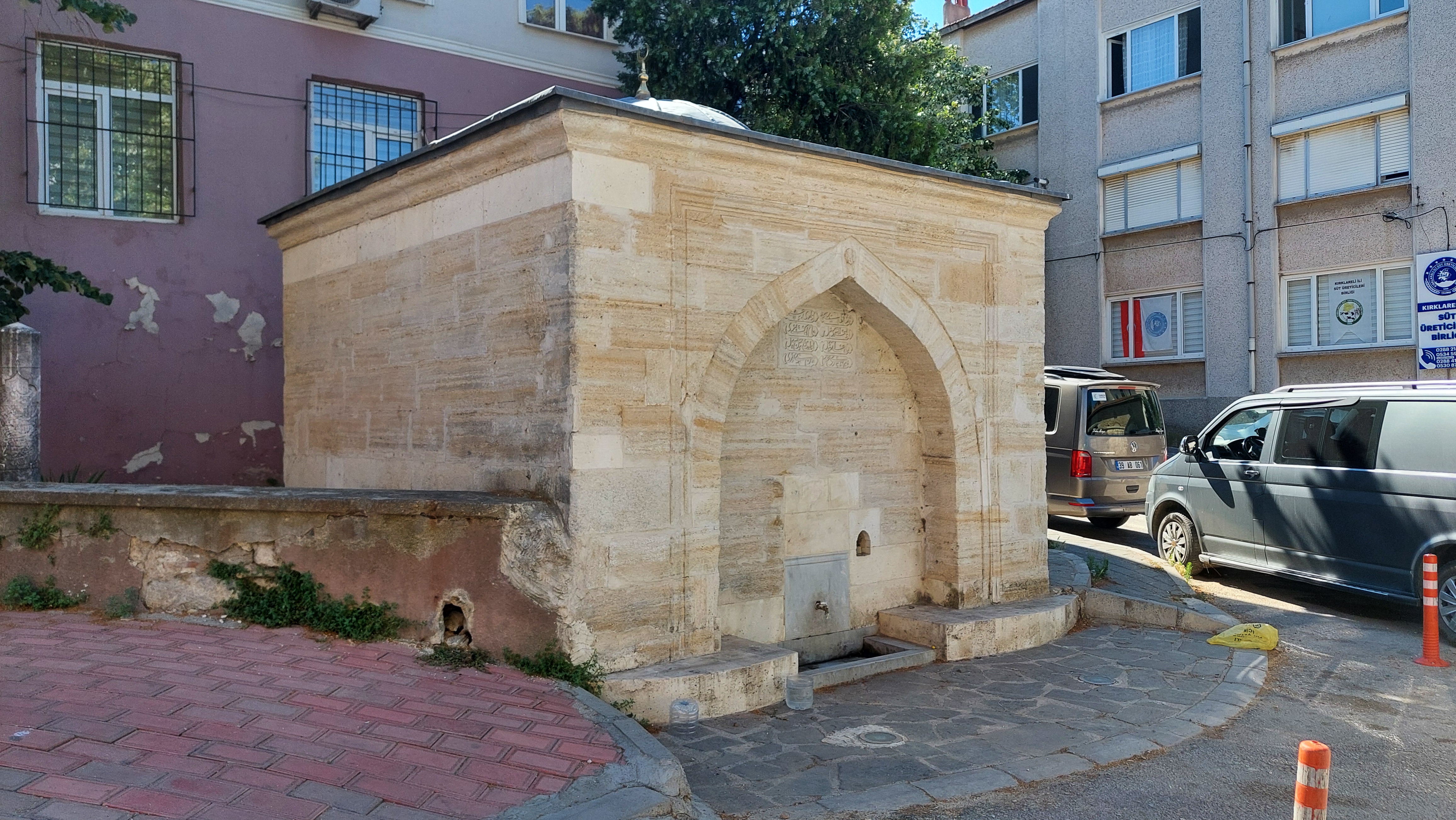
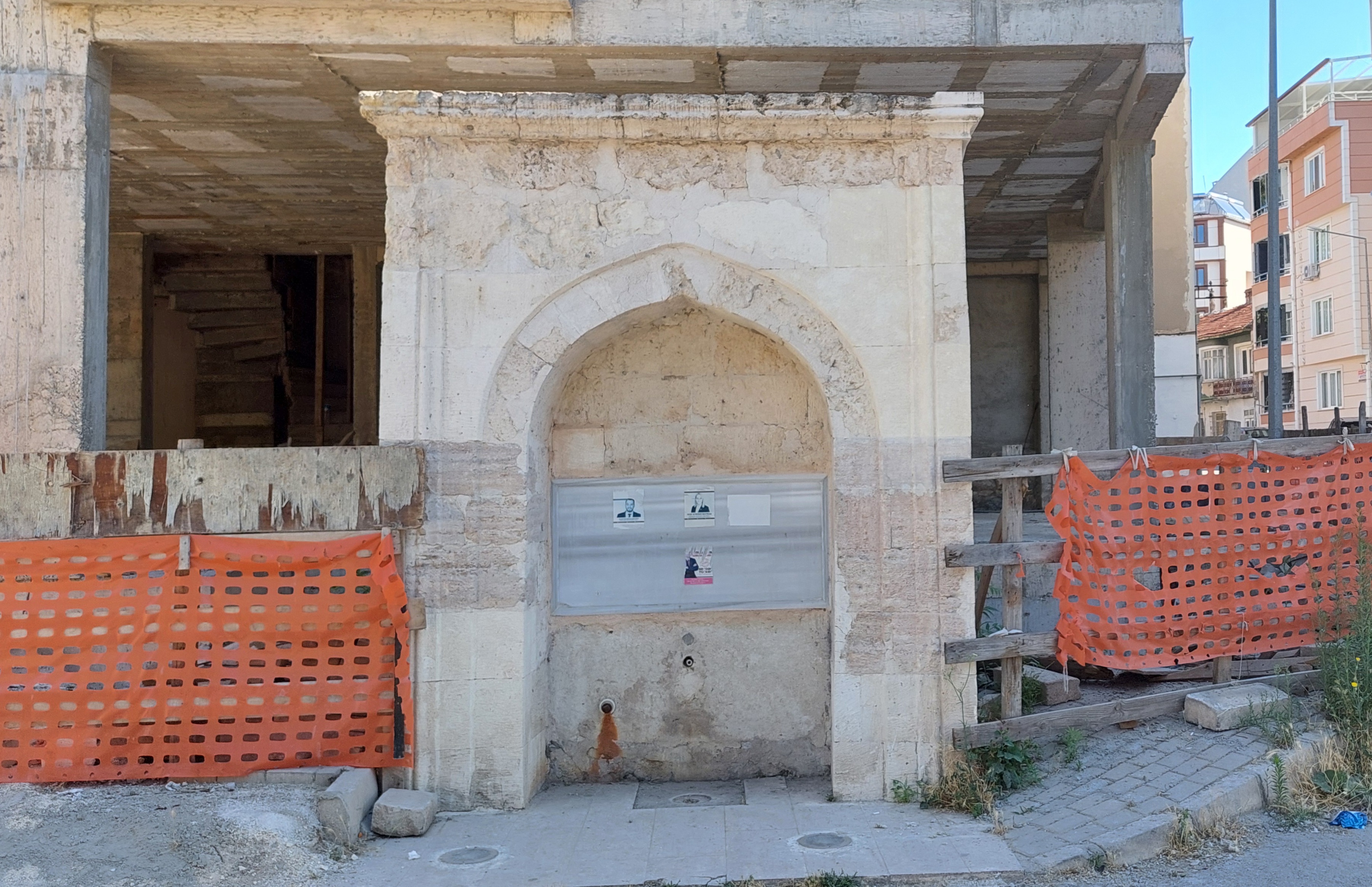
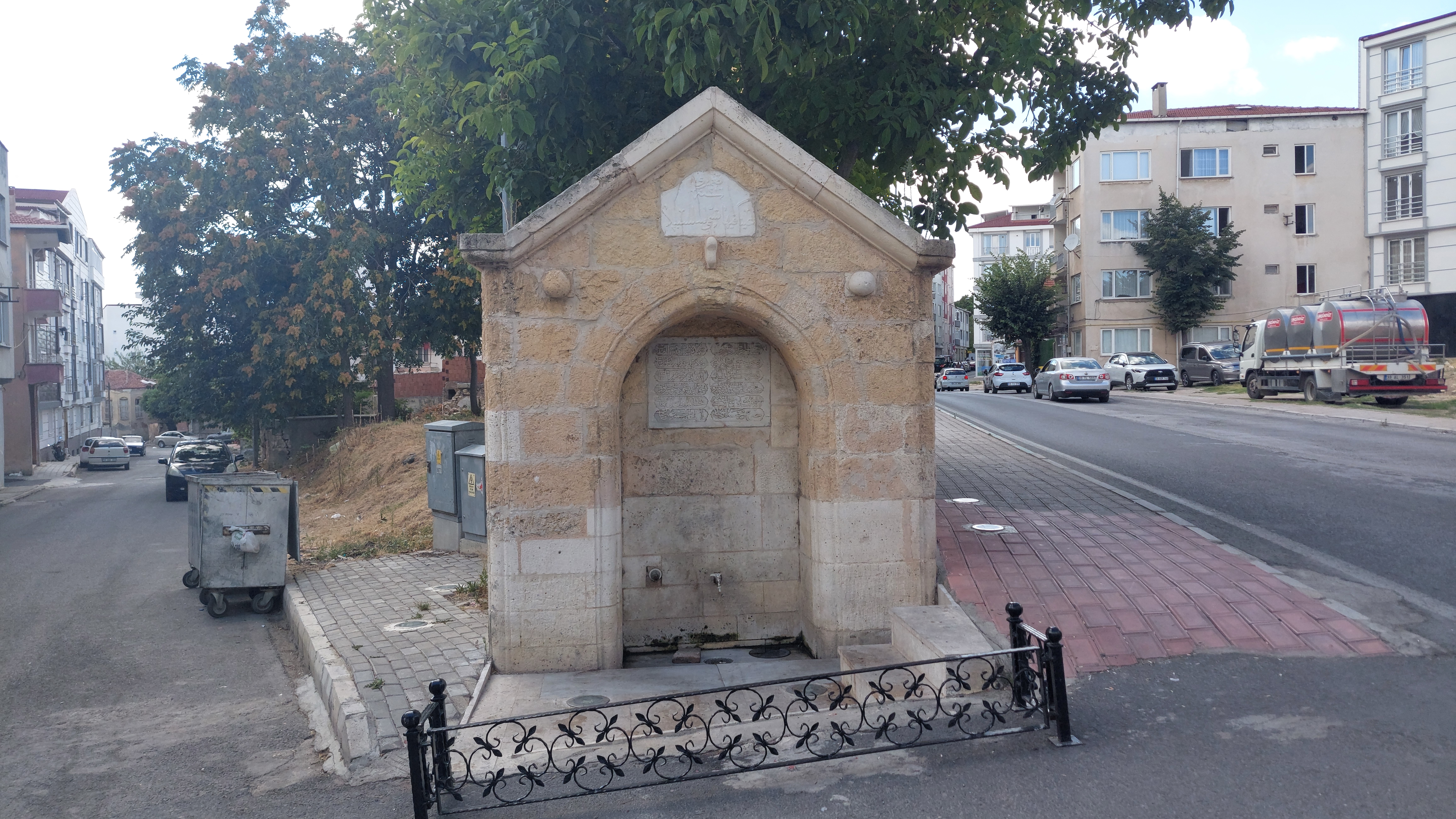
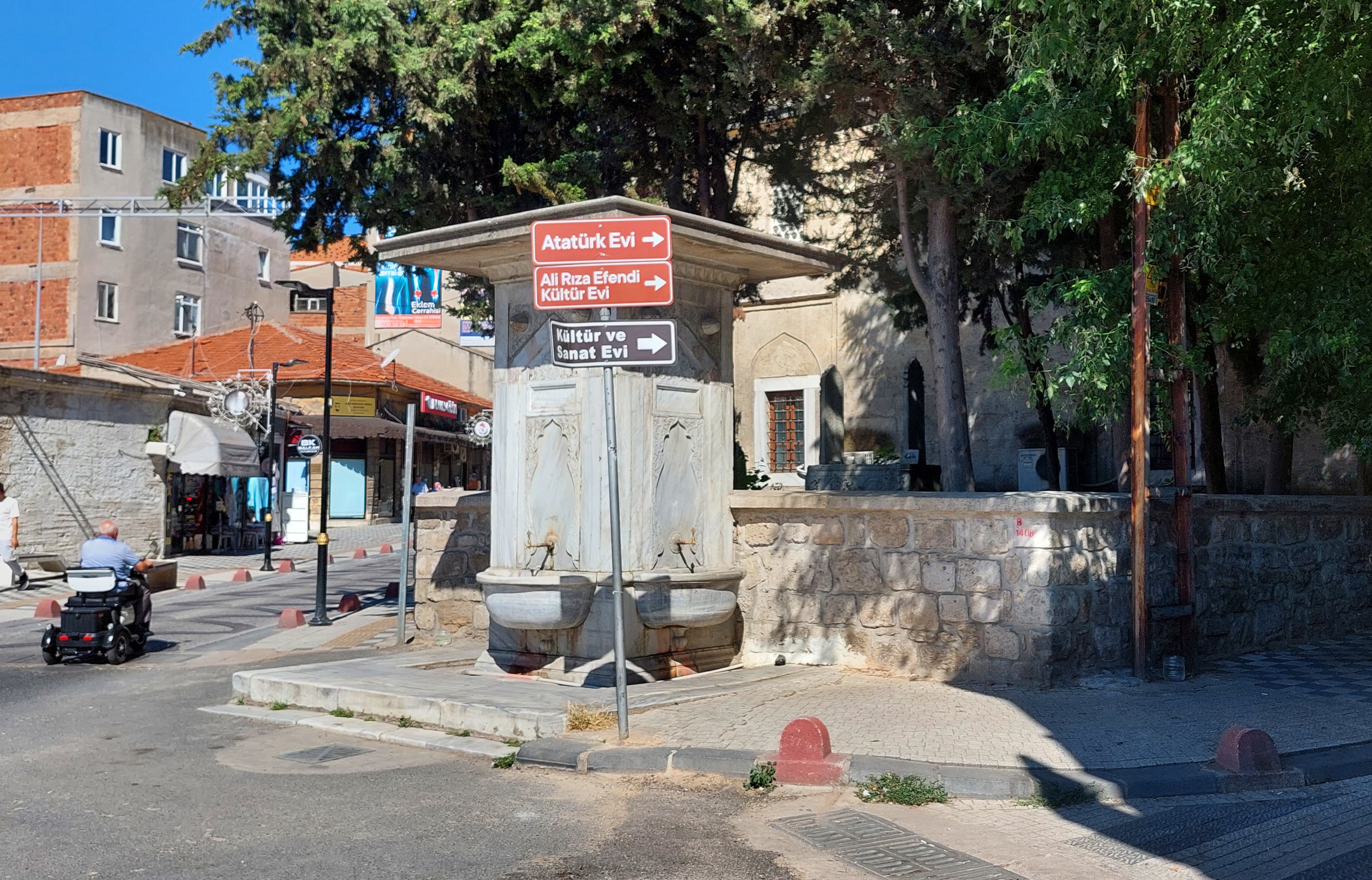
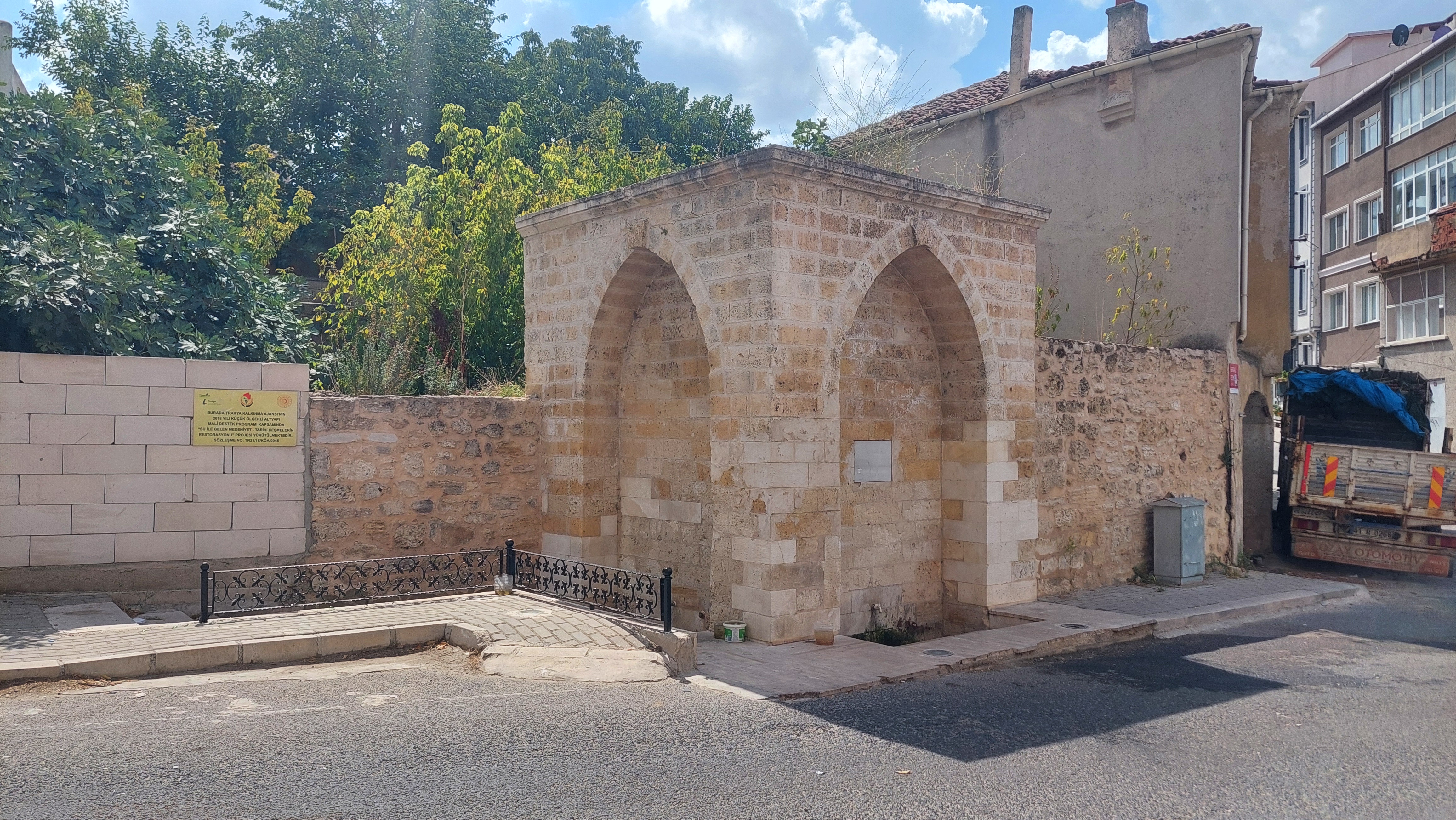
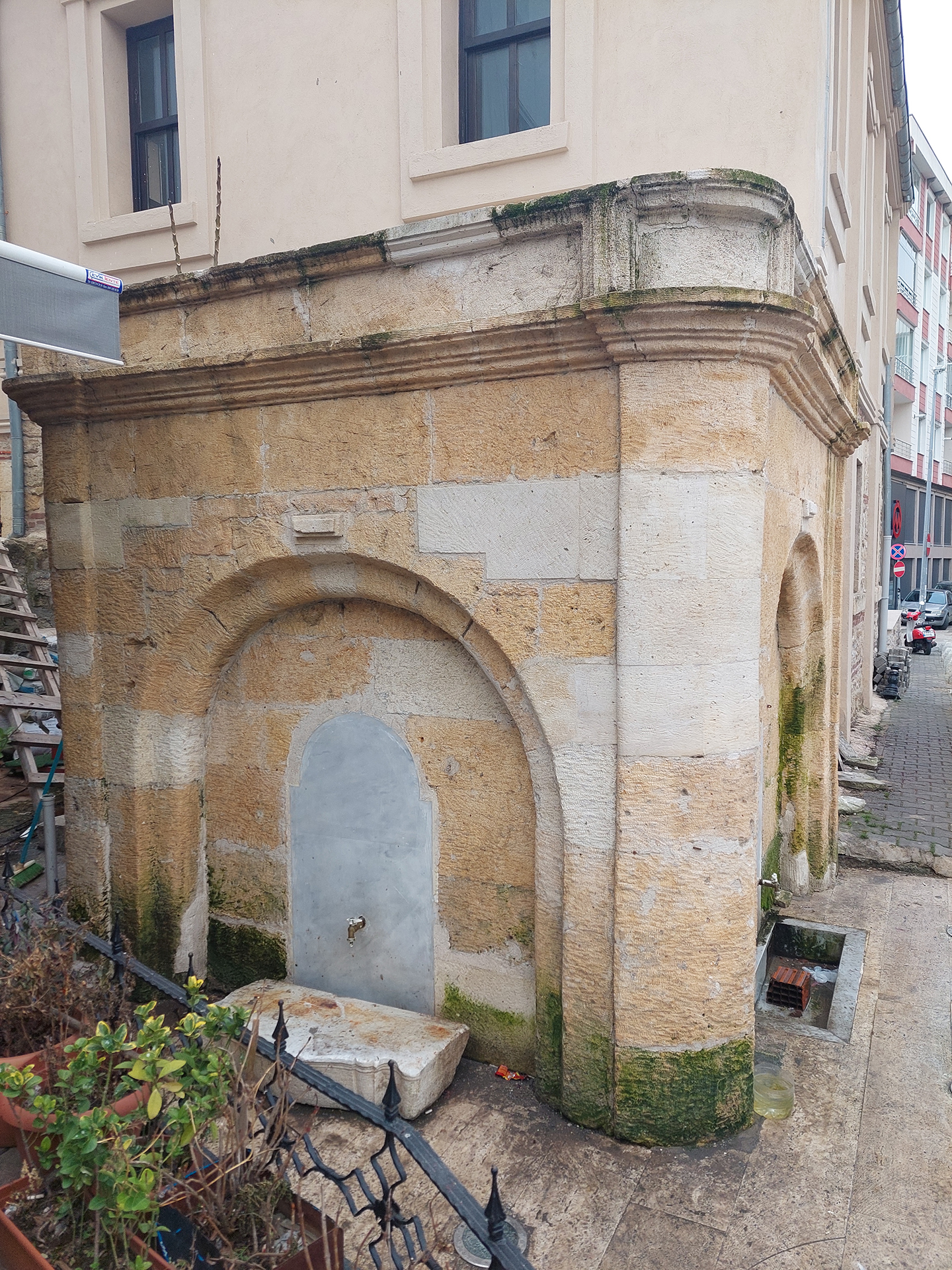
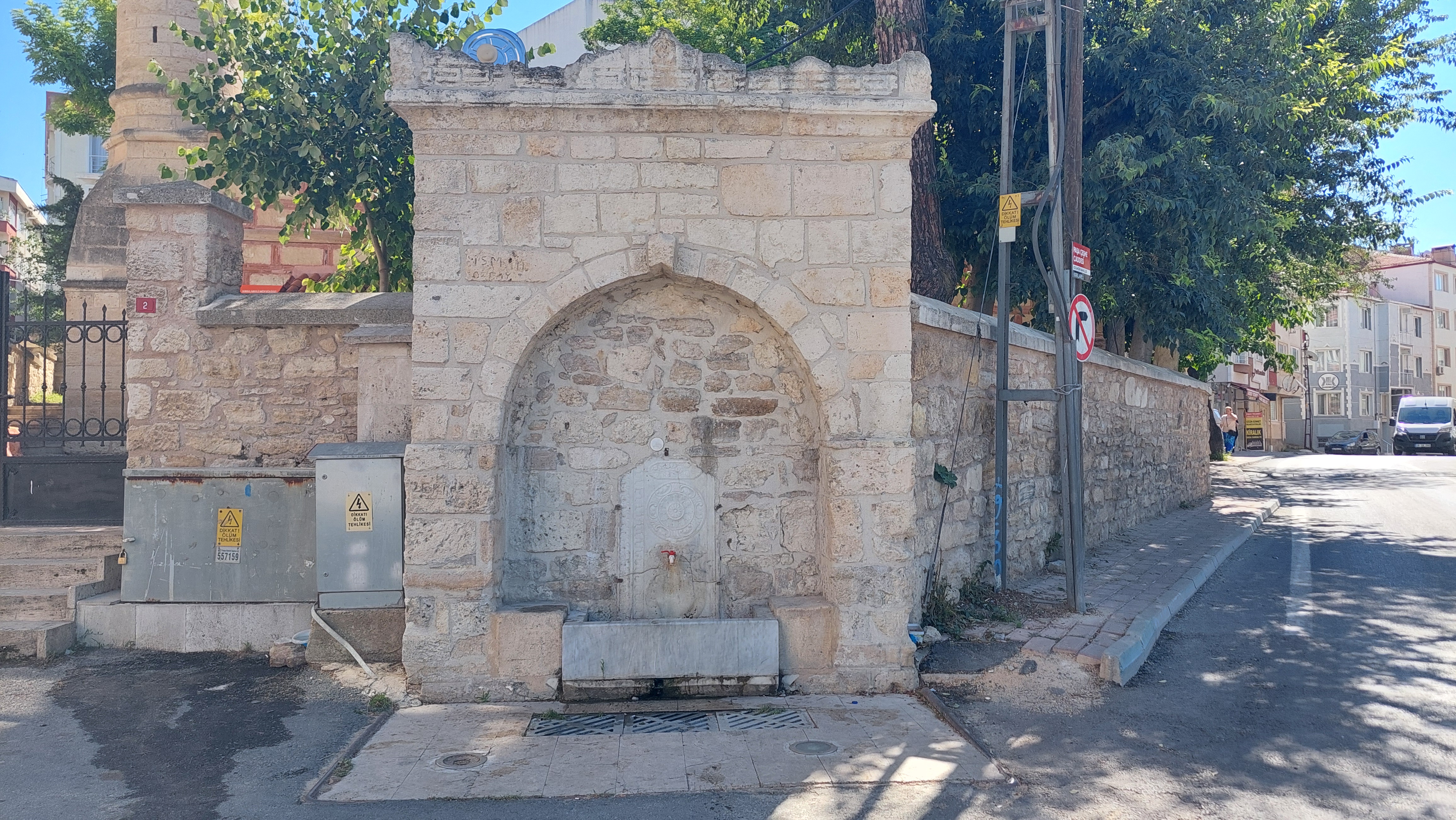
Paşa Çeşmesi is a historic public fountain (çeşme) situated at the coordinates 41.735253, 27.226790 in the city centre of Kirklareli, a province in north‑western Turkey bordering Bulgaria. The fountain is built from local stone, featuring a shallow basin that once supplied fresh water to travelers, traders, and local residents. While the exact height and altitude of the structure have not been documented, its modest dimensions blend seamlessly with the surrounding streetscape, allowing passers‑by to pause, sip, or simply admire the gentle ripple of water.
Historical Context
The term “Paşa” refers to a high‑ranking Ottoman official, suggesting that the fountain was commissioned by or dedicated to a local governor or military leader during the Ottoman period. Public fountains like Paşa Çeşmesi were essential components of Ottoman urban planning, providing clean drinking water, a place for social interaction, and a symbol of the state’s benevolence. Although specific archival records about the fountain’s construction date are scarce, its stone craftsmanship and architectural style are consistent with 19th‑century Ottoman public works found throughout the Balkans and Thrace.
Cultural Significance
In Turkish culture, çeşmes are more than functional objects; they are gathering points where stories are exchanged, children play, and the rhythm of daily life unfolds. Paşa Çeşmesi continues this tradition, serving as a quiet meeting spot for locals and a photogenic backdrop for travelers. Its presence also underscores Kirklareli’s rich Ottoman legacy, complementing the city’s historic mosques, bazaars, and other stone fountains that dot the urban fabric.
How to Get There
By Air
The nearest major airport is Sofia Airport (SOF) in Bulgaria, about 140 km away, followed by a short border crossing into Turkey. From Sofia, you can take a bus or rent a car to reach Kirklareli. The Turkish Istanbul Airport (IST) is also an option, with a domestic flight to Esenboğa Airport (ESB) in Ankara, then a 2‑hour drive north‑west to Kirklareli.
By Train
TCDD (Turkish State Railways) operates regional trains from Istanbul’s Halkalı Station to Kirklareli. The journey takes roughly 4‑5 hours, offering scenic views of the Thracian plains. Once you arrive at Kirklareli railway station, the city centre—and Paşa Çeşmesi—is a 10‑minute walk or a short taxi ride away.
By Bus
Intercity buses from Istanbul’s Esenler Bus Terminal or from Bulgaria’s Sofia Central Bus Station run frequently to Kirklareli. The bus ride lasts about 4 hours from Istanbul. Upon disembarking at the main bus depot, you can either walk (≈15 minutes) or take a local dolmuş (minibus) toward the city centre.
Local Navigation
Paşa Çeşmesi sits in the historic core of Kirklareli, close to the main pedestrian streets. Use a GPS app and input the coordinates 41.735253, 27.226790 or simply search “Paşa Çeşmesi, Kirklareli.” The fountain is within easy walking distance of the Kirklareli Municipality building and the central bazaar, making it a convenient stop on any city‑center itinerary.
Best Time to Visit
- Spring (April–June): Mild temperatures (15‑22 °C) and blooming gardens around the city create a pleasant atmosphere for strolling and photographing the fountain.
- Autumn (September–October): The weather remains comfortable, and the crowds thin out after the summer tourist peak.
- Winter: While the fountain may be less lively, the quiet ambiance and occasional frost on the stone provide a unique, almost magical setting.
- Summer: Expect higher temperatures (up to 30 °C) and more visitors in the city centre; early mornings are the best time to avoid the heat and enjoy a tranquil visit.
What to Expect
Arriving at Paşa Çeşmesi, you’ll be greeted by the gentle murmur of water flowing from a modest stone spout into a shallow basin. The surrounding cobblestones and historic storefronts create a timeless tableau, perfect for candid street photography or a quiet moment of reflection.
- Visual Appeal: The fountain’s stonework shows subtle Ottoman motifs—simple arches and decorative keystones—while the surrounding greenery adds a splash of colour.
- Atmosphere: Locals often pause to chat, sip water, or simply watch passers‑by, giving the site a lively yet relaxed vibe.
- Accessibility: The fountain is at ground level and easily reachable for all visitors, including those with limited mobility.
- Facilities: Nearby cafés and small shops offer Turkish tea, simit (sesame bagels), and fresh fruit, allowing you to combine a cultural pause with a tasty snack.
Nearby Attractions
While you’re in the area, consider exploring these other historic fountains and sites—all within a short walk from Paşa Çeşmesi:
| Attraction | Distance | Quick Note |
|---|---|---|
| Kocahıdır Çeşmesi | 0.1 km | Another Ottoman‑era fountain with a slightly larger basin. |
| Kadı Ali Çeşmesi | 0.2 km | Known for its intricate stone carvings. |
| Salı Yeri Çeşmesi | 0.2 km | A historic watering spot once used by travelers on the old trade route. |
| Kuru Paşa Çeşmesi | 0.2 km | Shares a similar name; offers a quieter setting. |
| Kayyumoğlu Çeşmesi | 0.2 km | Features a modest plaque detailing its restoration. |
| Kirklareli Castle (Kırklareli Kalesi) | 0.5 km | Ruins of a medieval fortress offering panoramic city views. |
| Kirklareli Museum | 0.6 km | Exhibits on regional history, including Ottoman artifacts. |
| Central Bazaar (Kırklareli Çarşısı) | 0.4 km | Traditional market stalls selling local crafts and foods. |
(All links lead to additional information on each site; replace “#” with the appropriate URLs when publishing.)
Travel Tips
- Dress Comfortably: Cobblestone streets can be uneven; wear sturdy shoes.
- Carry Cash: Small local shops and street vendors often accept only Turkish Lira.
- Stay Hydrated: While the fountain’s water is historically significant, it’s best to purchase bottled water for drinking.
- Respect Local Customs: When photographing locals, ask for permission—Turkish people appreciate courtesy.
- Timing: Early mornings (7–9 am) provide the softest light for photography and fewer crowds.
- Language: Basic Turkish phrases (“Merhaba” – hello, “Teşekkür ederim” – thank you) go a long way.
- Safety: Kirklareli is a low‑crime city, but keep an eye on personal belongings, especially in busy market areas.
- Combine Visits: Pair your fountain tour with a stop at a nearby café for Turkish tea and a lokum (Turkish delight).
Wrap‑Up
Paşa Çeşmesi may not dominate travel guide headlines, but its quiet presence captures the essence of everyday Ottoman life and the warm hospitality of Kirklareli’s residents. Whether you’re a history enthusiast, a photographer hunting authentic backdrops, or a traveler eager to wander off the tourist radar, this modest fountain offers a rewarding slice of Turkish heritage.
Plan your trip, follow the coordinates, and let the gentle flow of Paşa Çeşmesi refresh your wanderlust.
Keywords: Paşa Çeşmesi, Kirklareli fountain, Ottoman fountain Turkey, things to do in Kirklareli, travel guide Kirklareli, historic fountains Turkey, visit Paşa Çeşmesi, Turkey travel blog.