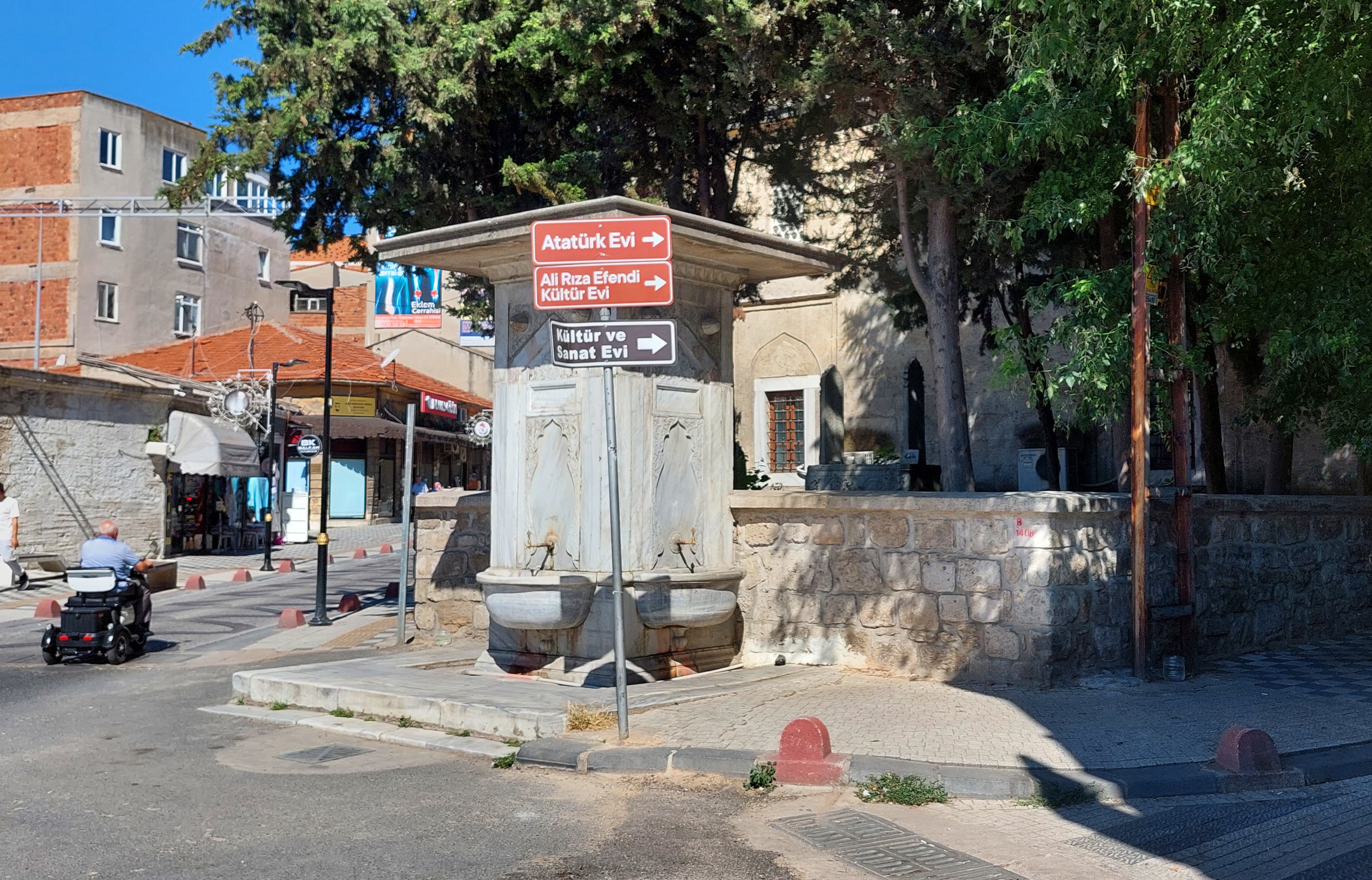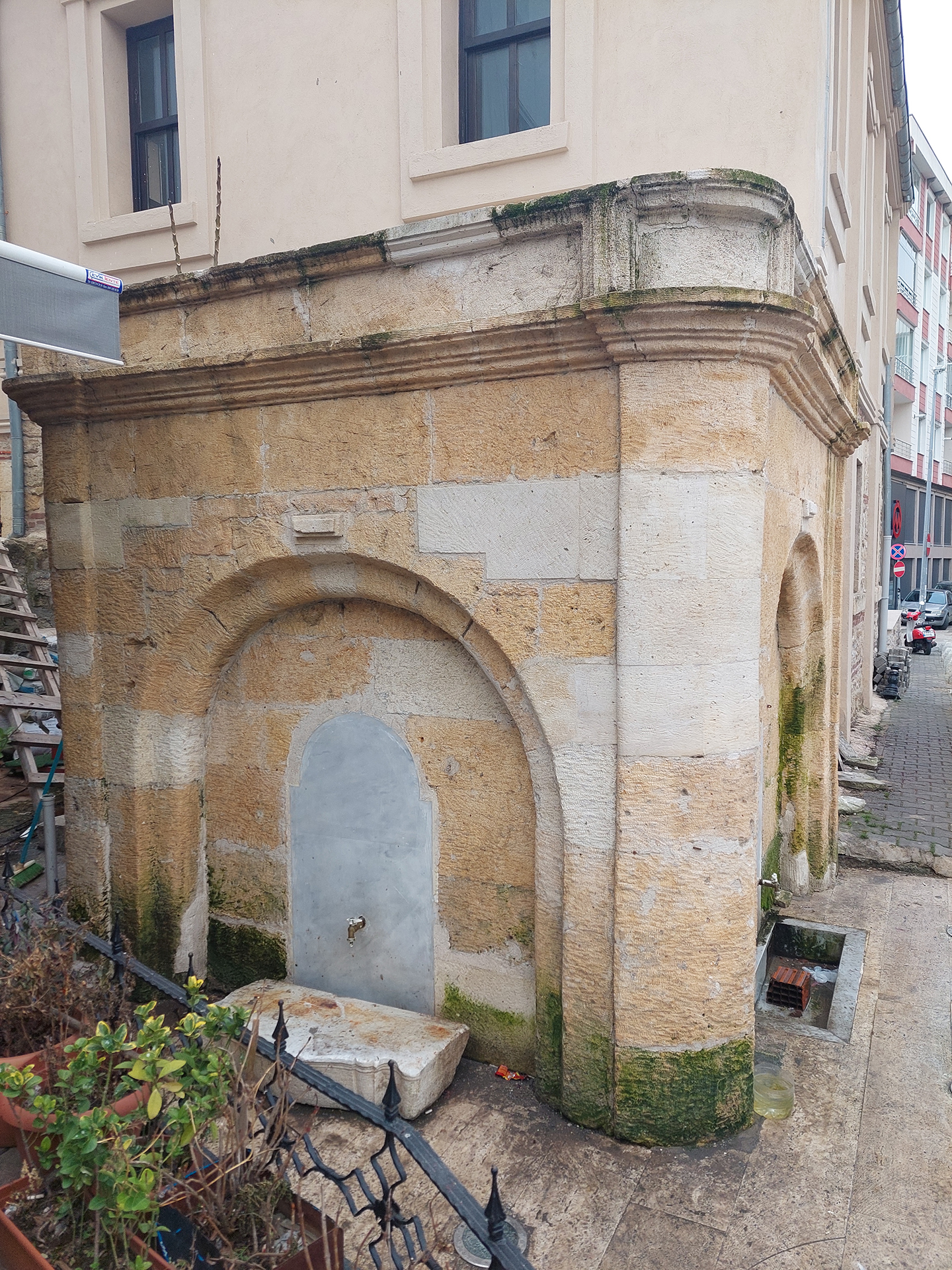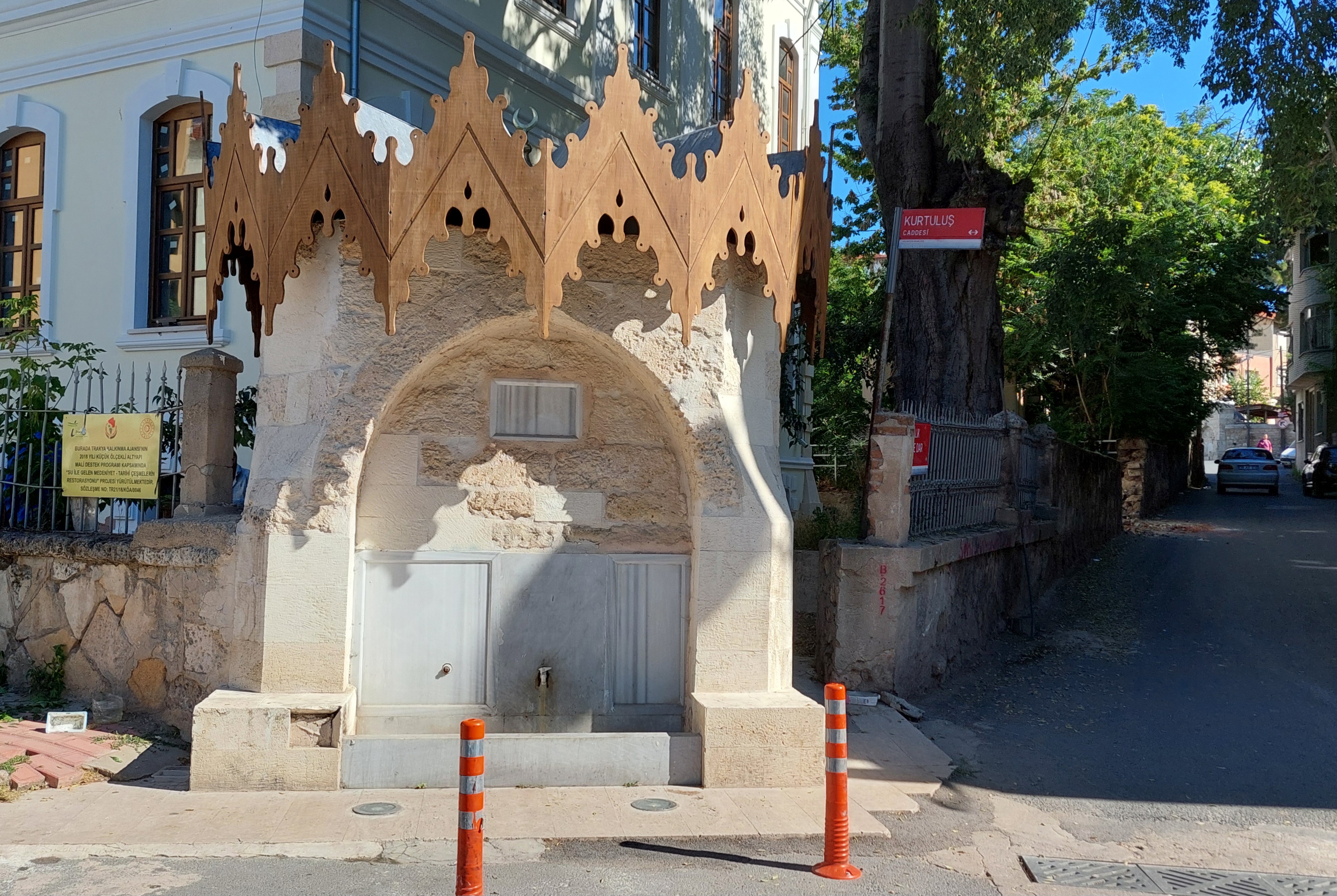
Kocahıdır Çeşmesi – The Hidden Fountain Gem of Kirklareli, Turkey
Discover the charm of a centuries‑old water source that quietly watches over the streets of Kirklareli. Whether you’re a history buff, a photography enthusiast, or simply a traveler looking for an off‑the‑beaten‑path spot, Kocahıdır Çeşmesi is a must‑see.
1. Introduction
Imagine strolling through the historic heart of Kirklareli, the north‑western Turkish city that straddles the border with Bulgaria, when a gentle splash catches your eye. Nestled among cobblestone lanes, the Kocahıdır Çeşmesi (literally “Great Man’s Fountain”) rises from the pavement like a modest monument to the city’s Ottoman past. While it may not boast towering arches or elaborate mosaics, this humble fountain exudes an authentic, lived‑in atmosphere that larger tourist sites often lack.
In this guide, we’ll take you beyond the quick‑look photo and explore the story, the surroundings, and the practical details that will help you make the most of a visit to Kocahıdır Çeşmesi.
2. About Kocahıdır Çeşmesi
A Brief Description
- Location: Kirklareli, Kirklareli Province, Turkey
- Coordinates: 41.734566 N, 27.226498 E
- Type: Historic public fountain (çeşme)
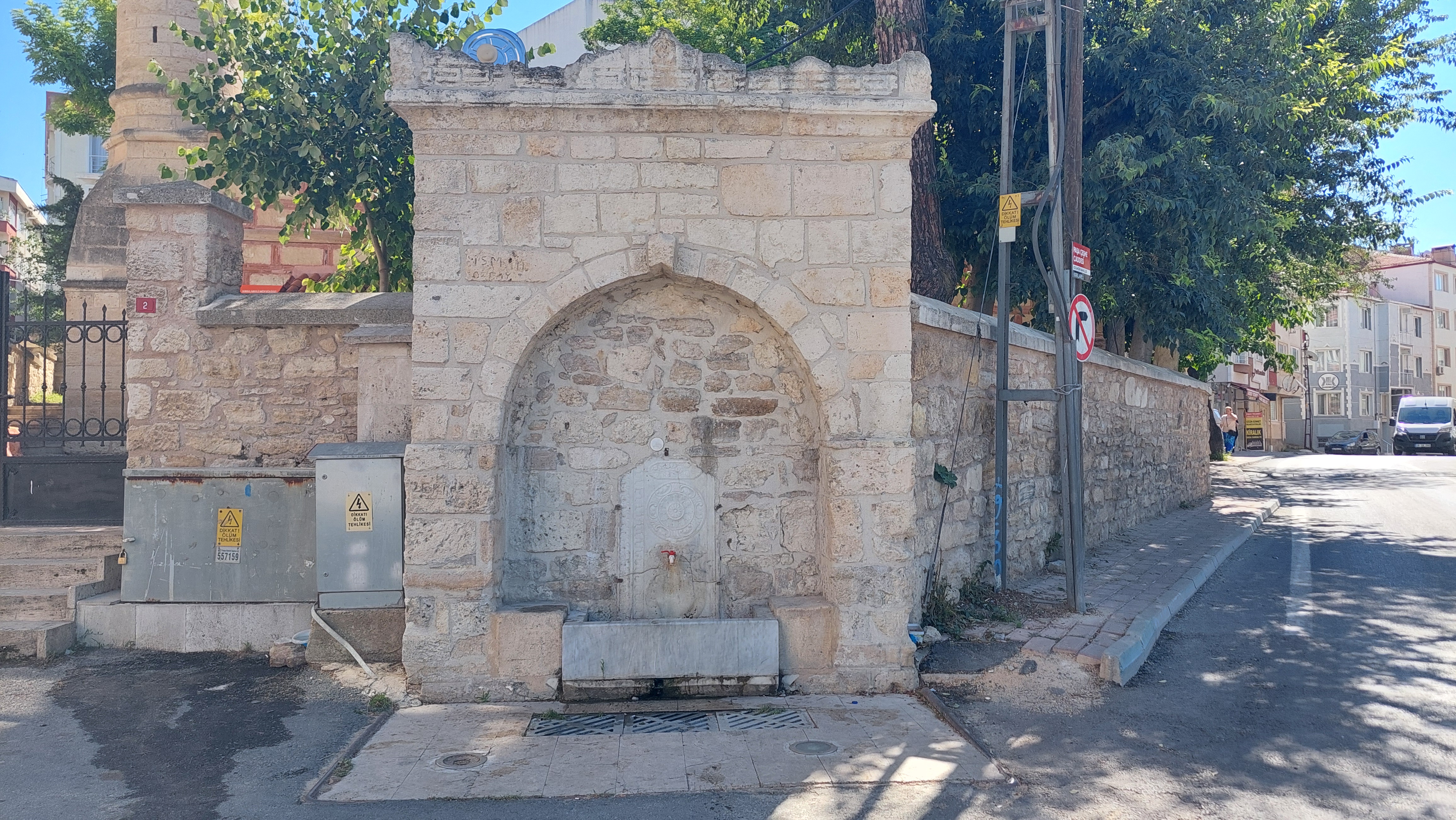
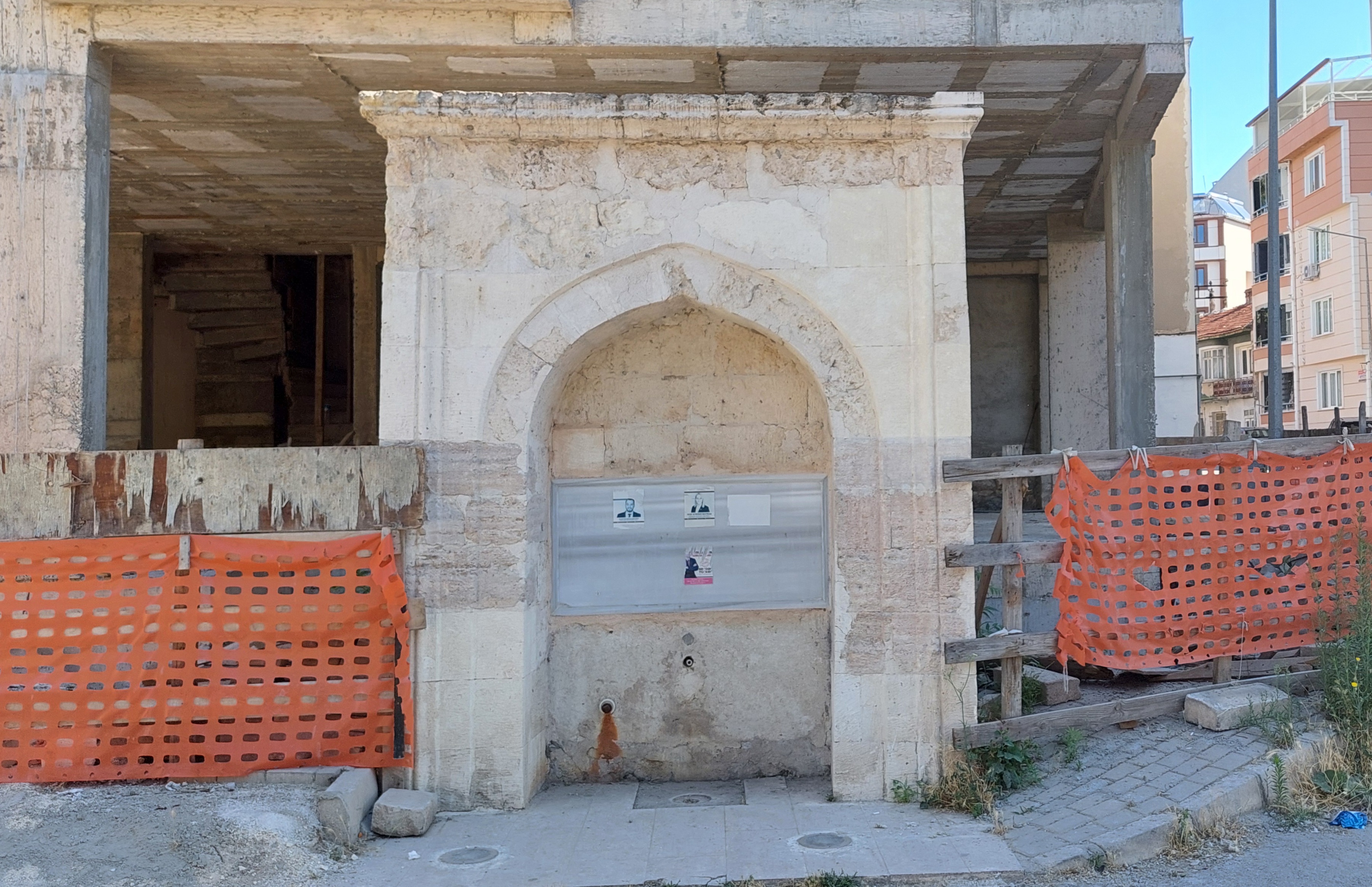
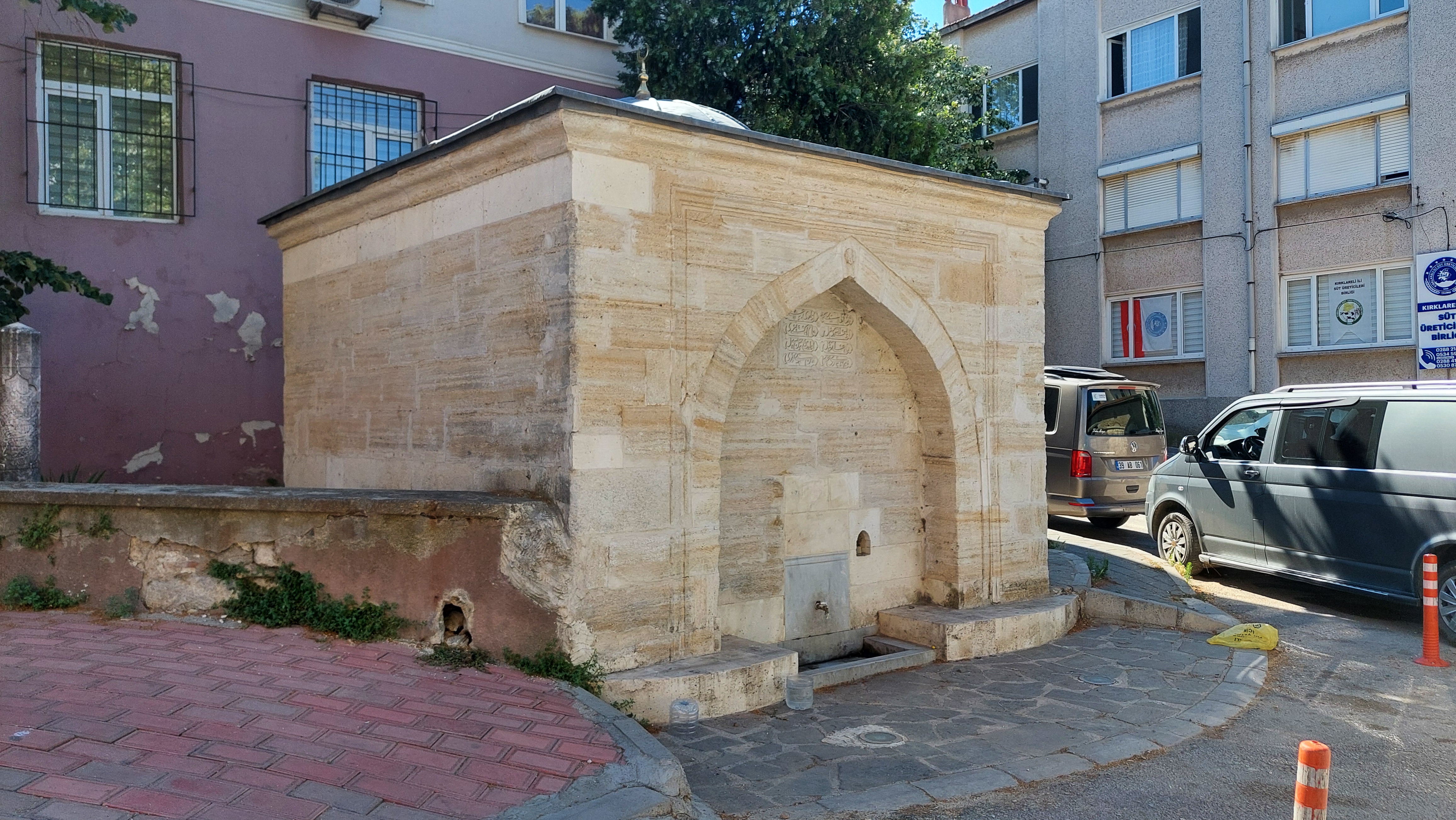
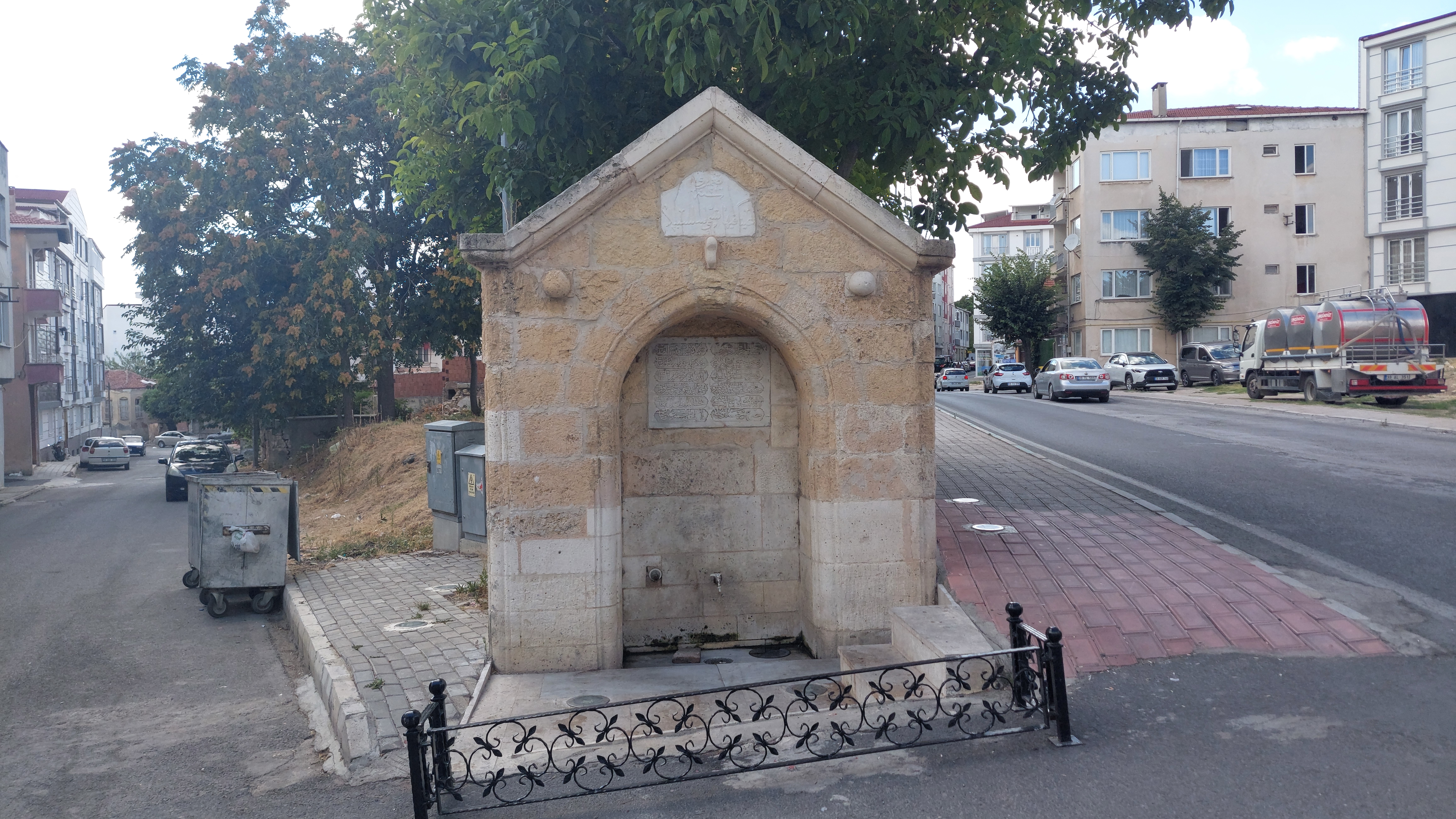
The fountain sits at street level, its stone basin fed by an underground aquifer that has supplied locals with fresh water for generations. The structure is simple: a low stone pedestal supporting a shallow basin, crowned by a modest stone lip where water gently overflows. Its weathered stonework tells a story of centuries of use, repair, and community care.
Historical Context
Kocahıdır Çeşmesi is part of the Ottoman tradition of çeşme—public fountains that were essential for daily life before modern plumbing. These fountains were often commissioned by wealthy patrons or local officials to provide clean water, serve as gathering points, and demonstrate civic generosity. While specific archival records for Kocahıdır Çeşmesi are scarce, its name suggests a dedication to a notable figure—perhaps a local benefactor known as “Kocahıdır” (meaning “great man” or “elder”).
The fountain’s continued presence in the modern cityscape underscores Kirklareli’s respect for its heritage. It remains functional, allowing residents and visitors alike to sip or fill bottles, just as locals did centuries ago.
Cultural Significance
In Turkish culture, fountains are more than utilitarian objects; they symbolize sustenance, hospitality, and communal harmony. Kocahıdır Çeşmesi, tucked away from the main tourist arteries, offers a quiet spot for locals to pause, chat, and enjoy the sound of flowing water. For travelers, it provides an authentic glimpse into everyday life in Kirklareli—something that larger museums can’t replicate.
3. How to Get There
By Air
The nearest airport is Sofia Airport (SOF) in Bulgaria (≈ 90 km) and Istanbul Airport (IST) (≈ 230 km). From either airport, you can take a domestic flight to Kirklareli Airport (KII) (limited service) or travel by bus/coach to the city center.
By Train
Turkish State Railways (TCDD) operates regular trains from Istanbul’s Halkalı Station to Kirklareli. The journey takes roughly 3–4 hours. The station is within walking distance of the city’s historic core.
By Bus
Intercity buses from Istanbul, Edirne, and other Thrace cities stop at the Kirklareli Bus Terminal. From the terminal, local minibusses (dolmuş) or taxis can take you to the town center.
Walking Directions
Kocahıdır Çeşmesi is located in the central district of Kirklareli, easily reachable on foot from most hotels and guesthouses.
- From Kirklareli Central Bus Station: Walk north on İstiklal Caddesi for about 600 m.
- Turn left onto Atatürk Bulvarı and continue for 200 m.
- Look for the stone fountain on the right-hand side near the intersection with Karaelmas Mahallesi.
The coordinates (41.734566, 27.226498) can be entered into any GPS app for precise navigation.
Parking
If you’re driving, limited street parking is available nearby. For longer stays, the Kirklareli Municipal Parking Lot (a short 5‑minute walk) offers affordable hourly rates.
4. Best Time to Visit
- Spring (April–June): Mild temperatures (15‑22 °C) and blooming gardens make the surrounding streets especially photogenic.
- Early Autumn (September–October): Pleasant weather and fewer crowds provide a relaxed atmosphere for sipping water at the fountain.
Summer can be hot (30 °C+), but the fountain’s cool mist offers a refreshing break. Winter brings occasional snowfall; the stone takes on a magical, quiet charm, though the water flow may be reduced.
5. What to Expect
Visual Experience
Approach the fountain and you’ll notice the soft patina of age on the stone. The basin, though modest in size, reflects the sky and the surrounding historic façades. Sunlight filters through nearby trees, creating dancing reflections on the water’s surface—perfect for a quick photo or a contemplative moment.
Sensory Details
- Sound: A gentle, continuous trickle creates a calming backdrop, muffling city noise.
- Taste: The water is fresh and safe to drink—a tradition that continues from Ottoman times.
- Atmosphere: Expect a mix of locals—elderly men chatting, children playing, and occasional tourists snapping pictures.
Interaction
Feel free to fill a bottle or simply sit on the low stone ledge for a few minutes. Respect the space: avoid littering and keep noise levels low, especially during prayer times when nearby mosques may be in use.
6. Nearby Attractions
Kocahıdır Çeşmesi sits within a cluster of historic fountains, each with its own story. Exploring them creates a charming “fountain trail” that can be completed in an hour.
| Attraction | Distance | Highlights |
|---|---|---|
| Paşa Çeşmesi | 0.1 km | Elegant Ottoman stonework; often used as a meeting point. |
| Salı Yeri Çeşmesi | 0.1 km | Small square with a historic market vibe. |
| Kuru Paşa Çeşmesi | 0.1 km | Named after a local governor; features a unique carved inscription. |
| Kadı Ali Çeşmesi | 0.2 km | Near the former courthouse; a quiet spot for reflection. |
| Kayyumoğlu Çeşmesi | 0.2 km | Slightly larger basin; popular among photographers. |
All attractions are within a comfortable walking radius and can be linked directly to their respective Wikipedia pages for deeper reading.
Beyond the fountains, the Kirklareli City Museum (≈ 0.5 km) offers insight into the region’s Ottoman and Balkan heritage, while the Kırcaali Mosque (≈ 0.7 km) showcases classic Ottoman architecture.
7. Travel Tips
| Tip | Details |
|---|---|
| Dress modestly | While the fountain area is public, many nearby sites (mosques, museums) require respectful attire—cover shoulders and knees. |
| Carry cash | Small vendors and local cafés often accept only Turkish Lira. |
| Stay hydrated | Even though the fountain offers fresh water, bring a reusable bottle for convenience. |
| Timing | Early morning (7‑9 am) provides the best light for photos and fewer crowds. |
| Language | Turkish is the primary language; a few basic phrases (“Merhaba”, “Teşekkür ederim”) go a long way. |
| Safety | Kirklareli is generally safe for travelers. Keep an eye on personal belongings, especially in busy market areas. |
| Connectivity | Free Wi‑Fi is available at most cafés and the municipal library; consider purchasing a local SIM for navigation. |
| Cultural etiquette | When sitting near the fountain, avoid stepping on the water basin and be mindful of local customs regarding public spaces. |
8. Wrap‑Up: Why Kocahıdır Çeşmesi Should Be on Your List
Kocahıdır Çeşmesi may not appear in glossy travel brochures, but that’s precisely its charm. It offers a genuine slice of Kirklareli life, a chance to pause amidst stone and water, and a gateway to a cluster of historic fountains that together paint a vivid picture of Ottoman urban planning.
Add this modest yet meaningful fountain to your itinerary, pair it with a leisurely walk through the town’s historic core, and you’ll leave Kirklareli with more than just photos—you’ll carry a story of community, continuity, and the simple joy of a cool sip on a warm Turkish day.
Happy travels, and may the waters of Kocahıdır Çeşmesi refresh both your body and your wanderlust!