Kadı Ali Çeşmesi – The Hidden Fountain Gem of Kirklareli, Turkey
Discover the charm of a centuries‑old Ottoman water source tucked away in the heart of Kirklareli. Whether you’re a history buff, a photography enthusiast, or simply wandering off the beaten path, Kadı Ali Çeşmesi offers a quiet moment of reflection and a glimpse into Turkey’s rich cultural tapestry.
1. Introduction
Imagine strolling through a tranquil Turkish town square, the scent of pine forests drifting from the nearby Strandzha Mountains, and suddenly you hear the gentle splash of water echoing off stone. You turn and find a modest yet beautifully carved fountain, its stone basin glistening under the sun. This is Kadı Ali Çeşmesi, a historic fountain that has quenched the thirst of locals for generations and now welcomes curious travelers seeking an authentic slice of Kirklareli life.
Nestled at the coordinates 41.736424, 27.225659, Kadı Ali Çeşmesi may not appear on the typical “top 10 Turkey attractions” list, but its understated elegance and poetic backstory make it a must‑visit stop for anyone exploring the Thrace region of north‑western Turkey.
2. About Kadı Ali Çeşmesi
A Brief History
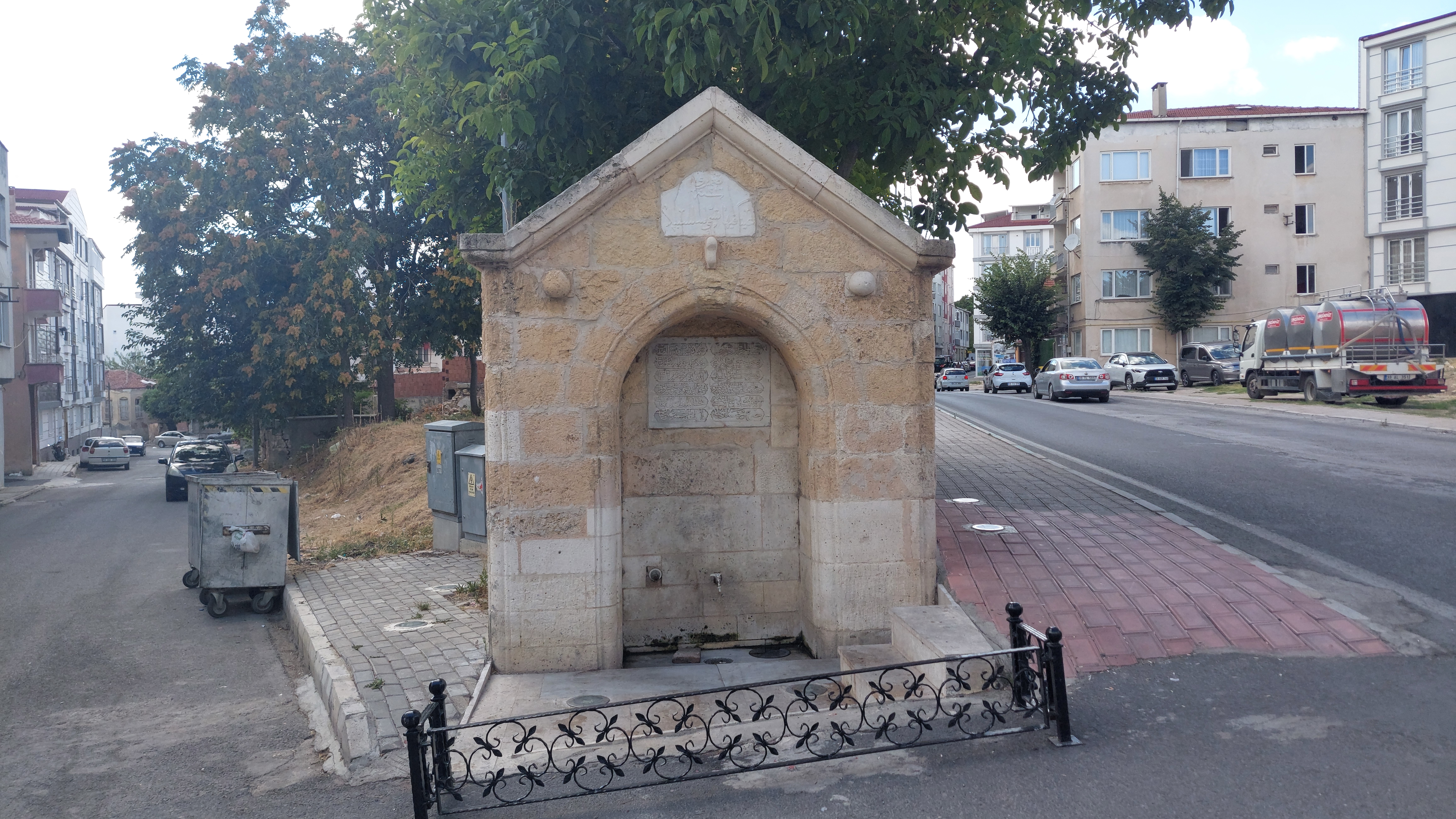
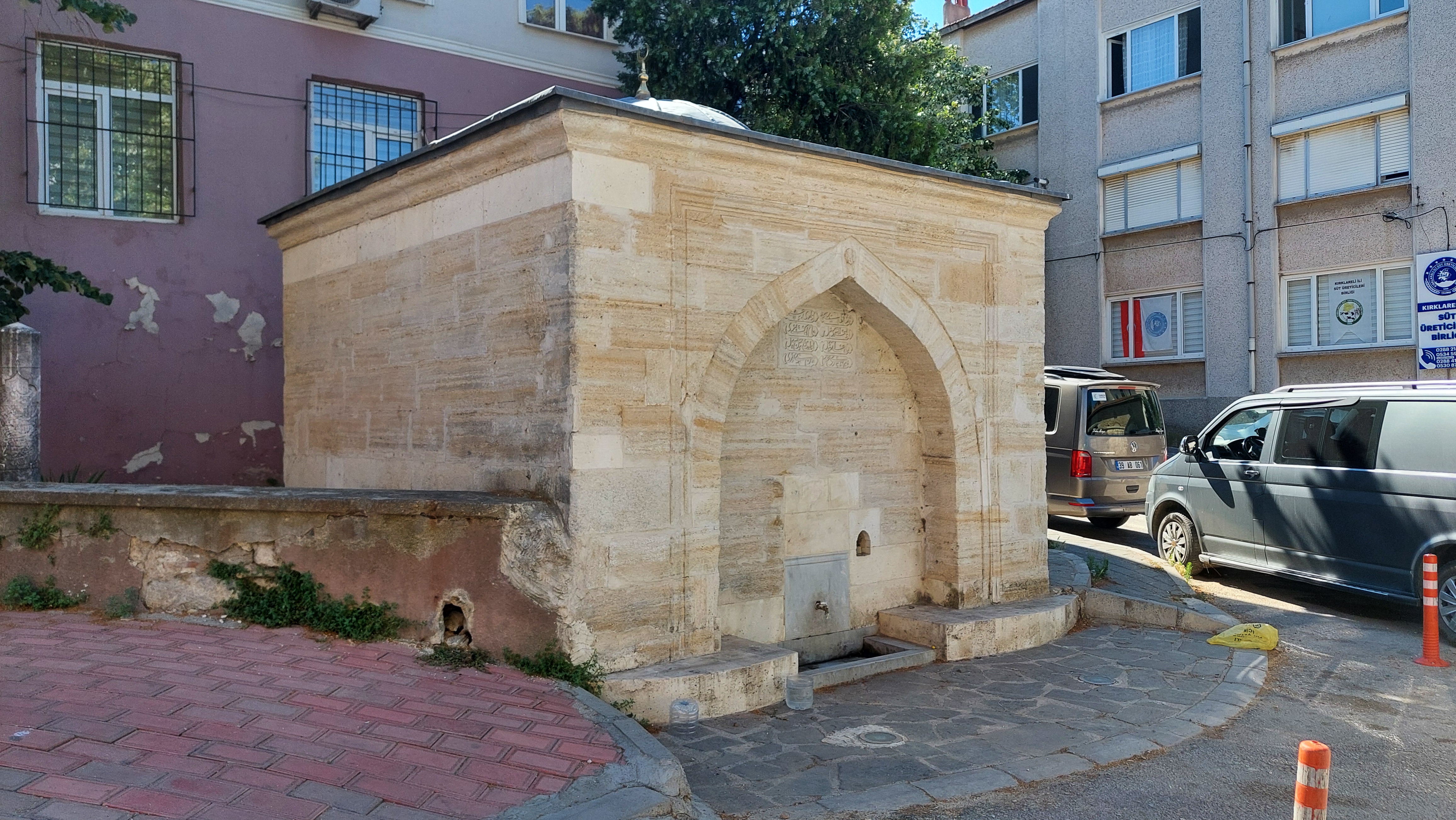
The fountain bears the name of Kadı Ali, an esteemed judge (kadi) from the Ottoman era whose reputation for justice and piety earned him lasting respect. According to the short Turkish inscription that adorns the stone, “Namı Yücel Kadı Ali, Yaptırdı bu çeşmeyi, Olmağa layık değil, Hatem hanım kızı. Allah yoluna sebil, Oldu bu hoş selsebil, Ayn-ı Ali keyseri.”
Translated loosely, the verse celebrates Kadı Ali’s generosity in commissioning the fountain, likening it to a charitable “sebil” (public water source) placed on the path of God. The poetic language hints at the Ottoman tradition of building fountains not only for practical use but also as acts of sadaqa (charitable giving).
Architectural Features
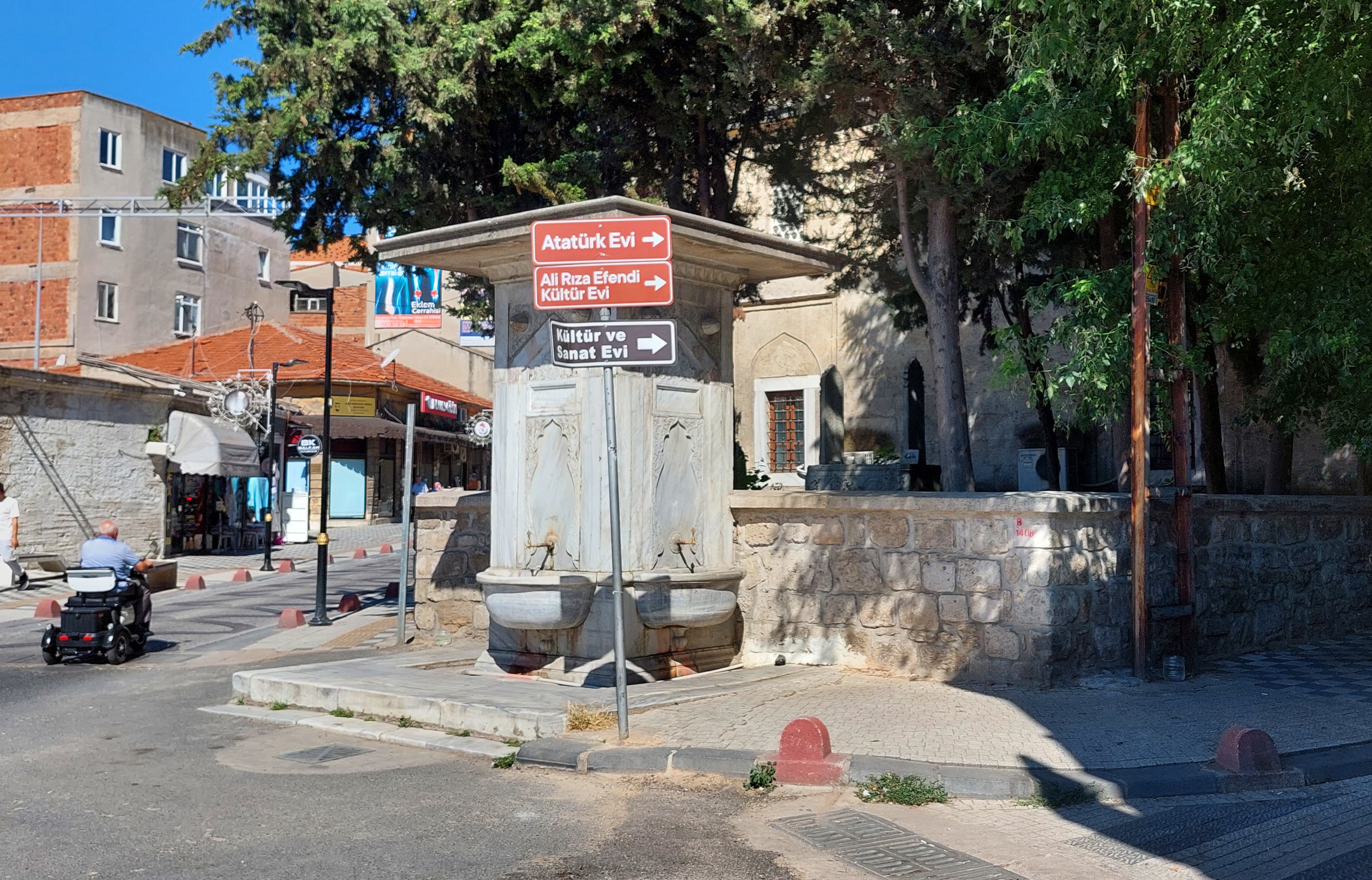
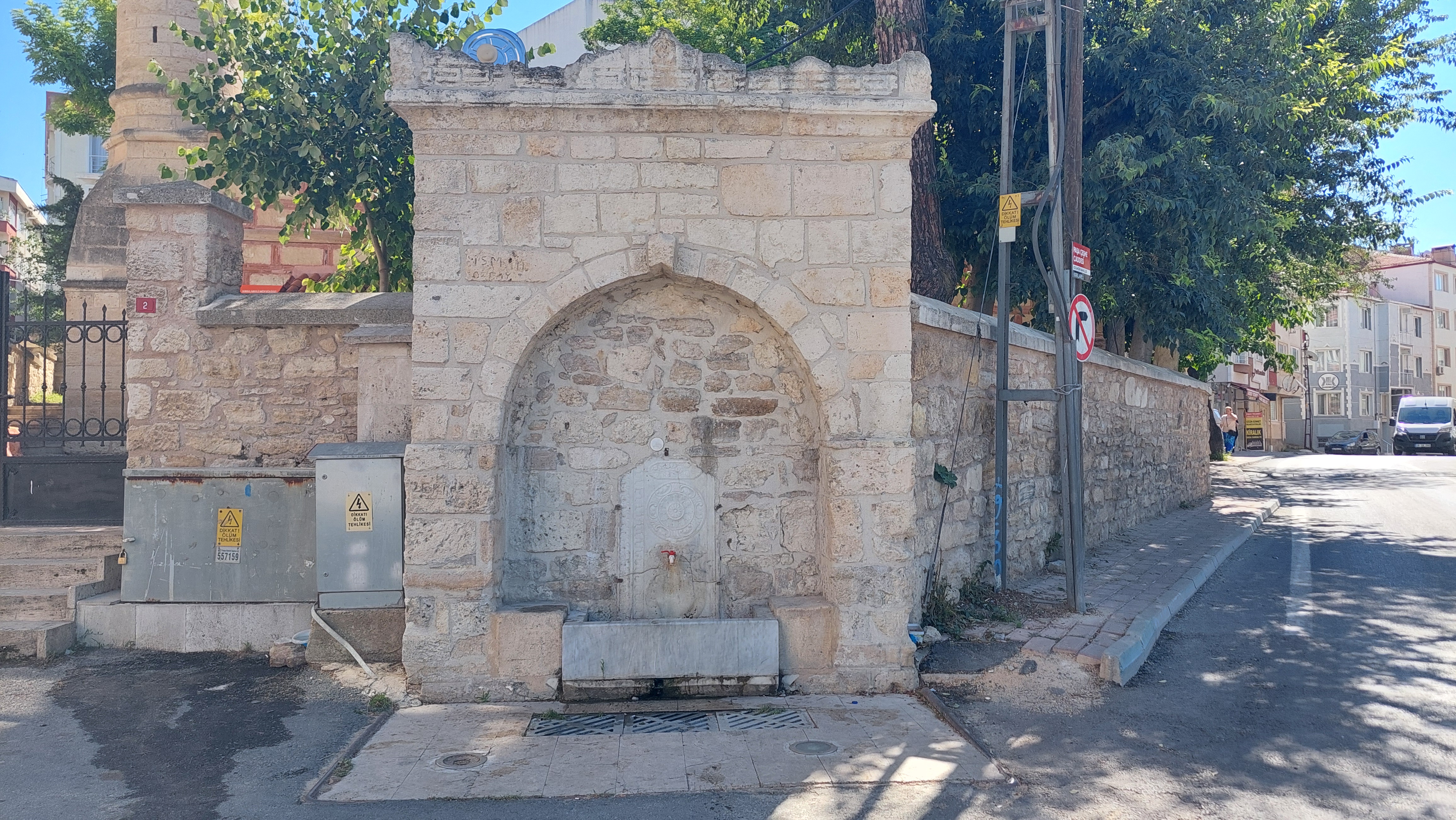
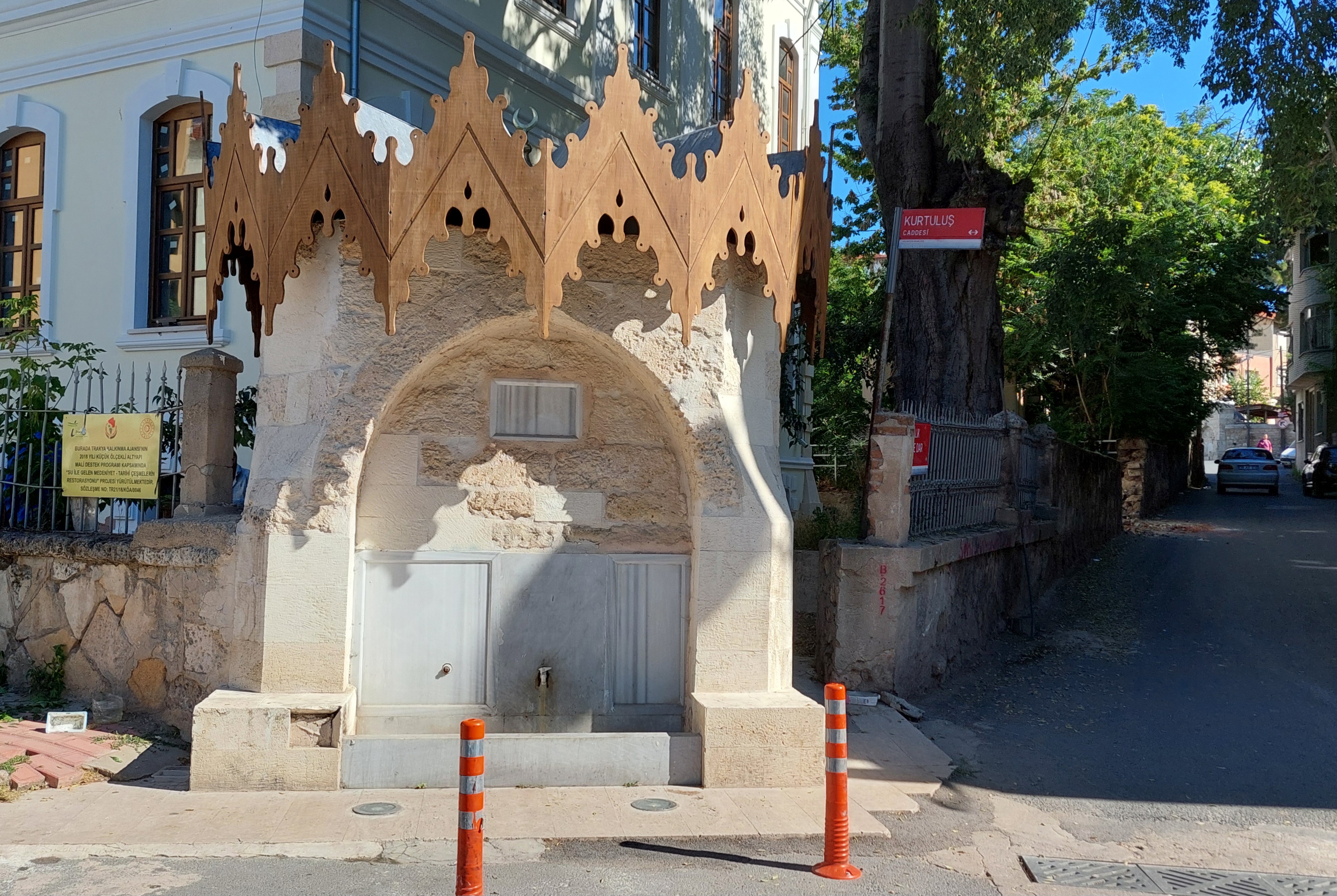
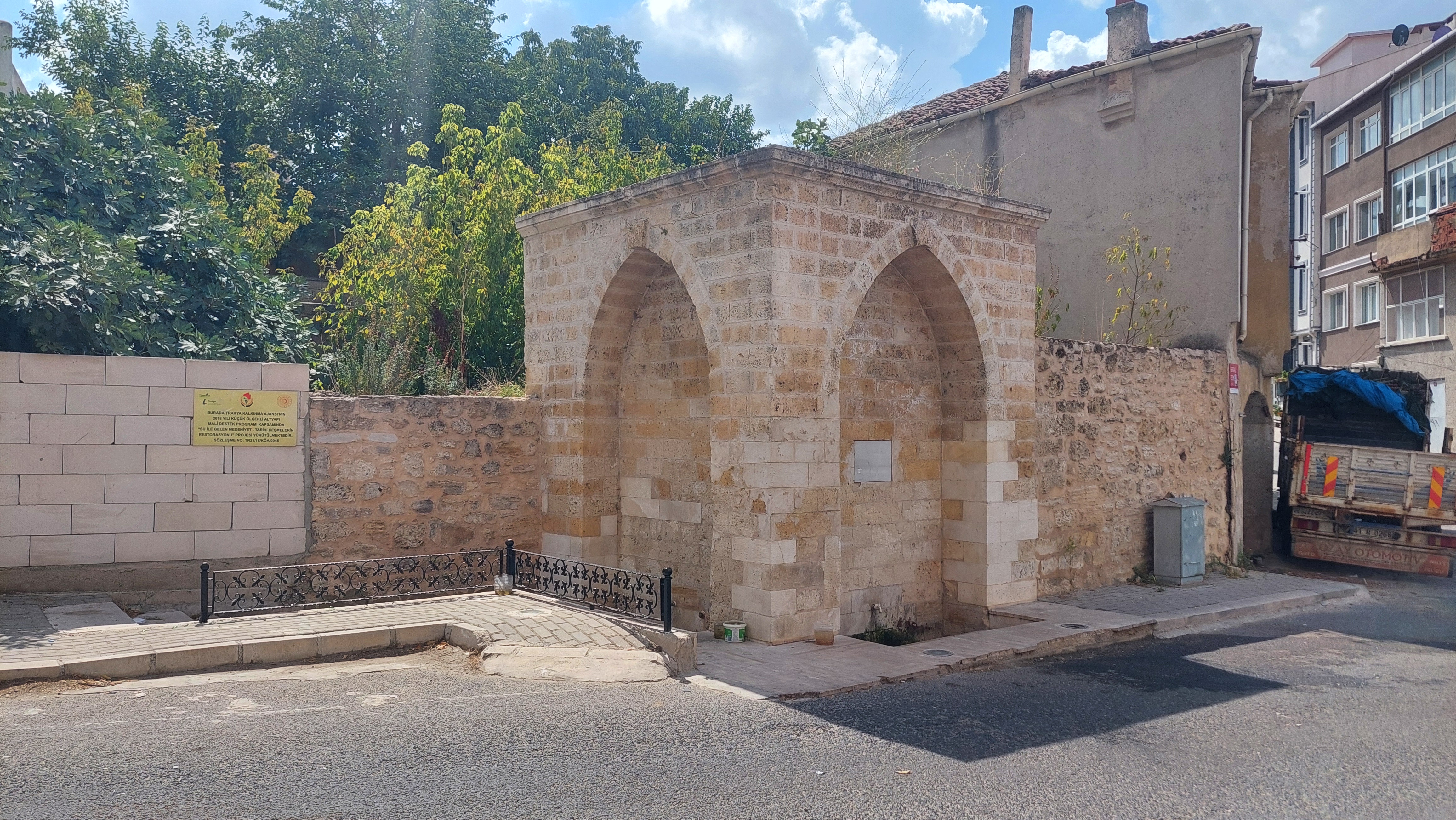
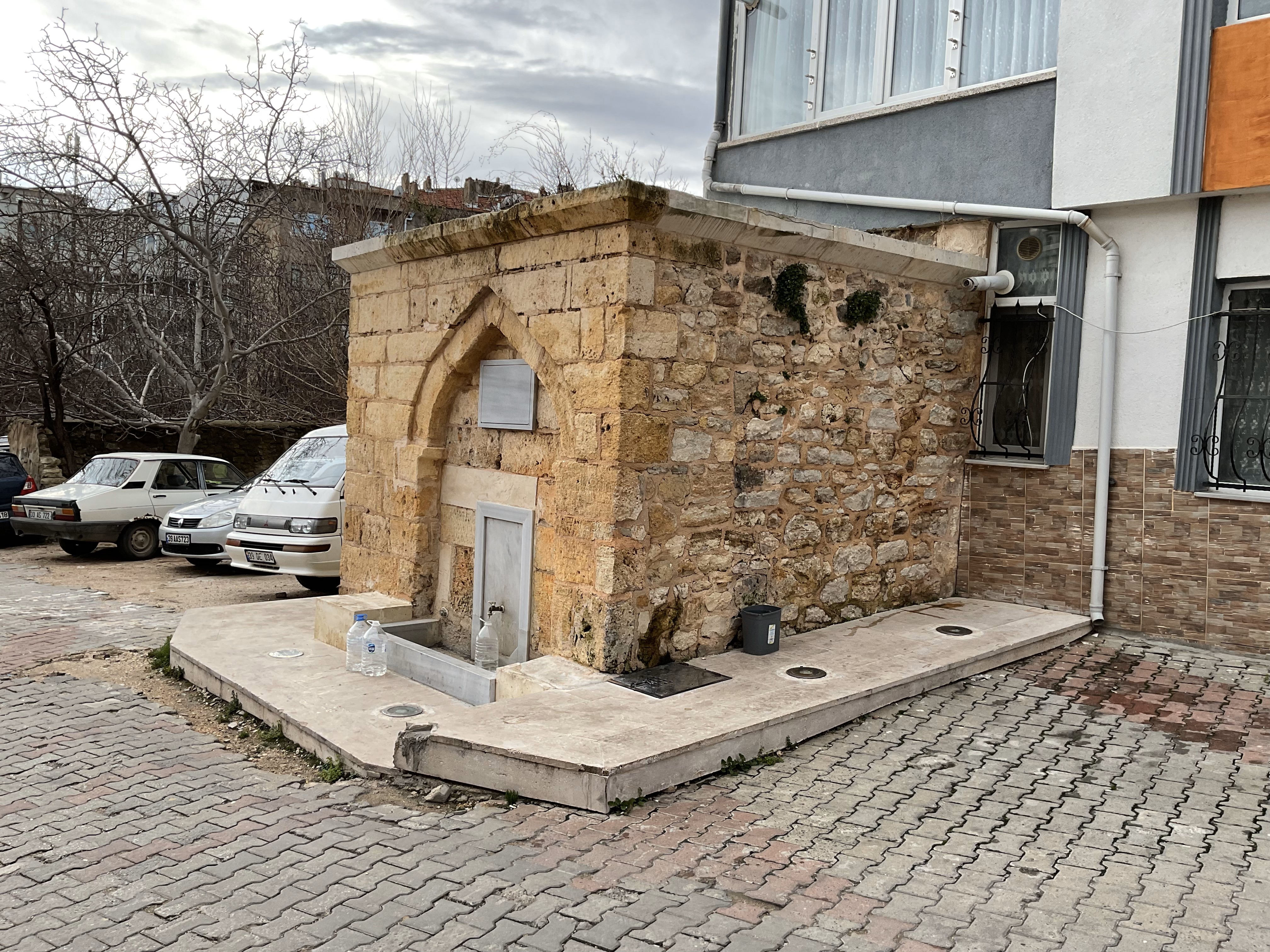
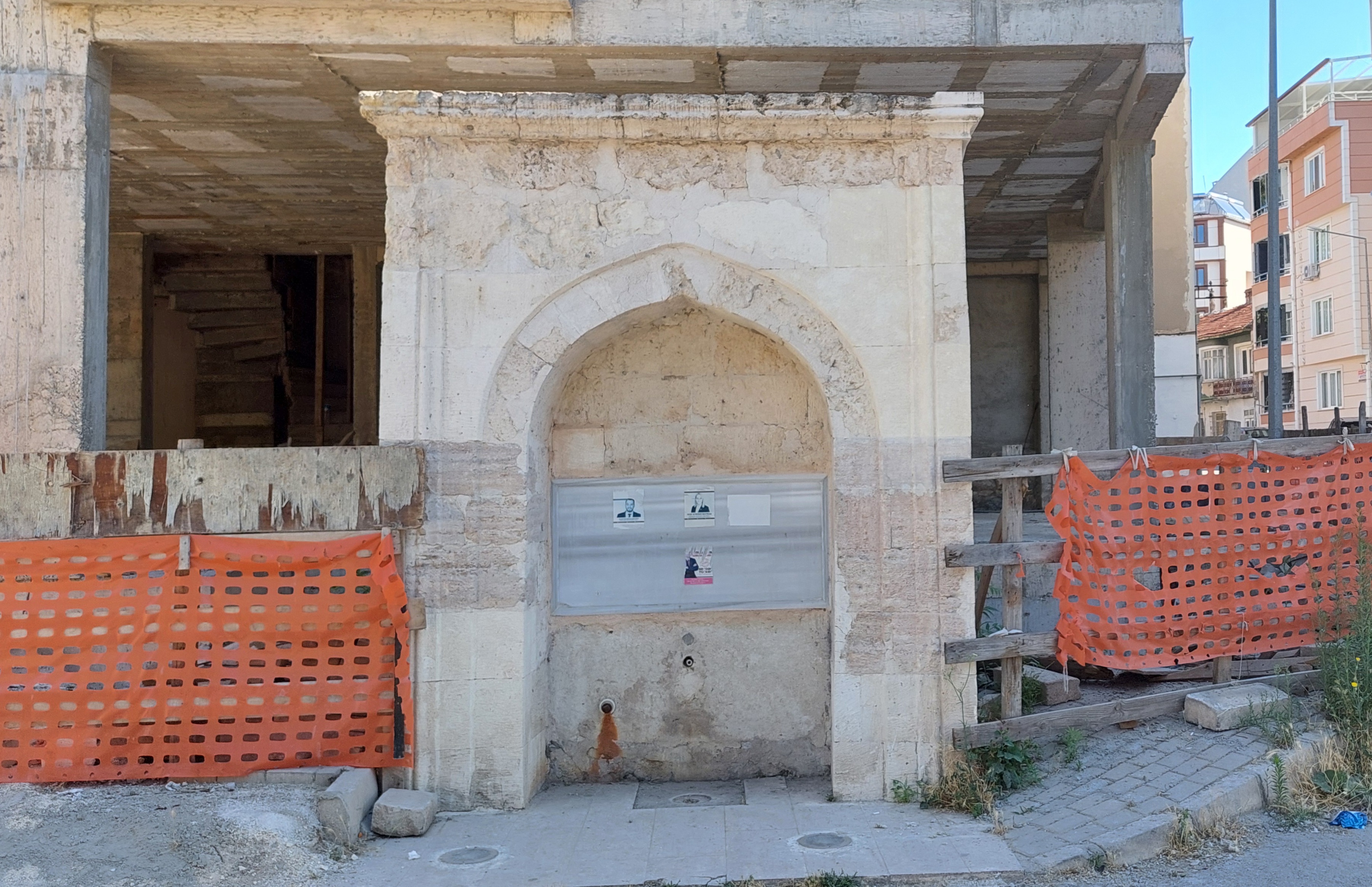
While the exact height and altitude of the fountain remain undocumented, its design reflects typical Ottoman stone craftsmanship: a rectangular basin supported by a low, intricately carved pedestal, topped with a modest dome‑shaped cover that shelters the water from dust. The stonework bears subtle floral motifs, a hallmark of 18th‑century Ottoman decorative art.
Cultural Significance
In Turkish towns, public fountains (çeşme) historically served as communal gathering points, especially before modern plumbing. Kadı Ali Çeşmesi continues this legacy, acting as a quiet meeting spot for locals, a backdrop for family photos, and a living reminder of the Ottoman emphasis on public welfare. Its presence adds depth to Kirklareli’s cultural landscape, complementing the city’s more prominent landmarks such as the Büyük Cami (Grand Mosque) and the bustling market streets.
3. How to Get There
By Air
The nearest major airport is Istanbul Airport (IST) or Sabiha Gökçen International Airport (SAW). From Istanbul, you can catch a domestic flight to Kirklareli Airport (KZI)—a short 30‑minute flight—though schedules are limited.
By Bus or Train
Most travelers opt for the comfortable intercity bus network. Direct buses run daily from Istanbul’s Esenler Bus Terminal to Kirklareli, a journey of roughly 3.5–4 hours. Alternatively, the TCDD railway offers a scenic train ride from Istanbul’s Sirkeci Station to Kirklareli, taking about 5 hours.
From Kirklareli City Center
Kadı Ali Çeşmesi sits just a few minutes’ walk from the central square (Kadı Ali Meydanı). Once you arrive at the Kirklareli bus station or train station, take a short taxi ride (≈5 minutes) or follow the well‑marked pedestrian route southward toward Kadı Ali Street. The fountain is visible from the street—look for the stone structure with a modest dome and the poetic inscription on its façade.
Pro tip: If you’re staying at a local guesthouse or hotel in the city center, ask the staff for directions. Most locals are happy to point you toward the fountain and may even share a cup of tea while you’re there.
4. Best Time to Visit
Spring (April–June)
Spring is arguably the most pleasant season in Kirklareli. The surrounding pine forests burst into fresh green, and the weather hovers between 15–22 °C (59–72 °F)—ideal for strolling around the town and taking photos of the fountain’s sparkling water.
Autumn (September–October)
Autumn offers mild temperatures and fewer tourists. The golden hues of the nearby Strandzha Mountains provide a stunning backdrop for sunset shots at Kadı Ali Çeşmesi.
Summer & Winter
Summers can be warm (up to 30 °C) but the fountain’s shaded spot offers relief. Winter brings occasional snowfall, turning the stone basin into a picturesque, frosty tableau—though the water may be reduced. The fountain remains accessible year‑round, free of admission fees.
5. What to Expect
When you arrive, you’ll be greeted by a quiet, contemplative atmosphere. The fountain’s water flows gently, creating a soft murmur that blends with the occasional chatter of locals. Expect to see:
- Locals filling water jugs – a traditional practice still alive in many Turkish towns.
- Children playing nearby – the fountain’s shallow basin is safe for a quick splash.
- Visitors snapping photos – the stone’s historic inscription makes for an interesting caption.
The surrounding area includes a small café where you can sip Turkish tea (çay) while watching the fountain’s rhythm. If you’re a photographer, try capturing the water at golden hour (just after sunrise or before sunset) for warm, diffused lighting that accentuates the stone textures.
6. Nearby Attractions
Kadı Ali Çeşmesi sits in a cluster of historic fountains and cultural sites, making it an excellent base for a walking tour. Below are the top five attractions within a 0.3 km radius, each linked to its own dedicated page for deeper exploration:
| Attraction | Distance | Quick Highlight |
|---|---|---|
| Büyük Cami Çeşmesi | 0.2 km | A larger Ottoman fountain adjacent to the Grand Mosque, featuring elaborate tile work. |
| Paşa Çeşmesi | 0.2 km | Built by a 19th‑century pasha, known for its elegant marble columns. |
| Kocahıdır Çeşmesi | 0.2 km | A community fountain famed for its intricate stone carvings. |
| Salı Yeri Çeşmesi | 0.2 km | Historically used as a market water source; now a charming photo spot. |
| Gerdanlı Çeşmesi | 0.3 km | Slightly larger basin surrounded by a small garden, perfect for a quiet pause. |
While you explore these fountains, you’ll also pass by Kirklareli’s historic bazaar, the Museum of Kirklareli, and several traditional tea houses that serve local delicacies like kiraz dolması (cherry jam) and çörek (sweet rolls).
7. Travel Tips
| Tip | Why It Matters |
|---|---|
| Wear comfortable walking shoes | The historic center’s cobblestones can be uneven. |
| Carry a reusable water bottle | Although you can refill at the fountain, a bottle is handy for longer walks. |
| Respect local customs | When the fountain is being used for drinking, avoid stepping directly into the water. |
| Visit early in the morning | Fewer crowds and cooler temperatures make for a more peaceful experience. |
| Bring a small notebook | The poetic inscription is a great opportunity to jot down a line of verse or a personal reflection. |
| Check the weather forecast | While the fountain is accessible year‑round, heavy rain may cause temporary water flow reductions. |
| Use Turkish Lira (TRY) | Most local vendors accept cash only; there are few ATMs near the fountain. |
| Learn a few Turkish phrases | Simple greetings like “Merhaba” (Hello) and “Teşekkür ederim” (Thank you) go a long way with locals. |
Final Thoughts
Kadı Ali Çeşmesi may be modest in size, but its historical depth, poetic charm, and central location make it a standout highlight on any Kirklareli itinerary. Whether you’re mapping out a day of cultural immersion or simply seeking a quiet spot to pause and reflect, this fountain offers a genuine taste of Ottoman generosity and Turkish hospitality.
So, pack your camera, lace up those walking shoes, and let the gentle flow of Kadı Ali Çeşmesi guide you into the heart of Kirklareli—one sip of history at a time.
Happy travels!