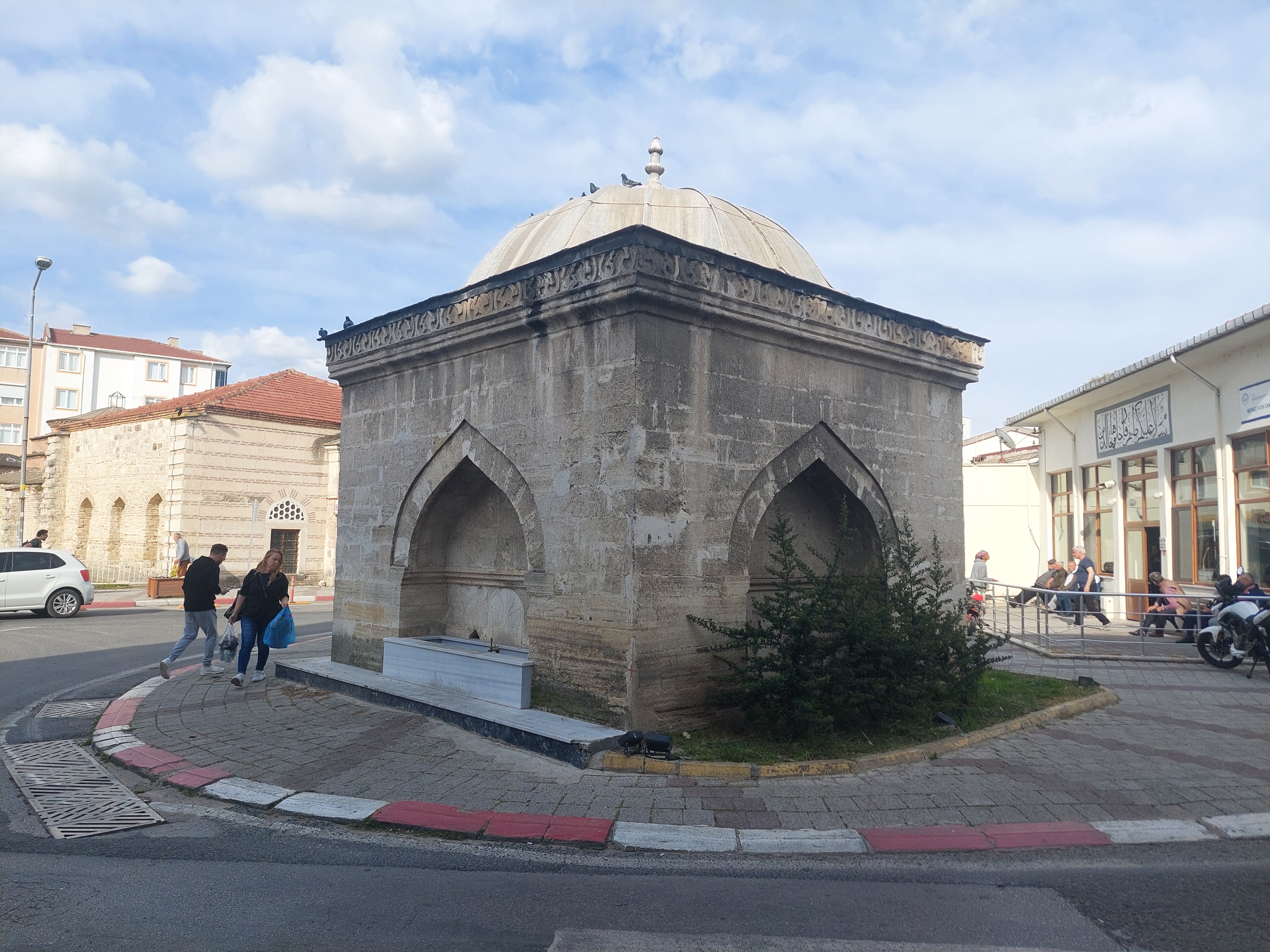
Dört Yüzlü Çeşme – The Hidden Fountain Gem of Babaeski, Kirklareli
Discover the charm of a centuries‑old Turkish fountain tucked away in the tranquil countryside of Kirklareli Province.
1. Introduction
If you think Turkey’s travel story is limited to Istanbul’s bustling bazaars, Cappadocia’s surreal valleys, or the turquoise coast of Antalya, think again. Nestled in the quiet town of Babaşki—the historic heart of Kirklareli—lies Dört Yüzlü Çeşme, a modest yet captivating stone fountain that whispers tales of Ottoman water engineering and local folklore.
Travelers who wander off the beaten path often stumble upon the most authentic experiences, and Dört Yüzlü Çeşme is precisely that kind of discovery: a place where the scent of fresh spring water mingles with the scent of wild thyme, where locals still pause for a sip, and where every carved face on the fountain tells a story. In this guide, we’ll explore everything you need to know to make the most of a visit to this hidden treasure.
2. About Dört Yüzlü Çeşme
What Is Dört Yüzlü Çeşme?
- Type: Historic stone fountain (çeşme)
- Location: Babaeski, Kirklareli Province, Turkey
- Coordinates: 41.428438 N, 27.094744 E
The name Dört Yüzlü translates to “four‑faced,” a reference to the four ornamental openings that allow water to flow from each side of the structure. While the exact height and altitude of the fountain remain undocumented, its robust stone body and intricate carvings are unmistakable.
A Brief History
Although precise construction dates are scarce, Dört Yüzlü Çeşme belongs to a tradition of Ottoman‑era fountains that were built to provide clean drinking water to travelers, caravans, and villagers. Such fountains were often placed at crossroads, near mosques, or in market squares, serving both practical and social functions. The fountain’s enduring presence suggests it was a vital water source for Babaşki’s residents for generations.
Cultural Significance
In Turkish culture, fountains are more than utilitarian structures; they symbolize hospitality, community, and the blessing of water—an essential element in a region where agriculture once depended on reliable irrigation. Dört Yüzlü Çeşme continues this legacy, acting as a gathering point where locals exchange greetings, children play, and visitors pause for a moment of reflection.
For those interested in deeper research, the Turkish Wikipedia entry provides a concise overview: Dört Yüzlü Çeşme (Babaeski).
3. How to Get There
By Air
The nearest major airports are Istanbul Airport (IST) and Sabiha Gökçen International Airport (SAW). From Istanbul, you have two main options:
- Domestic Flight to Tekirdağ‑Çanakkale Airport (TEK) – a short 45‑minute flight followed by a 1‑hour drive.
- Direct Bus or Rental Car – a 2‑hour highway drive (≈180 km) from Istanbul to Kirklareli, then continue south on the D.020 road toward Babaşki.
By Train
Turkish State Railways (TCDD) operates a regional line from Istanbul’s Halkalı Station to Kirklareli. The journey takes roughly 3‑4 hours. From Kirklareli’s central station, grab a local taxi or a minibus (dolmuş) heading to Babaşki.
By Car
Driving gives you the most flexibility to explore the surrounding countryside:
- From Istanbul: Take the O‑3/E80 highway north to Kırklareli, then follow the D.020 eastward for about 30 km to Babaşki.
- From Edirne: Head east on the D.555, then turn south onto D.020 toward Babaşki.
Parking is available in a small lot just behind the fountain, and the site is easily reachable on foot from the town center.
Public Transport
Local dolmuş routes run between Kirklareli, Babaşki, and nearby villages every hour. Ask at the Kirklareli bus station for the Babaşki line; the ride is inexpensive (≈2 TL).
4. Best Time to Visit
| Season | Weather | Why Visit |
|---|---|---|
| Spring (April‑June) | Mild temperatures (15‑22 °C), blooming wildflowers | Ideal for photography; the fountain’s stone glistens with fresh runoff. |
| Summer (July‑August) | Warm to hot (25‑35 °C) | Early mornings offer cool, pleasant light; perfect for a refreshing sip of water. |
| Autumn (September‑October) | Comfortable (16‑24 °C), colorful foliage | Quiet tourist season; great for leisurely walks around Babaşki. |
| Winter (November‑March) | Cool to cold (5‑12 °C), occasional snow | The fountain takes on a serene, almost mystical atmosphere—though some paths may be slick. |
Tip: The fountain’s water flow is strongest after seasonal rains (late winter and early spring). Visiting during these periods ensures you hear the gentle murmur of water from all four faces.
5. What to Expect
Visual Experience
Approach the fountain from the north side, and you’ll first notice its four symmetrical openings, each framed by ornate stone arches. The water streams gently into a shallow basin, creating a soothing soundscape that blends with the chirping of birds and distant rustle of wheat fields. The stonework exhibits subtle Ottoman motifs—geometric patterns and stylized leaf designs—that have weathered centuries of sun and rain.
Sensory Highlights
- Taste: The water is cool, clear, and safe to drink—just as locals have enjoyed for generations.
- Smell: In spring, the surrounding meadow releases a fragrant mix of thyme, sage, and wild rose.
- Touch: The stone feels smooth where it’s been polished by countless hands, yet retains a rugged texture in the carved details.
Photographic Opportunities
- Golden Hour: Capture the fountain bathed in warm light just after sunrise or before sunset.
- Reflections: The basin’s still water mirrors the sky, making for striking symmetrical shots.
- Cultural Context: Include nearby traditional houses or a passing dolmuş to convey the local atmosphere.
Community Vibe
You’ll often see elderly villagers seated on low stools, chatting over tea, or children splashing playfully. The fountain serves as an informal meeting point, offering a genuine glimpse into daily life in rural Kirklareli.
6. Nearby Attractions
While Dört Yüzlü Çeşme is a highlight in itself, the surrounding area boasts several natural and historic sites that can easily be added to your itinerary.
| Attraction | Distance from Fountain | Type | Quick Note |
|---|---|---|---|
| Unnamed Dam (5.0 km) | 5.0 km | Dam | Small reservoir ideal for a short nature walk. |
| Unnamed Dam (6.6 km) | 6.6 km | Dam | Offers scenic views of the surrounding hills. |
| Unnamed Dam (7.0 km) | 7.0 km | Dam | Popular spot for birdwatching during migration seasons. |
| Sofuhalil Barajı | 10.0 km | Dam | Larger water body with picnic areas and walking trails. |
| Eğrek Pınarı | 10.7 km | Spring | A natural spring where locals collect fresh water; great for a quiet pause. |
While the three first dams lack specific names in public records, they are easily identifiable on local maps and signposted from the main road.
How to Combine:
- Morning: Start at Dört Yüzlü Çeşme for sunrise photos.
- Midday: Drive to Sofuhalil Barajı for a lakeside lunch (bring a picnic).
- Afternoon: Visit Eğrek Pınarı for a refreshing walk, then head back to Babaşki to explore the town’s historic mosque and market.
7. Travel Tips
| Tip | Details |
|---|---|
| Dress Comfortably | Light layers work best; bring a hat and sunscreen in summer, a warm jacket in winter. |
| Footwear | Sturdy walking shoes or sandals with good grip—some stone surfaces can be slippery when wet. |
| Stay Hydrated | While the fountain water is safe, carry a reusable bottle for extra hydration, especially on hot days. |
| Respect Local Customs | When drinking, do so modestly; avoid loud conversations near the fountain to preserve its tranquil ambiance. |
| Photography Etiquette | Ask permission before photographing locals; a friendly smile goes a long way. |
| Cash | Small shops and vendors in Babaşki accept only Turkish Lira; ATMs are available in the town center. |
| Language | Basic Turkish phrases (e.g., “Merhaba” – hello, “Teşekkür ederim” – thank you) are appreciated. |
| Timing | Arrive early on weekends to avoid the small crowd of locals who gather for afternoon tea. |
| Safety | The area is generally safe, but keep an eye on personal belongings, especially in busy market hours. |
| Connectivity | Mobile coverage is good in Babaşki; free Wi‑Fi is offered at the municipal cultural center a short walk away. |
Final Thoughts
Dört Yüzlü Çeşme may not appear on mainstream travel guides, but that’s precisely why it deserves a spot on your Turkish itinerary. It offers a peaceful escape, a touch of Ottoman heritage, and an authentic encounter with the warm-hearted people of Kirklareli. Whether you’re a history buff, a photography enthusiast, or simply a traveler craving off‑the‑beaten‑path experiences, the four‑faced fountain invites you to pause, sip, and soak in the serene rhythm of rural Turkey.
Pack your camera, bring a curious spirit, and let the gentle flow of Dört Yüzlü Çeşme guide you to a hidden corner of Turkey that’s brimming with stories waiting to be discovered. Safe travels!