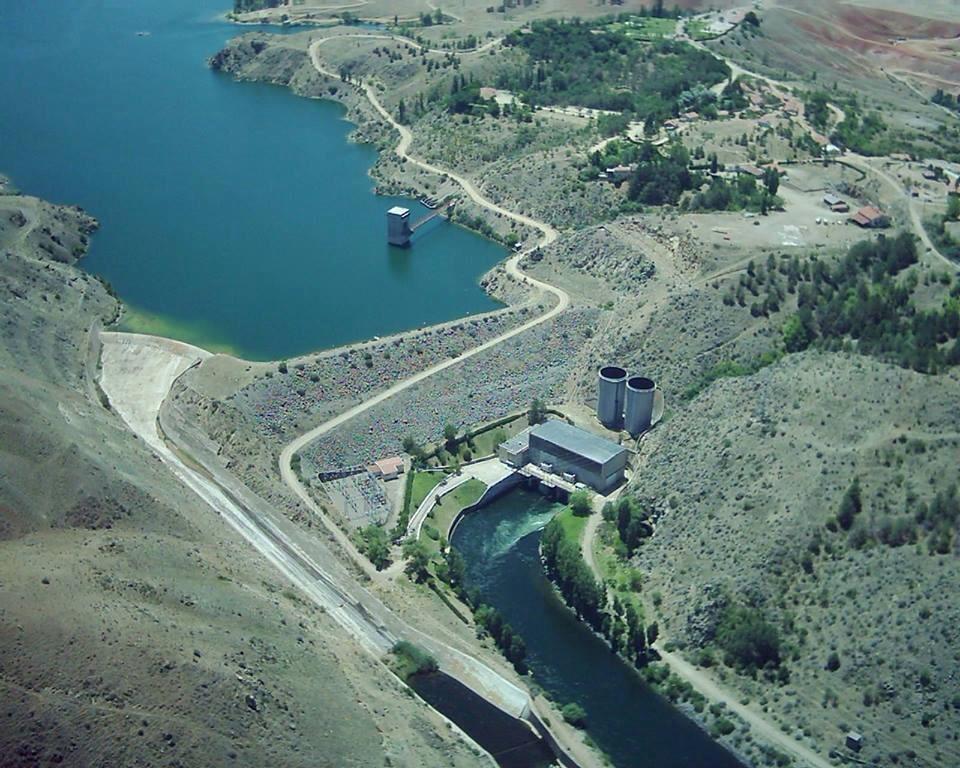
Kesikköprü Barajı – A Hidden Gem in Central Turkey’s Landscape
Discover the tranquil beauty of Kesikköprü Barajı, a modest yet captivating dam nestled in the heart of Kirikkale. Perfect for road‑trippers, nature lovers, and off‑the‑beaten‑path explorers, this spot offers a peaceful retreat and a glimpse into Turkey’s hydro‑electric heritage.
1. Introduction
If you think Turkey’s travel highlights are limited to Istanbul’s bustling bazaars, Cappadocia’s fairy‑chimney valleys, or the turquoise coast of Antalya, think again. A short drive east of the provincial capital Kirikkale lies Kesikköprü Barajı, a low‑key dam that quietly shapes the surrounding countryside. With its shimmering reservoir, gentle breezes, and panoramic views of the Central Anatolian plateau, the dam is an ideal stop for anyone craving a slice of rural serenity. Whether you’re a road‑trip enthusiast mapping out a Central Anatolia itinerary or a photography hobbyist hunting for reflective water scenes, Kesikköprü Barajı deserves a place on your travel list.
2. About Kesikköprü Barajı
A Brief Overview
- Name: Kesikköprü Barajı
- Type: Dam (hydroelectric facility) 🏗️
- Location: Celebi village, Kirikkale Province, Turkey
- Coordinates: 39.395965 N, 33.420955 E
- Height / Altitude: Data not publicly disclosed
- Official source: Wikipedia – Kesikköprü Barajı ve Hidroelektrik Santrali (TR)
Kesikköprü Barajı is part of a network of small‑scale hydro‑electric projects that harness the modest flow of the local streams feeding the Kızılırmak River basin. While the dam’s exact dimensions remain undocumented, its primary purpose is to generate renewable electricity for the surrounding villages and to regulate water resources for agriculture. The reservoir, however, has taken on a life of its own—creating a calm water surface that mirrors the sky and the gentle hills that rise around it.
Historical Context
The dam was constructed during Turkey’s push for regional development in the late 20th century, a period when the government invested heavily in rural infrastructure. Though not as famous as the massive Hirfanlı Barajı downstream, Kesikköprü Barajı represents the country’s commitment to balancing energy needs with environmental stewardship. Its modest scale means the surrounding ecosystem has remained relatively intact, allowing native flora and fauna to thrive.
Why It Matters
- Renewable Energy: Contributes clean hydro‑electric power to Kirikkale’s grid.
- Water Management: Supports local irrigation, especially during the dry summer months.
- Tourism Potential: Offers a peaceful spot for picnics, bird‑watching, and sunrise photography.
3. How to Get There
By Car
The most convenient way to reach Kesikköprü Barajı is by car. From Kirikkale city center, head east on the D750 highway toward Celebi. After roughly 30 km (about a 35‑minute drive), follow the local road signs pointing to “Kesikköprü Barajı.” The final stretch is a narrow, well‑maintained rural road that leads directly to the dam’s parking area.
- Distance from Kirikkale: ~15 km
- Driving Time: 20–30 minutes (depending on traffic)
By Public Transport
Public buses to Celebi run regularly from Kirikkale’s main bus station. Disembark at the Celebi stop and request a short taxi ride (≈5 km) to the dam. While schedules can vary, the journey is straightforward and budget‑friendly.
By Bike or Motorcycle
For the adventurous, the route is popular among motorcyclists and cyclists seeking scenic countryside rides. The road offers gentle gradients and occasional viewpoints—perfect for a leisurely day trip.
Parking & Accessibility
A modest parking lot sits beside the reservoir, offering space for cars, motorbikes, and bicycles. The dam’s visitor area is wheelchair‑accessible, with paved pathways leading to the water’s edge.
4. Best Time to Visit
| Season | Weather | Why Visit |
|---|---|---|
| Spring (April–June) | Mild temperatures (15‑22 °C), blooming wildflowers | Ideal for photography; the reservoir reflects the fresh green landscape. |
| Summer (July–August) | Warm to hot (25‑35 °C) | Perfect for picnics and early‑morning walks before the midday heat. |
| Autumn (September–October) | Cool, crisp air (12‑20 °C), golden foliage | The water’s surface mirrors the amber tones of surrounding hills. |
| Winter (November–March) | Cold, occasional snow (0‑5 °C) | Quiet, low‑crowd atmosphere; occasional frost creates magical reflections. |
Top Recommendation: Visit during late spring (mid‑May to early June) when the temperature is comfortable, and the surrounding fields are at their most vibrant. This period also aligns with the best bird‑watching conditions as migratory species pass through Central Anatolia.
5. What to Expect
Scenic Views
Approach the dam via the paved promenade and you’ll be greeted by a wide, glassy lake that stretches toward the horizon. The water’s surface often behaves like a natural mirror, reflecting fluffy clouds and the low‑lying hills. Early morning light creates a soft golden hue—ideal for landscape photographers.
Wildlife
The reservoir’s calm environment attracts a variety of bird species, including mallards, herons, and occasional raptors soaring above. In spring, you may spot European bee-eaters nesting in nearby cliffs. The surrounding meadows are home to wildflowers such as crocus and anemones, adding splashes of color.
Facilities
- Picnic Areas: Benches and shaded tables are scattered along the shoreline.
- Walking Trails: A short loop (≈1.5 km) circles the reservoir, offering different viewpoints.
- Information Board: Provides basic facts about the dam’s construction and hydro‑electric role (in Turkish).
Safety
While the water is generally calm, swimming is not permitted due to safety regulations and the dam’s operational status. Keep a safe distance from the spillway, especially when the facility is generating power.
6. Nearby Attractions
After soaking in the tranquility of Kesikköprü Barajı, extend your adventure to these nearby points of interest—each within a 20‑km radius:
| Attraction | Distance | Highlights | Link |
|---|---|---|---|
| Weir (Kırıkkale) | 4.9 km | Small water control structure, ideal for quick photo stops. | — |
| Another Dam (Kırıkkale) | 15.2 km | Larger reservoir with fishing opportunities. | — |
| Hirfanlı Barajı ve Hidroelektrik Santrali | 15.9 km | One of Turkey’s major hydro‑electric dams, offering guided tours and a visitor center. | — |
| Kaynar Spring (Konya) | 18.7 km | Natural spring with mineral-rich waters; a popular spot for locals to relax. | — |
| Additional Dam (Kırıkkale) | 19.1 km | Scenic spot with walking paths along the water’s edge. | — |
Tip: Combine your visit with a day trip to Hirfanlı Barajı, where you can explore a larger hydro‑electric complex, enjoy a lakeside café, and learn more about Turkey’s water management history.
7. Travel Tips
- Bring Cash: Small villages around the dam may not accept credit cards. Cash is handy for buying snacks or local produce.
- Stay Hydrated: Even in spring, the Anatolian sun can be strong. Carry a reusable water bottle.
- Dress in Layers: Weather can shift quickly, especially in early morning or late afternoon.
- Respect Local Culture: The area is primarily agricultural; keep noise levels low and avoid littering.
- Photography Gear: A wide‑angle lens captures the expansive water view, while a telephoto lens helps isolate birdlife. A polarizing filter reduces glare on the water surface.
- Timing: Arrive early (sunrise) for the best light and to avoid any occasional weekend crowds from nearby towns.
- Safety First: Stick to marked paths; the dam’s operational areas are fenced off for a reason.
Wrap‑Up
Kesikköprü Barajı may not appear on the typical Turkish travel itineraries, but its understated charm makes it a rewarding detour for the curious traveler. From tranquil waters and bird‑watching delights to its role in Turkey’s renewable‑energy story, the dam offers a multifaceted experience that blends nature, engineering, and local culture. Pack your camera, hit the road, and let the gentle ripple of Kesikköprü Barajı’s reservoir guide you into the heart of Central Anatolia’s hidden beauty.
Happy travels! 🌍✈️