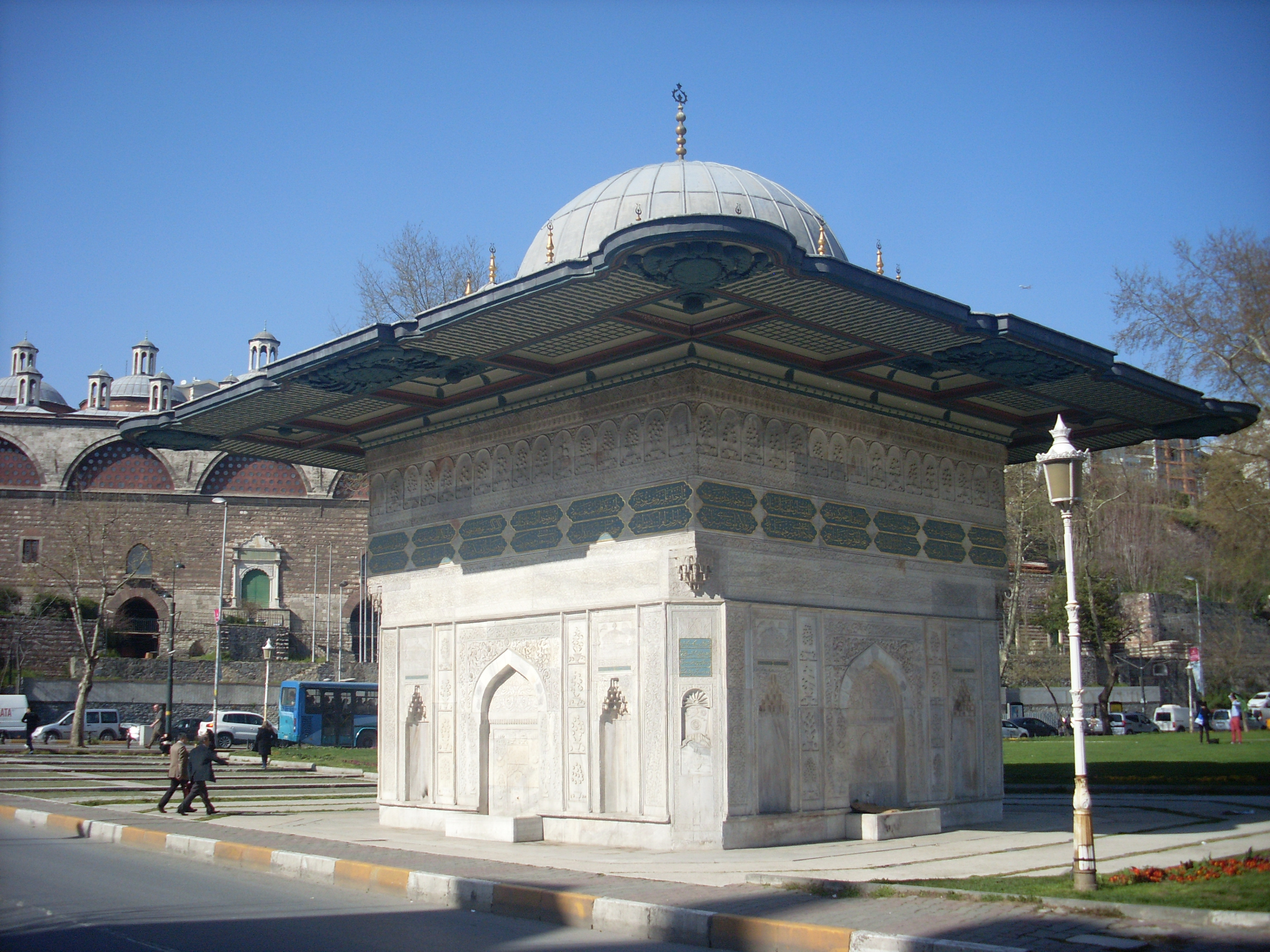
Tophane Çeşmesi: Istanbul’s Hidden Fountain Gem
Discover the charm of a 4‑meter‑tall historic fountain tucked away on Eminönü Avenue, where the whispers of the Ottoman past meet the buzz of modern Istanbul.
Introduction
If you think Istanbul’s allure is limited to the Hagia Sophia, the Bosphorus, and the bustling Grand Bazaar, think again. A short stroll from the iconic Spice Market lies a lesser‑known treasure that locals adore and curious travelers seek out: Tophane Çeşmesi. This elegant Ottoman‑era fountain, perched at 41.026750 N, 28.981268 E, offers a refreshing pause amid the city’s endless energy. Whether you’re a history buff, a photography enthusiast, or simply craving a tranquil spot for a coffee break, Tophane Çeşmesi is a must‑see on any Istanbul itinerary.
About Tophane Çeşmesi
A Brief Description
Tophane Çeşmesi (literally “Tophane Fountain”) stands 4.0 meters tall and is crafted from stone, showcasing the intricate detailing typical of Ottoman public waterworks. Its tiered basin design creates a gentle cascade that once supplied fresh water to the surrounding neighbourhood. Though the exact altitude is undocumented, the fountain’s placement on Eminönü Avenue—the historic artery linking the Golden Horn to the heart of the old city—makes it a focal point for passersby.
Historical Roots
The fountain’s name derives from the nearby Tophane district, historically a cannon foundry and military quarter during the Ottoman Empire. Public fountains (çeşmes) were essential civic amenities, symbolising both the sultan’s generosity and the city’s sophisticated water‑distribution network. While specific construction dates for Tophane Çeşmesi are scarce, its architectural language aligns with 18th‑century Ottoman styles, suggesting it was erected during a period of urban renewal in the old city.
Cultural Significance
In Ottoman tradition, fountains served more than a utilitarian purpose; they were social hubs where merchants, travelers, and residents gathered to drink, wash, and exchange news. Today, Tophane Çeşmesi continues this legacy, offering a quiet oasis amid the clamor of traffic and tourists. Its presence reinforces Istanbul’s layered narrative—where every stone tells a story of empire, trade, and daily life.
For a deeper dive, see the Wikipedia entry: Tophane Çeşmesi (tr).
How to Get There
By Public Transport
- Tram – Take the T1 Tram line to Eminönü station. The fountain is a 2‑minute walk north along Eminönü Avenue.
- Metro – Disembark at Vezneciler (M2 line) and transfer to the T1 tram or hop on a short bus ride (e.g., 32T) toward Eminönü.
- Ferry – Arrive at the Eminönü ferry terminal from Kadıköy or Üsküdar; the fountain is just a few blocks inland.
By Taxi or Ride‑Sharing
A quick 5‑minute drive from Sultanahmet or Galata will drop you at the fountain’s doorstep. Be sure to request “Tophane Çeşmesi, Eminönü” to avoid confusion with other nearby fountains.
Walking Directions
If you’re already exploring the historic peninsula, head east from the Spice Bazaar (Mısır Çarşısı). Walk past the New Mosque (Yeni Cami), turn left onto Eminönü Avenue, and you’ll spot the fountain’s stone silhouette ahead. The walk is under 10 minutes and offers plenty of photo opportunities along the way.
Best Time to Visit
| Season | Why Visit? |
|---|---|
| Spring (April–June) | Mild temperatures, blooming tulips in nearby parks, and fewer crowds than the peak summer months. |
| Autumn (September–October) | Golden light at sunset enhances the fountain’s stone texture; evenings are perfect for a leisurely stroll. |
| Winter (December–February) | While cooler, the fountain’s water still flows, creating a serene, misty atmosphere—ideal for contemplative photography. |
| Summer (July–August) | Expect larger crowds; visit early morning (7–9 am) to enjoy the cool breeze and avoid the heat. |
Insider tip: The fountain’s cascade glistens most beautifully during the early morning or late afternoon when the sun hits the stone at a low angle.
What to Expect
Arriving at Tophane Çeşmesi, you’ll be greeted by the gentle sound of water spilling over stone ledges—a calming soundtrack that contrasts sharply with Istanbul’s bustling streets. The surrounding area is a mix of historic buildings, modest cafés, and street vendors selling simit and çay.
- Photographic moments: Capture the fountain framed by Ottoman arches, or experiment with long‑exposure shots that turn the flowing water into silky ribbons.
- Local life: Watch locals pause for a sip, children play nearby, and merchants unload fresh produce—an authentic slice of daily Istanbul.
- Quiet corners: Though the site isn’t isolated, there are shaded benches where you can sit, read, or simply watch the world go by.
The fountain’s water is still functional, but for health reasons it’s best to enjoy the view rather than drink directly from the basin.
Nearby Attractions
While you’re in the vicinity, enrich your day with these historic sites—each within a 1.1 km radius of Tophane Çeşmesi:
- [Unnamed Fountain – 0.6 km] – Another charming Ottoman water feature just a short walk away.
- [Zevkiye Kadın Çeşmesi – 0.7 km] – A beautifully restored fountain named after a notable female patron of the arts.
- [Unnamed Fountain – 1.0 km] – Explore this lesser‑known fountain that reflects the city’s layered water‑distribution history.
- [Unnamed Fountain – 1.0 km] – A hidden gem perfect for quiet contemplation.
- [Hekimoğlu Ali Paşa Çeşmesi – 1.1 km] – A larger, more ornate fountain built by the famed 18th‑century Ottoman statesman Hekimoğlu Ali Paşa.
Tip: Combine these stops into a “Fountain Walk” tour, snapping photos of each structure while learning about Istanbul’s sophisticated water engineering legacy.
Travel Tips
| Tip | Details |
|---|---|
| Wear comfortable shoes | The historic peninsula’s cobblestones can be uneven. |
| Carry a reusable water bottle | While the fountain’s water isn’t for drinking, staying hydrated is essential, especially in summer. |
| Respect local customs | Avoid climbing on the fountain or touching the water during prayer times at nearby mosques. |
| Timing for photos | Early morning or golden hour (≈ 5:30–7 pm) provides soft lighting and fewer tourists. |
| Currency | Small purchases (e.g., simit, tea) are best paid in Turkish Lira; many vendors accept contactless cards. |
| Language | Most locals speak Turkish; a few know basic English, especially near tourist hubs. A friendly “Merhaba!” goes a long way. |
| Safety | The area is generally safe, but keep an eye on belongings in crowded spots like the Spice Bazaar. |
| Connectivity | Free Wi‑Fi is available at many cafés around Eminönü; consider downloading offline maps for navigation. |
Final Thought
Tophane Çeşmesi may not headline the typical Istanbul travel guide, but its quiet elegance, historic resonance, and central location make it a standout destination for the curious traveler. Add this fountain to your Istanbul itinerary and experience a slice of Ottoman life that still flows today—literally and metaphorically.
Ready to explore? Grab your camera, follow the steps above, and let the sound of water guide you through one of Istanbul’s most enchanting neighborhoods.