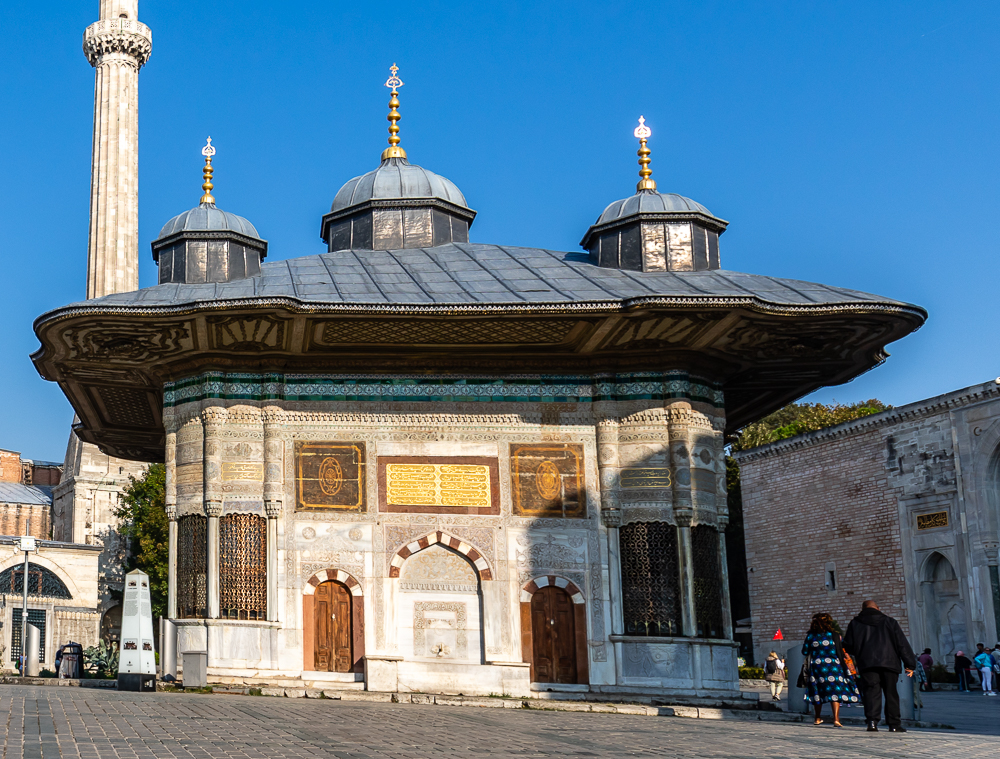
III. Ahmet Çeşmesi – Istanbul’s Hidden Ottoman Fountain
If you think you’ve seen every corner of Istanbul’s historic peninsula, think again. Tucked away on Eminönü’s bustling streets lies a modest yet mesmerizing piece of Ottoman heritage: the III. Ahmet Çeşmesi. This fountain may not dominate guidebooks, but it offers a quiet moment of reflection amid the city’s constant hum, and it’s a perfect stop for travelers who love off‑the‑beaten‑path water architecture.
1. Introduction
Imagine stepping off a tram, the call of the Bosphorus in the distance, and the scent of fresh simit drifting through the air. You turn a corner on Eminönü Avenue and spot a stone basin crowned with an elegant marble spout—III. Ahmet Çeşmesi (the Fountain of Sultan Ahmet III). While the grand Hagia Sophia and the bustling Grand Bazaar dominate the skyline, this humble fountain quietly tells the story of Istanbul’s centuries‑long relationship with water, faith, and community.
For travelers seeking authentic Istanbul experiences, the III. Ahmet Çeşmesi is a must‑visit hidden gem that blends history, architecture, and everyday local life—all in just a few steps from the city’s most famous attractions.
2. About III. Ahmet Çeşmesi
Description
- Type: Historic Ottoman fountain (çeşme)
- Location: Eminönü Avenue, Istanbul, Turkey
- Coordinates: 41.008249 N, 28.981261 E
- Height / Altitude: Not documented (the structure is modest in scale, typical of 18th‑century çeşmes)
The fountain’s stone basin rests on a low pedestal, with a single, gracefully curved marble spout that delivers cool, clear water—once a vital source for travelers, market sellers, and worshippers. Its simple yet elegant design reflects the functional beauty of Ottoman public fountains, which were built not only to quench thirst but also to provide a place for ritual ablution (wudu) before prayer.
History & Significance
The name III. Ahmet Çeşmesi directly links the fountain to Sultan Ahmet III (reigned 1703‑1730), a period noted for a flourishing of Ottoman arts and architecture. While specific construction dates for this particular çeşme are scarce, its dedication to the sultan suggests it was erected during or shortly after his reign, aligning with a citywide program of public works that included many fountains, bridges, and caravanserais.
In Ottoman urban planning, fountains like III. Ahmet Çeşmesi served three core purposes:
- Public utility – providing drinking water in an era before modern plumbing.
- Religious function – enabling Muslims to perform ablutions before prayer.
- Social hub – acting as informal gathering spots where locals exchanged news and merchants rested.
Today, the fountain stands as a living relic of that tradition, offering visitors a tangible connection to the daily rhythms of 18th‑century Istanbul.
3. How to Get There
By Public Transport
| Mode | Route | Approx. Time | Notes |
|---|---|---|---|
| Tram | T1 Kabataş – Bağcılar – Get off at Eminönü stop. | 15 min from Kabataş | The tram runs every 5‑10 minutes; the stop is right on the waterfront. |
| Ferry | Eminönü Ferry Terminal – Arrive from Kadıköy, Üsküdar, or Bostancı. | 20‑30 min across the Bosphorus | Disembark and walk straight onto Eminönü Avenue; the fountain is a short stroll from the terminal. |
| Metro | M2 Yenikapı – Hacıosman – Transfer to M1A Yenikapı – Atatürk Airport then walk or take a short bus ride to Eminönü. | 30‑40 min total | Ideal if you’re staying in the Şişli or Taksim area. |
On Foot
If you’re already exploring the historic peninsula, the fountain is within 5‑10 minutes walking distance from:
- Sultan Ahmet Square (Blue Mosque, Hagia Sophia) – head west along Divan Yolu toward the Golden Horn.
- Spice Bazaar (Mısır Çarşısı) – exit onto Eminönü Avenue and look for the stone basin near the street’s intersection with Karaköy.
Parking & Accessibility
- Parking: Limited street parking is available on Eminönü Avenue, but traffic can be heavy. Public parking garages (e.g., Eminönü Parking) are a safer bet.
- Accessibility: The fountain sits at ground level with a low curb, making it reachable for most visitors. However, the surrounding cobblestones can be uneven, so wear comfortable shoes.
4. Best Time to Visit
| Season | Why It Works |
|---|---|
| Spring (April‑May) | Pleasant temperatures (15‑22 °C) and blooming tulips in nearby parks create a photogenic backdrop. |
| Early Autumn (September‑October) | The crowds thin out after the summer high season, and the golden light at sunset highlights the fountain’s stone texture. |
| Winter (December‑February) | While cooler (5‑10 °C), the quiet streets give you an intimate experience; the fountain’s water can appear slightly misty, adding a magical feel. |
Tip: Visit early morning (7‑8 am) or late afternoon (4‑5 pm) to avoid the midday rush of tourists and to catch the best natural lighting for photos.
5. What to Expect
When you approach III. Ahmet Çeşmesi, the first thing you’ll notice is the contrast between the fountain’s calmness and the bustling market atmosphere around it. Vendors hawk spices, tea stalls steam, and the call to prayer echoes from nearby mosques. Yet the fountain itself remains a serene oasis:
- Cool, flowing water – Historically, the water was sourced from the city’s ancient aqueducts. Today, a modest flow continues, allowing visitors to dip their hands or simply listen to the gentle sound.
- Architectural details – Look for Ottoman motifs etched into the stone, such as arabesques and subtle calligraphy. The marble spout often bears a faint inscription honoring Sultan Ahmet III.
- Local interaction – Elderly residents may pause for a sip, while children playfully splash at the edge. It’s a perfect spot to observe everyday Istanbul life, far from staged tourist photo‑ops.
Bring a camera (wide‑angle lens works well) and a notebook if you enjoy sketching or jotting down observations. The fountain’s modest size makes it easy to capture both close‑up details and its context within the street scene.
6. Nearby Attractions
While you’re in the area, you can easily explore several other historic fountains and landmarks—all within a 300‑meter radius. Here are the top picks, each linked to a Wikipedia page for deeper reading:
- Fountain of Sultan Ahmet III – Just steps away, this larger fountain features a multi‑tiered design and is a favorite photo spot.
- Şadırvan (fountain) – Located about 200 m from III. Ahmet Çeşmesi, this classic courtyard fountain is often used for ritual ablution.
- Sultan Ahmet Park Fountain – A short 300 m walk brings you to this modern addition nestled in a green park, perfect for a picnic after sightseeing.
Bonus: The Grand Bazaar, Spice Bazaar, Blue Mosque, and Hagia Sophia are all within a 10‑minute walk, making a full day of cultural immersion effortless.
7. Travel Tips
| Tip | Details |
|---|---|
| Dress modestly | When visiting nearby mosques (e.g., Blue Mosque), cover shoulders and knees. A lightweight scarf can double as a modesty cover and a breeze‑shield. |
| Stay hydrated | While the fountain offers fresh water, it’s wise to carry a reusable bottle, especially in summer heat. |
| Currency | Turkish Lira (TRY) is the standard. Small change is handy for buying tea or snacks from street vendors. |
| Language | Turkish is the primary language; most shopkeepers speak basic English. A few Turkish phrases (“Merhaba”, “Teşekkür ederim”) go a long way. |
| Safety | The area is safe during daylight. Keep an eye on belongings in crowded markets, as pickpocketing can occur. |
| Photography etiquette | Ask permission before photographing locals, especially when they are drinking from the fountain. |
| Timing for prayer | The call to prayer (ezan) occurs five times daily. If you wish to avoid the brief crowd surge, plan your visit a few minutes before or after the ezan. |
| Combine with a food break | After exploring the fountain, head to the nearby Eminönü fish restaurants for a fresh grilled fish sandwich (balık ekmek) with a view of the Golden Horn. |
Final Thought
The III. Ahmet Çeşmesi may not be the most famous landmark in Istanbul, but its quiet charm and deep-rooted connection to the city’s Ottoman past make it a rewarding stop for any traveler who wants to experience the authentic pulse of the historic peninsula. Whether you’re a history buff, a photography enthusiast, or simply a curious wanderer, this fountain invites you to pause, listen to the water, and feel the centuries‑old rhythm of Istanbul flow through you.
Pack your walking shoes, follow the sound of water, and let the hidden fountain of Sultan Ahmet III become a memorable chapter in your Istanbul adventure.