Hacı İsa Camii Çeşmesi – Istanbul’s Hidden Fountain Gem
Discover the quiet charm of a historic Ottoman fountain tucked away in the heart of Istanbul, and learn how to make the most of this off‑the‑beaten‑path attraction.
1. Introduction
If you picture Istanbul, you probably imagine the glittering Bosphorus, the towering minarets of the Blue Mosque, and bustling bazaars humming with the scent of spices. Yet the city’s soul also lives in its modest, centuries‑old fountains—çeşmes—that once supplied water to weary travelers and local residents alike. Among these, Hacı İsa Camii Çeşmesi stands out as a serene spot where history, architecture, and everyday Istanbul life intersect. Nestled in the historic Fatih district, this stone‑carved fountain offers a quiet pause amid the city’s endless energy, making it a perfect stop for culture‑curious travelers, photographers, and anyone seeking a glimpse of Ottoman urban life.
2. About Hacı İsa Camii Çeşmesi
A Brief Description
- Type: Historic public fountain (çeşme)
- Location: Istanbul, Fatih district, Turkey
- Coordinates: 41.033340 N, 28.944756 E
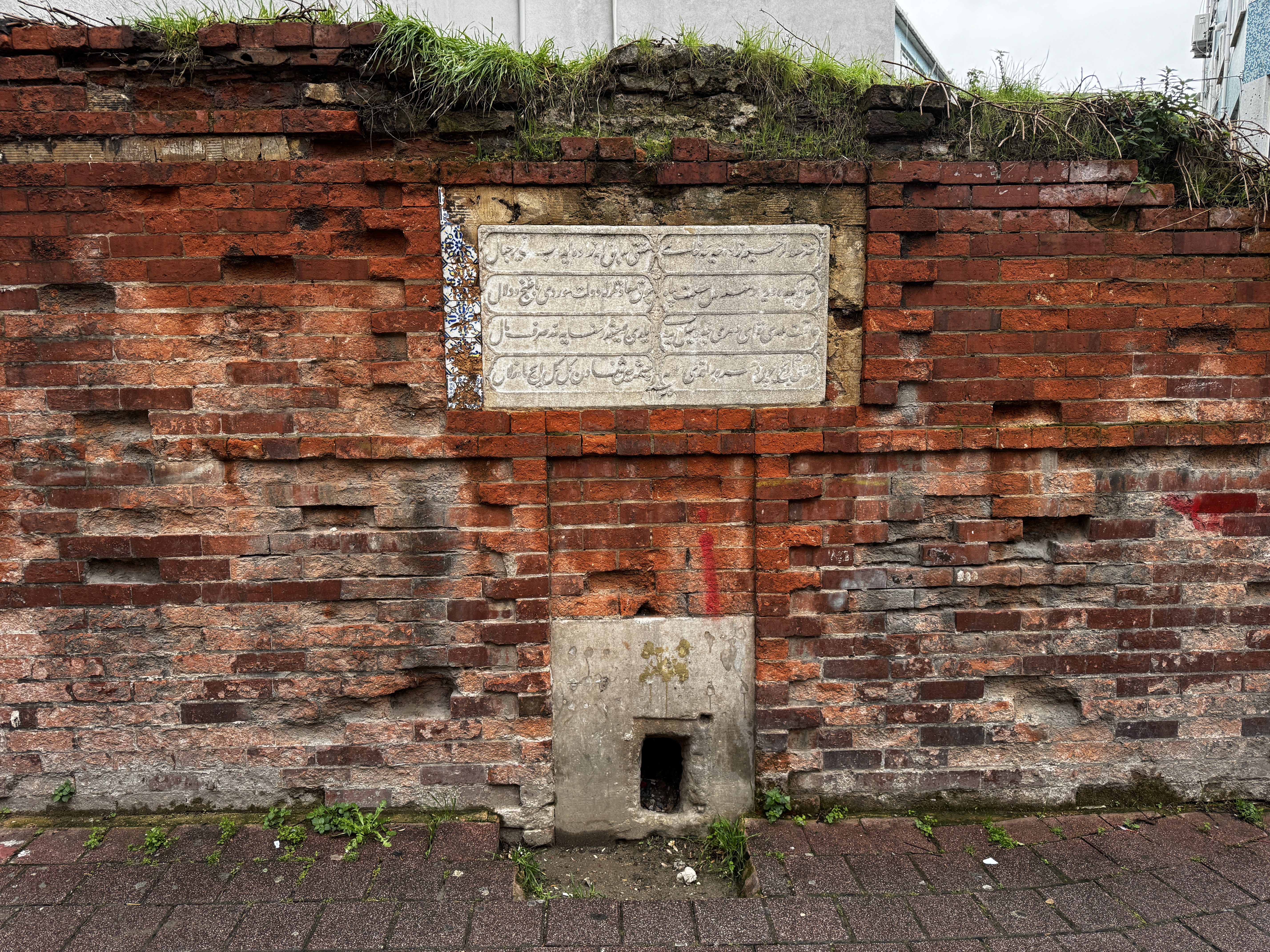
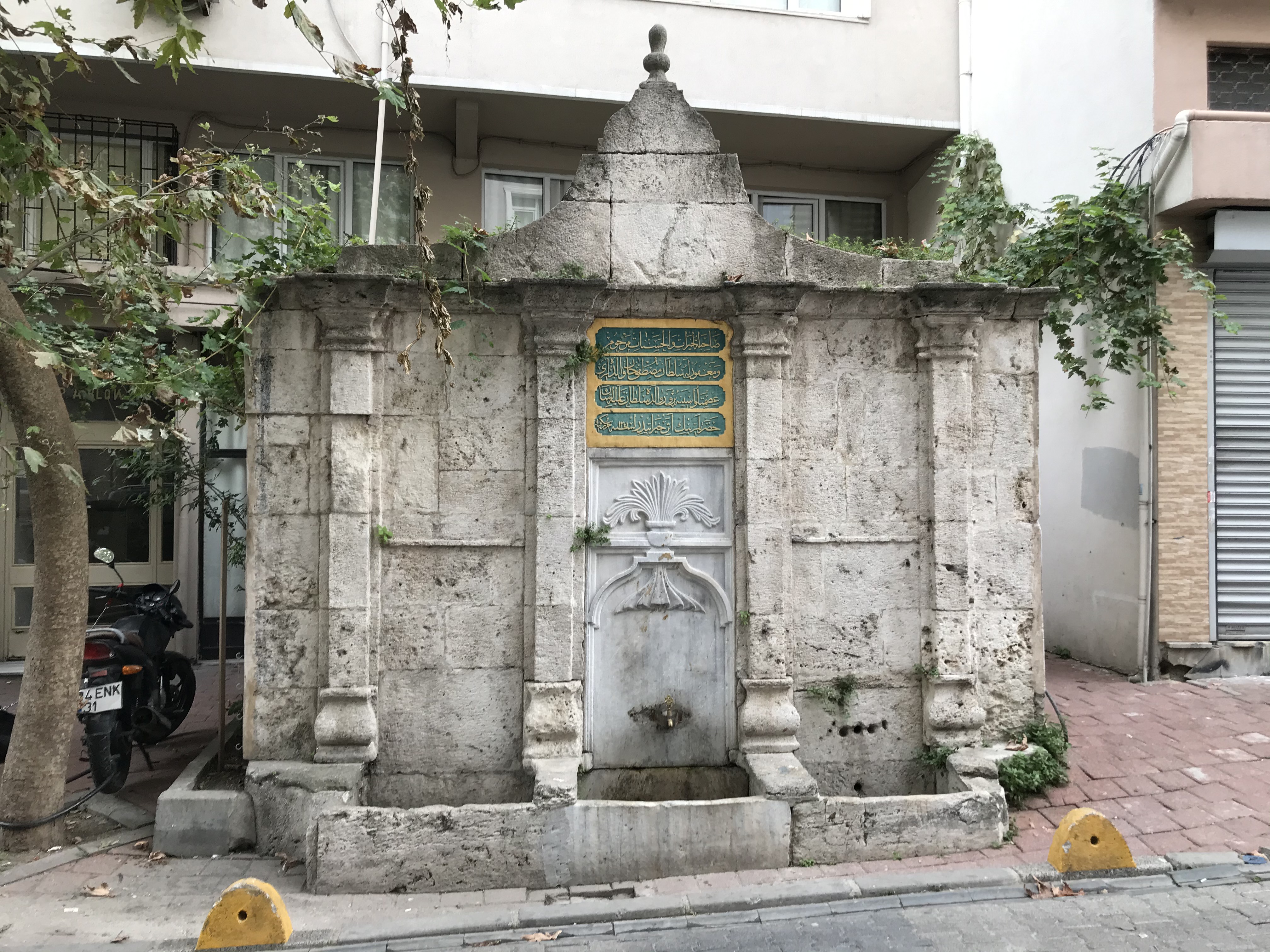
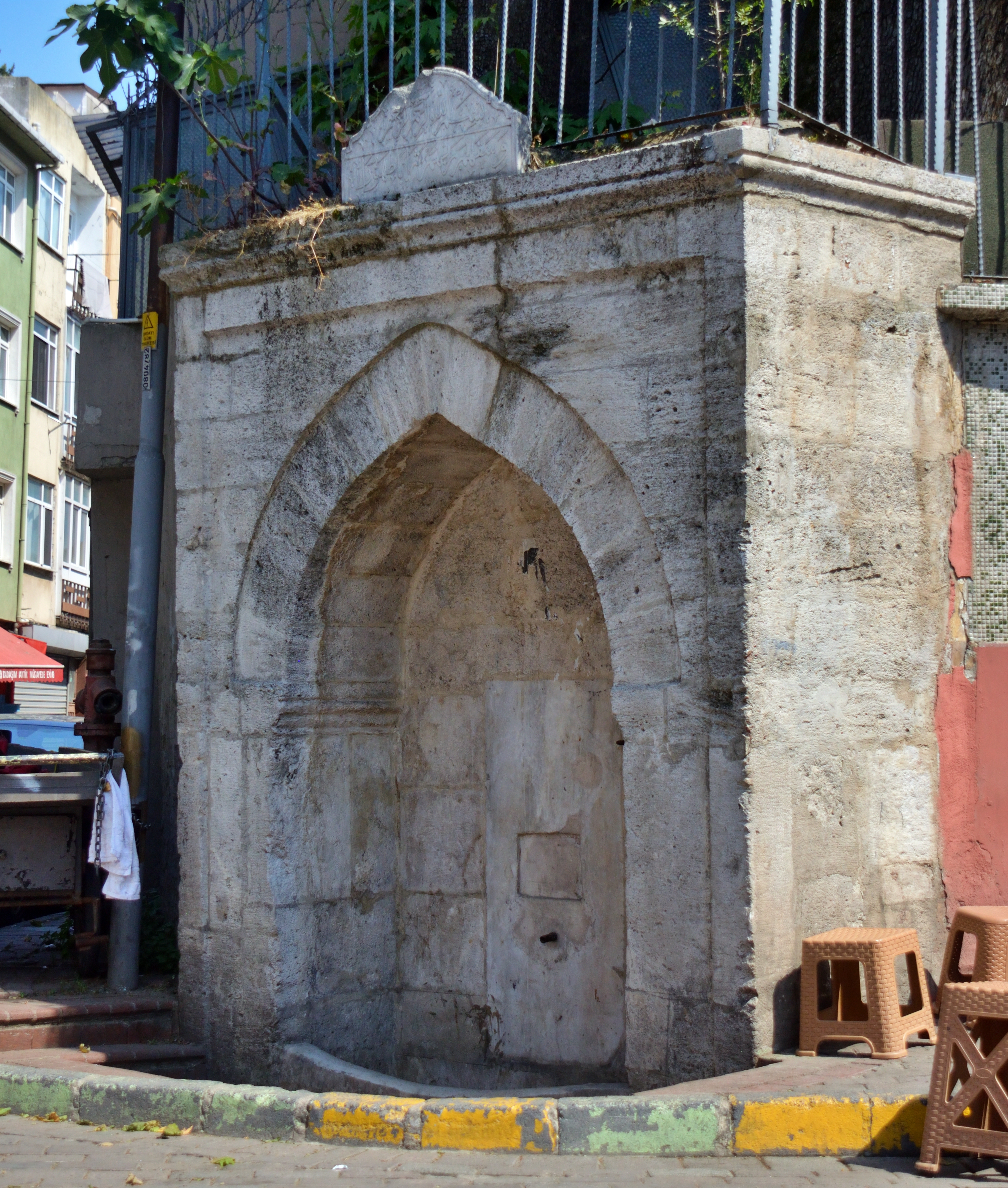
The fountain sits directly in front of Hacı İsa Camii (Hacı İsa Mosque), a modest yet elegant mosque that dates back to the early Ottoman period. While the exact height and altitude of the structure remain undocumented, its stone façade, ornamental arches, and marble basins reflect the classic design language of Ottoman public fountains: functional, durable, and subtly decorative.
Historical Roots
Fountains like Hacı İsa Camii Çeşmesi were commissioned by wealthy patrons—often members of the vakıf (endowment) system—to provide free drinking water, a charitable act deeply rooted in Islamic tradition. Though specific records about the fountain’s founder are scarce, its proximity to the mosque suggests that the same benefactor likely funded both structures, creating a harmonious religious‑social complex that served the neighborhood for centuries.
Cultural Significance
In Ottoman Istanbul, çeşmes were more than just water sources; they were social hubs where neighbors exchanged news, children played, and travelers rested. The Hacı İsa Camii Çeşmesi continues this legacy today. Its stone benches invite visitors to sit, sip a bottle of water, and soak in the ambience of a bygone era while the city rushes past.
3. How to Get There
By Public Transport
| Mode | Details |
|---|---|
| Metro | Take the M1A (Yenikapı–Kirazlı) line to Aksaray station. From there, walk south‑west for about 10 minutes (≈800 m) following signs toward Hacı İsa Camii. |
| Tram | Board the T1 Kabataş–Bağcılar tram and alight at Aksaray. The fountain is a short walk from the tram stop. |
| Bus | Several city buses (e.g., 84, 92, 141) stop near Aksaray. Check the Istanbul public‑transport app for real‑time routes. |
By Taxi / Ride‑Sharing
A taxi from Sultanahmet or Taksim takes roughly 15–20 minutes (≈6 km) depending on traffic. Request the driver to drop you off at Hacı İsa Camii, and the fountain is right outside the mosque entrance.
Walking & Accessibility
The area around the fountain is paved and relatively flat, making it accessible for most walkers. However, cobblestones near the mosque can be uneven, so wear comfortable shoes.
4. Best Time to Visit
- Spring (April–June): Mild temperatures and blooming street trees create a pleasant atmosphere for strolling the historic streets.
- Autumn (September–October): Cooler evenings and fewer tourists mean you can enjoy the fountain’s quiet charm without crowds.
- Winter: While the fountain remains functional, occasional rain can make the stone surfaces slippery. Bring a waterproof jacket if you plan a winter visit.
- Summer: The area can get hot, but early mornings (before 9 am) or late afternoons (after 5 pm) offer cooler conditions and beautiful golden‑hour lighting for photography.
5. What to Expect
Visual Experience
Approaching Hacı İsa Camii Çeşmesi, you’ll first notice its symmetrical stone arches framing a central marble basin. Water gently cascades from a decorative spout, creating a soft, soothing sound that masks the city’s distant hum. The surrounding walls are adorned with subtle Ottoman motifs—geometric patterns and Arabic calligraphy—that have weathered centuries of rain and sun.
Sensory Details
- Sound: The continuous trickle of water provides a calming backdrop, perfect for a moment of reflection.
- Smell: In spring, the scent of nearby jasmine and pine trees mingles with the faint mineral aroma of the fountain water.
- Touch: Many locals dip their hands into the basin to drink fresh water; the stone feels cool, especially on a sunny day.
Photographic Highlights
- Low‑angle shots that capture the arches against the sky.
- Reflections of the mosque’s minaret in the water during sunrise or sunset.
- Detail close‑ups of the carved stonework and the water’s flow.
6. Nearby Attractions
While you’re in the neighborhood, consider adding these historic fountains and sites to your itinerary. All are within a 1 km radius, making them perfect for a relaxed walking tour.
| Attraction | Distance | Why Visit? |
|---|---|---|
| Patrikhane Çeşmesi | 0.8 km | Another Ottoman‑era fountain with intricate stone carvings, located near the former Patriarchate. |
| Sultan Selim Caddesi Çeşmesi | 0.8 km | A larger public fountain situated on a bustling avenue, showcasing late‑Ottoman design. |
| Hacı İsa Camii (Mosque) | 0 m (adjacent) | The mosque that shares its name with the fountain; explore its modest interior and historic prayer hall. |
| Aksaray Market | 0.5 km | A lively local market where you can sample Turkish street food, buy spices, and experience daily life. |
| Fatih District Historic Streets | 0.3–1 km | Wander the narrow lanes lined with centuries‑old houses, small cafés, and traditional shops. |
Tip: Use a map app to plot these points and follow a circular route that brings you back to the fountain—ideal for a half‑day exploration.
7. Travel Tips
| Tip | Details |
|---|---|
| Stay Hydrated | Although the fountain provides fresh water, carry a reusable bottle for convenience and to reduce plastic waste. |
| Respect Local Customs | When drinking directly from the basin, do so modestly and avoid splashing. Removing shoes is not required, but keep noise to a minimum. |
| Dress Appropriately | The adjacent mosque is an active place of worship. Dress modestly (shoulders and knees covered) if you plan to step inside. |
| Timing for Photos | Early morning light (7–9 am) and late afternoon (5–7 pm) give the best natural illumination for capturing the stone textures. |
| Combine with Food | After visiting the fountain, walk a few blocks to Aksaray for a traditional Turkish breakfast (menemen, simit, çay) or a quick kebab. |
| Safety | The area is generally safe during daylight. Keep an eye on personal belongings, especially in crowded market zones. |
| Language | Most locals speak Turkish; a few know basic English. Having a few Turkish phrases (e.g., “Merhaba” – hello, “Su var mı?” – is there water?) can be helpful. |
| Connectivity | Free Wi‑Fi is available at many cafés nearby, but consider purchasing a local SIM for navigation on the go. |
Final Thought
Hacı İsa Camii Çeşmesi may not have the fame of Istanbul’s grand mosques or palaces, but its quiet elegance offers a unique window into the city’s everyday Ottoman heritage. Whether you’re a history buff, a photography enthusiast, or simply a traveler looking for a peaceful pause, this historic fountain invites you to sit, sip, and savor a moment of timeless Istanbul.
Plan your visit today, and let the gentle flow of Hacı İsa Camii Çeşmesi refresh both your body and your wanderlust.