Çoban Çeşmesi – Istanbul’s Hidden Fountain Oasis in Bahçelievler
Discover the charm of a modest yet captivating fountain tucked away in the heart of Istanbul’s Bahçelievler district. Whether you’re a local explorer or an off‑the‑beaten‑path traveler, Çoban Çeşmesi offers a quiet pause amid the city’s bustling streets.
1. Introduction
When you think of Istanbul, the first images that come to mind are usually the glittering Bosphorus, the majestic Hagia Sophia, or the bustling Grand Bazaar. Yet the city’s true soul often hides in its smaller, everyday landmarks—like the unassuming Çoban Çeşmesi. This historic fountain, whose name translates to “Shepherd’s Fountain,” sits at the intersection of daily life and Ottoman heritage, offering visitors a moment of serenity and a glimpse into the city’s water‑distribution history. If you’re hunting for things to do in Istanbul beyond the usual tourist circuit, Çoban Çeşmesi is a perfect stop for a short walk, a photo session, or a quiet reflection.
2. About Çoban Çeşmesi
Description
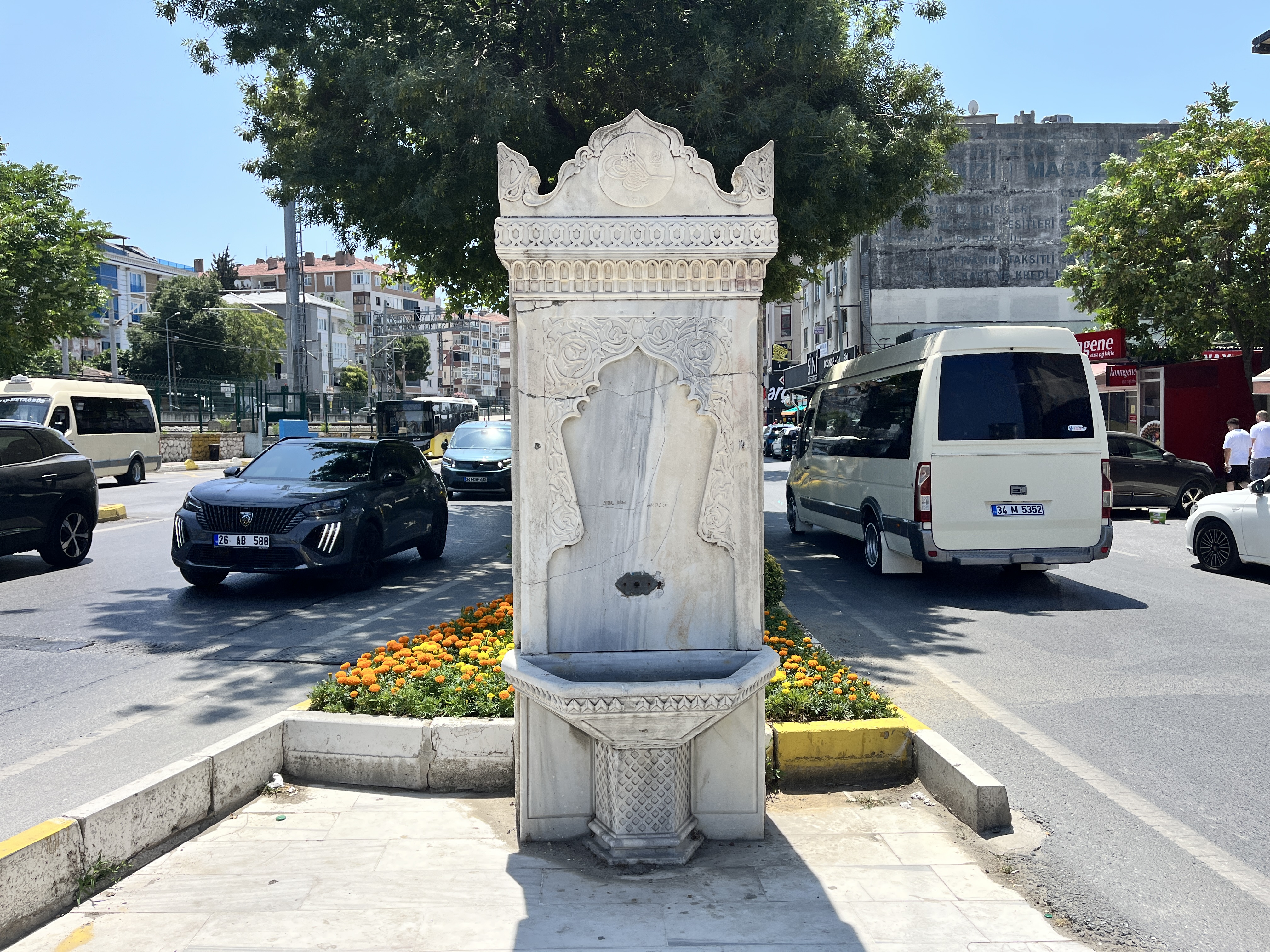
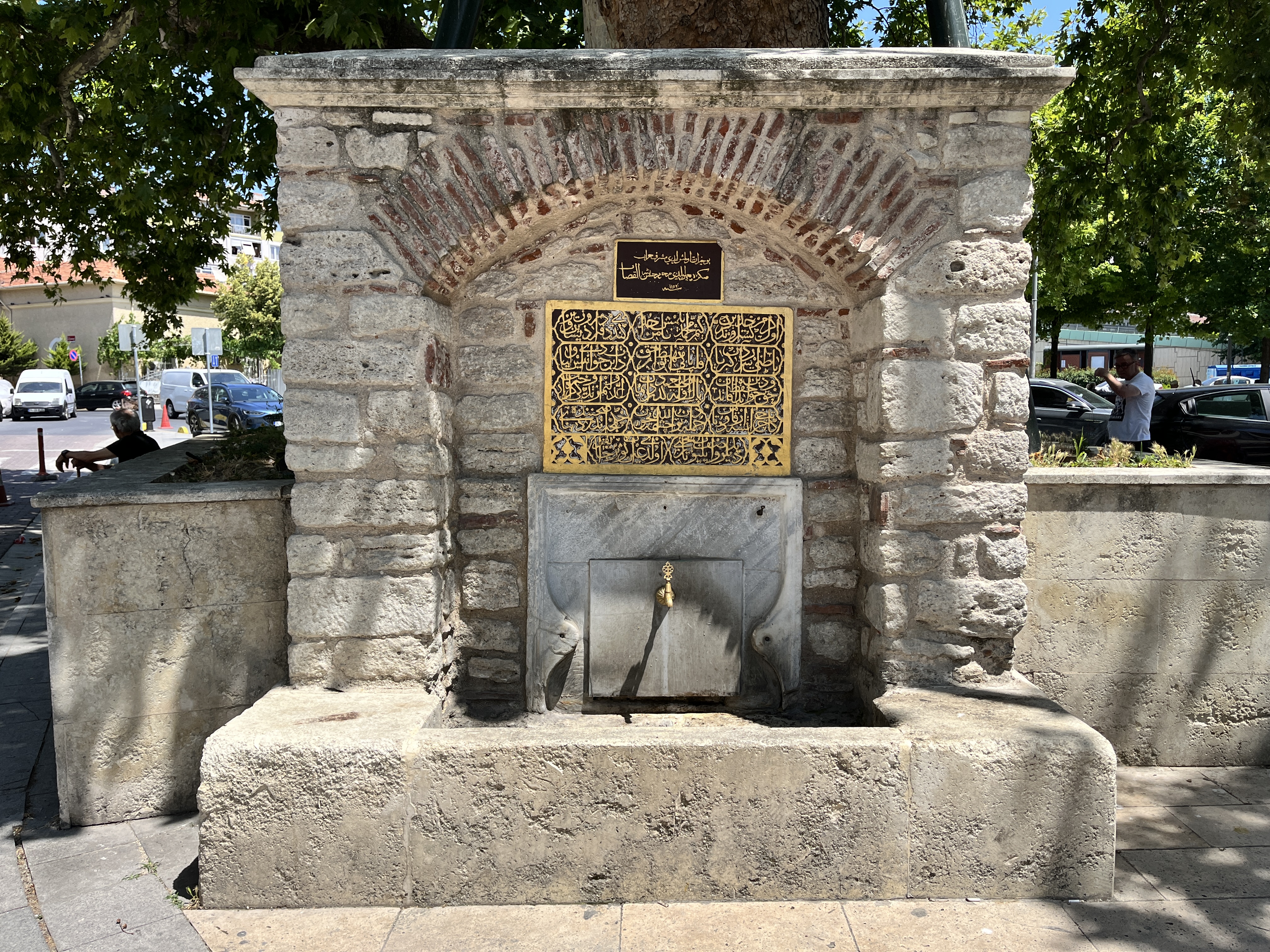
Çoban Çeşmesi is a classic stone fountain located in the residential neighborhood of Bahçelievler, Istanbul. Positioned at the coordinates 40.993712, 28.819476, the fountain blends simple Ottoman stonework with functional design. While the exact height and altitude of the structure remain undocumented, its modest size makes it accessible to all visitors—children can splash at the water’s edge, and adults can sit on nearby benches to enjoy the gentle murmur of flowing water.
History & Significance
The fountain’s origins trace back to the late Ottoman period, when public water sources—çeşmes—were built to provide clean drinking water for residents, travelers, and livestock. The name “Çoban” (shepherd) hints at its original purpose: a watering point for shepherds moving their flocks through the outskirts of historic Istanbul. Over time, as the city expanded, the fountain became a neighborhood landmark, embodying the community’s connection to its past.
Although there is limited archival material on Çoban Çeşmesi, its presence on the Turkish Wikipedia page (see the Çoban Çeşmesi article) confirms its cultural relevance. The fountain stands as a testament to Istanbul’s centuries‑old tradition of public water architecture, reminding us that even the smallest structures can hold great historical weight.
3. How to Get There
By Public Transport
| Transport Mode | Approx. Time | Directions |
|---|---|---|
| Metro | 20‑25 min | Take the M1A (Yenikapı–Kirazlı) line to Kirazlı station. From there, board the E-10 or E-11 bus toward Bahçelievler and alight at the Çoban Çeşmesi stop (check local signage). |
| Bus | 30‑35 min | Direct buses from Esenler or Bakırköy (e.g., 129T, 130T) pass near the fountain. Get off at the Bahçelievler – Çoban Çeşmesi stop. |
| Dolmuş (Minibus) | 15‑20 min | Dolmuş routes 34 and 45 travel through Bahçelievler. Ask the driver to drop you off at the Çoban Çeşmesi intersection. |
By Taxi / Ride‑Sharing
A taxi from central Istanbul (e.g., Taksim Square) to Çoban Çeşmesi typically takes 20‑30 minutes depending on traffic, costing roughly ₺70‑90. Ride‑sharing apps such as BiTaksi or Uber work equally well and often provide a fare estimate before you book.
By Car
If you’re driving, use the GPS coordinates 40.993712, 28.819476. Parking can be found on nearby side streets or small public lots—just be mindful of residential parking restrictions.
4. Best Time to Visit
| Season | Why It Works |
|---|---|
| Spring (April‑May) | Mild temperatures (15‑22 °C) and blooming street trees create a photogenic backdrop. The fountain’s water flow is especially lively after winter rains. |
| Autumn (September‑October) | Cooler evenings and golden light make for perfect sunset shots. Tourist crowds thin out, giving you a more intimate experience. |
| Summer (June‑August) | While the city can be hot, early mornings or late evenings keep the area comfortable. Bring a bottle of water and enjoy a cool breeze off the nearby parks. |
| Winter (November‑March) | The fountain may be quieter, and you might catch a rare frost on the stone—an atmospheric sight for dedicated photographers. |
Tip: The fountain is illuminated at night, so a quick evening visit can add a magical, reflective quality to your photos.
5. What to Expect
Walking up to Çoban Çeşmesi, you’ll first notice the rhythmic sound of water spilling over stone basins—a sound that instantly calms the urban hum. The fountain’s design is straightforward: a low, rectangular basin fed by a central spout, surrounded by modest stone benches.
- Atmosphere: Locals often gather here for a quick chat, a brief rest, or to let children play in the shallow water. Expect a friendly, neighborhood vibe rather than a tourist‑packed site.
- Photography: The clean lines of the stone, the gentle cascade, and the surrounding greenery provide excellent composition opportunities. Capture the fountain from low angles to emphasize its depth, or frame it against the nearby street lamps for night shots.
- Cultural Touch: You may see a few traditional Turkish tea glasses (çay bardağı) on nearby tables as residents sip tea while enjoying the view—feel free to join in and experience local hospitality.
6. Nearby Attractions
While Çoban Çeşmesi is a peaceful stop on its own, it’s also conveniently situated near several other fountains and points of interest—perfect for a relaxed half‑day itinerary.
| Attraction | Distance | Type | Quick Link |
|---|---|---|---|
| Unnamed Fountain #1 | 3.4 km | Fountain | — |
| Unnamed Fountain #2 | 3.9 km | Fountain | — |
| Unnamed Fountain #3 | 3.9 km | Fountain | — |
| Abdülmecid Han Çeşmesi | 4.0 km | Fountain | Wikipedia |
| Küçükçekmece Hamidiye Çeşmesi | 4.0 km | Fountain | Wikipedia |
Bonus Nearby Spot:
- Bahçelievler City Park (Bahçelievler Belediyesi Parkı) – A short 10‑minute walk from the fountain, this green space offers walking paths, playgrounds, and picnic areas—ideal for families.
7. Travel Tips
| Tip | Details |
|---|---|
| Dress Comfortably | Light shoes are recommended for walking on cobblestones. |
| Stay Hydrated | Even though the fountain is beautiful, the water isn’t meant for drinking. Carry a reusable bottle. |
| Respect Local Customs | Keep noise levels low, especially during prayer times. Avoid littering—use nearby bins. |
| Photography Etiquette | Ask permission before photographing locals, especially families with children. |
| Timing | Arrive early on weekends to avoid the small crowd of locals who gather for afternoon tea. |
| Safety | The area is generally safe, but keep an eye on personal belongings as you would in any urban setting. |
| Language | Turkish is the primary language; a few basic phrases (“Merhaba”, “Teşekkür ederim”) go a long way. |
| Currency | Have some Turkish Lira on hand for small purchases (e.g., street snacks). |
| Connectivity | Free Wi‑Fi is often available at nearby cafés; consider a local SIM for navigation. |
Final Thought
Çoban Çeşmesi may not appear on the typical Istanbul “must‑see” list, but that’s precisely why it shines for the curious traveler. It offers a slice of authentic daily life, a touch of Ottoman engineering, and a tranquil spot to pause amid the city’s rhythm. Pair it with a stroll through Bahçelievler’s leafy streets, sip Turkish tea at a nearby café, and you’ll leave with a deeper, more personal connection to Istanbul’s hidden treasures.
Ready to add Çoban Çeşmesi to your Istanbul itinerary? Pack your camera, hop on the M1A line, and let the gentle splash of the fountain guide you to a quieter side of the city you’ll never forget.
Keywords: Çoban Çeşmesi, Istanbul fountain, Bahçelievler, things to do in Istanbul, Istanbul attractions, travel Istanbul, Ottoman fountain, hidden Istanbul, Istanbul travel guide.