Kralkızı Barajı – The Hidden Gem of Diyarbakır’s Waterways
Discover the striking 126‑meter‑high Kralkızı Dam, its crystal‑clear reservoir, and the rugged beauty of southeastern Turkey.
1. Introduction
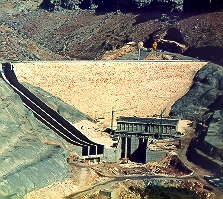
If you think Turkey’s travel highlights are limited to Istanbul’s mosques, Cappadocia’s fairy chimneys, or the turquoise coast of Antalya, think again. Nestled in the rolling hills of the Dicle River basin, Kralkızı Barajı (Kralkızı Dam) offers a serene escape for nature lovers, photography enthusiasts, and anyone craving a glimpse of Turkey’s lesser‑known engineering marvels. With its dramatic concrete face soaring 126 m above the water and a tranquil lake that mirrors the surrounding landscape, the dam is a perfect backdrop for a day‑trip or an off‑the‑beaten‑path adventure in Diyarbakır Province.
2. About Kralkızı Barajı
A Brief History
Kralkızı Barajı, whose name translates to “Princess’s Dam,” was constructed as part of Turkey’s ambitious hydro‑electric development program in the late 20th century. While the exact completion date is not listed in the public record, the dam’s primary purpose is to generate clean energy for the region and regulate the flow of the Dicle River (known internationally as the Tigris).
Technical Highlights
- Type: Concrete gravity dam
- Height: 126 m (413 ft) – one of the taller dams in southeastern Turkey
- Location: Dicle district, Diyarbakır Province (coordinates 38.347676 N, 40.021935 E)
- Hydroelectric Capacity: Integrated with a hydroelectric power plant that contributes to the local grid (details on capacity are available on the Turkish Wikipedia page).
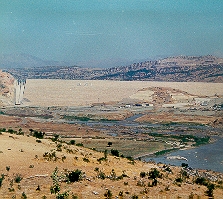
The dam’s imposing silhouette dominates the horizon, while its reservoir stretches across a valley framed by limestone cliffs and pine‑covered slopes. The engineering feat not only supplies electricity but also creates a vital water resource for irrigation and flood control downstream.
Why It Matters
Kralkızı Barajı is more than a functional structure; it represents Turkey’s commitment to sustainable energy and regional development. For travelers, the site offers a rare combination of industrial architecture and natural scenery—a place where you can watch water cascade through turbines and then wander along a quiet lakeshore that feels worlds away from the bustling streets of Diyarbakır city.
3. How to Get There
By Air
The nearest major airport is Diyarbakır Gökçen International Airport (DIY), located about 80 km (≈ 50 mi) north‑west of the dam. From the airport, you can rent a car or arrange a private transfer.
By Car
Driving is the most convenient way to reach Kralkızı Barajı:
- From Diyarbakır City Center – Take the D.950 highway heading east toward the Dicle district.
- Turn onto the D.965 after passing the town of Ergani.
- Follow the signs for “Kralkızı Barajı”; the dam entrance is clearly marked and there is a modest parking area for visitors.
The total drive takes roughly 1 hour 15 minutes (≈ 95 km). The route offers scenic views of the Dicle River valley, making the journey itself part of the experience.
By Public Transport
Buses run regularly from Diyarbakır’s central bus station to the town of Dicle. From Dicle, you’ll need a local taxi (approximately 15 minutes) to reach the dam complex. Check the latest schedules on the Diyarbakır Metropolitan Municipality website, as services may vary seasonally.
4. Best Time to Visit
| Season | Weather | Why Visit |
|---|---|---|
| Spring (April–June) | Mild temperatures (15‑25 °C), blooming wildflowers | Ideal for photography, walking along the reservoir, and bird‑watching. |
| Summer (July–August) | Warm to hot (30‑35 °C) | Longer daylight hours; perfect for sunset shots over the dam. |
| Autumn (September–October) | Cool evenings, golden foliage | Crisp air and fewer crowds; the lake reflects the autumn colors beautifully. |
| Winter (November–March) | Cold, occasional snowfall | The dam’s silhouette against a snowy backdrop is striking, but some access roads may be icy. |
Recommendation: For most travelers, late spring (May–June) or early autumn (September) provide the best combination of comfortable weather, vibrant scenery, and manageable visitor numbers.
5. What to Expect
Scenic Views
The reservoir stretches over several kilometers, its surface often glass‑like in the early morning. From the dam’s observation platform (if open), you can enjoy panoramic vistas of the water, the surrounding hills, and the distant city of Diyarbakır on clear days.
Wildlife
The lake and its wetlands attract a variety of bird species, including herons, kingfishers, and migratory waterfowl. Early‑morning walks are rewarding for bird‑watchers equipped with a pair of binoculars.
Recreation
While swimming is generally prohibited for safety reasons, the area is popular for picnicking, gentle hiking, and photography. A short trail leads from the parking lot to a viewpoint that overlooks the dam’s spillway, offering a dramatic perspective of water rushing through the turbines.
Facilities
Basic visitor amenities are available: a small parking lot, restroom facilities, and a kiosk that sells bottled water and local snacks. There is no on‑site café, so consider packing a light lunch or picnic.
6. Nearby Attractions
Kralkızı Barajı serves as a convenient hub for exploring other natural and cultural sites in the region. Here are the most accessible attractions within a 30‑kilometer radius:
| Attraction | Distance | Highlights | Link |
|---|---|---|---|
| Dicle Barajı (Dicle Dam) | 18.7 km | Another impressive hydro‑electric dam on the Dicle River; great for comparative engineering tours. | Dicle Barajı Wikipedia |
| [Unnamed Spring] | 25.3 km (Elazığ Province) | A natural spring offering crystal‑clear water and a peaceful spot for a short hike. | (link unavailable – local guide recommended) |
| [Unnamed Dam] | 29.2 km | Small dam surrounded by pine forests; ideal for a quiet walk. | (link unavailable – ask locals) |
| [Unnamed Dam] | 30.1 km | Features a modest picnic area with river views. | (link unavailable – local signage) |
| [Unnamed Dam] | 31.6 km | Offers a short trail leading to a viewpoint of the reservoir. | (link unavailable – inquire at visitor center) |
Tip: Many of these sites lack detailed English‑language information online, so hiring a local guide or joining a small group tour can enrich your experience and ensure you don’t miss hidden gems.
7. Travel Tips
| Tip | Details |
|---|---|
| Bring a Camera | The dam’s concrete façade, the shimmering lake, and the surrounding hills create photogenic compositions, especially at sunrise and sunset. |
| Dress in Layers | Even in summer, mornings can be cool by the water; a light jacket is advisable. |
| Stay Hydrated | There are limited refreshment options on site; carry enough water, especially if you plan to hike. |
| Respect Safety Zones | Stay behind barriers near the spillway and turbine area; swimming is prohibited. |
| Check Road Conditions | Winter snow or heavy rain can affect the mountain roads leading to the dam. Verify the status with local authorities before setting out. |
| Cash is King | Small kiosks may only accept Turkish Lira in cash; credit cards are rarely accepted in remote areas. |
| Cultural Sensitivity | The region is predominantly Kurdish and Turkish; modest dress and courteous behavior are appreciated. |
| Timing | Arrive early (before 10 am) to avoid the midday heat and to secure a good parking spot. |
| Guided Tours | Local tour operators in Diyarbakır often include Kralkızı Barajı in day‑trip itineraries that combine dam visits with regional cuisine and cultural sites. |
Final Thoughts
Kralkızı Barajı may not appear on the typical Turkish travel itinerary, but its blend of engineering prowess, natural beauty, and tranquil ambiance makes it a rewarding destination for the curious traveler. Whether you’re chasing the perfect sunrise shot, learning about Turkey’s hydro‑electric infrastructure, or simply seeking a peaceful spot away from the crowds, the “Princess’s Dam” invites you to pause, reflect, and enjoy the quiet power of water meeting stone.
Pack your camera, hit the road, and let Kralkızı Barajı add a unique chapter to your Turkish adventure.