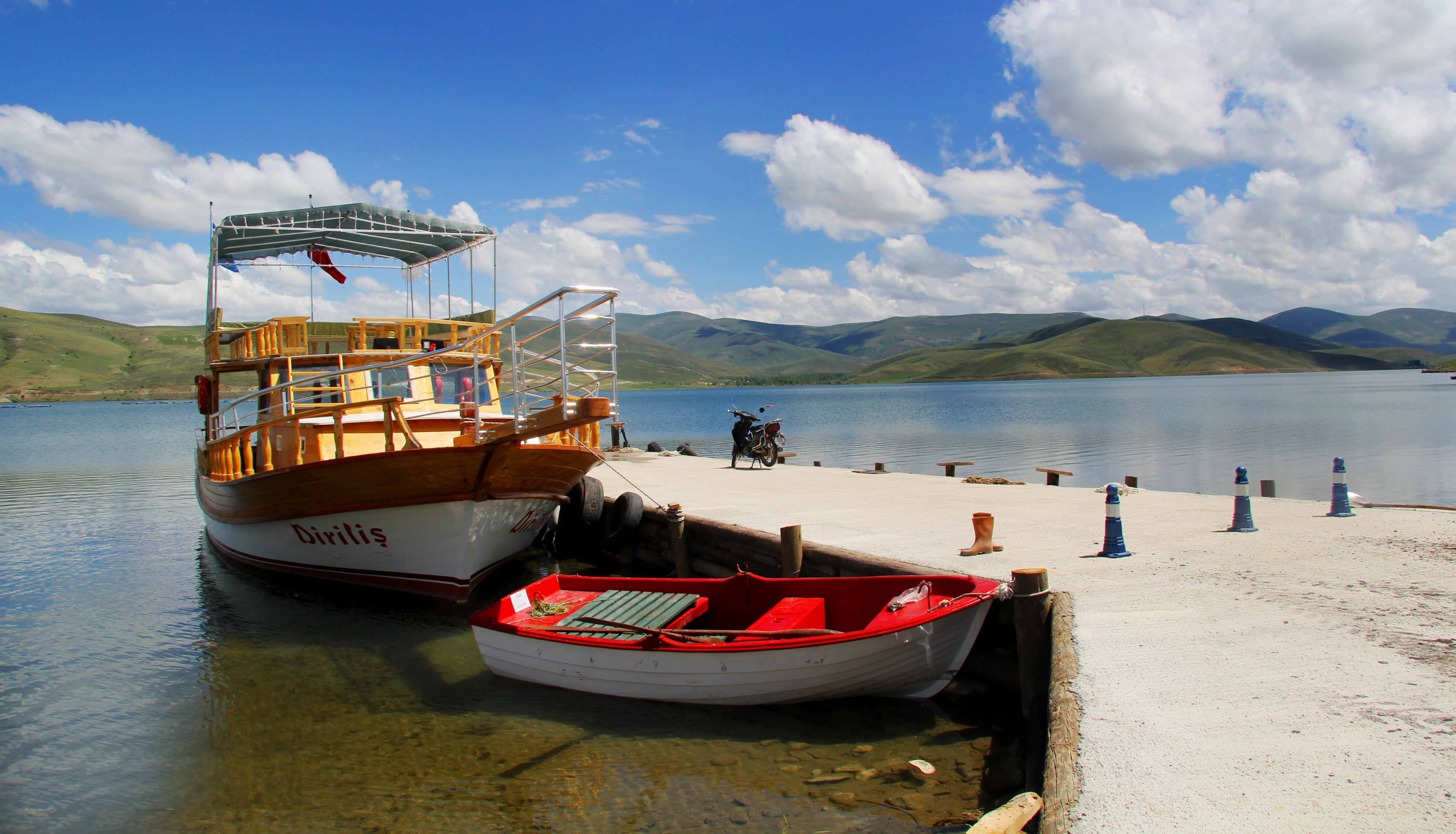
Demirözü Barajı – A Hidden Gem in Bayburt, Turkey
Discover the tranquil beauty of Demirözü Barajı, a serene dam tucked away in the rugged landscapes of Eastern Anatolia. Whether you’re a nature lover, photography enthusiast, or off‑the‑beaten‑path traveler, this little‑known spot offers a peaceful retreat and a glimpse into Turkey’s vital water infrastructure.
1. Introduction
Imagine standing on a quiet shoreline, the water shimmering under a crisp mountain sky, while the distant hills of Bayburt whisper stories of centuries‑old cultures. This is the experience awaiting you at Demirözü Barajı – a modest dam that may not appear on typical tourist itineraries, yet it captures the raw, unspoiled charm of Turkey’s eastern region.
Located near the village of Pulur in Bayburt Province, the dam sits at the coordinates 40.130039 N, 39.899622 E. Its calm reservoir is framed by pine‑covered slopes, making it an ideal spot for sunrise walks, bird‑watching, and reflective moments away from the bustle of the city. In this guide, we’ll explore everything you need to know to plan a memorable visit to Demirözü Barajı.
2. About Demirözü Barajı
History & Purpose
Demirözü Barajı was constructed as part of Turkey’s nationwide effort to improve water management, irrigation, and hydro‑electric capacity in the Black Sea‑to‑Anatolia transition zone. While specific details about its height or altitude remain unpublished, the dam plays a crucial role in regulating the flow of the Çoruh River tributaries that nourish the surrounding farmlands.
The name “Demirözü” translates roughly to “iron spring,” hinting at the robust, enduring nature of the structure and the mineral‑rich waters that feed its reservoir. Though primarily functional, the dam has gradually become a local landmark, drawing residents for picnics, fishing, and occasional cultural gatherings.
Significance
- Water Security – The reservoir supports irrigation for nearby agricultural villages, ensuring crop yields even during dry spells.
- Ecological Habitat – The calm waters attract a variety of bird species, including migratory waterfowl that use the dam as a resting point.
- Cultural Value – For the people of Pulur and Bayburt, the dam symbolizes modern progress while coexisting with traditional rural life.
For a deeper dive into its background, you can consult the Turkish‑language Wikipedia entry: Demirözü Barajı (Wikipedia).
3. How to Get There
By Air
The nearest major airport is Erzincan Airport (ERC), roughly 180 km west of Bayburt. From the airport, you can rent a car or catch a regional bus to Bayburt city center (about 2.5 hours).
By Bus & Train
- Intercity Bus – Several daily coaches run between Erzurum, Gümüşhane, and Bayburt. The Bayburt bus terminal is centrally located, making onward travel straightforward.
- Train – The Turkish State Railways (TCDD) operates a line that stops at Bayburt Station, though service frequency is limited.
From Bayburt to Demirözü Barajı
- Car Rental – The most flexible option. Head southeast on D.050 toward Pulur; the journey is about 20 km and takes roughly 30 minutes.
- Local Minibus (Dolmuş) – Dolmuş services run from Bayburt’s main square toward Pulur. Ask the driver for a drop‑off near the dam’s access road; they usually accommodate tourists for a small fee.
- Taxi – Taxis are available in Bayburt; a round‑trip fare to the dam is typically around 150–200 TRY, depending on negotiation.
Parking: A small, free parking lot sits at the reservoir’s edge, perfect for cars, motorbikes, and bicycles.
4. Best Time to Visit
| Season | Weather | Why Visit |
|---|---|---|
| Spring (April‑June) | Mild temperatures (12‑22 °C), blooming wildflowers | Ideal for photography, bird‑watching, and comfortable hikes. |
| Summer (July‑August) | Warm to hot (25‑30 °C), occasional thunderstorms | Perfect for picnics by the water; early mornings stay cool. |
| Autumn (September‑October) | Cool, crisp air (10‑18 °C), colorful foliage | Scenic lake reflections; fewer crowds. |
| Winter (November‑March) | Cold, occasional snow; water may be partially frozen | Rarely visited; offers a quiet, mystical atmosphere for adventurous souls. |
Top Recommendation: Late spring (mid‑May to early June) offers the best combination of pleasant weather, vibrant flora, and active wildlife.
5. What to Expect
Scenery & Activities
- Lake Views: The reservoir’s surface mirrors the surrounding pine forests and rolling hills, creating postcard‑worthy vistas.
- Walking Trails: A modest, unpaved trail circles the dam, suitable for leisurely strolls or a gentle jog.
- Fishing: Local anglers often cast lines for carp and trout; bring a simple rod if you enjoy angling.
- Picnicking: Picnic tables and shaded spots are scattered near the water’s edge—great for a family lunch.
Facilities
- Restrooms: Basic public toilets are available near the parking area.
- Food: No permanent cafés exist on-site, but small roadside stalls in Pulur sell tea, simit, and fresh fruit.
- Connectivity: Mobile signal can be spotty; consider downloading offline maps beforehand.
Atmosphere
Demirözü Barajı exudes a tranquil, almost meditative vibe. You’ll hear the gentle lapping of water, the rustle of pine needles, and distant bird calls. The lack of heavy tourist infrastructure makes it perfect for travelers seeking authenticity and solitude.
6. Nearby Attractions
While Demirözü Barajı is the star of the day, the surrounding region offers several other dams and natural sites worth a quick detour:
| Distance | Attraction | Province | Link |
|---|---|---|---|
| 5.0 km | Nearby Dam (Unnamed) | Bayburt | Explore |
| 6.5 km | Nearby Dam (Unnamed) | Bayburt | Explore |
| 11.9 km | Nearby Dam (Unnamed) | Bayburt | Explore |
| 12.4 km | Nearby Dam (Unnamed) | Gümüşhane | Explore |
| 12.8 km | Nearby Dam (Unnamed) | Bayburt | Explore |
Tip: These neighboring reservoirs are accessible via the same D.050 road. Even if they lack visitor facilities, they provide additional scenic viewpoints and excellent spots for landscape photography. For a broader perspective on Turkey’s dam network, consider visiting the Wikipedia page “List of dams and reservoirs in Turkey”.
7. Travel Tips
| Tip | Details |
|---|---|
| Bring Cash | Small villages and roadside stalls often accept only Turkish Lira. |
| Dress in Layers | Weather can shift quickly, especially in spring and autumn. |
| Footwear | Sturdy, comfortable walking shoes or hiking boots are recommended for the uneven trail around the reservoir. |
| Stay Hydrated | Carry a reusable water bottle; refill at the parking lot’s tap. |
| Respect Local Customs | The area is primarily agricultural; keep noise low and avoid littering. |
| Safety | The dam’s edge can be slippery; watch your footing, especially after rain. |
| Photography | Sunrise (around 6 am) and sunset (around 7 pm) provide the most dramatic lighting. |
| Language | Basic Turkish phrases (e.g., “Merhaba,” “Teşekkür ederim”) go a long way with locals. |
| Connectivity | Download offline maps (Google Maps, MAPS.ME) before arrival. |
| Day Trip | Pair your visit with a trip to Bayburt’s historic Aydıntepe Underground City or the Karaçoban Waterfall for a full day of exploration. |
Final Thoughts
Demirözü Barajı may not boast towering heights or luxurious resorts, but its understated charm lies in the genuine connection it offers between travelers, nature, and the everyday lives of Bayburt’s residents. A short drive from the provincial capital, this dam provides a peaceful escape, spectacular photo ops, and a chance to experience Turkey’s lesser‑known eastern landscapes.
Pack your camera, hit the road, and let the calm waters of Demirözü Barajı refresh your spirit. Safe travels!