Manavgat Barajı ve Hidroelektrik Santrali – A Hidden Gem in Antalya’s Green Heart
If you think Antalya is only about turquoise beaches and ancient ruins, think again. Nestled in the lush foothills of the Taurus Mountains, the Manavgat Barajı ve Hidroelektrik Santrali (Manavgat Dam and Hydroelectric Plant) offers a different kind of Turkish adventure – one that blends engineering marvel, serene nature, and authentic local culture.
1. Introduction
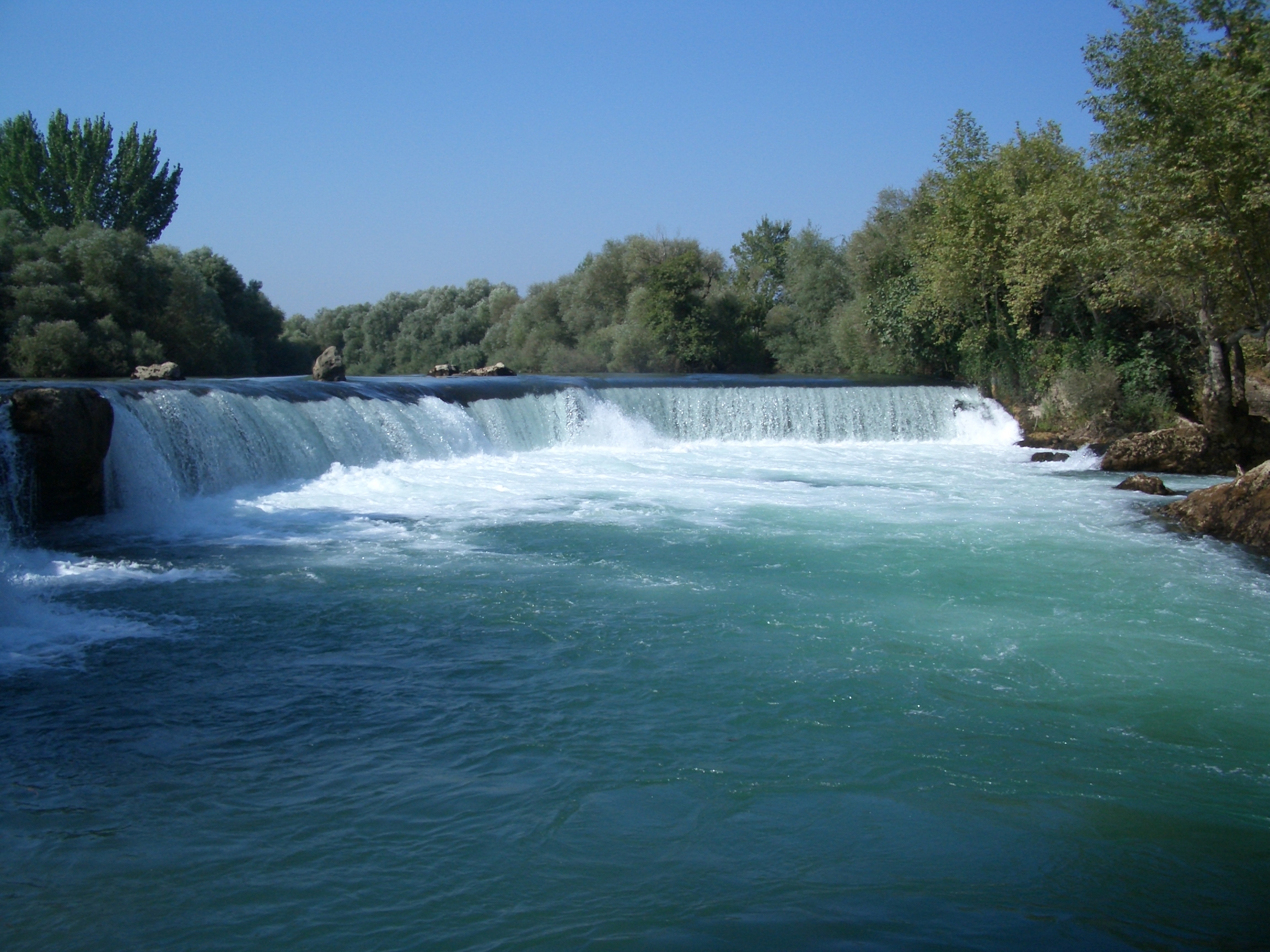
Imagine standing on a quiet overlook, the gentle roar of water echoing through pine‑scented valleys, while a sleek concrete structure harnesses the river’s power in the background. That’s the scene at Manavgat Barajı, a modern hydro‑electric dam that doubles as a peaceful picnic spot and a gateway to some of Antalya’s most picturesque waterfalls. Whether you’re a photography enthusiast, a road‑trip lover, or simply curious about Turkey’s renewable‑energy projects, this dam is a stop you won’t want to miss on your Antalya itinerary.
2. About Manavgat Barajı ve Hidroelektrik Santrali
Located at 36.834757° N, 31.517953° E in the district of Manavgat, the dam was built to regulate the flow of the Manavgat River and generate clean electricity for the surrounding region. While the exact height and altitude of the structure remain undocumented in public sources, its impact on the local ecosystem and economy is well‑known.
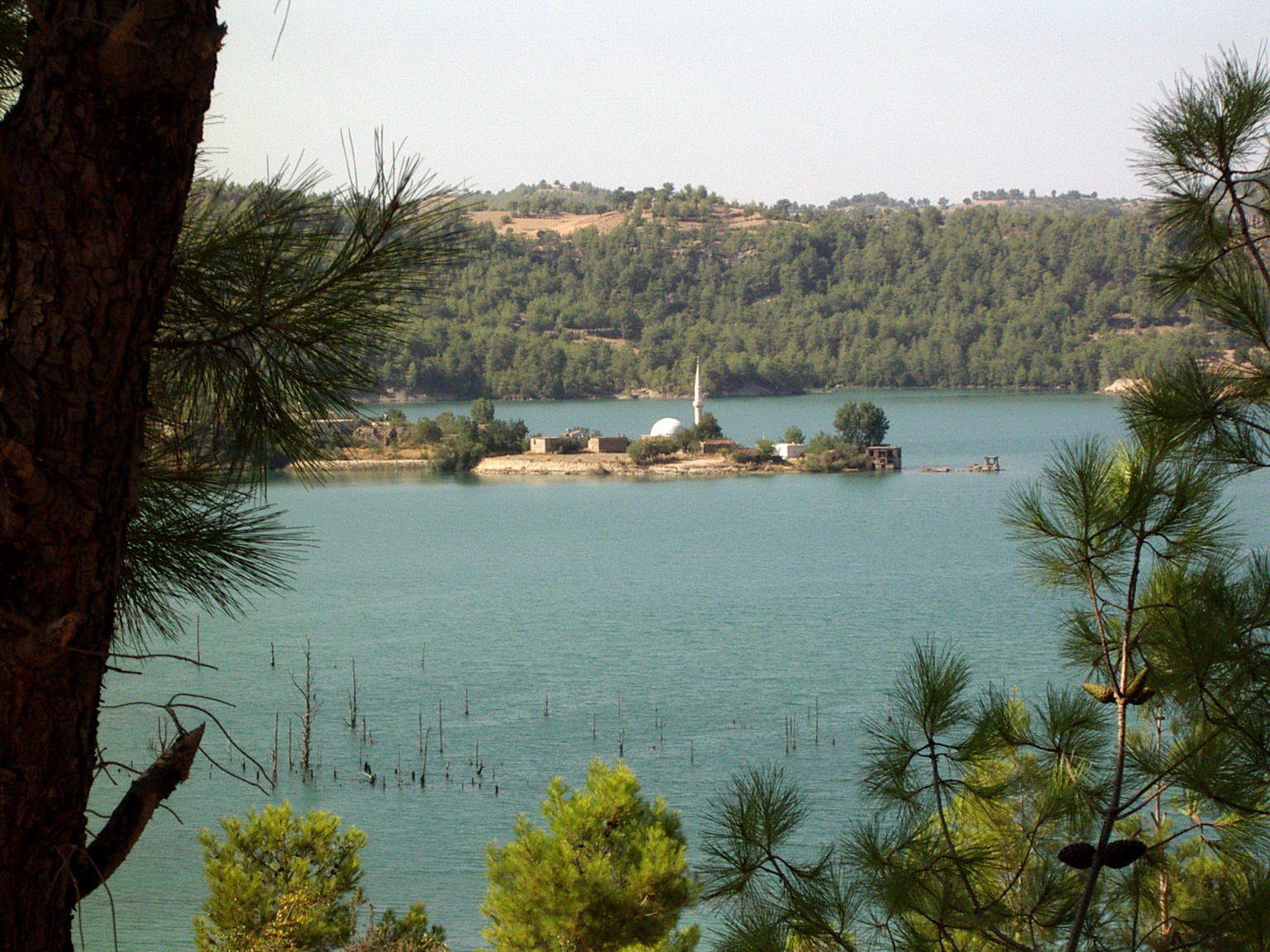
The hydro‑electric plant is part of Turkey’s broader push toward sustainable energy, contributing to the national grid while preserving the river’s natural beauty. Its reservoir creates a calm lake that mirrors the surrounding pine forests, offering a stark yet harmonious contrast to the rugged terrain of the Taurus Mountains.
Beyond its technical role, the dam has become a modest tourist attraction. Visitors can walk along safe viewing platforms, watch the turbines spin, and learn about water management through on‑site information boards. The site is also a popular spot for locals who come to fish, jog, or simply enjoy the cool breeze that drifts off the water.
3. How to Get There
By Car
The most convenient way to reach Manavgat Barajı is by car. From Antalya’s city centre, follow the D400 highway eastward toward Manavgat (approximately 75 km, about 1 hour 15 minutes). Look for signs directing you to the Manavgat Dam; a small turn‑off leads to a well‑maintained parking lot right beside the reservoir. The drive itself is scenic, with coastal views gradually giving way to rolling hills and olive groves.
By Public Transport
If you prefer not to drive, you can take a regional bus (dolmuş) from Antalya’s main bus station (Otogar) to Manavgat. Buses run roughly every hour, and the journey takes about 1 hour 30 minutes. Once you arrive in Manavgat town, you can catch a local minibus or a short taxi ride (≈ 5 km) to the dam.
By Tour Packages
Many Antalya day‑trip operators include the dam in their “Nature & Engineering” tours, pairing it with nearby waterfalls such as Manavgat Şelalesi. Booking a guided tour can be a hassle‑free way to learn about the plant’s history while enjoying a knowledgeable driver.
4. Best Time to Visit
- Spring (March–May): The surrounding pine forests burst into fresh green, and the river’s flow is moderate—ideal for photography and picnics.
- Summer (June–August): Temperatures rise, but the dam’s lake offers a cool microclimate. Early mornings are pleasant; later in the day it can get warm, especially if you’re planning a hike.
- Autumn (September–November): Water levels are still high from the summer melt, and the foliage turns golden. This is arguably the most photogenic season.
- Winter (December–February): The dam operates at lower capacity, and mist often hangs over the water, creating a mystical atmosphere. However, some access roads may be slick, so check local weather forecasts.
Overall, late spring to early autumn provides the best combination of weather, river flow, and visitor services.
5. What to Expect
When you arrive, you’ll first notice the tranquil lake that the dam creates. The water’s surface is usually glass‑like, reflecting the surrounding hills and occasional clouds. A short, well‑marked pathway leads to an observation deck where you can watch the turbines spin—an impressive reminder of how nature and technology coexist.
Facilities:
- Parking: Free, spacious lot near the main gate.
- Restrooms: Clean, gender‑separated facilities near the visitor center.
- Café: A modest kiosk offers Turkish tea, ayran, and light snacks (simit, gözleme).
- Picnic Areas: Designated tables and grills allow you to enjoy a meal with a view.
Activities:
- Photography: Capture sunrise over the reservoir or long‑exposure shots of the water.
- Birdwatching: The lake attracts migratory birds, especially during spring.
- Fishing: Local anglers often cast lines from the shore; a fishing permit may be required for non‑residents.
While the dam itself is not a “theme park,” the quiet ambiance makes it perfect for a relaxed half‑day stop. Bring a light jacket—mountain breezes can be cooler than the coastal towns.
6. Nearby Attractions
After exploring the dam, extend your adventure to these nearby natural wonders (all within a 7 km radius).
| Attraction | Distance from Dam | What to See | Link |
|---|---|---|---|
| Manavgat River View (Waterfall) | 2.7 km | A small cascade where the river drops over limestone – great for a quick photo stop. | Manavgat River View |
| Manavgat Şelalesi (Manavgat Waterfall) | 6.1 km | The most famous waterfall in the area, surrounded by lush parkland and cafés. | Manavgat Şelalesi |
| Local Spring (Kaynak) | 5.0 km | A natural spring offering fresh mountain water; locals believe it has healing properties. | Manavgat Spring |
| Weir (Baraj) | 6.1 km | Another small hydraulic structure that illustrates the region’s water management. | Manavgat Weir |
| Dam (General) | 0.4 km | The main Manavgat Barajı itself – perfect for a final panoramic view before heading back. | Manavgat Barajı ve Hidroelektrik Santrali |
These sites can be visited in a single day, either by car or on a guided bike tour that follows the river’s winding path.
7. Travel Tips
| Tip | Details |
|---|---|
| Start Early | Arriving before 10 am helps you avoid the midday heat and gives you the best light for photos. |
| Bring Cash | The café and any small souvenir stalls accept only Turkish lira (no card terminals). |
| Dress in Layers | Even in summer, evenings can be chilly near the water; a light sweater is advisable. |
| Respect the Environment | The area is a protected water source. Do not litter, and follow any posted signs regarding fishing or swimming. |
| Parking Fees | Parking is free, but some nearby private lots (especially near Manavgat Şelalesi) charge a small fee. |
| Language | Turkish is the primary language. Most locals speak basic English, especially in tourist‑oriented spots, but learning a few Turkish phrases (e.g., “Merhaba” for hello) goes a long way. |
| Safety | The dam’s perimeter is fenced for security. Stick to marked paths and observation decks. |
| Combine with a Beach Day | After your dam visit, drive 30 km west to the famous Kaleiçi district of Antalya for a sunset on the Mediterranean coast. |
Final Thought
Manavgat Barajı ve Hidroelektrik Santrali may not appear on every travel brochure, but that’s exactly why it’s worth the detour. It offers a quiet, reflective pause in a region famed for its bustling resorts, letting you experience Turkey’s commitment to renewable energy while soaking in the natural beauty of the Manavgat River valley. Pack a camera, a snack, and an adventurous spirit—this hidden dam will reward you with unforgettable views and a deeper appreciation for the harmony between engineering and the environment.
Happy travels, and may your journey through Antalya be as refreshing as the waters of Manavgat!