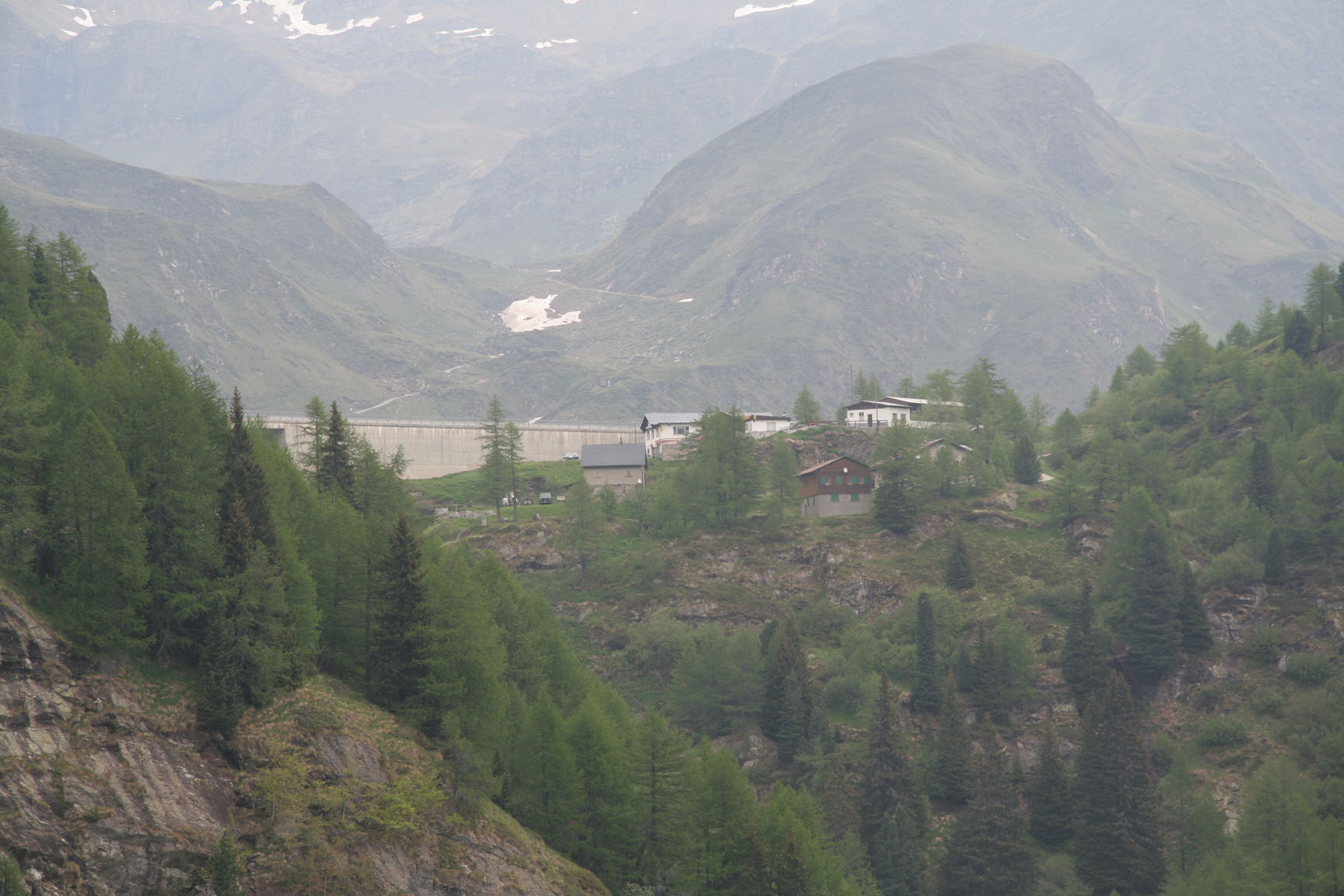
Discover Diga di Piora – A Hidden Alpine Gem in Ticino, Switzerland
If you’re craving a blend of engineering marvel, alpine scenery, and off‑the‑beaten‑path adventure, the Diga di Piora (Piora Dam) should be at the top of your Swiss itinerary. Nestled in the rugged landscape of Airolo, Ticino, this modest 27‑metre high dam offers more than just a functional water reservoir—it’s a gateway to pristine nature, dramatic waterfalls, and authentic Swiss mountain culture. In this guide we’ll explore everything you need to know to plan an unforgettable visit, from history and access routes to the best seasons and insider travel tips.
About Diga di Piora
Location: Airolo, Ticino, Switzerland
Coordinates: 46.534717 N, 8.678421 E
Height: 27 m
The Diga di Piora (Italian for “Piora Dam”) is a concrete gravity dam built to regulate the flow of water from the surrounding alpine catchments. While the exact construction date isn’t widely publicised, the dam has long served the local hydro‑electric network, contributing to Switzerland’s reputation for clean, renewable energy.
What makes the dam truly special for travelers is its setting. Perched amid the limestone cliffs of the Lepontine Alps, the reservoir mirrors the sky, creating a striking contrast with the rugged peaks that frame it. The dam’s modest size (27 m) means you can get up close, walk along the spillway, and feel the power of the water without the crowds that flock to larger, more commercialised sites.
From a cultural perspective, Diga di Piora is a reminder of the engineering ingenuity that helped transform the remote valleys of Ticino into thriving communities. The dam also plays a subtle role in local folklore, often mentioned in stories about the “hidden waters” that sustain the mountain villages during harsh winters.
How to Get There
By Train
Airolo is a major stop on the Gotthard railway line, which connects northern Switzerland (Zurich, Lucerne) with the Italian border (Chiasso). From Zurich Hauptbahnhof, catch an InterCity (IC) or regional train to Airolo; the journey takes roughly 2 hours. The station sits at the foot of the valley, making it the most convenient rail gateway to the dam.
By Car
If you prefer driving, the A2 motorway (the Gotthard Tunnel route) brings you directly to Airolo. From the tunnel exit, follow the signs for Strada Cantonale 2 toward the village centre. The dam is located just a few kilometres north of the town, accessible via a well‑maintained local road. Parking is available in a small lot near the reservoir—arrive early in peak season to secure a spot.
By Bus
The Ticino public transport network (Ticino Bus) runs regular services from Airolo to nearby hamlets. The line 1A bus stops within walking distance of the dam’s visitor area. Check the latest timetable on the Ticino Mobil website before you travel.
By Foot or Bike
For the adventurous, the Sentiero del Piora hiking trail links Airolo to the dam and continues toward the Piora Valley. The trail is well‑marked, moderately challenging, and offers spectacular vistas of the surrounding peaks. Cyclists can also ride the quiet mountain roads, but be prepared for steep climbs and changing weather.
Best Time to Visit
| Season | Highlights | Weather & Tips |
|---|---|---|
| Spring (April–June) | Snowmelt swells the reservoir, creating dramatic water flow and vibrant alpine flora. | Temperatures 8‑15 °C; pack waterproof layers and sturdy boots. |
| Summer (July–September) | Long daylight hours, perfect for hiking and picnicking by the water’s edge. | Warm days 18‑25 °C; sunscreen, hat, and plenty of water are essential. |
| Autumn (October–November) | Golden foliage frames the dam, and the waterfalls nearby are at their most powerful. | Cooler evenings (5‑12 °C); bring a windproof jacket. |
| Winter (December–March) | Snow‑covered landscape offers a serene, almost mystical atmosphere; limited access but great for photography. | Sub‑zero temps; check road conditions and consider guided tours. |
Peak visitation occurs in July and August, so if you prefer a quieter experience, aim for early June or late September. The dam’s water level can fluctuate seasonally, influencing the visual impact of the reservoir and nearby waterfalls—spring and autumn often provide the most striking scenes.
What to Expect
Arriving at Diga di Piora feels like stepping into a living postcard. The concrete dam rises against a backdrop of jagged limestone cliffs, while the reservoir glistens like a polished mirror. A short, well‑signposted path leads from the parking area to a viewing platform where you can watch water cascade over the spillway—especially impressive after a rainstorm or during spring melt.
Key experiences include:
- Close‑up engineering view: Walk along the dam’s perimeter to appreciate the construction techniques that allow it to hold back alpine waters.
- Photography opportunities: Sunrise paints the dam in warm hues, while sunset creates a dramatic silhouette against the peaks.
- Nature immersion: The surrounding forest trails invite you to explore alpine meadows, moss‑covered rocks, and the occasional marmot colony.
- Picnic spots: Designated benches near the water’s edge provide a tranquil setting for a lunch break, with the gentle hum of flowing water as background music.
There are no official visitor centres or guided tours at the dam itself, but local mountain guides in Airolo can arrange short talks about the dam’s history and the hydro‑electric system of the region.
Nearby Attractions
The Diga di Piora area is a hub for natural wonders. While the dam is the star attraction, a short trek or drive will bring you to several spectacular sites—most of them waterfalls that cascade down the same limestone cliffs.
| Attraction | Distance | What to See | Link |
|---|---|---|---|
| Nearby Dam (2.7 km) | 2.7 km | Another small alpine dam offering similar engineering interest. | View on Map |
| Waterfall #1 (2.8 km) | 2.8 km | A narrow cascade dropping into a crystal‑clear pool—ideal for a quick photo stop. | View on Map |
| Waterfall #2 (3.4 km) | 3.4 km | A series of tiered falls that create a misty micro‑climate, perfect for nature lovers. | View on Map |
| Waterfall #3 (3.5 km) | 3.5 km | Known for its powerful roar, this waterfall is best visited after a rainstorm. | View on Map |
| Waterfall #4 (3.7 km) | 3.7 km | A secluded cascade surrounded by dense pine forest—great for a quiet meditation spot. | View on Map |
(All links open a Google Maps search centered on the dam’s coordinates; you can adjust the radius to locate each specific feature.)
In addition to the waterfalls, the Piora Valley itself offers alpine pastures, traditional Ticinese stone huts (breganzine), and occasional cheese‑making demonstrations in summer. The nearby Gotthard Pass (a short drive away) provides historic museums and panoramic viewpoints for those who want a broader perspective of the region.
Travel Tips
- Check Road Conditions – The mountain roads leading to the dam can be icy in early spring or late autumn. The Ticino cantonal road authority posts live updates online.
- Pack Light, Pack Smart – A daypack with a water bottle, snack, rain jacket, and a lightweight trekking pole will keep you comfortable on the trails.
- Stay Connected – Mobile coverage is generally good in Airolo, but can be spotty near the dam. Download offline maps (e.g., Maps.me or Google Maps offline areas) before you set out.
- Respect the Environment – The area is part of a protected alpine ecosystem. Stick to marked paths, carry out all trash, and avoid disturbing wildlife.
- Timing for Waterfalls – The waterfalls are most impressive after a rain or during the spring melt. If you’re visiting in summer, aim for early morning when runoff is still high.
- Local Cuisine – After your dam adventure, treat yourself to Ticinese specialties in Airolo: try polenta, risotto alla ticinese, and the region’s famous Luganighe (spicy sausages).
- Currency & Language – Switzerland uses the Swiss franc (CHF). Italian is the primary language in Ticino, but most locals speak English and German as well.
- Safety First – While the dam’s spillway is safe to view from a distance, never climb onto the concrete structures. Follow any posted signage and stay behind safety barriers.
Wrap‑Up
Whether you’re an engineering enthusiast, a hiker chasing alpine waterfalls, or a photographer hunting that perfect reflection, Diga di Piora offers a uniquely Swiss experience that blends natural beauty with human ingenuity. Its modest height belies the dramatic scenery that surrounds it, and the nearby cascade‑filled valleys add layers of adventure to any itinerary.
Plan your trip using the transport tips above, pick the season that matches your mood, and don’t forget to explore the surrounding waterfalls and the charming village of Airolo. The dam may be the centerpiece, but the entire region is a living museum of Ticino’s alpine heritage—ready for you to discover.
Happy travels, and may the crystal waters of Diga di Piora inspire your next adventure!