Diga della Val d'Ambra – A Hidden Gem in Ticino’s Alpine Landscape
Discover the quiet power of a Swiss dam, breathtaking mountain views, and a handful of natural attractions just a stone’s throw away.
Introduction
If you think Switzerland’s travel story is limited to chocolate, watches, and snow‑capped peaks, think again. Nestled in the heart of the canton of Ticino, the Diga della Val d'Ambra offers a rare blend of engineering intrigue and Alpine serenity. This modest 32‑metre‑high dam, perched near the charming town of Bodio, may not appear on the usual tourist itineraries, but it’s a perfect spot for travelers who crave off‑the‑beaten‑path experiences, photography opportunities, and a glimpse into Switzerland’s water‑management heritage.
In this guide, we’ll walk you through everything you need to know to plan a memorable visit: the dam’s background, how to get there, the best seasons to explore, what you’ll see on site, nearby natural attractions, and practical travel tips to make your trip smooth and enjoyable.
About Diga della Val d'Ambra
A Brief Description
- Type: Dam (hydraulic structure) 🏗️
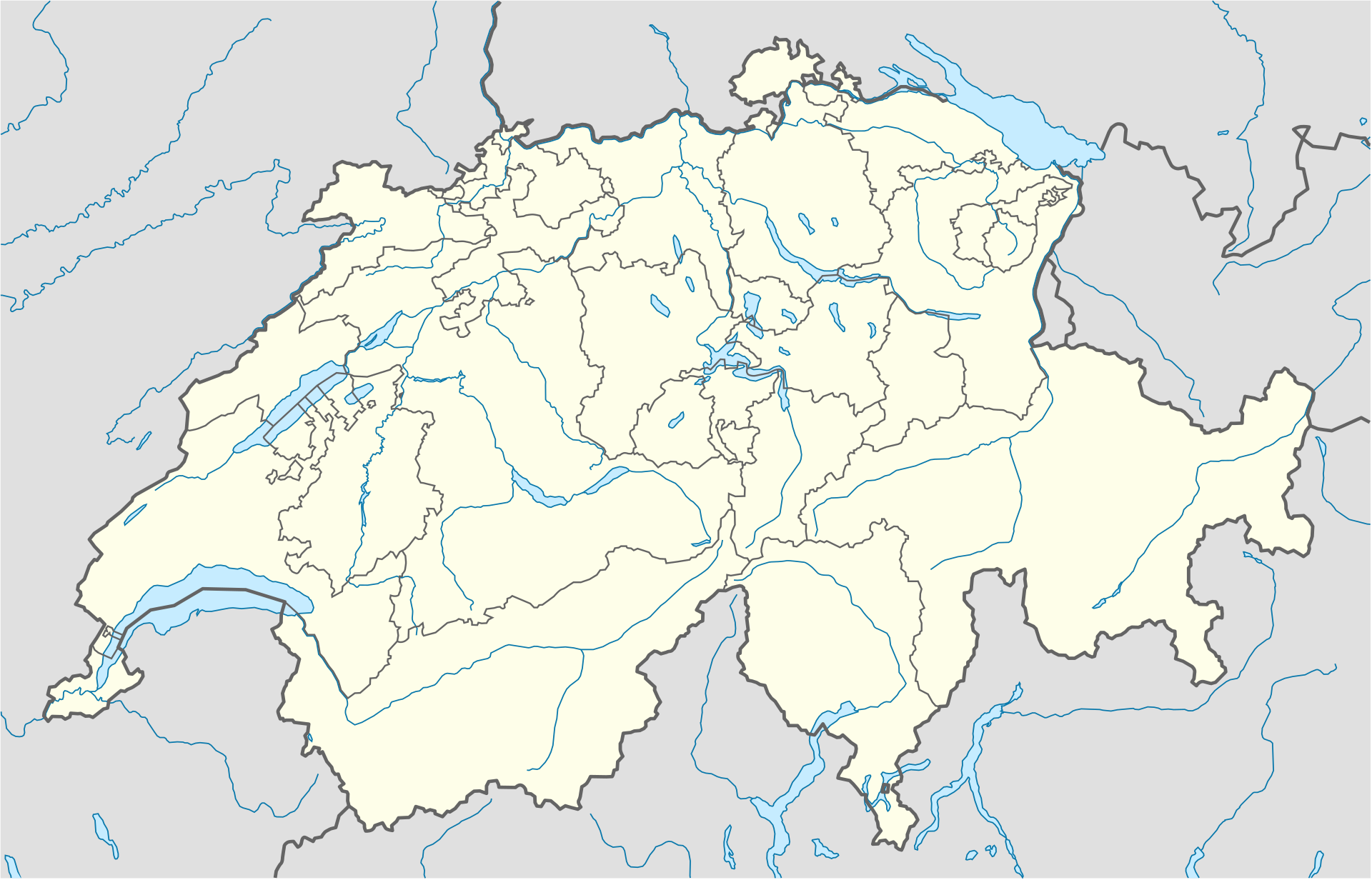
- Location: Bodio, Ticino, Switzerland
- Coordinates: 46.361721 N, 8.923892 E
- Height: 32 m
- Altitude: Not publicly documented (the surrounding valley sits at roughly 500 m above sea level)
The Diga della Val d'Ambra is a concrete gravity dam that regulates the flow of the Ambra River (a tributary of the Ticino River). Though modest in scale compared to the massive Alpine hydro‑power projects, it plays a vital role in local water management, flood control, and supports small‑scale hydroelectric generation for nearby communities.
History & Significance
Historical records about the dam’s construction are sparse, but its presence is well‑established in regional maps and the Italian‑language Wikipedia entry for the structure. Over the decades, the dam has become a quiet landmark that reflects Ticino’s long‑standing relationship with water—an essential resource for agriculture, industry, and tourism in this southern Swiss canton.
For travelers, the dam offers more than a functional view; it provides a window into the engineering practices that have helped shape the Alpine valleys. Its concrete façade, set against a backdrop of lush forest and rugged peaks, makes for striking photographs, especially when the early morning mist rolls over the water reservoir.
How to Get There
By Air
The nearest major airports are Zurich Airport (ZRH) and Milan Malpensa (MXP). From either hub, you can rent a car or take a train to Bodio (approximately 2–2.5 hours by train from Zurich, 1.5 hours from Milan).
By Train
Switzerland’s rail network makes Bodio easily reachable:
- Zurich → Bellinzona → Bodio (via the Gotthard line).
- Milan → Lugano → Bellinzona → Bodio (cross‑border service).
The Bodio train station sits in the valley floor, just a short walk from the main road that leads to the dam.
By Car
If you prefer driving, follow the A2 motorway (the Gotthard route) toward Bellinzona. Take the exit for Bodio and continue on Strada Statale 2 (the local road that runs alongside the Ticino River). After passing the town center, look for signs pointing toward Val d'Ambra and the dam. There is a small parking area near the reservoir—just enough for a few cars, so arriving early during peak season is advisable.
Public Transport & Walking
From Bodio station, local bus line 151 (operated by Autopostale) runs a few times a day toward the Val d'Ambra area. The stop is within a 5‑minute walk of the dam’s entrance. If you enjoy hiking, the trail from Bodio to the dam is well‑marked and takes about 30 minutes on a gentle ascent.
Best Time to Visit
| Season | Highlights | Why Visit |
|---|---|---|
| Spring (April–June) | Snow melt feeds the reservoir, creating vibrant turquoise waters. Wildflowers begin to bloom along the valley floor. | Ideal for photography and mild temperatures (10–18 °C). |
| Summer (July–August) | Long daylight hours, warm weather (20–25 °C). Perfect for picnics by the water’s edge. | Great for combining a dam visit with nearby waterfall and fountain excursions. |
| Autumn (September–October) | Golden foliage frames the dam, and the river flow slows, revealing more of the concrete structure. | Best for serene landscapes and fewer crowds. |
| Winter (November–March) | The dam can be dusted with snow, offering a dramatic contrast between white peaks and dark concrete. | For adventurous travelers comfortable with cold (often below 0 °C) and limited daylight. |
Tip: The most visitor‑friendly months are June through September, when weather is stable, and the surrounding attractions (waterfall, fountain, weirs) are easily accessible.
What to Expect
The Dam Experience
Upon arrival, you’ll be greeted by the dam’s solid concrete wall stretching across the narrow valley. The reservoir behind it reflects the surrounding mountains, creating a mirror‑like surface that changes color with the sky. While there is no official visitor center, informative plaques near the parking area explain the dam’s purpose and basic engineering concepts.
Photography: Early morning or late afternoon light casts long shadows and highlights the texture of the concrete. A wide‑angle lens captures the full sweep of the reservoir, while a telephoto can isolate the spillway’s gentle cascade.
The Surrounding Landscape
The Val d'Ambra is a lush, forested corridor that offers gentle walking paths along the riverbank. You’ll hear the soft rush of water, spot occasional alpine fauna (e.g., chamois, marmots), and enjoy fresh mountain air. Benches placed near the dam invite you to sit, relax, and soak in the tranquil atmosphere—perfect for a picnic or a quiet reading spot.
Accessibility
The site is wheelchair‑friendly up to the parking lot and the immediate viewing platform. However, the paths beyond the dam become uneven and may be challenging for those with limited mobility. Proper hiking shoes are recommended for exploring the nearby attractions.
Nearby Attractions
A short stroll from the dam reveals several natural gems that complement your visit:
| Attraction | Distance from Dam | What to See | Link |
|---|---|---|---|
| Waterfall | 1.3 km | A cascading waterfall that tumbles over limestone cliffs, especially lively in spring. | Waterfall Info |
| Fountain | 1.5 km | A historic stone fountain feeding a small pool—great for a quick photo stop. | Fountain Details |
| Weir #1 | 1.9 km | Small hydraulic weir used for local water regulation; offers a glimpse of traditional engineering. | Weir #1 |
| Weir #2 | 2.0 km | Similar to the first, situated near a scenic meadow perfect for a short rest. | Weir #2 |
| Weir #3 | 2.1 km | The third weir in the cluster, surrounded by alpine flora; ideal for nature lovers. | Weir #3 |
These attractions are all reachable on foot or by a short bike ride, making them perfect for a half‑day itinerary after exploring the dam itself.
Additional Nearby Highlights (if you have extra time):
- Bodio Old Town: Charming streets, local cafés, and the historic Church of San Lorenzo.
- Ticino River Trail: A longer hiking route that follows the river downstream toward Bellinzona.
Travel Tips
- Check Weather Forecasts – Mountain weather can change quickly. Pack a waterproof jacket and layers, especially in spring and autumn.
- Arrive Early – Parking is limited, and the site becomes busier on weekends during summer. Early morning visits guarantee a spot and the best light for photos.
- Bring Snacks & Water – While there’s a small kiosk in Bodio, the immediate area around the dam has no food services. A picnic by the reservoir is a delightful option.
- Respect the Environment – Stay on marked trails, carry out any litter, and avoid feeding wildlife. The valley’s ecosystem is fragile and protected.
- Use Public Transport When Possible – The Autopostale bus reduces traffic and gives you a chance to sit back and enjoy the scenery.
- Photography Gear – A polarizing filter helps reduce glare on the water surface, and a tripod is useful for low‑light shots during sunrise or sunset.
- Safety First – The reservoir’s edge can be slippery; keep a safe distance from the spillway, especially when water flow is high.
Final Thoughts
The Diga della Val d'Ambra may not be a headline attraction, but it embodies the quiet strength and natural beauty that define Ticino’s Alpine valleys. Whether you’re a photography enthusiast, a curious traveler, or simply someone looking for a peaceful spot away from the crowds, this dam offers a unique blend of engineering history and scenic wonder. Pair your visit with the nearby waterfall, fountain, and weirs, and you’ll experience a compact yet richly rewarding slice of Swiss nature.
Pack your camera, lace up your hiking boots, and head to Bodio—Switzerland’s hidden dam awaits!
Keywords: Diga della Val d'Ambra, dam in Ticino, Bodio Switzerland, Ticino attractions, Swiss dam travel, Val d'Ambra reservoir, waterfall near Diga della Val d'Ambra, Swiss Alpine travel, off‑the‑beaten‑path Switzerland.