Diga del Lucendro – A Hidden Engineering Gem in the Heart of Ticino, Switzerland
Discover the striking 73‑metre concrete dam that guards the Alpine waters of Airolo, and learn how to make the most of this off‑the‑beaten‑path destination.
Introduction
If you think the Swiss Alps are only about snow‑capped peaks, pristine lakes, and charming chalets, think again. Nestled at the gateway of the Gotthard Pass, Diga del Lucendro stands as a silent sentinel over the Ticino landscape—an impressive concrete dam that blends engineering prowess with breathtaking Alpine scenery. Whether you’re a road‑trip enthusiast, a hydropower aficionado, or simply a traveler hunting for unique photo‑ops, the dam offers a compelling slice of Swiss ingenuity that many visitors overlook.
About Diga del Lucendro
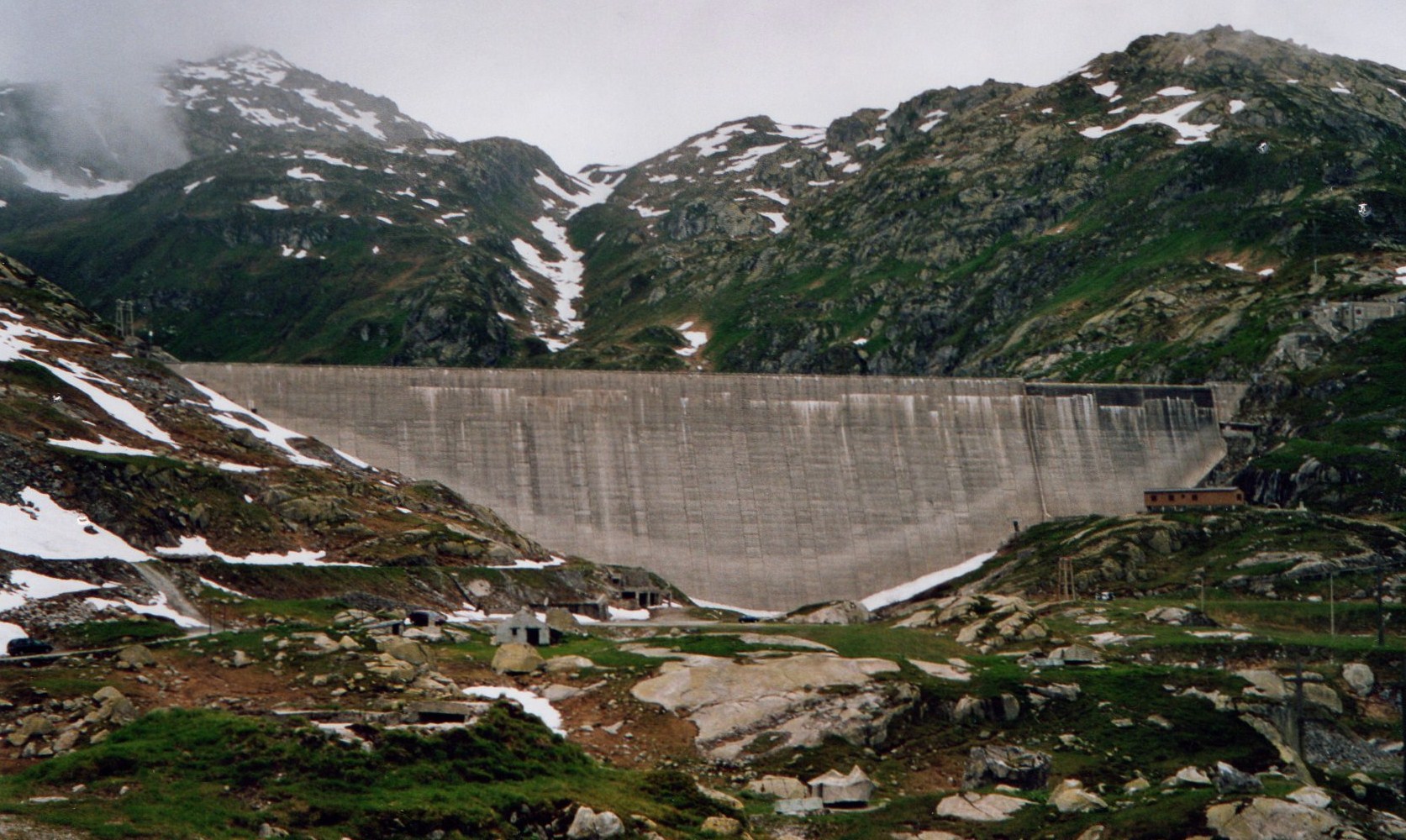
Diga del Lucendro (Italian for “Lucendro Dam”) is a 73‑metre‑tall dam located in the municipality of Airolo, in the canton of Ticino. Positioned at latitude 46.563359 and longitude 8.549800, the structure harnesses the waters of the Lepontine Alps to feed the regional hydroelectric network.
History & Significance
While the exact construction date isn’t widely publicised, the dam forms part of Switzerland’s extensive portfolio of Alpine hydro‑power facilities that were largely developed during the 20th century to meet the country’s growing energy demands. Its concrete gravity design reflects the engineering trends of the era—robust, low‑maintenance, and capable of withstanding the fierce Alpine weather.
Beyond its functional role, Diga del Lucendro has become a landmark for outdoor enthusiasts. The dam’s reservoir, framed by rugged cliffs and alpine meadows, offers a tranquil setting for photography, bird‑watching, and quiet contemplation. Its proximity to the historic Gotthard Pass—the ancient north‑south crossing that shaped European trade—adds a layer of cultural resonance to the visit.
For a deeper dive into the dam’s technical details, the Italian‑language Wikipedia entry provides a concise overview: Diga del Lucendro – Wikipedia (it).
How to Get There
By Train
The Swiss Federal Railways (SBB) runs frequent services to Airolo railway station, the last stop before the Gotthard Base Tunnel on the Gotthard line. From Zurich, Basel, or Lugano, you can catch direct InterCity or regional trains that arrive in roughly 2–2.5 hours.
- From Zurich: InterCity (IC) to Airolo – approx. 2 h 15 m
- From Lugano: Regional train (RE) to Airolo – approx. 1 h 45 m
The station sits just a few minutes’ walk from the main road (A2) that leads to the dam.
By Car
If you prefer the freedom of a road trip, the A2 motorway (the modern Gotthard route) takes you straight to Airolo. From the A2 exit “Airolo”, follow the signs for “Diga del Lucendro / Passo del Gotthard”. The dam is about 5 km from the town centre, and the drive offers panoramic views of the surrounding valleys.
- Parking: A small, free parking lot is located near the dam’s visitor viewpoint. Spaces fill up quickly in summer, so arrive early.
By Bus
The local bus line PostBus 211 connects Airolo with nearby villages such as Quinto and Giornico. The bus stops within walking distance of the dam’s trailhead, making it a convenient option for those without a car.
Practical Tips
| Mode | Approx. Travel Time | Cost (CHF) | Best For |
|---|---|---|---|
| Train | 2–2.5 h | 30–55 | Eco‑travel, scenic ride |
| Car | 1 h (from Lugano) | Fuel + tolls | Flexibility, luggage |
| Bus | 2 h (including transfers) | 20–35 | Budget travelers |
Best Time to Visit
| Season | Highlights | Considerations |
|---|---|---|
| Late Spring (May–June) | Snow melt fills the reservoir, wildflowers bloom in the surrounding meadows, fewer crowds. | Trail may be muddy; bring waterproof shoes. |
| Summer (July–August) | Warm weather, clear skies, perfect for photography and picnics. | Peak tourist period; parking fills fast. |
| Early Autumn (September–October) | Golden foliage paints the Alps, cooler temperatures, ideal for hiking. | Shorter daylight hours; check weather forecasts. |
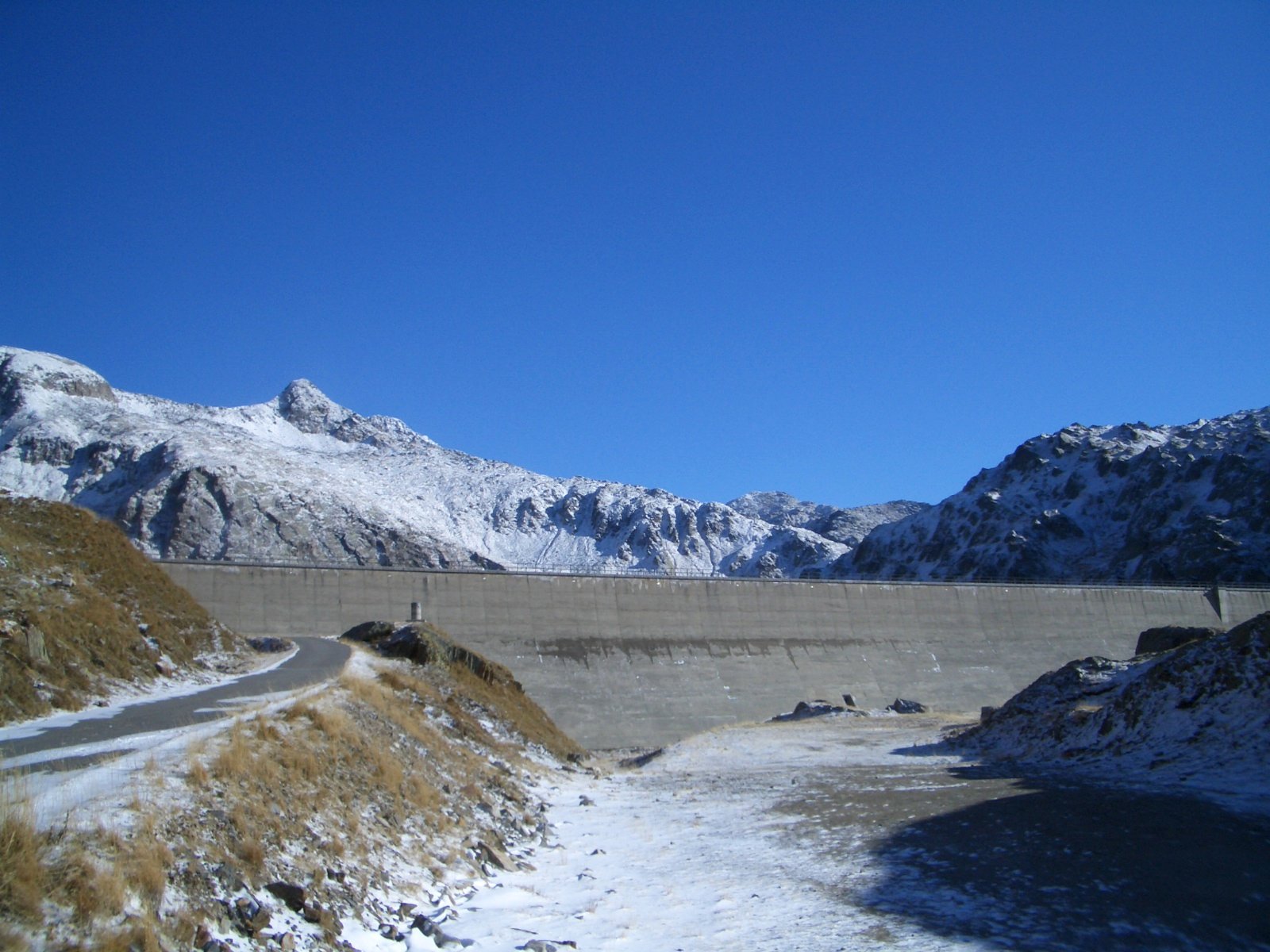
| Winter (December–February) | Snow‑covered dam creates a magical, almost surreal scene; great for winter photography. | Access may be limited; roads can be icy—ensure your vehicle is equipped with winter tires. |
Overall, late spring to early autumn offers the most reliable conditions for exploring the dam and its surroundings, while winter provides a quieter, ethereal experience for the intrepid traveler.
What to Expect
The Visual Experience
Approaching Diga del Lucendro, the first thing that strikes you is the massive concrete wall rising 73 metres above the valley floor—an imposing yet elegant silhouette against the Alpine sky. The dam’s curved upstream face reflects the turquoise waters of its reservoir, creating a mirror‑like effect that changes with the light.
From the designated viewpoint platform, you’ll enjoy a panoramic vista that includes:
- The Lepontine Alps stretching beyond the horizon.
- The Lago di Lucendro (the reservoir) shimmering under the sun.
- The historic Gotthard Pass road winding its way through the mountains.
Activities
- Photography: The dam’s geometric lines juxtaposed with natural textures make for striking compositions. Sunrise and sunset are particularly dramatic.
- Short Hikes: A network of well‑marked trails loops around the reservoir, offering easy to moderate walks (2–4 km). Look for signage indicating “Sentiero Diga del Lucendro.”
- Picnic: Bring a packed lunch and enjoy it on the grassy knoll near the viewpoint. There are waste bins to keep the area clean.
- Educational Spot: If you’re curious about hydroelectric power, the dam’s information board explains the basics of water flow, turbine operation, and energy generation.
Facilities
- Restrooms: Basic facilities are available near the parking lot.
- Information Board: Multilingual (Italian, German, English) panels provide historical and technical context.
- Accessibility: The main viewpoint is wheelchair‑friendly, though some of the surrounding trails are uneven.
Nearby Attractions
While Diga del Lucendro is the star of the show, the surrounding area offers several nearby points of interest that can easily be added to your itinerary. All distances are measured from the dam’s centre point.
| Attraction | Type | Distance | Quick Link |
|---|---|---|---|
| Weir #1 | Weir | 0.7 km | Weir (Wikipedia) |
| Weir #2 | Weir | 1.0 km | Weir (Wikipedia) |
| Dam #1 | Dam | 2.1 km | Dam (Wikipedia) |
| Weir #3 | Weir | 3.1 km | Weir (Wikipedia) |
| Spring (Uri) | Natural spring | 3.3 km | Spring (Wikipedia) |
These attractions are modest structures that showcase the region’s extensive water‑management system. They’re perfect for a short walk or a quick photo stop between longer hikes.
Travel Tips
- Check Road Conditions – The A2 can be subject to snow chains or temporary closures during winter. The Swiss traffic website (TCS) provides real‑time updates.
- Dress in Layers – Alpine weather shifts quickly. Even in summer, mornings can be chilly.
- Bring a Reusable Water Bottle – Tap water is safe, and staying hydrated is essential for high‑altitude walks.
- Respect the Environment – The dam area is part of a protected water catchment. Stick to marked trails and avoid littering.
- Photography Gear – A wide‑angle lens captures the dam’s scale, while a polarizing filter reduces glare on the water.
- Timing Your Visit – Arrive early (before 9 am) in peak season to secure parking and enjoy the site in softer morning light.
- Public Transport Pass – If you’re traveling by train or bus, consider a Swiss Travel Pass for unlimited journeys on the SBB network.
- Local Cuisine – After your visit, stop in Airolo for a taste of Ticinese polenta or Luganighe (local sausage) at a traditional “ristorante.”
Final Thought
Diga del Lucendro may not have the fame of the Matterhorn or the glamour of Lake Geneva, but it offers a unique blend of engineering marvel, natural beauty, and Alpine serenity that makes it a must‑see for the curious traveler. Pair it with a scenic drive through the Gotthard Pass, a bite of Ticino’s hearty cuisine, and you’ve got a Swiss adventure that’s both off‑the‑beaten‑path and unforgettable.
Pack your camera, lace up your boots, and head to Airolo—the dam is waiting.