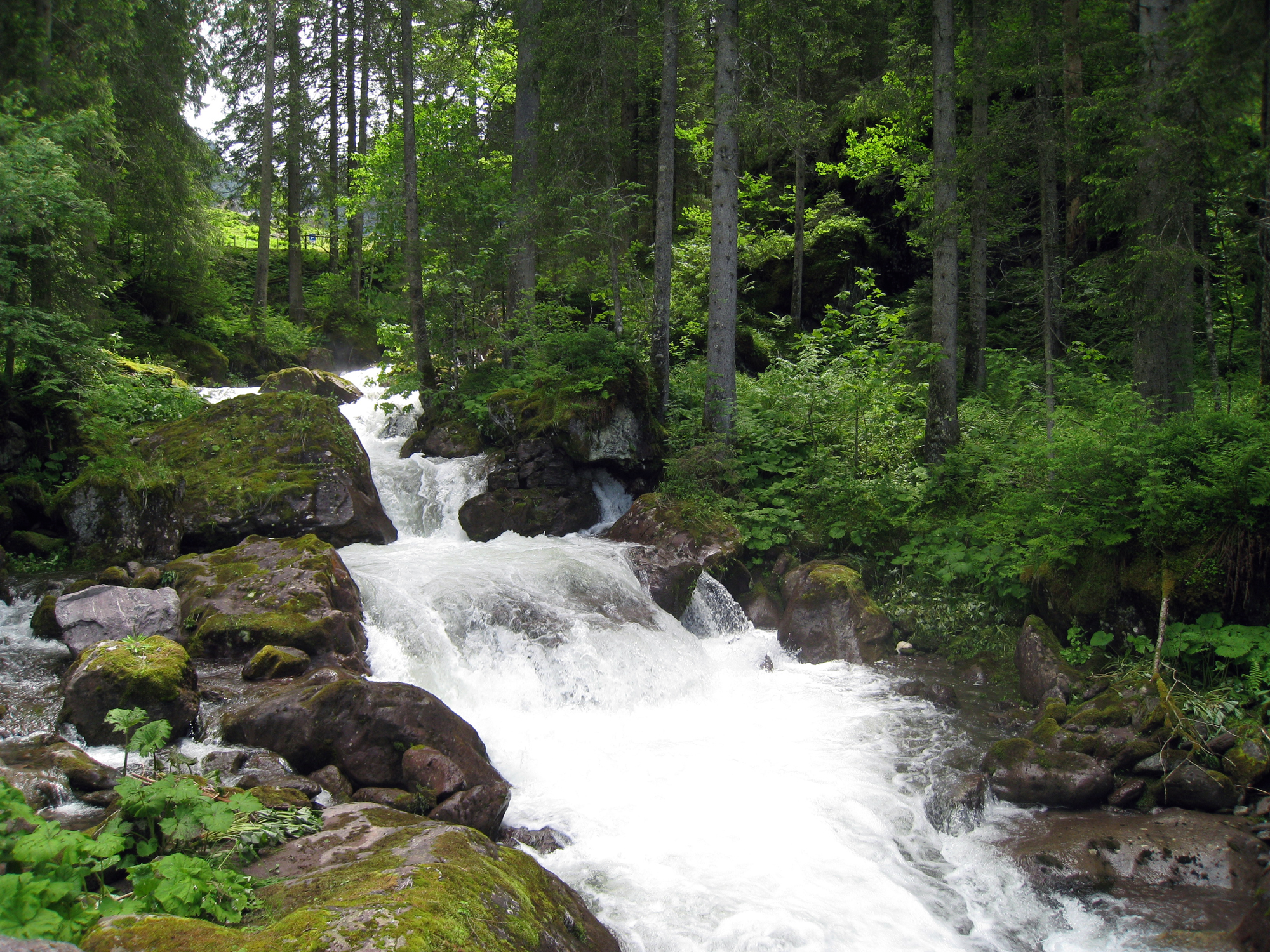
Gsponbachfall – Switzerland’s Hidden 75‑Metre Waterfall in Quarten, St. Gallen
Discover the roar, the mist, and the serenity of Gsponbachfall, a spectacular waterfall tucked away in the heart of the Swiss Alps.
1. Introduction
If you’re hunting for a waterfall that feels both epic and intimate, look no further than Gsponbachfall. Dropping a dramatic 75 m into the emerald‑green Murgbach gorge, this natural masterpiece is a photographer’s dream, a hiker’s reward, and a perfect spot for anyone craving a slice of alpine wilderness. Nestled in the charming municipality of Quarten in the canton of St. Gallen, Gsponbachfall is often overlooked by the usual tourist crowds—making it an ideal destination for travelers who love to get off the beaten path.
2. About Gsponbachfall
What Is Gsponbachfall?
- Type: Waterfall 🌊
- Location: Quarten, St. Gallen, Switzerland
- Coordinates: 47.072043 N, 9.191301 E (click to view on Google Maps)
- Height: 75 m (≈ 246 ft)
The waterfall is part of the Murgbach stream that feeds the Walensee (Lake Walen). While the German‑language Wikipedia entry for the river is titled Murgbach (Walensee), the cascade itself is locally known as Gsponbachfall. Its name likely derives from the old Swiss German word gspon (meaning “splashed” or “sprayed”), a fitting description for the mist that constantly envelopes the lower basin.
A Brief History
Historical records of Gsponbachfall are sparse, but the waterfall has long been a landmark for the surrounding alpine communities. In the 19th century, travelers on the Walensee mentioned the roaring cascade as a natural “gateway” to the rugged interior of the Glarus Alps. Over time, the area has remained relatively untouched, preserving its pristine character and making it a favorite among local hikers and nature lovers.
Why It Matters
- Scenic Value: The 75 m drop creates a powerful curtain of water that shimmers against the surrounding limestone cliffs.
- Ecological Role: The mist zone supports a micro‑habitat for mosses, lichens, and alpine insects, contributing to the region’s biodiversity.
- Cultural Touchstone: For residents of Quarten and neighboring villages, Gsponbachfall is a symbol of the raw power and beauty of the Swiss landscape.
3. How to Get There
By Public Transport
- Train to Quarten – The Swiss Federal Railways (SBB) runs regular services from Zürich Hauptbahnhof to Quarten (approx. 1 h 30 min).
- Bus or Taxi – From Quarten station, catch the local PostBus (line 844) toward Murgbach or hire a short‑distance taxi. The stop closest to the trailhead is usually labeled “Murgbach” or “Walensee”.
By Car
- Driving Route: From Zürich, follow the A3 and A13 highways toward Sargans, then continue on the A3 to Walenstadt. From there, take the Walensee road (Route 13) eastward, following signs for Quarten and then Murgbach.
- Parking: A small public parking area exists near the trailhead (often shared with the nearby weir). Parking is free but limited, especially in summer, so arrive early.
On Foot
The most rewarding way to experience Gsponbachfall is on foot. The Murgbach Trail (marked with the standard Swiss yellow‑white sign) follows the river from the lake up to the waterfall. The hike from the parking lot to the viewing platform is roughly 1.5 km (moderate ascent) and takes about 30‑45 minutes. Well‑maintained wooden walkways and safety railings make the route accessible for most hikers with a reasonable level of fitness.
4. Best Time to Visit
| Season | What to Expect | Why It’s Ideal |
|---|---|---|
| Spring (April‑June) | Snowmelt swells the Murgbach, creating a thunderous flow. Wildflowers begin to carpet the valley. | Highest water volume; vibrant colors. |
| Summer (July‑August) | Warm days, longer daylight, and clear skies. Mist from the falls creates rainbows. | Perfect for photography and comfortable hiking. |
| Autumn (September‑October) | Golden foliage frames the cascade; water levels moderate. | Scenic contrast and fewer crowds. |
| Winter (November‑March) | The waterfall may partially freeze, producing icy sculptures. Trail can be icy; proper gear required. | For adventurous souls seeking a frosty wonderland. |
Top Recommendation: Late May to early September offers the best combination of water flow, weather stability, and trail conditions.
5. What to Expect
The Senses
- Sound: A constant, deep roar that can be heard from the parking area, growing louder as you approach the base.
- Sight: A sheer 75 m curtain of water plunging into a turquoise pool, framed by rugged cliffs and alpine vegetation. On sunny days, the mist creates ethereal rainbows.
- Touch: The air is cool and humid; a gentle spray often reaches the viewing platform, refreshing hikers on warm days.
Trail Experience
The path to Gsponbachfall is a well‑signposted forest trail that winds alongside the Murgbach. Expect a mix of compacted earth, occasional boardwalk sections, and gentle inclines. Along the way, you’ll pass small tributary streams, stone bridges, and informative panels about the local geology and flora.
Facilities
- Viewing Platform: A sturdy wooden deck offers a safe spot to admire the fall from a distance of about 15 m.
- Restrooms: Minimal facilities are available near the parking lot (seasonal).
- Picnic Area: A few benches and a shaded spot near the trailhead make for a pleasant lunch break.
6. Nearby Attractions
While Gsponbachfall is the star, the surrounding area offers several complementary natural sites—perfect for a full‑day adventure.
| Attraction | Distance | Type | Quick Link |
|---|---|---|---|
| Local Weir | 0.6 km | Weir | Weir (Map) |
| Unnamed Waterfall | 1.0 km | Waterfall | Waterfall (Map) |
| Schwefelquelle | 2.6 km | Spring (Mineral) | Schwefelquelle (Map) |
| Another Waterfall | 4.1 km | Waterfall | Waterfall (Map) |
| Murgbachfall | 4.2 km | Waterfall (Glarus) | Murgbachfall (Map) |
Tip: Combine Gsponbachfall with a short hike to the Schwefelquelle spring—its sulfuric scent and mineral-rich pools add a unique contrast to the fresh alpine atmosphere.
7. Travel Tips
| Tip | Details |
|---|---|
| Wear sturdy hiking shoes | Even though the trail is moderate, sections can be slippery after rain. |
| Pack a rain jacket | The waterfall’s spray can make the path damp, especially in summer. |
| Bring a reusable water bottle | There are no refill stations on the trail. |
| Check the weather | Alpine weather changes quickly; a quick glance at MeteoSwiss can prevent surprises. |
| Respect nature | Stay on marked paths, avoid climbing the rocks, and carry out any trash. |
| Photography gear | A polarizing filter helps reduce glare on the water; a tripod is useful for low‑light shots of the cascade at dusk. |
| Timing | Arrive early (before 9 am) in peak summer months to avoid the small crowd that gathers near the viewing platform. |
| Local cuisine | After your hike, stop in Quarten’s village center for a hearty Rösti or Alpine cheese fondue—perfect for recharging. |
Bottom Line
Gsponbachfall may not appear on every “Top 10 Swiss Waterfalls” list, but that’s precisely why it feels like a secret treasure. With its impressive 75 m drop, easy access from Quarten, and a handful of nearby natural gems, it offers a compact yet unforgettable alpine experience. Whether you’re a seasoned hiker, a photography enthusiast, or simply a traveler yearning for the raw beauty of Switzerland’s mountains, Gsponbachfall deserves a spot on your itinerary.
Ready to chase the mist? Pack your boots, follow the Murgbach, and let the roar of Gsponbachfall guide you into the heart of the Swiss Alps.