Diga di Orden – A Hidden Alpine Gem in Grisons, Switzerland
Your ultimate travel guide to the striking dam of Silvaplana, the surrounding Alpine scenery, and the best ways to explore this off‑the‑beaten‑path destination.
1. Introduction
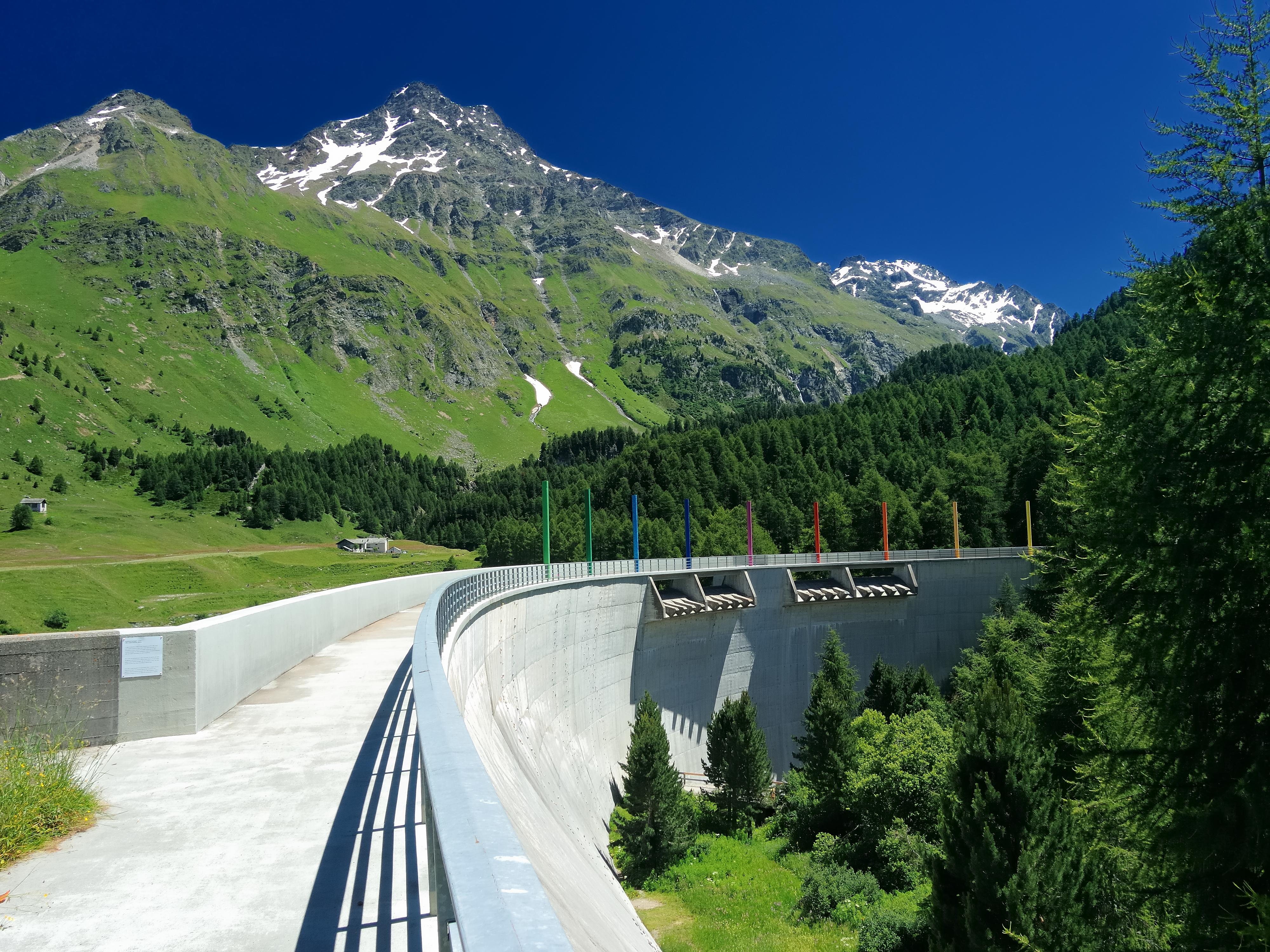
Imagine standing on a sturdy concrete wall that stretches 42 metres high, set against the dramatic backdrop of the Swiss Alps. The water below glistens like a mirror, while the crisp mountain air fills your lungs. This is Diga di Orden, a modest‑sized dam tucked away in the picturesque valley of Silvaplana, in the canton of Grisons (Graubünden).
Few travelers know about this engineering marvel, yet it offers a perfect blend of industrial heritage, natural beauty, and tranquil outdoor experiences. Whether you’re a photography enthusiast, a hiking aficionado, or simply looking for a quiet spot to soak up the Alpine atmosphere, Diga di Orden deserves a place on your Swiss itinerary.
2. About Diga di Orden
What Is Diga di Orden?
- Type: Dam 🏗️
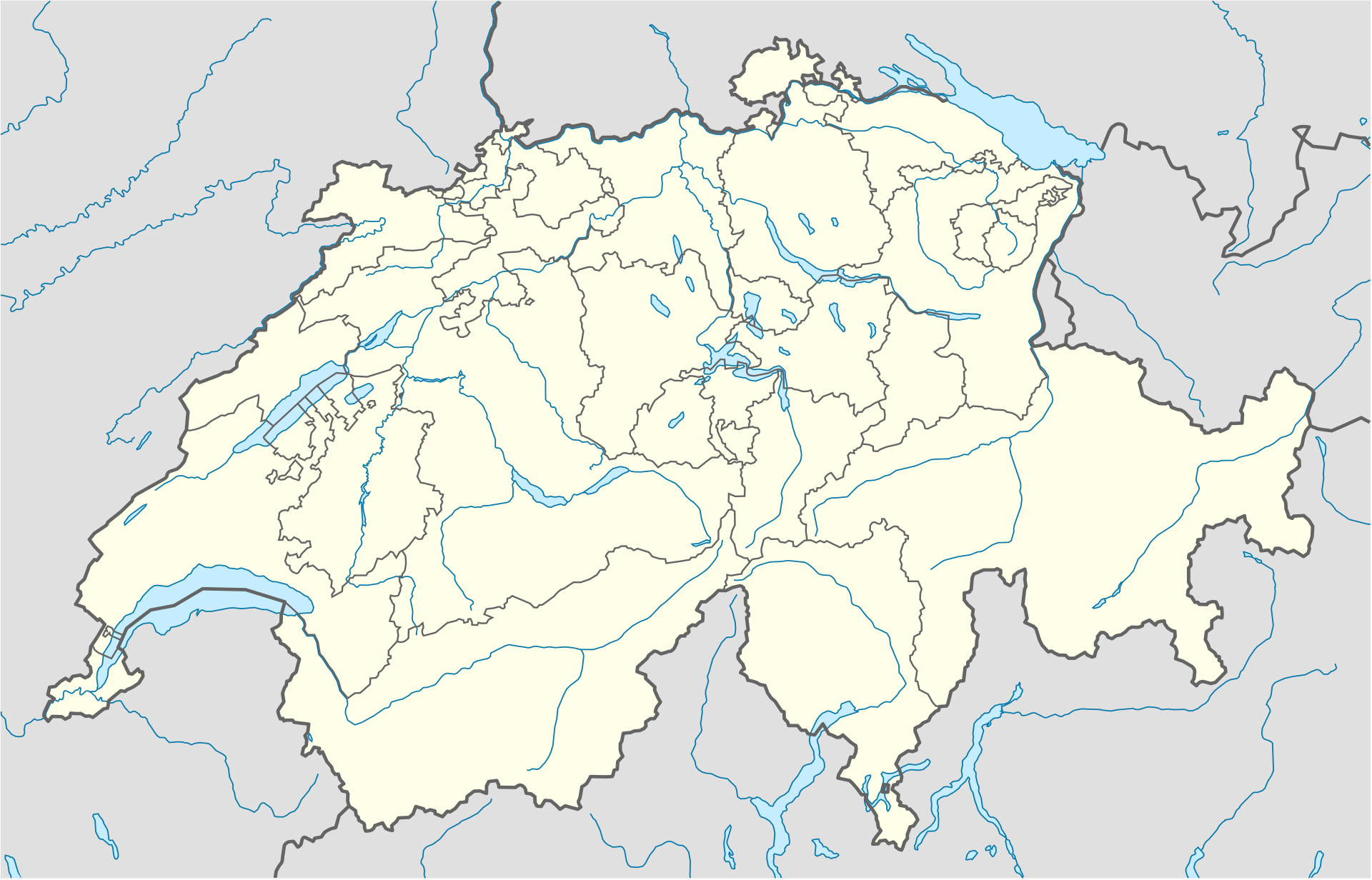
- Location: Silvaplana, Grisons, Switzerland
- Coordinates: 46.392077 N, 9.692767 E
- Height: 42 m
The dam is part of the intricate water‑management network that sustains the Engadin region. Though modest in size compared with the massive hydro‑electric installations of the Alps, Diga di Orden plays a vital role in regulating water flow for downstream communities and preserving the delicate alpine ecosystem.
A Brief History
The exact construction date of Diga di Orden is not widely publicised, but the structure reflects the post‑World‑War era of Swiss engineering, when many Alpine dams were built to harness water resources for agriculture, flood control, and modest power generation. Its solid concrete design has withstood decades of harsh mountain weather, making it a reliable landmark for locals and visitors alike.
Why It Matters
- Environmental stewardship: By moderating river levels, the dam helps protect the surrounding flora and fauna, especially during spring melt.
- Cultural significance: The dam is a tangible reminder of the region’s long‑standing relationship with water—an element that has shaped the lifestyle, architecture, and economy of Grisons for centuries.
- Scenic value: Its elevated position offers unobstructed views of the Engadin valley, the Silvaplana lake, and the towering peaks that frame the landscape.
For more detailed background, check the Italian‑language Wikipedia entry: Diga di Orden (it.wikipedia.org).
3. How to Get There
By Air
The nearest international gateway is Zurich Airport (ZRH), about 150 km north of Silvaplana. From Zurich, you can rent a car or hop on a train to the Engadin region.
By Train
Swiss Federal Railways (SBB) runs frequent services from Zurich to St. Moritz, a major hub in the Upper Engadin. From St. Moritz, switch to the Rhaetian Railway (RhB) and alight at Silvaplana station (approximately 15 minutes). The train ride itself is a scenic highlight, winding through valleys, forests, and over historic bridges.
By Car
Driving gives you the most flexibility for exploring the dam and nearby attractions. From Zurich, follow the A3 and A13 highways toward the Engadin, then take the Julier Pass (Julierpass) road to Silvaplana. Parking is available near the dam’s access road—look for small, free parking lots marked with “P” signs.
By Bike or Hike
If you’re an avid cyclist or long‑distance hiker, the Engadin Trail (Engadiner Höhenweg) passes close to Diga di Orden. The route is well‑marked, with gentle gradients suitable for mountain bikes. Expect a few steep sections if you decide to tackle the ascent to the dam’s crest.
Pro tip: Bring a printed or offline map of the area, as mobile signal can be spotty near the dam.
4. Best Time to Visit
| Season | What to Expect | Why It’s Ideal |
|---|---|---|
| Spring (April‑June) | Snow melt swells the river, creating dramatic water flow. Wildflowers begin to bloom along the banks. | Perfect for photography and witnessing the dam’s functional role in flood control. |
| Summer (July‑August) | Warm, sunny days with temperatures ranging from 20‑25 °C (68‑77 °F). | Ideal for hiking, picnicking, and swimming in nearby lakes. |
| Autumn (September‑October) | Golden foliage paints the valley, and the water takes on a deep turquoise hue. | Quiet crowds and spectacular sunrise/sunset colors. |
| Winter (November‑March) | Snow‑covered landscape, occasional ice formations on the reservoir. | A magical, less‑visited scene for winter walkers and photographers (check road conditions). |
Overall recommendation: Late spring to early autumn offers the most comfortable weather and the fullest range of outdoor activities.
5. What to Expect
The Dam Experience
Approaching Diga di Orden, you’ll first notice the sleek concrete wall rising 42 m above the riverbed. A short, well‑maintained trail leads you to a viewing platform where you can safely admire the spillway and the controlled cascade of water. The sound of rushing water is both soothing and invigorating—a reminder of the raw power harnessed by this engineering work.
Scenic Views
From the platform, you can gaze northward toward the Silvaplana lake and the Alpine peaks of the Bernina Range. On clear days, the distant snow‑capped summits reflect a brilliant blue sky, creating a postcard‑worthy panorama.
Photographic Opportunities
- Golden hour: Capture the dam’s silhouette against the sunrise or sunset.
- Long exposure: Use a tripod to smooth the water flow, highlighting the contrast between the static dam and the moving water.
- Detail shots: Close‑ups of the spillway gates, concrete texture, and surrounding flora provide compelling macro images.
Quiet Reflection
Unlike the bustling tourist hotspots of St. Moritz, Diga di Orden offers a peaceful setting. You’ll often find families picnicking, hikers taking a breather, or locals strolling with their dogs. It’s a perfect spot for a reflective pause during a longer Alpine trek.
6. Nearby Attractions
While Diga di Orden is the star of the show, the surrounding area boasts several natural gems worth adding to your itinerary:
| Attraction | Distance | Type | Quick Info |
|---|---|---|---|
| Innfall | 1.9 km | Waterfall | A picturesque cascade tucked in a forested gorge. Ideal for a short hike and a cooling mist on hot days. |
| Innquelle | 3.3 km | Spring | A crystal‑clear mountain spring that feeds the local streams. Great for a tranquil stop and a photo of bubbling water. |
Explore More: For detailed directions, simply search the attraction names on Google Maps or the official tourism site of Graubünden.
7. Travel Tips
- Dress in layers – Alpine weather can shift quickly; bring a waterproof jacket even in summer.
- Footwear matters – Sturdy hiking boots with good grip are essential for the uneven paths around the dam and waterfalls.
- Stay hydrated – Even at moderate altitude, you’ll burn more calories on hikes; carry a reusable water bottle.
- Respect the environment – The area is part of a delicate ecosystem. Stick to marked trails, avoid littering, and keep noise to a minimum.
- Check opening hours – While the dam’s viewing platform is generally open year‑round, occasional maintenance may restrict access. Look up the latest information on the Graubünden tourism website before you go.
- Photography etiquette – If you’re using a tripod, be mindful of other visitors. Choose a spot that doesn’t obstruct the pathway.
- Local cuisine – After a day of exploring, treat yourself to a hearty Rösti or Capuns at a nearby restaurant in Silvaplana. Many places serve dishes made with locally sourced cheese and herbs.
Wrap‑Up
Diga di Orden may not appear on every travel brochure, but that’s precisely what makes it a rewarding destination for curious travelers. Its combination of engineering intrigue, breathtaking Alpine scenery, and proximity to serene waterfalls and springs creates a multifaceted experience that satisfies both the mind and the soul.
Plan your trip, pack your camera, and let the gentle roar of the dam’s waters guide you into the heart of Grisons—one of Switzerland’s most authentic and unforgettable regions. Safe travels!
Keywords: Diga di Orden, dam in Switzerland, Grisons travel, Silvaplana dam, Swiss Alps attractions, Innfall waterfall, Innquelle spring, Alpine hiking, Swiss engineering, travel guide Grisons.