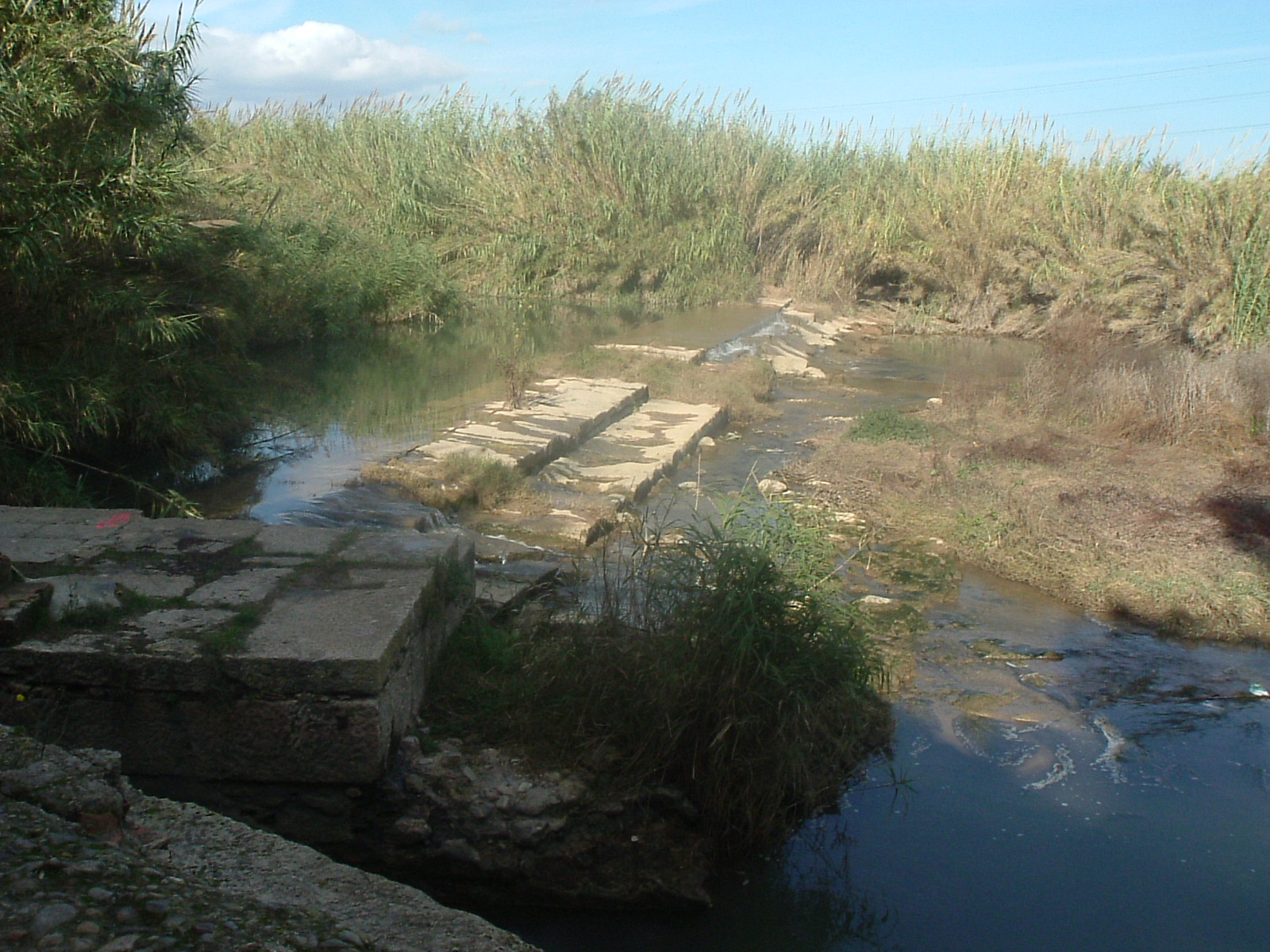
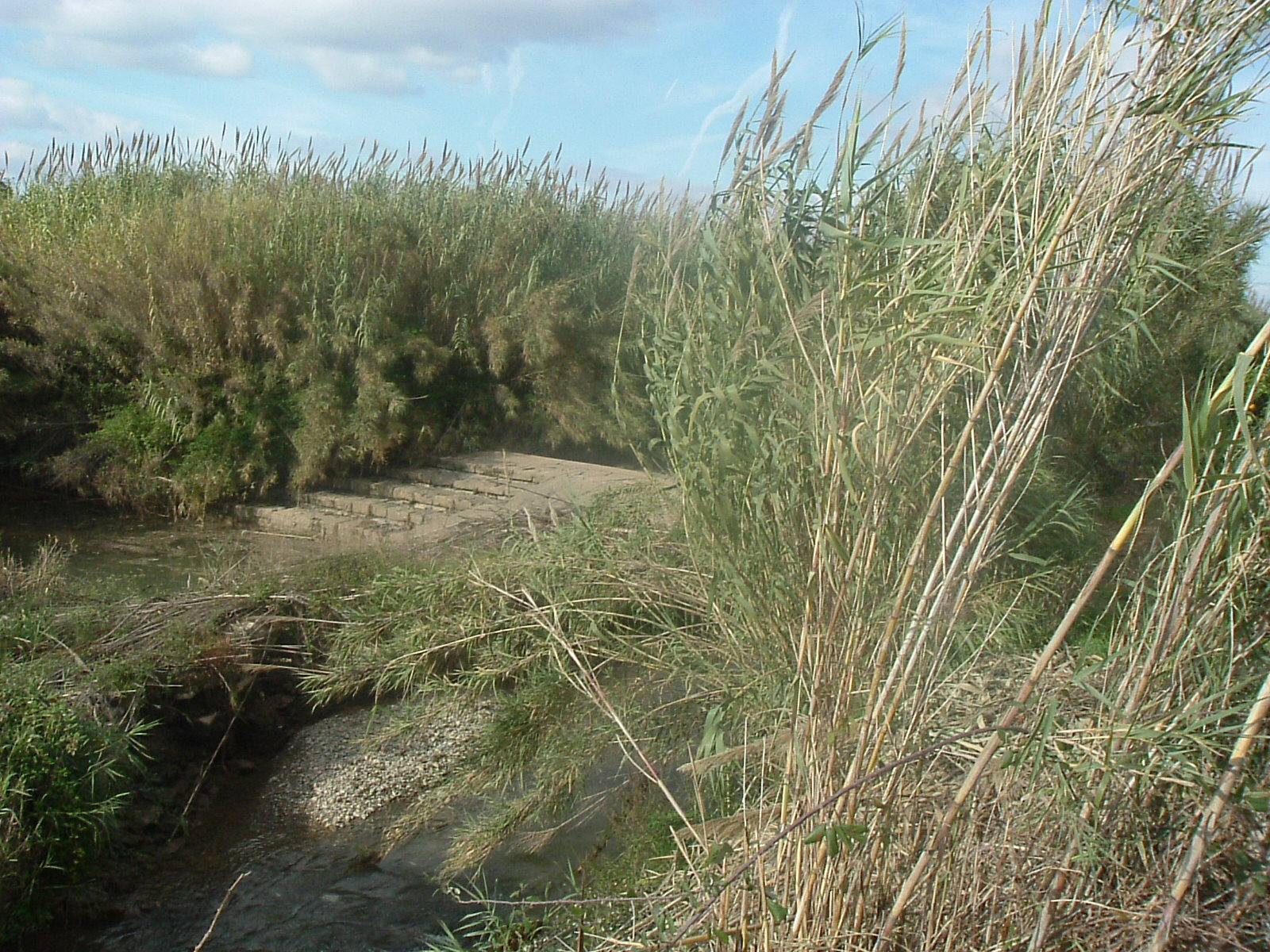
Discover the Hidden Gem of Valencia: Assut de la Séquia de Tormos
If you think Valencia is only about paella, beaches, and futuristic architecture, think again. Nestled in the quiet suburb of Manises lies a piece of engineering history that tells the story of the region’s centuries‑old relationship with water. Welcome to the Assut de la Séquia de Tormos, a modest yet fascinating weir that offers travelers a glimpse into Valencia’s agricultural past, a perfect spot for photography, and a peaceful break from the city buzz.
1. Introduction
Imagine strolling along a tranquil water channel, the gentle murmur of flowing water guiding you past a low stone structure that has stood for generations. This is the experience at the Assut de la Séquia de Tormos—a functional weir that doubles as an unexpected cultural landmark. While most visitors flock to the City of Arts and Sciences or the historic centre of Valencia, the weir in Manises invites you to explore the quieter side of the region: its irrigation heritage, rural landscapes, and the subtle beauty of engineered waterways.
Whether you’re a history buff, a photography enthusiast, or simply a curious traveler looking for off‑the‑beaten‑path experiences, this guide will show you how to make the most of your visit to this hidden Valencian treasure.
2. About Assut de la Séquia de Tormos
What is a weir?
A weir (Spanish: assut) is a low barrier built across a river or irrigation channel to raise the water level, regulate flow, and divert water for agricultural use. In the Valencian Community, weirs have been essential since the Moorish era, forming the backbone of the lliga (irrigation network) that turned the semi‑arid plains into fertile farmland.
History and significance
The Assut de la Séquia de Tormos sits on the historic Séquia de Tormos, one of the many canals that feed the Riu Turia basin. Although exact construction dates are not publicly recorded, the weir is part of a system that dates back to the 13th‑14th centuries, when Valencian farmers first harnessed the region’s water resources for rice, orange, and vegetable cultivation.
Today, the weir remains functional, helping to regulate water distribution for the surrounding agricultural plots and the urban green spaces of Manises. Its presence is a reminder of Valencia’s long‑standing ingenuity in water management—a theme that resonates throughout the city’s modern architecture and sustainability projects.
Why visit?
- Industrial heritage – The weir offers a tangible connection to the engineering feats that shaped the Valencian plain.
- Scenic tranquility – Surrounded by reeds, willow trees, and the soft hum of flowing water, it’s a perfect spot for quiet reflection.
- Photography – Early morning mist, golden hour light, and the geometric lines of the stonework provide endless creative possibilities.
3. How to Get There
| Mode of transport | Details |
|---|---|
| By car | From Valencia city centre, take the A‑7/E‑15 highway toward Manises. Exit at Manises‑Paterna (Exit 13) and follow signs to Calle del Canal. The weir is located at coordinates 39.500776, -0.464938. Parking is available on the street or in the small municipal lot near the canal. |
| Public transport | Metrovalencia Line 4 (Red) stops at Manises station. From there, a 10‑minute walk (≈800 m) north along Carrer del Canal leads directly to the weir. Buses 30 and 31 also serve the Manises centre, with a short walk to the site. |
| Bike | Valencia’s growing network of Vía Verde bike paths connects Manises to the city centre. The route is flat and well‑signposted, making a pleasant 30‑minute ride. Bring a lock for the bike rack near the entrance. |
| Walking | If you’re staying in central Manises, the weir is within a 20‑minute walk. Follow the signs for “Séquia de Tormos” and you’ll spot the water channel winding through the neighbourhood. |
Pro tip: The weir is best accessed from the north side, where a small footbridge provides safe crossing over the canal. The south side is fenced for safety, as water levels can rise quickly after heavy rain.
4. Best Time to Visit
| Season | Weather | Visitor experience |
|---|---|---|
| Spring (March‑May) | Mild temperatures (15‑22 °C), occasional rain | Lush vegetation, blooming reeds, optimal lighting for photos. |
| Summer (June‑August) | Warm to hot (25‑35 °C), low rainfall | Longer daylight hours, but water flow may be reduced; bring sun protection. |
| Autumn (September‑November) | Pleasant (18‑26 °C), occasional showers | Golden hour lighting, vibrant foliage, comfortable for walking. |
| Winter (December‑February) | Cooler (10‑16 °C), occasional frost | Quietest period, but some sections of the canal may be icy—wear sturdy shoes. |
Recommendation: Late spring (mid‑April to early May) offers the perfect blend of comfortable weather, abundant greenery, and moderate visitor numbers. Early mornings are especially magical, with mist hovering over the water and soft sunlight illuminating the stonework.
5. What to Expect
When you arrive at the Assut de la Séquia de Tormos, you’ll be greeted by a modest stone barrier spanning a narrow water channel. The weir itself is low—just enough to raise the water level for irrigation—yet its aged masonry tells a story of centuries of use.
- Atmosphere: A peaceful, almost meditative environment. The sound of water flowing over the weir creates a gentle soundtrack that drowns out city traffic.
- Scenery: The canal is lined with native vegetation—willows, reeds, and occasional poplar trees. Birdwatchers may spot kingfishers, herons, and small passerines.
- Accessibility: The footbridge on the north side provides a safe viewpoint. The path is paved but uneven in places, so comfortable walking shoes are advisable.
- Facilities: There are no formal visitor facilities (toilets, cafés) on site, preserving its natural feel. However, a small municipal kiosk a few minutes away in Manises offers refreshments.
Because the weir is part of an active irrigation system, you may see water management staff at work, especially during the irrigation season (late spring to early autumn). Respect any signage and stay clear of restricted zones.
6. Nearby Attractions
While the Assut de la Séquia de Tormos can easily fill a relaxed morning, you’ll likely want to explore more of the surrounding area. Here are five attractions within a 1.2 km radius—each offering a different slice of Valencian life:
-
Assut de la Séquia de Mislata – Another historic weir just 0.6 km away. A short walk along the canal brings you to this similarly charming structure, perfect for a comparative photo series.
- Link: Assut de la Séquia de Mislata (Wikipedia) -
Assut de la Séquia de Mestalla – Located 1.0 km from Tormos, this weir is part of the larger Mestalla irrigation network that historically supplied water to the famed Mestalla Stadium area.
- Link: Assut de la Séquia de Mestalla (Wikipedia) -
Local Fountain (Fuente de Manises) – A decorative fountain situated 1.2 km away, nestled in a small urban park. It’s a lovely spot for a quick coffee break.
- Link: Manises Fountain (Google Maps) -
Manises Ceramic Museum (Museu de la Ceràmica de Manises) – Just a short bus ride from the weir, this museum showcases the town’s centuries‑old tradition of pottery and tile making.
- Link: Museu de la Ceràmica de Manises -
Parc Central de Manises – A modern green space featuring walking trails, playgrounds, and a small lake. Ideal for families or a relaxing picnic after your weir visit.
- Link: Parc Central de Manises (TripAdvisor)
These attractions can easily be combined into a half‑day itinerary, allowing you to experience both the industrial heritage and the vibrant cultural scene of Manises.
7. Travel Tips
| Tip | Details |
|---|---|
| Check water flow | The weir’s appearance changes with the season. If you prefer a fuller channel, aim for late spring or early autumn when irrigation is active. |
| Bring a camera | Low‑angle shots of the weir against the sky, macro shots of water droplets on stone, and reflections in the canal are all rewarding. |
| Dress for comfort | Wear breathable shoes with good grip; the path can be slippery after rain. A light jacket is useful in spring and autumn. |
| Stay safe | The water can be deeper than it looks, especially after heavy rain. Keep children away from the fence‑protected south side. |
| Respect the site | This is a working piece of infrastructure. Do not climb on the weir itself and follow any posted signage. |
| Combine with local cuisine | After your visit, head to the nearby Carrer del Barri for traditional paella valenciana or a horchata at a local horchatería. |
| Parking | Street parking is free but limited. Arrive early if you’re driving, or consider the Metrovalencia option to avoid the hassle. |
| Language | Spanish and Valencian are both spoken. Most locals in Manises understand basic English, especially in tourist‑friendly spots. |
Final Thought
The Assut de la Séquia de Tormos may not have the glitz of Valencia’s futuristic museums, but it offers a genuine slice of the region’s soul—a quiet testament to centuries of water mastery, agricultural perseverance, and quiet community life. Add this modest weir to your Valencia itinerary, and you’ll discover a side of the city most travelers miss: the serene, purposeful rhythm of water shaping the landscape.
Pack your walking shoes, charge your camera, and set your GPS to 39.500776, -0.464938. The hidden heart of Manises awaits.