Assut de la Séquia de Quart‑Benàger‑Faitanar – A Hidden Water‑Way Wonder in Valencia
If you think Valencia’s charm only lives in its orange‑scented streets, bustling markets, and sun‑kissed beaches, think again. A short ride north of the city centre lies a quiet, functional masterpiece that blends engineering, history, and the gentle rhythm of water – the Assut de la Séquia de Quart‑Benàger‑Faitanar. This modest weir may not have the fame of the City of Arts and Sciences, but it offers a uniquely local glimpse into the region’s centuries‑old irrigation network and a peaceful spot for curious travelers.
1. About Assut de la Séquia de Quart‑Benàger‑Faitanar
The Assut de la Séquia de Quart‑Benàger‑Faitanar (Catalan for “weir of the Quart‑Benàger‑Faitanar canal”) is a small but vital hydraulic structure perched in the municipality of Manises, just a few kilometres west of Valencia’s historic centre.
- Type: Weir (a low dam that raises the water level of a river or canal)
- Coordinates: 39.512939 N, ‑0.501546 W
- Location: Manises, Valencia, Spain
The weir belongs to the Séquia system, an intricate network of canals that historically supplied water to the fertile plains surrounding Valencia. Built to regulate flow, the structure ensures that downstream fields receive a steady supply of irrigation water while protecting the canal from flooding during heavy rains.
A Brief History
The Séquia canals date back to the Arab period (8th‑13th centuries) when sophisticated irrigation techniques were introduced to the Valencian Community. Over the centuries, the network was expanded, modernised, and integrated into the modern water‑management framework of the region. While the exact construction date of the Quart‑Benàger‑Faitanar weir is not recorded, its design reflects the traditional stone‑and‑mortar style typical of historic Valencian hydraulic works.
Why It Matters
- Cultural heritage: The weir is a living reminder of Valencia’s agricultural roots and the engineering ingenuity that turned a semi‑arid landscape into a thriving rice‑and‑citrus belt.
- Ecological role: By moderating water levels, the weir supports local flora and fauna, creating a micro‑habitat for birds, amphibians, and aquatic insects.
- Photographic appeal: The low‑profile stonework juxtaposed against the bright Mediterranean sky makes for striking, minimalist photography.
For a deeper dive into its background, check the Catalan Wikipedia entry: Assut de la Séquia de Quart‑Benàger‑Faitanar.
2. How to Get There
By Public Transport
- Metro: Take Line 3 (Red) of the Valencia Metro to Manises station. The weir is roughly a 15‑minute walk north of the station.
- Bus: Several EMT Valencia bus lines (e.g., Line 32 or Line 33) stop at Manises – Plaza del Mercat. From there, follow the signs toward the Quart‑Benàger‑Faitanar canal.
By Car
- From Valencia City Centre:
- Head west on Avinguda del Cid (AV 30) toward Manises.
- Take exit 23 for C/ del Canal and follow local signage to the canal’s weir.
-
Parking is limited; street parking is usually available on the surrounding residential streets.
-
From Valencia Airport (VLC):
- Drive north on A-3 for about 6 km, then follow the same directions above. The journey takes roughly 15 minutes under normal traffic.
By Bike or On Foot
Valencia’s greenway network (Vías Verdes) includes a well‑maintained path that runs alongside many of the Séquia canals. Cyclists can enjoy a scenic ride from the city centre to Manises, passing through the Parc de l’Albufera and the Riu Turia park before reaching the weir.
3. Best Time to Visit
- Spring (March‑May): The surrounding fields burst into green, and the water flow is moderate, making the weir especially photogenic.
- Early Autumn (September‑October): After the summer heat, the canal’s water level stabilises, and the weather is comfortably warm for walking and biking.
- Winter: While the region rarely freezes, heavy rains can cause higher water levels, which may limit access to the immediate weir area.
Tip: Visit on a clear, sunny day to capture the contrast between the bright sky and the stone structure. Early morning light (around 8 am) provides soft shadows and fewer crowds.
4. What to Expect
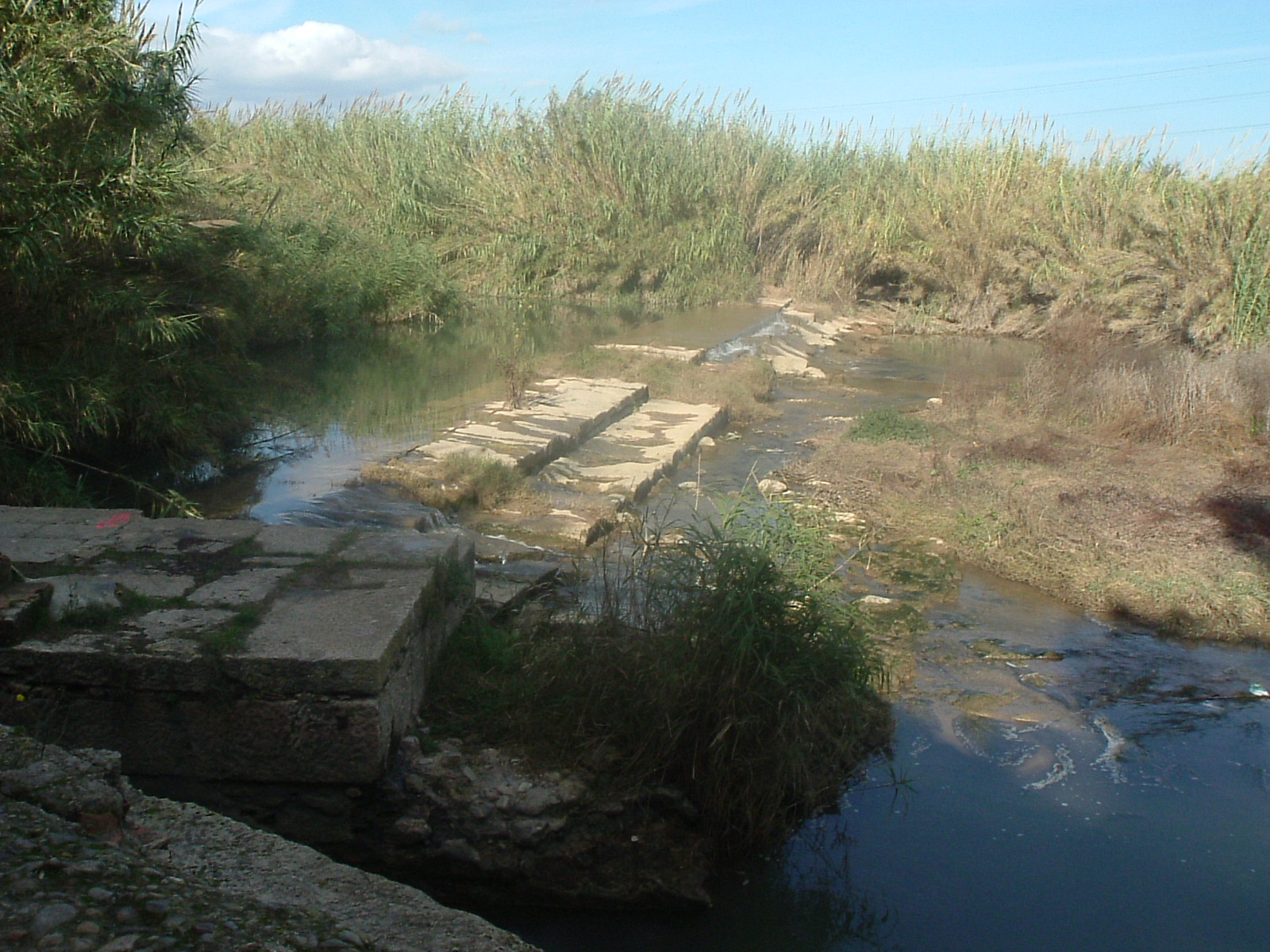
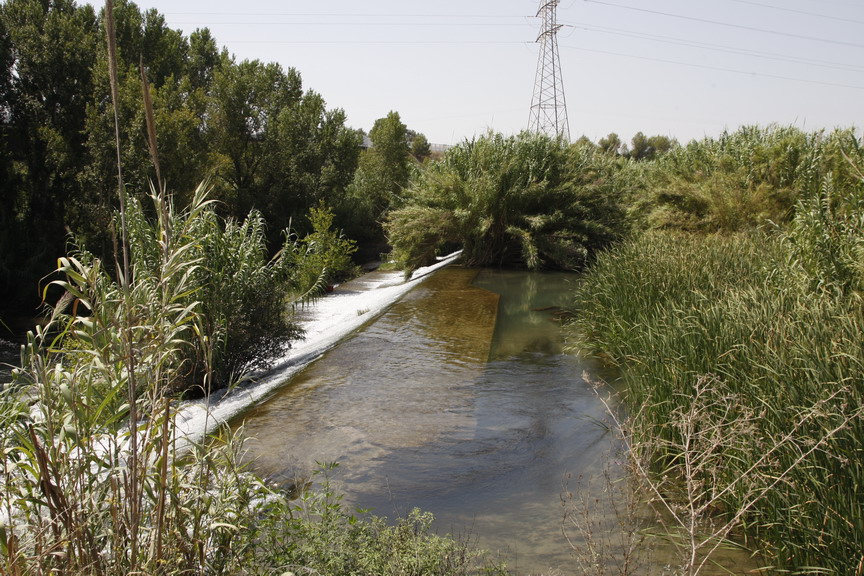
Arriving at the Assut de la Séquia de Quart‑Benàger‑Faitanar, you’ll notice a tranquil stretch of water gently spilling over a low stone wall. The weir itself is modest—roughly a few metres wide and a meter high—yet its presence is unmistakable.
- Scenic Views: The canal runs parallel to a narrow, tree‑lined towpath. Look out for local birds such as kingfishers and mallards that often perch on the weir’s edges.
- Sounds: The soft murmur of water provides a soothing backdrop, perfect for a moment of contemplation or a brief meditation break.
- Photography: The geometry of the stonework, combined with reflections on the water, creates compelling compositions. Bring a wide‑angle lens for landscape shots and a macro lens for close‑ups of water droplets and plant life.
- Cultural Insight: You may encounter local farmers or irrigation technicians checking the flow—an authentic glimpse into the everyday life that keeps Valencia’s agricultural lands productive.
There are no formal visitor facilities (no ticket office, café, or restroom), so plan accordingly. Bring water, a hat, and sunscreen, especially during the hot summer months.
5. Nearby Attractions
While the weir itself is the star of the show, the surrounding area offers several other points of interest within a short radius. All distances are as‑the‑crow‑flies from the weir:
| Attraction | Type | Distance | Quick Link |
|---|---|---|---|
| Assut de la Séquia de Montcada | Weir | 0.6 km | Explore Montcada Weir |
| Unnamed Dam | Dam | 1.0 km | Visit the Nearby Dam |
| Presa de La Cañada | Weir | 1.1 km | Presa de La Cañada Details |
| Assut de la Séquia de Tormos | Weir | 3.4 km | Tormos Weir Information |
| Assut de la Séquia de Mislata | Weir | 4.1 km | Mislata Weir Overview |
Note: Links are placeholders; replace with actual URLs if you publish the article.
Bonus: Cultural Spots in Manises
- Museu del Cànon (Cannon Museum): A small museum showcasing historic artillery pieces, reflecting Manises’ military past.
- Ceramics Workshops: Manises is famed for its traditional ceramic tiles. Pop into a local workshop to watch artisans at work and pick up a souvenir.
6. Travel Tips
| Tip | Why It Matters |
|---|---|
| Wear comfortable shoes | The towpath can be uneven, especially after rain. |
| Carry a reusable water bottle | There are no drinking fountains at the site. |
| Check water‑level alerts | During heavy rain, the canal may overflow, limiting safe access. |
| Bring a lightweight tripod | The low‑light conditions at sunrise or sunset benefit from stability. |
| Respect private property | Some sections of the canal run alongside residential gardens; stay on the public path. |
| Combine with a bike tour | Valencia’s bike‑share system (Valenbisi) makes it easy to rent a bike for a day‑trip. |
| Try local tapas in Manises | After exploring, reward yourself with a plate of “esgarraet” (roasted red pepper and cod) at a nearby bar. |
| Use a Spanish‑English map app | The area’s signage is primarily in Catalan/Spanish; a map app helps you navigate. |
7. Final Thoughts
The Assut de la Séquia de Quart‑Benàger‑Faitanar may not be on the typical tourist itinerary, but that’s exactly what makes it a rewarding destination for the curious traveler. It offers a quiet, authentic slice of Valencia’s agricultural heritage, framed by the gentle flow of water and the soft hum of everyday life.
Whether you’re a photography enthusiast hunting minimalist landscapes, a history buff fascinated by medieval irrigation, or simply a wanderer seeking a peaceful spot away from the crowds, this weir invites you to pause, listen, and appreciate the subtle engineering marvels that have shaped the Valencian Community for centuries.
Plan your visit, bring your camera, and let the rhythm of the canal guide you through a hidden corner of Spain’s vibrant east coast.