Assut de la Séquia de Mestalla – Valencia’s Hidden Water‑Works Wonder
If you think Valencia is only about paella, beaches, and futuristic architecture, think again. Nestled in the quiet suburb of Manises, the Assut de la Séquia de Mestalla is a modest weir that tells a centuries‑old story of engineering, agriculture, and the rhythm of the Valencian landscape.
1. Introduction
When you wander off the typical tourist trail in Valencia, you’ll discover a network of canals, dams, and weirs that have shaped the region’s prosperity for generations. The Assut de la Séquia de Mestalla—a low‑profile stone structure perched at 39.497501 ° N, ‑0.454710 ° W—may not boast the height of a medieval castle, but it commands the same awe that any historic landmark does.
Travelers with a curiosity for water infrastructure, industrial heritage, or simply a quiet spot for reflective photography will find this weir a rewarding stop. In this guide we’ll dive into the history, logistics, and practical tips you need to make the most of your visit.
2. About Assut de la Séquia de Mestalla
A Piece of Valencian Irrigation History
The Assut de la Séquia de Mestalla is part of the historic “Séquia de Mestalla,” an irrigation canal that dates back to the Moorish period. The term séquia (Catalan for “irrigation ditch”) refers to the intricate network that channels water from the Turia River to the fertile plains surrounding Valencia.
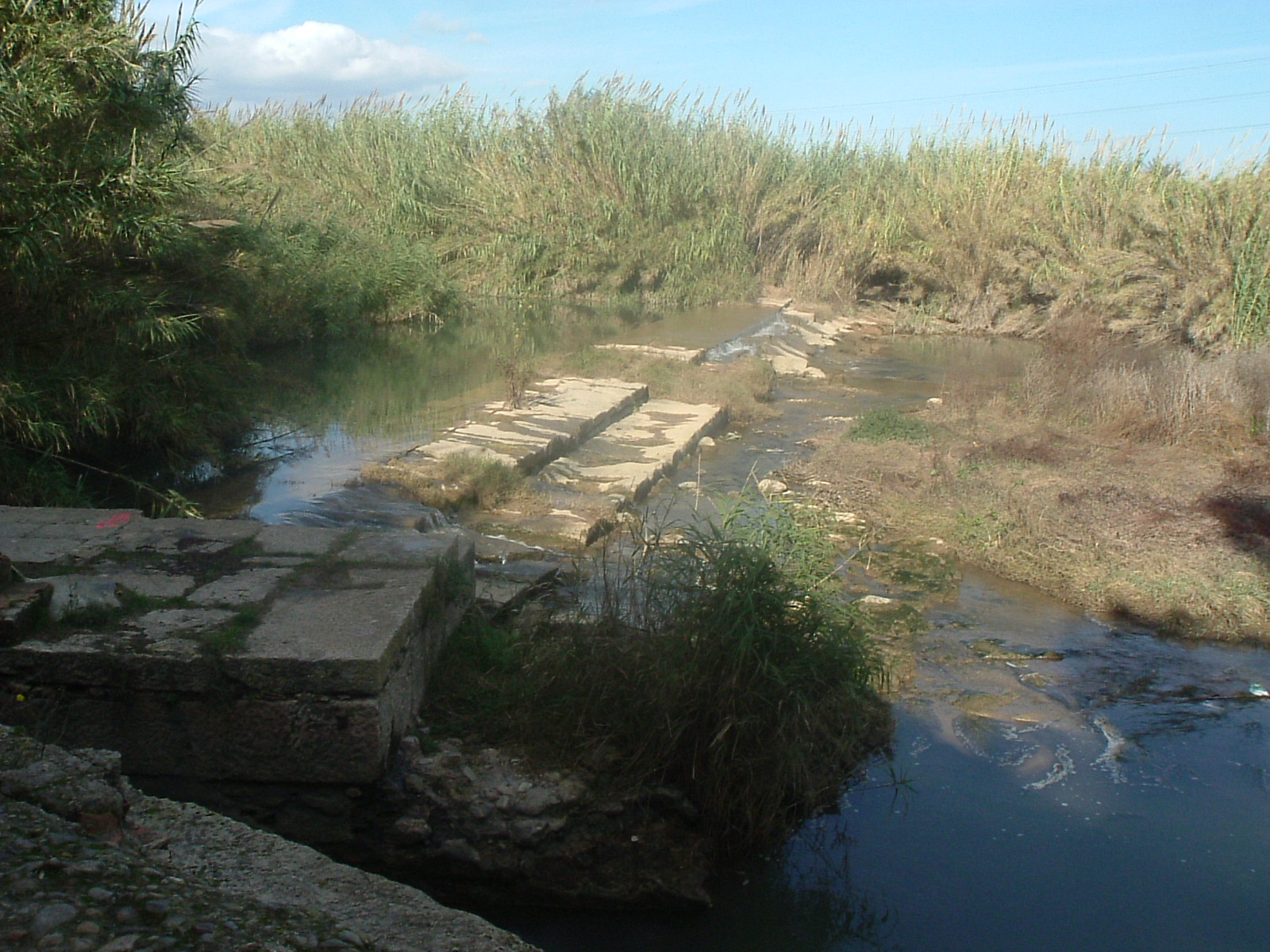
Built to regulate water flow for agricultural lands, the weir functions as a modest barrier that raises the water level just enough to divert it into the canal system. While the exact height and altitude of the structure remain undocumented, its stone arches and concrete reinforcements are unmistakably characteristic of 19th‑century Valencian engineering.
Why It Matters
- Agricultural Lifeline: The weir ensures a steady supply of water to orchards, orange groves, and vegetable fields that have made the Valencian Community famous worldwide.
- Cultural Symbol: It represents the ingenuity of local farmers and engineers who turned a semi‑arid landscape into a productive oasis.
- Ecological Hub: The calm pool upstream attracts birds, amphibians, and small mammals, making it a subtle hotspot for nature lovers.
For a deeper dive into its background, the Catalan‑language Wikipedia entry offers a concise overview: Assut de la Séquia de Mestalla (Wikipedia).
3. How to Get There
By Public Transport
| Mode | Details | Approx. Time |
|---|---|---|
| Metro | Take Line 5 (Green) toward Alboraya-Palmaret. Get off at Manises station (Zone 2). From there, it’s a 10‑minute walk (≈800 m) north along Carrer de la Séquia. | 25‑30 min from Valencia city centre |
| Bus | Bus line 150 runs from Estació del Nord to Manises. Disembark at the Manises – Séquia stop; the weir is a short stroll away. | 35‑40 min from central Valencia |
| Bike‑Share | Valencia’s Valenbisi stations are abundant. Rent a bike at the Manises station and ride along the canal towpath for a scenic, low‑impact journey. | 10‑15 min ride |
By Car
- From Valencia City Centre: Take the A‑7 (Autovía del Mediterráneo) eastbound, exit at Manises (Exit 13). Follow signs for Carrer de la Séquia; parking is available on the street or in the small municipal lot near the weir.
- From the Airport: The A‑3 highway connects directly to the A‑7; the drive takes roughly 15 minutes, depending on traffic.
Walking & Accessibility
The weir sits at ground level with a flat, paved path surrounding it, making it wheelchair‑friendly. However, the nearby canal towpath can be uneven in places, so sturdy shoes are recommended for walkers and cyclists alike.
4. Best Time to Visit
| Season | Weather | Visitor Experience |
|---|---|---|
| Spring (Mar‑May) | Mild temperatures (15‑22 °C), occasional rain showers | Ideal for photography; water levels are moderate, and surrounding vegetation is in full bloom. |
| Summer (Jun‑Aug) | Hot (28‑35 °C) and dry | Early mornings or late evenings are best to avoid the heat; water flow may be lower. |
| Autumn (Sep‑Nov) | Pleasant (18‑24 °C), occasional gusts | Perfect for birdwatching; the canal’s water level often rises after early autumn rains. |
| Winter (Dec‑Feb) | Cool (10‑16 °C), occasional fog | Quietest period; the weir may be shrouded in mist, creating a moody atmosphere—great for contemplative shots. |
Tip: The best light for photos is during the “golden hour” (just after sunrise or before sunset). The weir’s stone texture catches a warm glow that highlights its historic character.
5. What to Expect
A Quiet Engineering Showcase
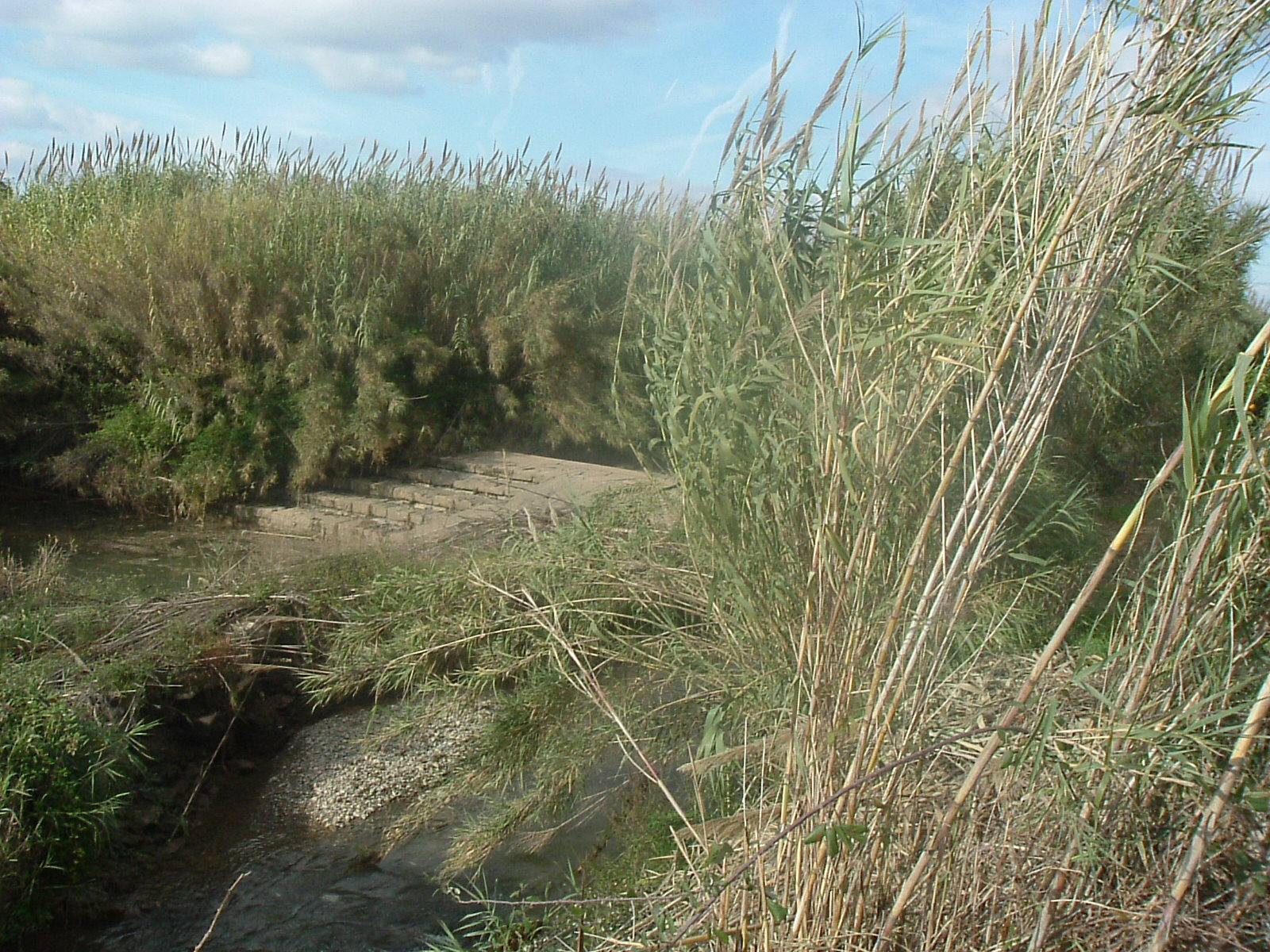
Approaching the Assut de la Séquia de Mestalla, you’ll first notice a low, sturdy wall of stone and concrete, punctuated by a narrow opening that lets water cascade gently downstream. Unlike the bustling plazas of Valencia’s historic centre, this spot is tranquil, often visited by locals who come to check the water level or simply enjoy a moment of calm.
Photographic Highlights
- Reflections: On calm days, the water mirrors the sky and the weir’s arches, creating symmetrical compositions.
- Textures: The weathered stone offers a tactile contrast to the sleek modern bridges that cross nearby canals.
- Wildlife: Look up! Kingfishers, herons, and even the occasional dragonfly hover near the water’s edge.
Sensory Experience
- Sounds: A soft, continuous murmur of flowing water, punctuated by distant traffic from Manises.
- Smells: Fresh, slightly earthy air mixed with faint hints of nearby citrus groves.
Overall, the visit feels like stepping into a living museum where engineering meets nature.
6. Nearby Attractions
While the Assut de la Séquia de Mestalla is the star of the show, the surrounding area offers a handful of complementary sights within walking distance.
| Distance | Attraction | Type | Quick Info |
|---|---|---|---|
| 0.1 km | Unnamed Weir | Weir | A sister structure that shares the same irrigation canal; great for comparative photos. |
| 0.2 km | Unnamed Weir | Weir | Slightly larger, featuring a decorative stone façade. |
| 0.3 km | Assut de la Séquia de Mislata | Weir | Located in the neighbouring district of Mislata; showcases subtle design variations. |
| 0.5 km | Unnamed Fountain | Fountain | A small ornamental fountain set in a landscaped garden—perfect for a short rest. |
| 0.6 km | Unnamed Fountain | Fountain | Features a cascading water display and benches for picnics. |
(All attractions are accessible via the canal towpath or local streets. For exact locations, use the coordinates 39.497501, -0.454710 in your navigation app.)
7. Travel Tips
- Bring a Reusable Water Bottle – You’ll be near water all day, but it’s best to stay hydrated, especially in summer heat.
- Wear Comfortable Shoes – The paths can be uneven near the canal banks; sturdy sneakers or walking shoes are ideal.
- Check Water Levels – If you’re interested in engineering details, the local water authority posts weekly flow data online. Low water may reduce the visual impact.
- Respect Signage – Some sections of the canal are private property for irrigation purposes; stay on marked public paths.
- Timing for Birdwatchers – Early mornings (6‑8 am) are prime hours for spotting kingfishers and herons. Bring binoculars!
- Combine with a Food Stop – Manises is famous for its paella and horchata. After exploring the weir, head to Carrer de la Plaça for authentic Valencian cuisine.
- Photography Gear – A wide‑angle lens captures the full span of the weir; a polarizing filter helps reduce glare on the water surface.
Wrap‑Up
The Assut de la Séquia de Mestalla may not appear on every travel brochure, but it offers a unique glimpse into Valencia’s lifeblood—its water. Whether you’re an avid photographer, a history buff, or simply a traveler looking for a quiet spot away from the crowds, this weir invites you to pause, listen to the gentle rush of the canal, and appreciate the centuries‑old partnership between people and water that still shapes the Valencian landscape today.
Plan your visit, pack your curiosity, and let the rhythm of the Séquia guide you through one of Spain’s most understated yet captivating attractions.