Fuente de Pontejos – Madrid’s Hidden Fountain Gem
Discover the charm of one of Madrid’s lesser‑known water wonders, perfect for a quick photo stop or a peaceful pause in the bustling capital.
1. Introduction
If you think Madrid is only about tapas, flamenco and the grand boulevards of Gran Vía, think again. Tucked away in the historic heart of the city lies Fuente de Pontejos, a modest yet enchanting fountain that whispers stories of old Madrid. Whether you’re a first‑time visitor mapping out the classic sights or a local looking for a quiet corner, this fountain offers a refreshing break from the city’s rhythm—complete with the gentle sound of water, stone artistry, and a backdrop of centuries‑old streets.
2. About Fuente de Pontejos
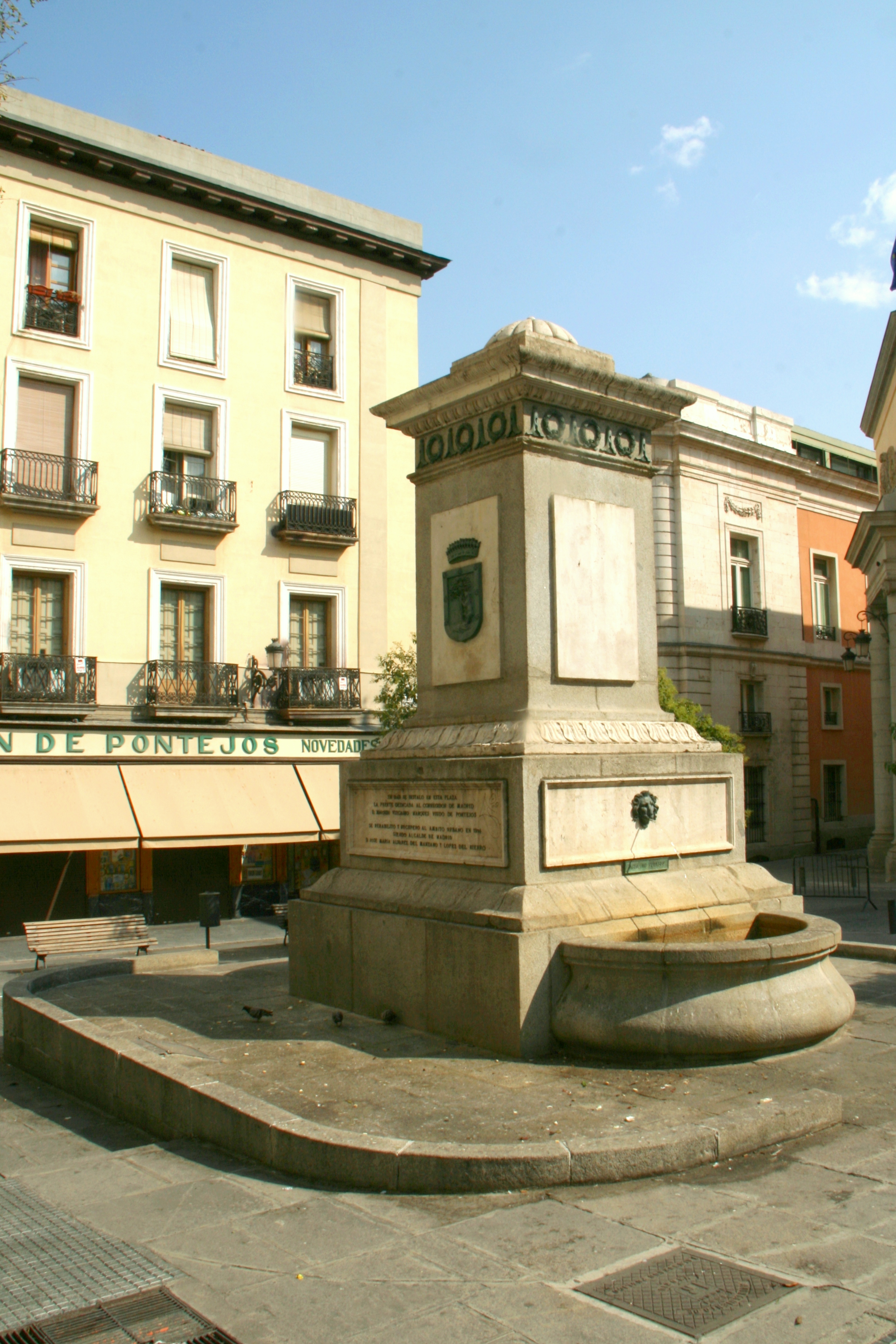
Fuente de Pontejos (Spanish for “Pontejos Fountain”) is a public fountain situated at 40.415894, -3.704373 in the centre of Madrid. While the exact date of its construction and its original designer remain undocumented, the fountain is part of Madrid’s extensive network of historic water features that have adorned the city since the 16th century.
Historical Context
- Civic pride: Like many Spanish fountains, Fuente de Pontejos was originally intended to provide clean drinking water to residents and travelers. Over time, it evolved into a decorative element, reflecting Madrid’s commitment to public art and urban beautification.
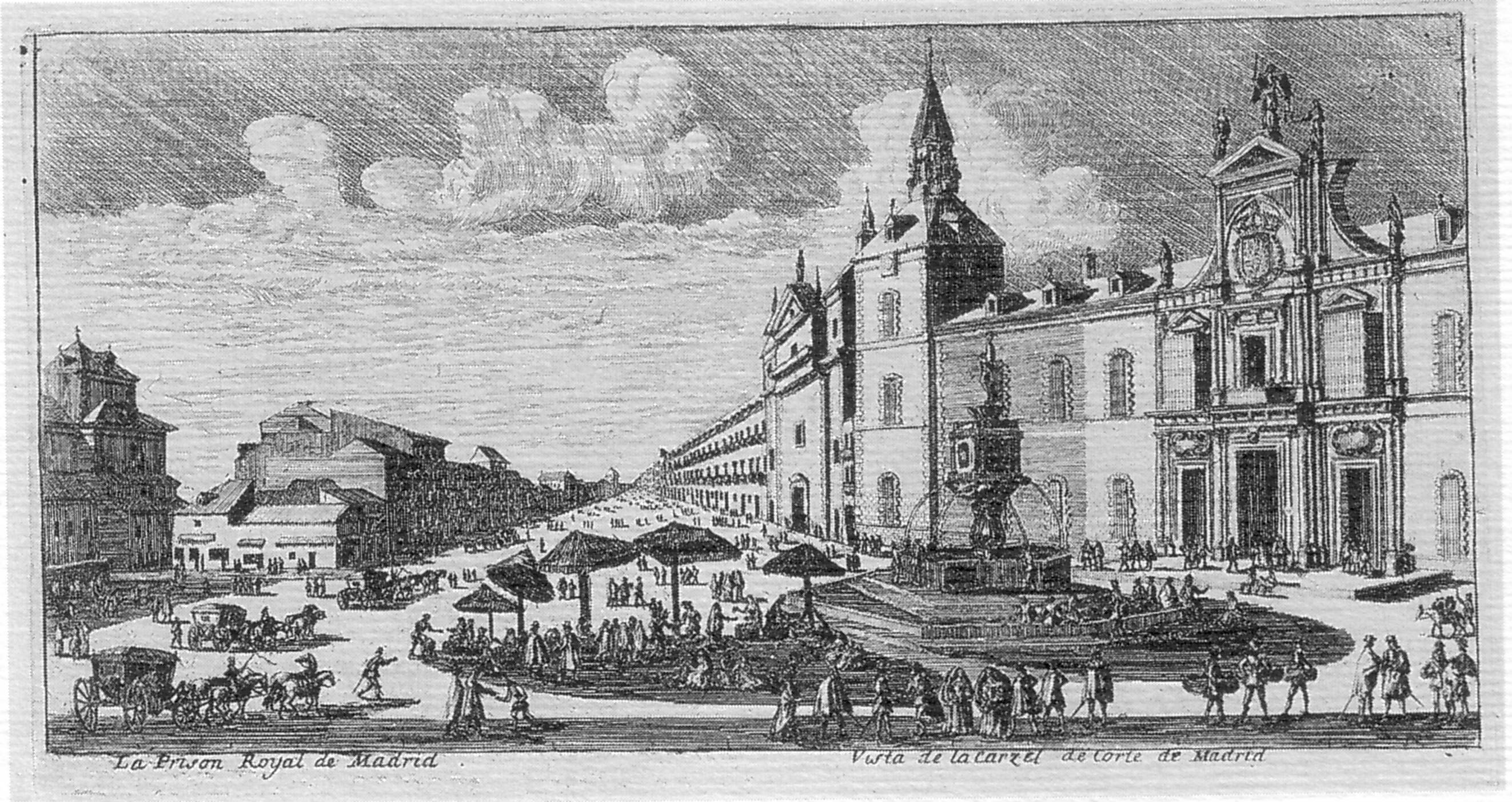
- Urban fabric: The fountain sits amid a cluster of other historic fountains—Fuente Carlos III, Fuente de Orfeo, and several unnamed waterworks—creating a miniature “fountain trail” that showcases the city’s dedication to water as both utility and aesthetic.
Significance
- Cultural touchstone: Though modest in size, the fountain embodies the Spanish tradition of integrating art into everyday life. It serves as a reminder that even small public works can become beloved meeting points for locals.
- Photographer’s delight: The stone basin, subtle water jets, and surrounding cobblestones provide a perfect composition for Instagram‑ready shots, especially when the golden light of sunrise or sunset hits the water.
For a concise overview, check the official Spanish Wikipedia entry: Fuente de Pontejos (es.wikipedia.org).
3. How to Get There
Getting to Fuente de Pontejos is a breeze, thanks to Madrid’s well‑connected public‑transport system.
| Mode | Directions | Approx. Time |
|---|---|---|
| Metro | Take Line 2 (Red) or Line 4 (Brown) to Banco de España station. Exit toward Calle de la Montera and walk north for about 5 minutes. | 15 min from Sol |
| Bus | Lines 3, 14, and 27 stop at Plaza de la Villa (a short walk from the fountain). | 10‑12 min from Atocha |
| Walking | From Puerta del Sol, head west on Calle del Arenal, turn left onto Calle de la Montera, and continue until you see the fountain’s stone façade. | 12 min (≈1 km) |
| Bicycle / E‑Scooter | Madrid’s public bike‑share stations are plentiful. Dock at the nearest station near Plaza de la Villa and ride the flat streets to the fountain. | 5‑7 min |
Pro tip: The area is pedestrian‑friendly, so strolling is often the most enjoyable way to soak up the ambience and discover nearby cafés and boutiques.
4. Best Time to Visit
- Spring (March‑May): Mild temperatures and blossoming street trees make for a pleasant walk. Early mornings are especially quiet, allowing you to hear the water without city noise.
- Autumn (September‑November): Golden hour light accentuates the stone details, and the crowds thin out after the summer tourist peak.
- Winter: Although cooler, the fountain’s water remains flowing year‑round, creating a striking contrast against the crisp air. Dress warmly and enjoy a hot chocolate from a nearby café.
Avoid the midday rush (12 pm‑2 pm) if you prefer a tranquil setting; the surrounding plazas become busier with office workers and tourists.
5. What to Expect
When you arrive at Fuente de Pontejos, you’ll find:
- A stone basin with a simple, elegant water jet that creates a soft, rhythmic splash.
- Surrounding cobblestones that echo the historic streets of Madrid’s old centre.
- Seating nooks on adjacent benches, perfect for a quick rest or people‑watching.
- A sense of community: Locals often gather here for brief chats, street musicians occasionally perform, and children love to toss coins for good luck.
The fountain is well‑maintained, with clean water and regular upkeep by the Madrid City Council. It’s also accessible for wheelchair users, thanks to level pathways and nearby curb cuts.
6. Nearby Attractions
Fuente de Pontejos sits in a fountain‑rich micro‑neighbourhood. While you’re in the area, consider adding these short‑walk stops to your itinerary:
- Fuente Carlos III – Just 0.1 km away, this elegant 18th‑century fountain celebrates King Carlos III and features ornate bronze statues.
- Fuente de Orfeo – A 0.2 km stroll brings you to this myth‑themed fountain, where the legendary poet Orpheus is depicted with a lyre.
- Other nearby fountains (0.4 km) – Explore the hidden waterworks scattered throughout the historic quarter; each offers a unique design and a glimpse into Madrid’s past.
Beyond fountains, the vicinity is packed with cultural highlights:
- Plaza de la Villa – One of Madrid’s oldest squares, lined with medieval buildings and the iconic Casa de la Villa (city hall).
- Museo del Romanticismo – A short walk north, showcasing 19th‑century art and interiors.
- Café de Oriente – Perfect for a post‑visit espresso with views of the Royal Palace.
7. Travel Tips
| Tip | Details |
|---|---|
| Carry a reusable water bottle | Although the fountain’s water isn’t for drinking, staying hydrated while exploring is essential, especially in summer. |
| Mind the cobblestones | The historic streets can be uneven; wear comfortable shoes with good grip. |
| Check the schedule for street performances | Local musicians often set up near the fountain in the evenings; a quick glance at the municipal events calendar can help you catch a live show. |
| Respect local customs | Tossing a coin into the fountain is a common wish‑making tradition—just be mindful not to litter. |
| Photography etiquette | While the fountain is public, avoid blocking pedestrian flow when setting up shots. |
| Combine with a tapas crawl | The surrounding lanes host several classic taverns; try a “tapa de tortilla” or “jamón ibérico” after your visit. |
| Safety | The area is safe day and night, but keep an eye on personal belongings as you would in any busy city centre. |
Wrap‑Up
Fuente de Pontejos may not headline the typical “must‑see” list for Madrid, but that’s precisely what makes it special. It offers a quiet, authentic slice of the city’s heritage—a place where the gentle murmur of water blends with centuries‑old stone, and where locals and travelers alike can pause, reflect, and capture a moment of timeless Madrid.
Add this hidden fountain to your itinerary, wander the nearby historic streets, and let the subtle charm of Fuente de Pontejos become a memorable highlight of your Spanish adventure.
Happy travels, and don’t forget to snap that perfect fountain photo!