Fuente de las Conchas – Madrid’s Hidden Fountain Gem
Discover the charm of one of Madrid’s most understated water features, tucked in the heart of the city’s historic centre.
Introduction
If you’ve wandered the bustling streets of Madrid and snapped photos of the Royal Palace, Plaza Mayor, and the iconic Puerta del Sol, you might have missed a small but enchanting treasure: Fuente de las Conchas. This elegant fountain, whose name translates to “Fountain of the Shells,” sits quietly amid the city’s lively urban fabric, offering a perfect spot to pause, reflect, and capture a slice of authentic Madrid life. Whether you’re a first‑time visitor, a seasoned traveler, or a local looking for a new photo‑op, Fuente de las Conchas deserves a place on your itinerary.
About Fuente de las Conchas
A Brief Description
- Type: Fountain ⛲
- Location: City centre, Madrid, Spain
- Coordinates: 40.418691, -3.717966
- Height & Altitude: Not publicly documented
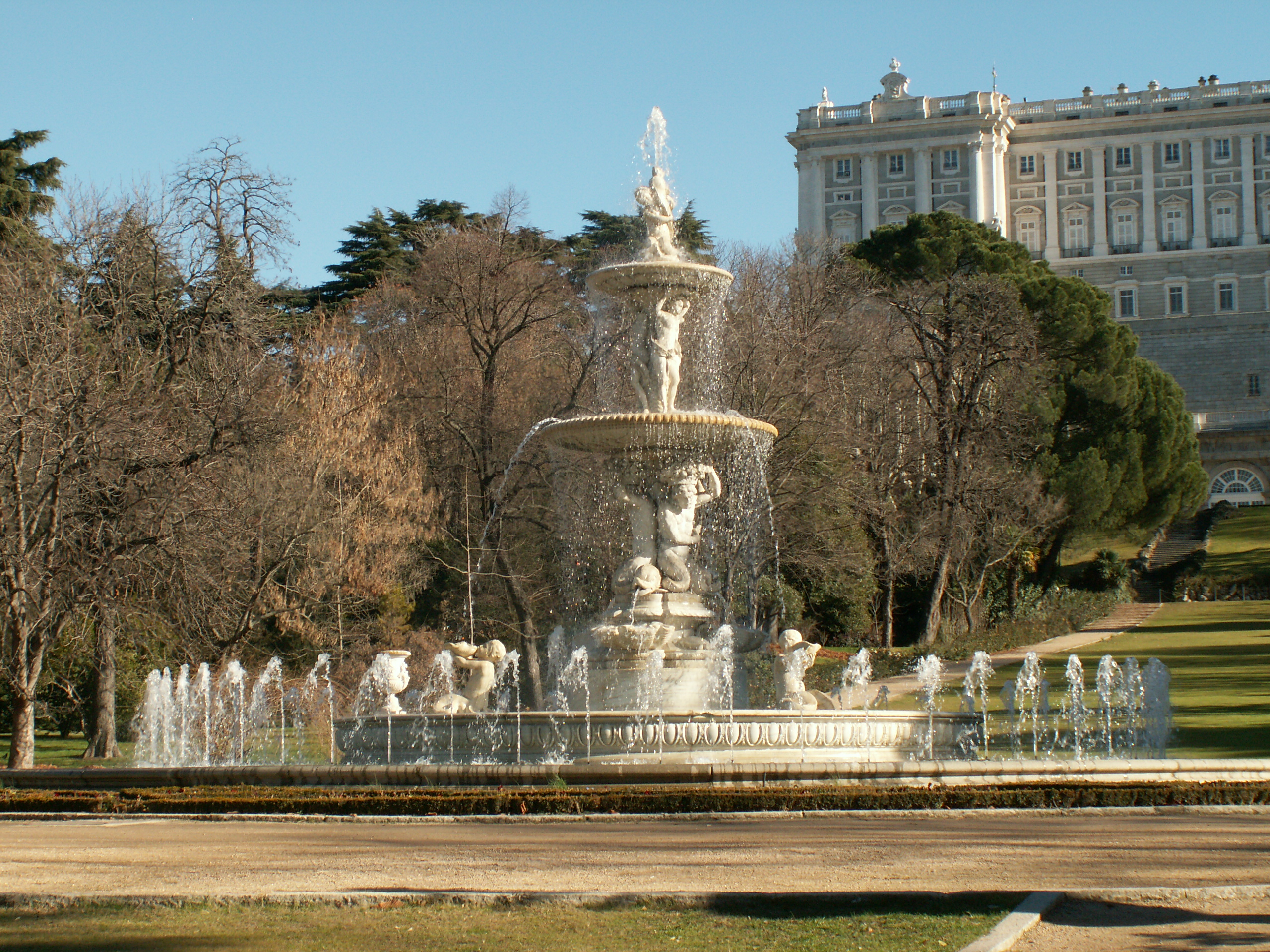
The fountain’s design revolves around a series of graceful shells (conchas) from which water gently cascades, creating a soothing soundscape that contrasts beautifully with the city’s constant hum. Its modest size makes it feel intimate, yet its artistic detailing reflects the high craftsmanship associated with Madrid’s historic public works.
Historical Context
While detailed archival records on the fountain’s construction are scarce, Fuente de las Conchas is part of Madrid’s broader tradition of public water features that date back to the 16th‑century “fuentes reales.” These fountains were originally built to provide drinking water and to showcase the city’s artistic flair. Over the centuries, many of them—Fuente de las Conchas included—have been restored and integrated into modern urban spaces, serving as both functional amenities and cultural landmarks.
Cultural Significance
In a city celebrated for its grand plazas and monumental monuments, smaller fountains like Fuente de las Conchas play a subtle yet vital role. They act as gathering points for locals, backdrop for street performers, and quiet retreats for tourists seeking a moment of calm. The shell motif also nods to Spain’s maritime heritage, reminding visitors of the country’s historic ties to the sea and its enduring love for decorative arts.
For more in‑depth information, see the Spanish Wikipedia entry: Fuente de las Conchas.
How to Get There
By Metro
Fuente de las Conchas is located in the historic centre, within easy walking distance of several major metro stations:
| Metro Line | Station | Approx. Walking Time |
|---|---|---|
| 1, 2, 3 | Sol | 5‑7 minutes |
| 1, 2, 3 | Gran Vía | 8‑10 minutes |
| 4, 5, 6 | Tirso de Molina | 10‑12 minutes |
Just exit the station, head towards the Plaza de la Villa area, and you’ll spot the fountain nestled among charming stone façades.
By Bus
Multiple city bus routes (e.g., 3, 15, 27) stop near Plaza Mayor and Puerta del Sol, both a short stroll from the fountain.
On Foot
If you’re already exploring Madrid’s historic centre—perhaps after a visit to the Royal Palace or the Almudena Cathedral—simply follow the cobblestone streets heading west from Plaza Mayor. The fountain is marked on most tourist maps and is easy to spot thanks to its distinctive shell design.
Parking
Driving in central Madrid can be challenging. If you must use a car, look for underground parking facilities near Plaza de España or Atocha and then take a short metro ride or a 15‑minute walk.
Best Time to Visit
| Season | Why It’s Ideal | Tips |
|---|---|---|
| Spring (Mar‑May) | Mild temperatures, blooming gardens nearby, fewer tourists than summer | Arrive early (8‑9 am) for soft natural light |
| Autumn (Sept‑Nov) | Pleasant weather, golden hour lighting enhances the water’s sparkle | Carry a light jacket for evening walks |
| Winter (Dec‑Feb) | Quiet streets, festive decorations around the city centre | The fountain’s gentle sound feels especially cozy |
| Summer (Jun‑Aug) | Long daylight hours, lively street performances | Visit early morning or late evening to avoid the heat and crowds |
Golden hour (just after sunrise or before sunset) is perfect for photography, as the low sun accentuates the water’s movement and highlights the shell motifs.
What to Expect
The Atmosphere
Approaching Fuente de las Conchas, you’ll first notice the rhythmic murmur of water—an inviting soundtrack that instantly slows down the city’s pace. The fountain’s modest scale encourages close interaction; you can walk right up to the edge, feel the cool mist, and even watch children splash playfully.
Visual Details
- Shell Design: The fountain’s primary decorative element is a series of stylized shells arranged in concentric circles. Water emerges from each shell’s opening, creating a gentle cascade that pools in a shallow basin.
- Stonework: The surrounding basin is crafted from traditional Madrid stone, displaying subtle weathered textures that blend harmoniously with nearby historic façades.
- Lighting: In the evening, soft uplighting illuminates the shells, casting delicate reflections on the water—an Instagram‑worthy scene.
Sounds & Smells
Beyond the visual appeal, the fountain offers a sensory experience: the subtle splash of water, the faint scent of nearby orange trees (common in Madrid’s plazas), and the distant chatter of locals enjoying a café con leche at nearby terraces.
Photo Opportunities
- Close‑up of a shell: Capture the intricate curves with a macro lens.
- Reflections: Shoot from a low angle to include the sky and surrounding architecture in the water’s mirror.
- Nighttime glow: Use a tripod to capture the illuminated fountain after dark.
Nearby Attractions
While you’re in the vicinity, make the most of your visit by exploring other charming fountains and historic sites within a short walk:
- Fuente de los Tritones – Just 0.2 km away, this fountain features mythological sea‑god figures. Learn more
- Fuentes Gemelas – A pair of twin fountains located 0.3 km from Fuente de las Conchas, showcasing symmetrical design. Details here
- Plaza Mayor – Madrid’s iconic square, surrounded by arcades, cafés, and street performers (≈0.4 km).
- Royal Palace of Madrid – The grand residence of the Spanish monarchy, a must‑see landmark (≈0.5 km).
- Almudena Cathedral – A stunning neo‑Gothic cathedral right next to the palace (≈0.5 km).
All these sites are comfortably walkable, allowing you to create a “fountain‑focused” walking tour of central Madrid.
Travel Tips
| Tip | Why It Matters |
|---|---|
| Wear comfortable shoes | The historic centre is cobblestoned; you’ll be walking a lot. |
| Carry a reusable water bottle | You can refill at many public fountains, staying hydrated while being eco‑friendly. |
| Check the weather | Rain can make the stone surfaces slippery; an umbrella doubles as a photo prop. |
| Visit during off‑peak hours | Early mornings (7‑9 am) or late evenings (after 8 pm) provide a quieter experience and better lighting. |
| Respect local customs | Keep noise levels moderate, especially near residential buildings. |
| Bring a small tripod | For stable night shots of the illuminated fountain. |
| Use a translation app | Some signage may be in Spanish; a quick translation helps you navigate. |
| Try nearby tapas | The area around Sol and Plaza Mayor offers countless tapas bars—perfect for a post‑visit snack. |
Final Thoughts
Fuente de las Conchas may not dominate travel guide headlines, but its understated elegance embodies the soul of Madrid: a city where history, art, and everyday life flow together like water from a fountain. By adding this hidden gem to your itinerary, you’ll experience a quieter side of the Spanish capital, discover beautiful photo moments, and enjoy a peaceful oasis amid the urban buzz.
So next time you find yourself wandering Madrid’s bustling streets, take a detour, follow the sound of gently falling water, and let the Fountain of the Shells refresh your senses. Happy travels!