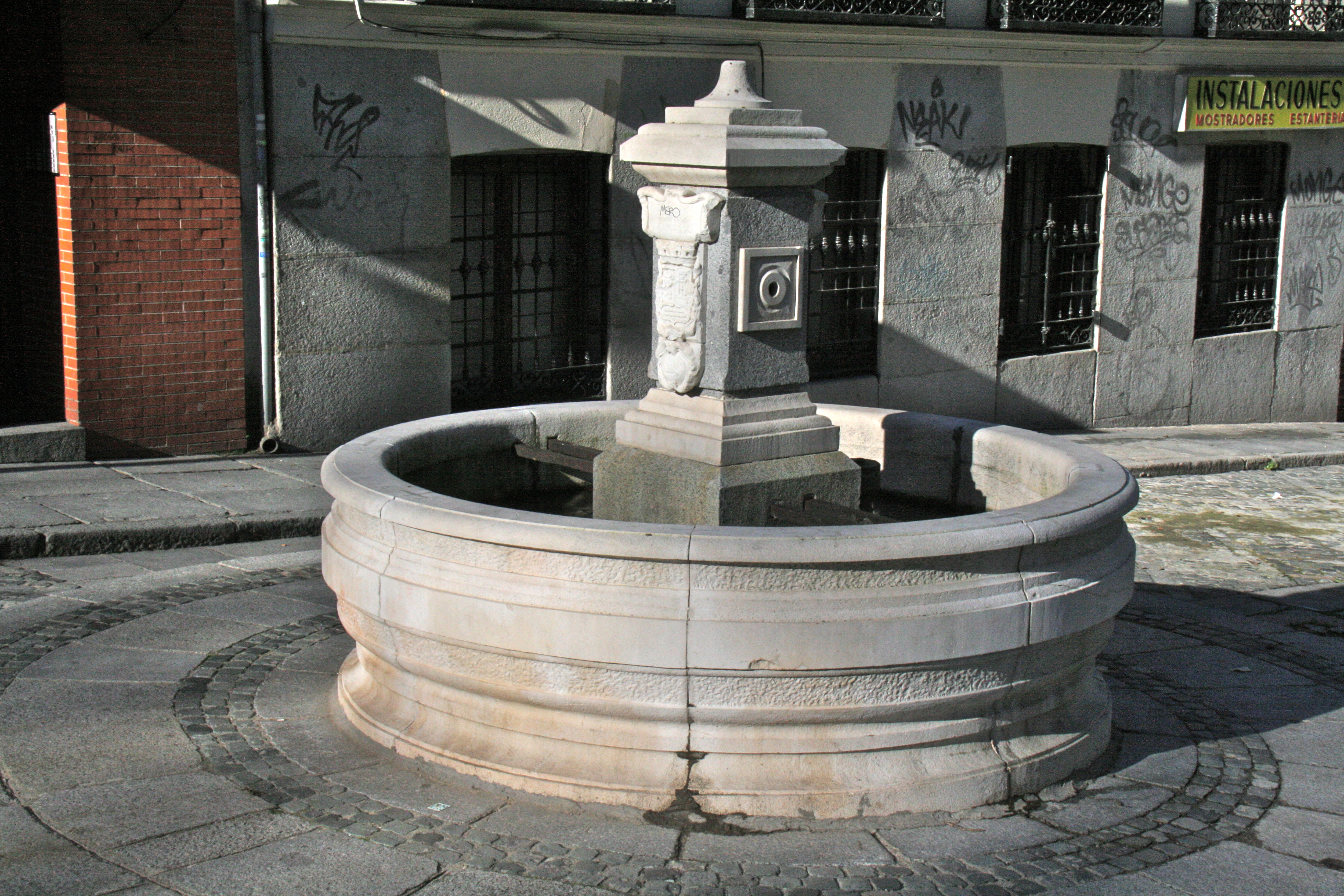
Fuente de la Cuesta de los Ciegos – Madrid’s Hidden Fountain Gem
Discover the quiet charm of one of Madrid’s lesser‑known historic fountains, tucked away in the winding streets of the city’s old centre.
Introduction
When you think of Madrid, the first images that come to mind are probably the bustling Gran Vía, the grand Plaza Mayor, or the iconic Royal Palace. Yet, beyond the tourist hotspots lies a network of intimate squares, cobbled lanes, and historic fountains that whisper stories of the city’s past. One such treasure is the Fuente de la Cuesta de los Ciegos – a modest stone fountain that has been quietly quenching the thirst of locals for centuries. If you’re looking to step off the beaten path and add a touch of authentic Madrid to your itinerary, this fountain is a perfect stop.
About Fuente de la Cuesta de los Ciegos
Description
Located at 40.413703, -3.714960 in the heart of Madrid, the Fuente de la Cuesta de los Ciegos sits on the narrow, historic street that gives it its name – Cuesta de los Ciegos (the “Blind’s Slope”). The fountain is built from simple stone slabs, with a shallow basin that once collected water from the city’s old aqueduct system. While the exact height and altitude of the fountain remain undocumented, its unpretentious design is a reminder of Madrid’s utilitarian waterworks from the 16th and 17th centuries.
History
The fountain’s origins are intertwined with the development of Madrid’s early water supply. During the Habsburg period, the city began constructing public fountains to provide clean water to its growing population. The name “Cuesta de los Ciegos” is believed to reference a historic path used by blind beggars who gathered alms near the water source. Over time, the fountain became a focal point for the neighbourhood, offering a place for residents to meet, refresh, and exchange news.
Although the fountain has not undergone major architectural changes, it survived the 19th‑century urban reforms that reshaped much of central Madrid. Its endurance makes it a historical landmark that reflects the city’s commitment to preserving everyday heritage.
Significance
Beyond its practical purpose, the Fuente de la Cuesta de los Ciegos is a cultural touchstone for the local community. It represents the social fabric of old Madrid, where public fountains served as informal gathering spots long before cafés became popular. For travelers, the fountain offers a glimpse into the daily life of Madrileños centuries ago, making it an essential stop for anyone interested in historical fountains in Madrid or authentic urban archaeology.
How to Get There
By Metro
- Line 2 (Red) – Get off at Sol station. From the main exit, walk north toward Calle del Arenal, then turn left onto Calle de la Cuesta de los Ciegos. The fountain is just a few minutes’ walk away.
- Line 3 (Yellow) – Disembark at Sol as well; the same walking route applies.
By Bus
- Bus 3, 15, 27, 34, 41, 146 stop at Sol (Plaza del Sol). From there, follow the same short walk toward the Cuesta.
By Foot / Bicycle
Madrid’s historic centre is compact and pedestrian‑friendly. If you’re staying near Puerta del Sol, Plaza Mayor, or Gran Vía, the fountain is within a 10‑minute walk. The city’s public bike‑share system (BiciMAD) also has docking stations near Sol, making a quick ride an easy option.
Parking
If you’re traveling by car, the nearest public parking garage is Parking Plaza Mayor (Calle de la Paz, 5). From the garage, it’s a brief stroll through the lively streets of the old town.
Best Time to Visit
- Spring (March‑May) – Mild temperatures and blooming street cafés make strolling through the historic neighbourhood especially pleasant. Early morning is ideal for soft light and fewer crowds.
- Autumn (September‑November) – The city’s golden hue adds a romantic backdrop, and the fountain’s stonework looks striking against the warm sunlight.
- Winter (December‑February) – While cooler, the fountain remains a peaceful spot for a quick coffee break. The festive lights around Sol add a magical atmosphere.
- Summer – Madrid can be hot, but visiting early in the morning or later in the evening helps you avoid the peak heat. The fountain’s shade offers a brief respite from the sun.
What to Expect
Approaching the Fuente de la Cuesta de los Ciegos, you’ll first notice the quietness that contrasts sharply with the bustling streets surrounding it. The fountain’s stone basin is shallow, often reflecting the surrounding façades and the occasional passer‑by.
- Atmosphere – A blend of historic serenity and urban energy. Locals may pause to refill a bottle, while tourists snap photos of the rustic stonework.
- Surroundings – The fountain is nestled among traditional Madrilenian houses, many with wrought‑iron balconies and colorful shutters. The narrow cobblestones underfoot add to the old‑world charm.
- Sounds – You’ll hear the gentle trickle of water, the murmur of conversation from nearby cafés, and the distant hum of traffic—creating a sensory snapshot of everyday Madrid life.
Because the fountain is not a major tourist attraction, you’ll rarely encounter large crowds. This makes it an excellent spot for a quiet moment of reflection, a photo opportunity, or simply a place to watch the city’s rhythm unfold.
Nearby Attractions
While you’re in the area, several other fountains and points of interest are within a short walk:
- Fuente Andalusí – Located just 0.1 km away, this Moorish‑style fountain showcases intricate tile work and a central basin.
- Fuente de Ramón Gómez de la Serna – Another stone fountain a few steps away, named after the famous Spanish writer.
- Plaza Mayor – Madrid’s iconic square, a 5‑minute walk from the fountain, perfect for people‑watching and sampling tapas.
- Royal Palace of Madrid – A short 10‑minute stroll leads you to the grand palace and its surrounding gardens.
- Museo del Romanticismo – Housed in a 19th‑century mansion, this museum offers insight into Madrid’s artistic past.
These attractions can be combined into a walking tour of historic Madrid, allowing you to experience the city’s layered history in a single afternoon.
Travel Tips
| Tip | Why It Matters |
|---|---|
| Wear comfortable shoes | The historic centre’s cobblestones can be uneven; good footwear ensures you can explore without fatigue. |
| Carry a reusable water bottle | While the fountain is decorative, you can refill at nearby cafés; staying hydrated is essential, especially in summer. |
| Visit early or late | To avoid the midday heat and the occasional tourist rush, aim for sunrise or after sunset. |
| Bring a small camera or smartphone | The fountain’s stone texture and surrounding architecture make for excellent close‑up shots. |
| Learn a few Spanish phrases | “¿Dónde está la fuente?” (Where is the fountain?) can be handy if you need directions. |
| Check opening hours of nearby cafés | Many cafés open around 8 am; you can combine a coffee with a visit to the fountain for a relaxed start to the day. |
| Respect the site | As a historic public water source, avoid littering and keep the area clean for future visitors. |
| Use a map app with GPS | Input the coordinates 40.413703, -3.714960 for precise navigation, especially if you’re exploring on foot. |
Final Thought
The Fuente de la Cuesta de los Ciegos may not appear on every travel brochure, but it embodies the soul of Madrid’s historic neighborhoods—quiet, authentic, and full of stories. By adding this hidden fountain to your itinerary, you’ll experience a side of the Spanish capital that most visitors miss: the everyday charm that has endured for centuries.
So, lace up your walking shoes, grab a café con leche, and wander down the Cuesta de los Ciegos. You’ll find more than a stone basin—you’ll discover a living piece of Madrid’s past, waiting to be enjoyed.
Keywords: Fuente de la Cuesta de los Ciegos, Madrid fountains, historic fountains Madrid, things to do in Madrid, Madrid travel guide, Cuesta de los Ciegos, hidden gems Madrid, Madrid historic centre, walking tour Madrid.